UGA CAES Photo/Shows an in-lab water analysis test at UGA CAES.
Well water quality and irrigation system management should be a top priority for vegetable and specialty crop producers gearing up for the spring season.
Gary Hawkins, an Assistant Professor in Water Resource Management at the University of Georgia College of Agricultural and Environmental Sciences, said a good clean well has reduced risks of pathogens and other bacteria in it.
Testing your water and irrigation systems now can prevent potential problems that may arise during the season.
“This time of year, they should be in the process of closing their systems down. Winterizing their irrigation systems is one good thing they can do. A second thing they can do this time of the year is really have an outline of how they could fix any leaks, geysers or anything else that makes their system inefficient,” Hawkins said. As they start thinking about cranking back up in the spring, late February, March, April timeframe; doing any irrigation water test.”
W33A Water Quality Test
Hawkins recommends a W33A water quality test that tests the chemistry in the water.
“That’ll test the basics, but it’ll also give us a sodium absorption ratio or an SAR number. That’ll give the farmer some indication of the combination of alkalinity Ph and what minerals are in the water itself, ground water or surface water. Is that water either going to corrode their pipes or is it going to lay down kind of a film in there that’s actually going to start clogging up their pipes?”
He also recommends a W35 bacteria test, which is especially important for producers irrigating vegetables and edible plants.
Other Points to Remember
Hawkins also emphasized that producers do not store chemicals or fertilizers close to the well head. In case there is a disconnection at the well head, any leaks of those products could get down by the well casing and to the aquifer.
It’s also important to keep the area clean around the well head so it is more visible. That way it is not at risk of getting hit with a tractor.
Southeast Regional Fruit and Vegetable Conference
Hawkins delivered a presentation about well management during this week’s virtual Southeast Fruit and Vegetable Conference. The conference, which is normally held in January in Savannah, is being held virtually this year due to COVID-19 concerns. The three-day event will be held through Thursday, Jan. 7.
By Taylor Langford, Matt Krug and Michelle Danyluk
The Food Safety Modernization Act’s Produce Safety Rule (PSR) highlights the need to reduce risks associated with agricultural water (e.g., irrigation, fertigation, foliar sprays, frost protection, etc.) that will contact fresh produce. The PSR requires some growers to monitor the quality of their agricultural water by analyzing generic E. coli populations through sampling frequently enough to establish a microbial water-quality profile. This testing is applicable to growers who use agricultural water from surface or ground water sources that contacts the harvestable portion of produce covered by the PSR.
As of January 2020, the compliance dates for all operations covered under the PSR have passed, excluding the requirements on agricultural water. In March of 2019, the Food and Drug Administration (FDA) announced new compliance dates for agricultural water. Compliance is currently scheduled to begin in January of 2022, 2023 and 2024 for large, small and very small farms, respectively.
The delay in compliance for water was based on feedback from the industry that the written standards are too complex to implement. In response, FDA is currently exploring alternatives to simplify microbial quality and testing standards while still protecting public health.
OUTBREAK OUTCOMES
However, not long after FDA’s announcement to delay compliance dates and review requirements, a multistate outbreak of E. coli O157:H7 involving romaine lettuce was announced by the FDA and Centers for Disease Control and Prevention. This outbreak came on the heels of two other outbreaks related to romaine in April and November of 2018.
An executive summary published by the FDA on May 21, 2020, announced the findings of the outbreak investigation. The findings pointed toward contamination of surface water used for irrigation combined with close proximity to cattle feeding operations and unusual weather events (frost and wind) as the most likely culprits.
The investigation also revealed that the surface water implicated in the outbreak was tested by growers and met the water quality criteria in the PSR. This has added another layer of complexity to the process of identifying suitable strategies and realistic expectations for ensuring the safety of water used during crop production.
The revelations that the agricultural water provisions of the PSR were being delayed and that there was a produce outbreak related to pre-harvest water that met the current PSR requirements resulted in various efforts to identify appropriate risk reduction strategies. In response, FDA developed the Leafy Greens STEC (Shiga toxin-producing E. coli) Action Plan that included public and private stakeholders. The plan is designed to expedite actions to prevent future outbreaks associated with leafy greens.
One of the goals of the 2020 Leafy Greens STEC Action Plan is to “advance agricultural water safety.” Recognizing the diversity among agricultural production systems, the plan is focused on identifying standards that are workable across a variety of farms, water sources and uses. One of the actions identified by the plan is to advance a proposed rule for agricultural water for covered produce other than sprouts.
Following the outbreaks involving romaine in 2018, the United Fresh Produce Association and the Produce Marketing Association developed a diverse Romaine Task Force that consisted of over 100 industry, academic and regulatory stakeholders. Some recommendations were developed specific to romaine, and others were broader recommendations. The task force recommended adoption of the new California/Arizona Leafy Greens Marketing Agreement (LGMA) water treatment metrics, which require surface water applied via overhead to leafy greens plants within 21 days of harvest to be treated.
California has recently approved the new LGMA water metrics, which included over 50 changes to strengthen food safety requirements in areas of farm water use and field/equipment sanitation. The new requirements for water are focused on ensuring the safety of water used in overhead crop sprays, enhancing water-monitoring requirements, and minimizing the risk of water applied with furrow irrigation from coming into contact with the edible portion of the crop. These newly adopted changes are in addition to the metric that was added last year.
As previously seen, food safety standards adopted by, or developed for, certain commodities or segments of the produce industry often shape broader market-driven and regulatory standards that apply across the board. It is still unknown how newly adopted standards and decisions made by agreements and task forces will shape FDA’s thinking on revisions to the PSR.
GROWER GUIDANCE
The Florida produce industry should remain engaged in the process to identify and adopt strategies that satisfy general concerns around use of agricultural water. Although the compliance dates of the PSR water-testing provisions have been delayed, growers who have not previously tested their agricultural water should consider implementing testing now to better understand the microbial quality of their water sources.
Produce Safety Rule inspections, conducted by the Florida Department of Agriculture and Consumer Services (FDACS), after a pause at the beginning of the COVID-19 pandemic, have resumed and are continuing throughout the state. Scheduling of inspections generally follow the patterns of produce production across the state. The initial round of inspections is intended to be educational in nature, but inspectors are obligated to take measures to protect public health if serious issues are observed.
To prepare for inspections, growers, harvesters and packers should, at a minimum, follow Good Agricultural Practices and attend a Produce Safety Alliance (PSA) grower training. The PSA grower trainings continue to be offered at the highly subsidized price of $25 through collaborations with the University of Florida Institute of Food and Agricultural Sciences (UF/IFAS) and FDACS. Due to the COVID-19 pandemic, PSA trainings are being offered remotely and capacity is limited. See crec.ifas.ufl.edu/extension/events/ for the list of upcoming PSA grower training events.
The On-Farm Readiness Review (OFRR) program is another way to help growers prepare for a PSR inspection. The OFRR is a personalized site visit in which UF/IFAS and FDACS representatives can address questions about practices or conditions at a specific farm or packinghouse, including discussions related to agricultural water use. There is no cost associated with an OFRR. Sign up at fdacs.gov/FSMA for an OFRR.
Sweet onions are shown growing in Tifton, Georgia, with two types of mulch: organic (wheat straw mulch) on the left and inorganic (plastic mulch film) on the right.
By Juan Carlos Díaz-Pérez
For centuries, horticulturists have modified the crop microenvironment to extend the production season and enhance crop growth, yield and quality. Some of the techniques to achieve environmental modification include the use of mulches, high tunnels, greenhouses, etc.
Mulches are widely used in both conventional and organic vegetable production. According to Wikipedia, “a mulch is a layer of material applied to the surface of soil with the goal of conserving soil moisture, improving fertility and health of the soil, and reducing weed growth.”
Mulch may be organic (straw, leaves, cover crop residue, newspaper, wood chips, etc.) or inorganic, such as plastic film. Mulch effects on crops may vary depending on different factors.
Factors affecting organic mulches include source of organic material (plant or animal), size of the particle, thickness of the mulch (amount applied) and age of the material. Factors affecting plastic mulch films include color, thickness, composition and permeability.
In a vegetable crop field, soil water may be: 1) evaporated from the soil, 2) evaporated from the surface of the leaves of the crop, in a process called transpiration, 3) lost from surface runoff or 4) lost by percolation. In this article, we will focus on ways to improve soil water conservation.
SOIL WATER EVAPORATION
Both organic mulches and plastic mulch films act as barriers to water evaporation from the soil. These two types of mulches differ, however, in how they diminish soil water evaporation.
In bare soil, water tends to evaporate from the soil. Soil water evaporation is proportional to the evaporative demand. Evaporation increases with increasing air and soil temperatures and decreasing relative humidity. The rate of soil water evaporation also decreases as the soil water content decreases.
According to the Food and Agriculture Organization of the United Nations, organic mulches may reduce soil water evaporation from 40 to 90 percent relative to bare soil. A thickness of 2 to 4 inches is effective in reducing evaporation. Soil evaporation tends to decrease with decreasing particle size of organic residues.
Plastic mulch films are, in general, more effective in reducing soil water evaporation compared to organic mulches. Plastic mulch films differ in permeability to gases due to differences in film composition. For example, virtually impermeable film and totally impermeable film provide greater fumigant retention compared to low-density and high-density polyethylene film. With respect to soil evaporation, however, all plastic mulch films seem to be effective in conserving soil moisture.
Physical damage or deterioration decrease the effectiveness of a plastic film to reduce soil water evaporation. Biodegradable mulches may be more prone to rapid deterioration compared to plastic mulch films.
RAINFALL PENETRATION INTO SOIL
Water-use efficiency increases when the crop uses rainfall water. Although organic mulches reduce soil evaporation, they allow for water penetration to the soil after a rainfall event. In fact, by reducing water flow through the soil surface and improving soil structure, organic mulches improve the water penetration to the soil and reduce soil runoff compared to bare soil.
In contrast to organic mulches, plastic mulch films are impermeable to liquid water. Thus, they do not allow rainfall water penetration into the soil covered by the film. Rainwater that reaches the plastic film flows to the soil area between the beds and may result in soil runoff and soil erosion.
In conclusion, both organic mulches and plastic mulch films are useful tools that help growers conserve soil moisture and increase irrigation efficiency.
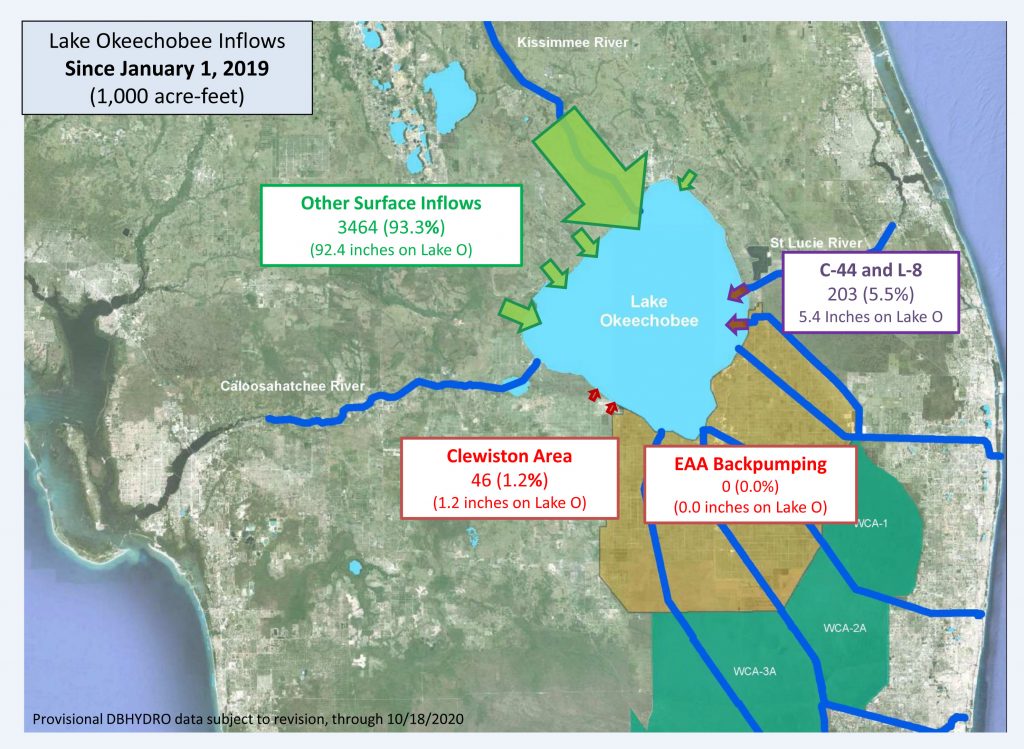
(NSF) — Measures are in place to offset potential blue-green algae blooms after the U.S. Army Corps of Engineers started Wednesday to schedule water releases from lower Lake Okeechobee, according to the state Department of Environmental Protection.
A news release late Wednesday said the department and the South Florida Water Management District are prepared to use “innovative technology” if needed and noted that algae bloom conditions on the lake have improved in recent weeks. “Harmful algal blooms have a debilitating effect on our ecosystems and our communities,” Gov. Ron DeSantis said in a prepared statement. “That is why, for the first time, I made it a priority to secure dedicated funding to deploy innovative technology to mitigate blue-green algae blooms.”
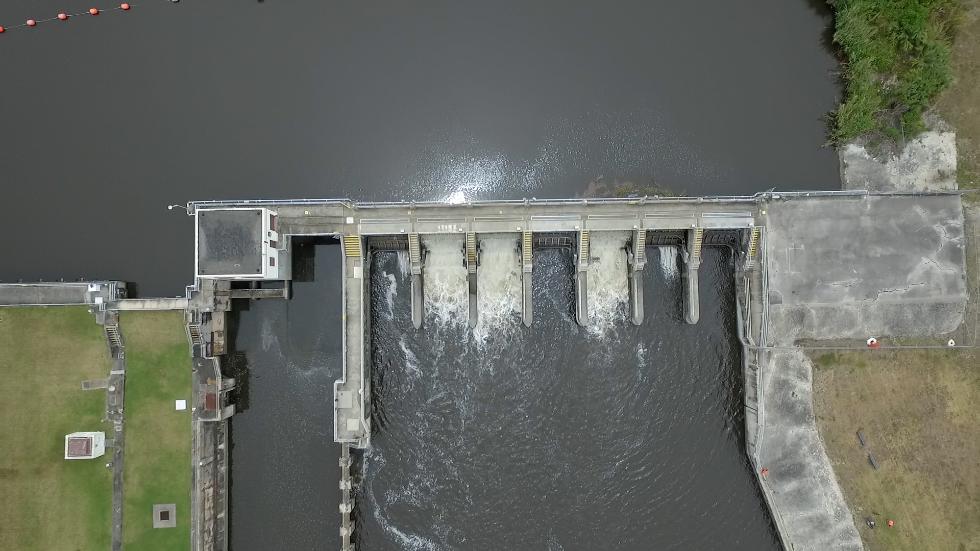
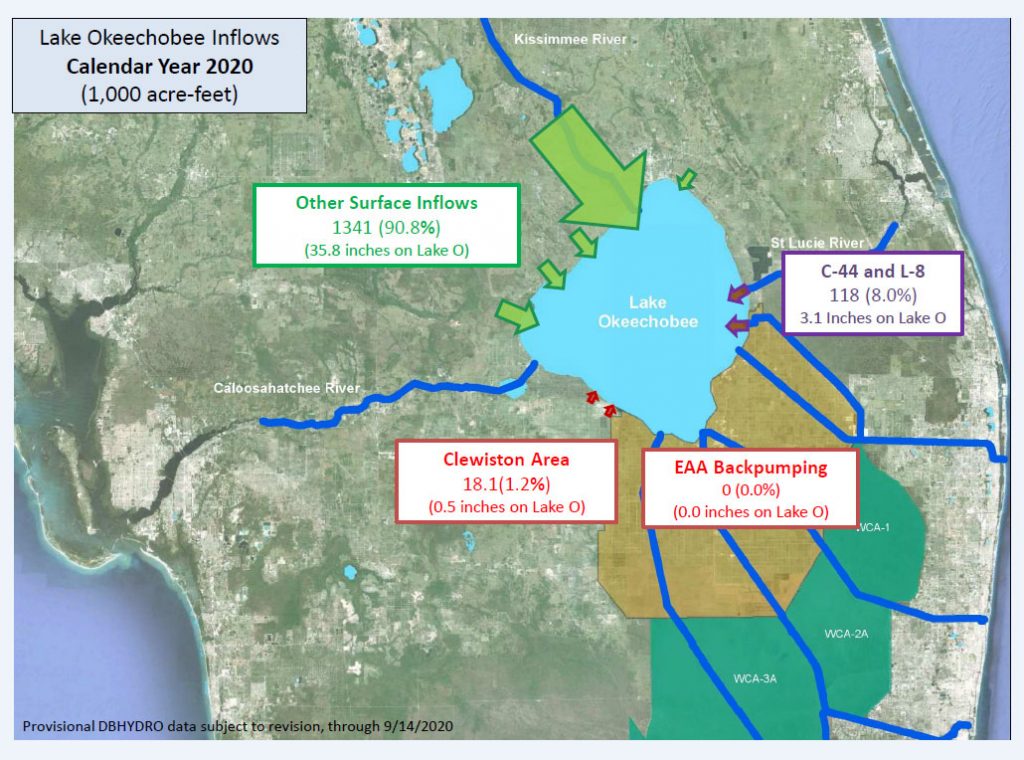
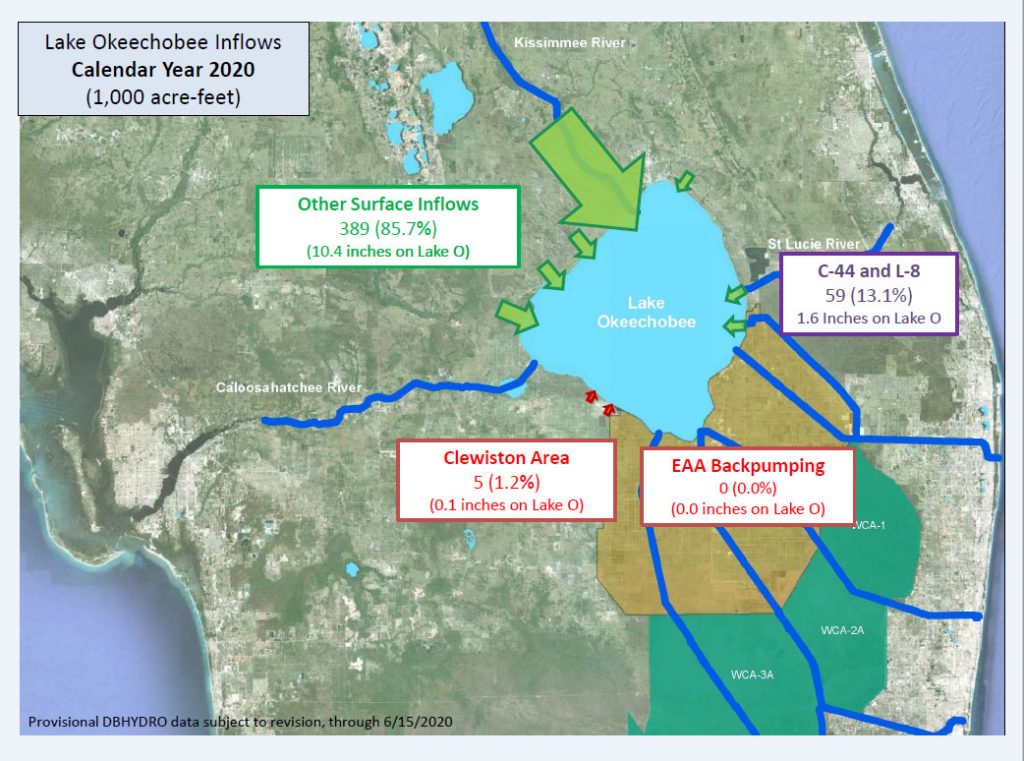
On Wednesday, the U.S. Army Corps of Engineers Jacksonville District announced it would start releasing water from the lake as heavy inflows from Central Florida and rains across South Florida have caused the lake to reach 16.21 feet, a 1.33 foot increase over the past 30 days, while six weeks remain in hurricane season. The water releases will go through the Moore Haven Lock and Dam on the southwest part of the lake, and the St. Lucie Lock near Stuart. Such releases are closely watched because of harmful algae blooms that have occurred in the past in waterways to the east and west of the lake.
The releases will be evaluated weekly and adjusted as conditions evolve, the Army Corps said. “We haven’t made large volume releases from Lake Okeechobee since March 2019, but the rapid rise in the lake level combined with an already active hurricane season that lasts until Nov. 30 has left us with no options in ensuring the safety of those living and working around the Herbert Hoover Dike,” Col. Andrew Kelly, Jacksonville District commander, said in a statement.
The state allocated $10 million in both the current budget and in the 2019-2020 budget to invest in technologies to detect and combat algae blooms.
The U.S. Supreme Court on Monday indicated it will hear oral arguments in the long-running water battle between Florida and Georgia but did not specify when. The court issued an order that said the dispute is “set for oral argument in due course.”
The case involves divvying up water in the Apalachicola-Chattahoochee-Flint river system, which stretches from northern Georgia to Apalachicola Bay in Franklin County. Florida contends that Georgia uses too much water from the system, in part damaging a critical Apalachicola Bay oyster fishery.
Florida is seeking an order that could lead to more water flowing south, but Georgia disputes that its water use has caused damage in Florida.
A special master appointed by the Supreme Court sided with Georgia in December, but justices will have final say. Florida filed the lawsuit in 2013, though the two states have fought for decades about water in the river system.
Emran Ali, Owen Hudson, Justin Hand, and Sumyya Waliullah
Georgia ranks among the top three states in the nation in vegetable production. One of the most serious diseases in vegetable production in Georgia is Phytophthora blight, caused by the oomycete pathogen Phytophthora capsici. It is a water mold that attacks the roots, foliage, and fruit, causing root rot, crown rot, leaf lesions, fruit rot, and plant wilt (Fig.1). The disease affects peppers, squash, watermelon, cucumber, cantaloupe, and other vegetable crops.
Fig. 1 Example of watermelon fruit rot caused by Phytophthora capsici (Photo credit: Dr. Pingsheng Ji)
The continuous rainfall in Georgia makes Phytophthora blight a widespread problem on vegetables. Because this pathogen produces spores (sporangia and zoospores) on the surface of diseased plant tissues, the spores can be easily washed out by splashing rain and can contaminate nearby irrigation sources like irrigation ponds or lakes.
Previous studies indicated that this pathogen can survive in irrigation water that may serve as an inoculum source. Due to a lack of efficient diagnosis systems, the production of vegetables is severely impacted by contaminated irrigation water.
Detection of P. capsici in irrigation water is difficult using traditional culture-based methods because of other microorganisms present in the environment, such as Pythium spp., which usually overgrow on culture media making P. capsici undetectable. To detect the presence of P. capsici spores in water sources (irrigation ponds, runoff, etc.), we developed a hand pump-based filter paper (8-10 µm) method that captured zoospores and was used to amplify DNA of the pathogen through a novel loop-mediated isothermal amplification (LAMP) assay designed for specific amplification of P. capsici (Fig. 2).
This method amplified and detected DNA from a concentration as low as 1.2 x zoospores/ml, which was 40 times more sensitive than conventional PCR. No cross-amplification was obtained when closely related species were tested.
Fig. 2: Pictures showing the sampling and processing of recycled water for the detection of Phytophthora capsici in the field.
To validate our detection protocol, water samples from the field where P. capsici was suspected to be present was taken to test the designed method with a practical scenario. Out of the seven farms tested, three were positive for the presence of P. capsici using our hand pump filter paper-based LAMP assay. Only one farm was positive when using the conventional PCR assay (Table 1), showing LAMP to be a more sensitive assay for this method of testing irrigation water.
Table 1. Detection of irrigation water from Southern GA
Pond name
County, State
Target crops
Filter paper-based LAMP detection
PCR Detection
History of Disease (Y/N)
P1
Tift, GA
Vegetables
+
-
N
P2
Tift, GA
Vegetables
–
–
N
P3
Tift, GA
Vegetables
–
–
N
P4
Tift, GA
Vegetables
+
+
N
P5
Tift, GA
Vegetables
–
–
N
P6
Tift, GA
Vegetables
+
–
N
P7
Tift, GA
Vegetables
–
–
N
This improved detection method will enable researchers and extension agents to directly utilize the protocol described here to detect P. capsici. spores from a water source in less than two hours. We hope that this will lead to an increase in awareness of using pond water as an irrigation source which will eventually improve disease management of P. capsici, reduce production cost and increase crop yield. This protocol could be adapted to other pathogens that reside, accumulate, or are dispersed in contaminated irrigation systems.
Moving forward, growers should have their irrigation sources like ponds tested for the presence of P. capsici. The Plant Molecular Diagnostic Laboratory, a lab service of the University of Georgia Department of Plant Pathology, is now providing P. capsici testing support for vegetable growers in Georgia. The clinic can accept water samples (generally 2 L water samples per site) to test for the presence of P. capsici. The tests currently available, their pricing, a submission form, and submission information are available at the MDL web page at https://site.caes.uga.edu/alimdl/
Again, we would highly encourage you to take advantage of this service. If you have questions or need help, please contact your local county extension agent for additional information. It would be good to communicate with the lab so that they can expect the samples on the day of arrival.