Category: Top Posts

  • Frustrated Florida Farmer Voices Mexican Imports Concerns

    By Clint Thompson

    COVID-19 was a challenge of pandemic proportions for farmers this spring. Adding insult to injury were the influx of Mexican produce that undercut American producers trying to sell their own product.

    Florida vegetable farmer Sam Accursio has a potential solution.
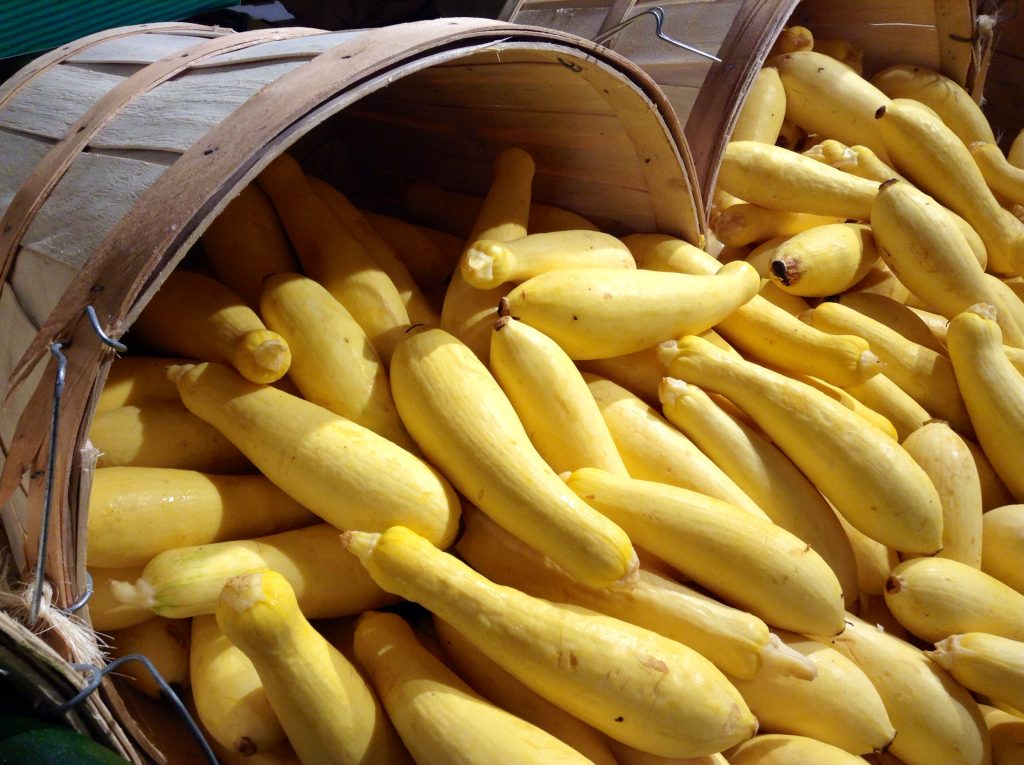
    Squash is a heavily imported commodity from Mexico.

    “The only solution I know is to vote, get the people that are like-minded and want to support our nation in office. That’s all we can do. I don’t have any other solution besides that at the moment. We have to keep lobbying,” Accursio said. “Growers, we’re very unique people. We work 100 hours per week, and that’s our problem. We’re working when all of these problems arise, and we don’t have time to go to Washington and sit down with these politicians. We have to talk to them one by one when they’re in our area coming around to us.”

    Tough Spring

    It was especially tough for Accursio this spring. Like other farmers in Florida, Accursio lost produce when the coronavirus pandemic struck in mid-March. In early April, he voiced frustrations about the impact of Mexican imports were having on American farms. He remains frustrated.

    “While we were dumping and stopping harvest, I was monitoring what they were shipping in the way of squash per day. It was 2 to 3 million pounds per day, closer to 2.7 to 3 million pounds per day coming across the Mexican-U.S. border of squashes, while I’m stopping harvest; harvesting and throwing on the ground; harvesting and sending to Farm Share,” Accursio said. “The cooler’s empty and we crank back up again. It was a trying time. Then to see Mexico still importing into our nation just seemed so wrong.”

    Things could potentially get worse as the United States-Mexico-Canada Agreement is set to enter into force on July 1.

    “While we are in season, we need some sort of protection. Right now they’re in the talking phases again. Hopefully, we’re going to have enough influence to make some changes,” Accursio said.

    According to the Florida Farm Bureau, Florida’s specialty crop producers will continue to experience loss of market share due to high volumes of dumped Mexican produce. Ag Commissioner Nikki Fried voiced her concerns, as did U.S. Secretary of Ag Sonny Perdue.

    Accursio encourages consumers to continue supporting American farmers. He can’t fathom the alternative.

    “If you take Florida and California away in the winter, what do you have? You have third-world countries feeding this great nation and I’m not going to eat it. I’m not going to do it,” Accursio said.
  • Pecan Industry Seeks to Establish a Research and Promotion Program

    georgia pecans
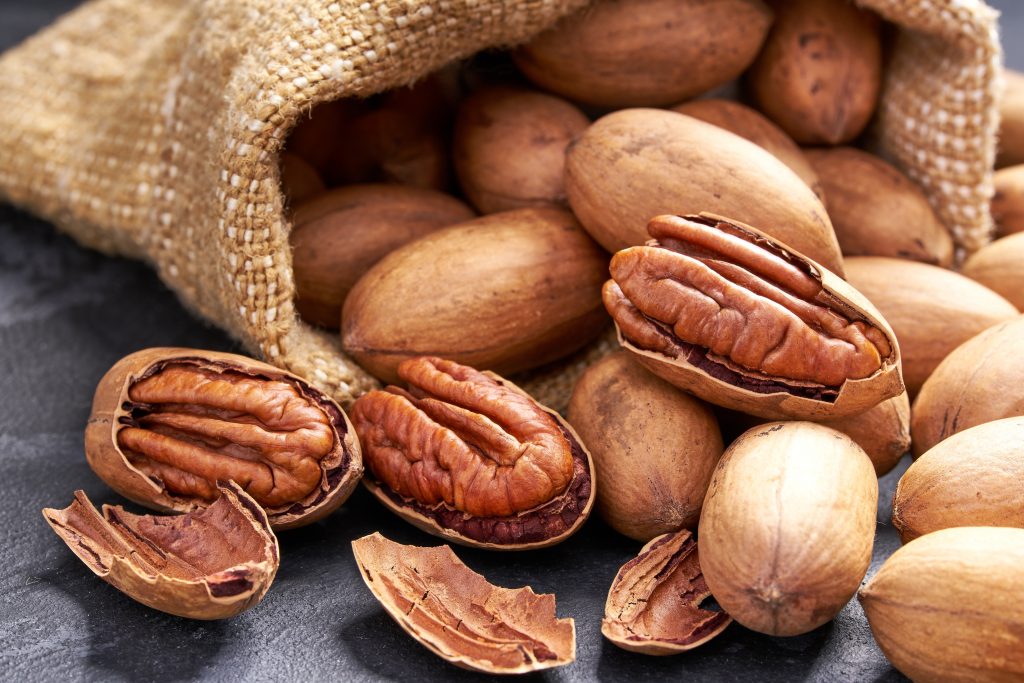
    File photo shows shelled pecans and those still in shells.

    USDA Agricultural Marketing Service

    The U.S. Department of Agriculture (USDA) received a proposal from the National Pecan Federation (NPF) requesting the establishment of a research and promotion program to strengthen the position of pecans in the marketplace, maintain and expand markets for pecans and develop new uses for pecans.

    USDA is currently analyzing the proposal. If USDA finds the request justified, the department will publish in the Federal Register a proposed rule with a public comment period seeking input from the industry and interested stakeholders. A copy of the NPF proposal can be found here.

    The proposed program would be established under the Commodity Promotion, Research and Information Act of 1996 and would be financed by an assessment on domestic producers and importers of pecans and administered by a board of industry members nominated by the industry and selected by the Secretary of Agriculture.

    The proposal by the NPF calls for an initial assessment rate of two cents per pound of inshell and four cents per pound of shelled domestic and imported pecans. Handlers would collect assessments from producers based on the pounds of pecans received and importers would pay assessments on pecans when they enter the U.S. for consumption. Domestic producers and importers of less than 50,000 pounds of inshell pecans (25,000 pounds of shelled pecans) on average for four fiscal periods would be exempt from paying assessments.

    NPF proposed that the board consist of 17 members to include producers representing different pecan-producing regions within the United States and importers of pecans.

  • Sweet Market for Melon Farmers

    UGA file photo/Shows watermelons being researched on the UGA Tifton Campus. 6–6-17

    By Clint Thompson

    Watermelon prices are holding strong for Southeast farmers, according to one South Georgia producer. Terrell Rutland believes extenuating circumstances could help extend the strong market, currently at 20 cents per pound, for growers an extra few weeks.

    “Anything north got frost bit about the first of May. Florida is through so that kind of puts us in the driver’s seat right now,” said Terrell Rutland, who grows 50 acres in Tift County, Georgia and Cook County, Georgia. “Every year, the very first people to pick in Georgia might get 20 cents, but generally, the majority of the crop is sold around 15 cents. It’s good in that respect.”

    It’s especially good for Southeast farmers since it appears their melons are the only game in town right now.

     “(The Carolinas and the Midwest) always plant three or four weeks behind us but this year they planted, go two or three weeks and the frost killed them, and they planted again. That threw them another three weeks behind. I really wouldn’t be surprised if we don’t get some imported melons to catch some slack up,” said Rutland.

    He began harvesting this year on June 4, the earliest he’s ever started.

    “When they put on, they grew. They made melons quick. It was kind of shocking, I’ve never had none to grow off that quick. About half of mine, I do put on bare ground and I put about half of them on plastic. The bare ground melons are not ready yet. The cold really affected them a lot worse than it did the ones that were on raised plastic,” Rutland said.

    Rutland expects to harvest three days per week through July 4.

    Decrease in Acreage

    Acreage is down in Georgia this year. According to Samantha Kilgore, executive director of the Georgia Watermelon Association, acreage is projected to decrease this year to 19,000 acres. It would mark a significant drop from previous years’ harvests.  According to the National Agricultural Statistics Service, from 2016-2018, Georgia averaged a harvest of just more than 23,000 acres.

    Rutland already projects additional acres next year, however.

    “It’ll probably be many folks who want to grow watermelons next year where you can’t sell them for a dime a pound. It’s the way that usually works,” Rutland said.

  • Extension’s Mobile Farmers Markets Rolling Again in Metro Atlanta

    Fulton County Extension staff and volunteers prepare to distribute produce bags through curbside pickup at a Fulton Fresh mobile market stop in Atlanta. (Photo by Molly Woo)

    By Josh Paine for UGA CAES News

    Mobile farmers markets are rolling again in metro Atlanta to continue serving fresh produce and delivering nutrition education to communities through curbside pickups and digital content.

    University of Georgia Cooperative Extension agents and staff have modified the markets to reduce contact, loading mixed bags of produce like corn, onions, squash, potatoes, tomatoes and various fruit right into vehicles for citizens in Fulton and DeKalb counties to reach areas where fresh food can be hard to find or cost-prohibitive for some families.  

    The Fulton Fresh mobile market runs from now until July 9 and again from July 14 to August 13. The new van, furnished by the county government, will make six stops a week on Tuesdays, Wednesdays and Thursdays throughout the county.

    The Fresh On DeK mobile farmers market will be held from now until September 18 and will make eight stops per week on Tuesdays, Wednesdays and Fridays.

    Both markets are open to the public, but preregistration online is preferred to assist with contactless pickup. Onsite registration is available for Fulton Fresh for citizens who are unable to register online.

    In addition to produce, the markets provide recipe cards and information about online Extension resources to educate consumers about healthy preparation methods and lifestyles.

    “The organizations we partner with are always excited to see us,” said Laurie Murrah-Hanson, a 4-H agent in Fulton County. “In the past, people really enjoyed the food demonstrations, and we still wanted to offer similar resources.”

    Fulton Fresh, which began in 2012, started a dedicated, grant-funded Kids Market program this year to disseminate smaller bags of produce with recipes and at-home science experiments for youth. Videos of farm tours will be released on social media weekly in conjunction with the mobile market.

    UGA Extension staff have also partnered with the Fulton County Library System to provide digital resource lists for students in kindergarten through 12th grade.

    “I think stronger partnerships like this are going be a benefit that comes out of the current situation,” said Murrah-Hanson, who is coordinating the Kids Market.

    Fresh on DeK, now in its sixth year of operation, has made updates to the market in sourcing and delivery by switching to a free pickup system rather than a walk-up, fee-based model.

    “This year, we’re also partnering with a nonprofit called Global Growers to source culturally relevant food for our Clarkston community, which is one of the most diverse parts of the county,” Jamille Hawkins, a Family and Consumer Sciences agent and coordinator of the market.  

    The mobile markets are an office-wide endeavor across Extension program areas, and support for the programs comes from county governments. Fresh on DeK was made possible with additional funding from the Centers for Disease Control and Prevention and the DeKalb County Board of Health.

    For more information about Fulton Fresh and to preregister, visit extension.uga.edu/county-offices/fulton/fulton-fresh and follow on Facebook at facebook.com/UGAExtensionFultonCounty.

    Connect with Fresh on Dek by visiting extension.uga.edu/county-offices/dekalb/fresh-on-dek, following on Facebook at facebook.com/FreshonDeK or calling 404-298-4080.  

  • USDA Trade Mitigation Purchases to Feed People in Need and Aid American Farmers Surpass $2B

    WASHINGTON, D.C. – The U.S. Department of Agriculture (USDA) announced today that it has purchased more than $2.2 billion of meat, fruits, vegetables, specialty crops and dairy products in fiscal years 2019 and 2020 in its ongoing efforts to feed people in need and assist American farmers and ranchers suffering from damage due to unjustified trade retaliation by foreign nations.

    Perdue

    USDA is on target to reach its fiscal year goal of about $1.4 billion of trade mitigation purchases in the next phase of fiscal year purchasing, which ends Sept. 30. The purchases were made through the Food Purchase and Distribution Program (FDPD), one of USDA’s three programs in its Support Packages for Farmers. Most of the food purchased is provided to states for distribution to nutrition assistance programs such as The Emergency Food Assistance Program and child nutrition programs.

    “Over the past two years, USDA has issued more than $2 billion in payments to American farmers, ranchers and producers for U.S.-grown food that is used to help Americans in need,” said U.S. Secretary of Agriculture Sonny Perdue. “Early on, President Trump instructed USDA to make sure our farmers did not bear the brunt of unfair retailiatory tariffs. Our farmers work hard and the most productive in the world, and we crafted the FPDP to help protect them. The FPDP represents just one of the many ways USDA is working hard to fulfill its mission to do right and feed everyone.”

  • N.C. State Specialist: Best Strawberry Season Ever

    florida
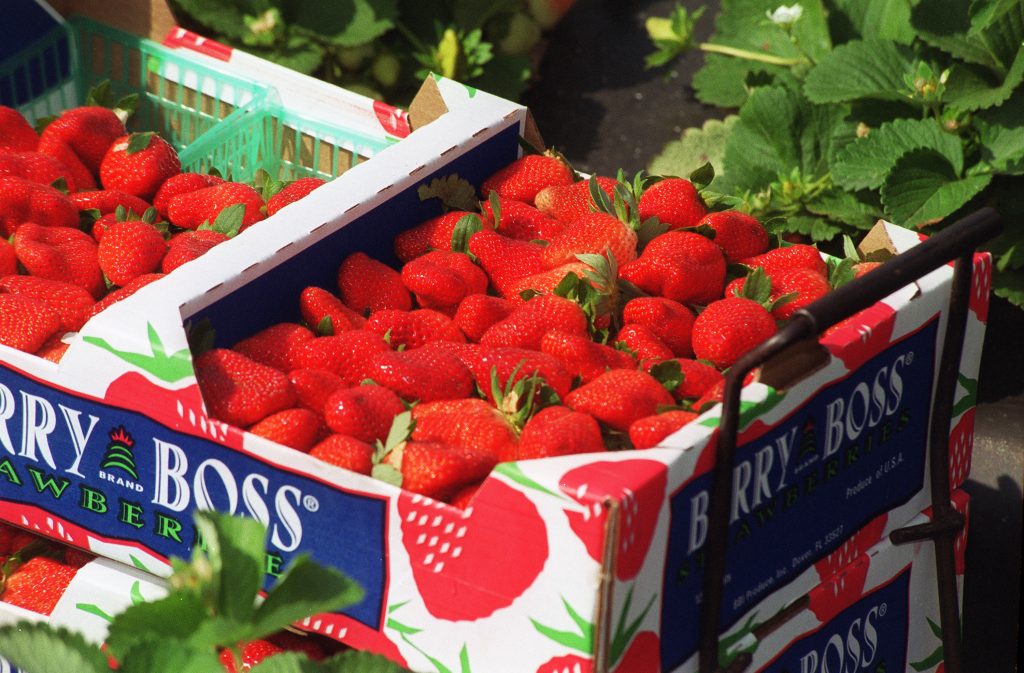
    File photo shows strawberries harvested and packaged.

    By Clint Thompson

    Mark Hoffmann, North Carolina State small fruits Extension specialist, had high praise for this year’s strawberry crop.

    Mark Hoffmann

    “This is the best strawberry season ever in North Carolina. I’ve only been here for three years but that’s what all people are telling me; they’ve never had such a good strawberry season,” Hoffmann said.

    It appears a relatively mild spring, absent of major frost events, helped growers prolong this year’s growing season. Hoffmann estimated that last week should have wound up the state’s harvest.

    “We got lucky. With the exception of late April and the one frost event in May, we didn’t have a lot of really cold events. We had one time where we had a lot of snow but that was there just for one day. I think that was in late February, early March,” Hoffmann said. “After that, we went through three frost events, which is very unusual. We usually have much more than that.”

    Hoffmann Sensed Bumper Crop

    Hoffmann sensed a couple of months ago that North Carolina farmers were ready to experience a bumper crop, if the weather held up.

    “Some people had a very mild winter. If you put some row covers on your berries, you had like pretty early bloom. We actually had bloom on the berries in January. If you kept those blooms and kept row covers over the berries and plants, you would start picking in February,” Hoffmann said.

    Prices also remained strong. Growers benefited from consumers wanting to buy local.

    “If you sell in a farm stand or sell on a farmer’s market, consumers tend to pay more than they would in the grocery store because it’s local and we grow different cultivars here; the flavor is different,” Hoffmann said.

    Hoffmann estimates that strawberries in North Carolina generates $26 million per year, which makes it the third largest in the country behind California and Florida.

    For more information about strawberry production in North Carolina, see N.C. State strawberry website.

  • UF/IFAS Faculty to Host Webinar Series for Agriculture and Natural Resource Professionals

    By: Jarred Shellhouse, 352-273-2599, jshellhouse@ufl.edu

    GAINESVILLE, Fla. — A new webinar series, focused on professional development for agriculture and natural resources professionals during a global pandemic, is set to take place this summer.

    Megan Stein, agricultural education and communication lecturer at the University of Florida’s Institute of Food and Agricultural Sciences, will lead the series.

    Megan Stein

    “Our industry groups in agriculture and natural resources have adapted to a lot of change recently,” Stein said. “We are hoping to connect meaningful content about organizational change, resiliency and digital business meetings to help these groups continue to move forward.”

    Starting Thursday, June 18, the six-webinar series is set for every Thursday at 11 a.m. Eastern. The following topics will be presented:

    • June 18. Conducting Digital Business. Led by Anne Schwartz, leadership programs coordinator for the Wedgworth Leadership Institute for Agriculture and Natural Resources, this webinar will focus on technology, tools and tips to help transition formal business meetings into a digital space.
    • June 25. Leading Organizational Change. Conducted by Nicole Stedman, professor of agricultural leadership in the UF/IFAS department of agricultural education and communication, this webinar helps participants understand change concepts and learn to leverage them to create change from within the organization.
    • July 2. Developing Personal Resilience. Facilitated by Ed Osborne, professor of agricultural education in the UF/IFAS department of agricultural education and communication, this webinar will help participants identify elements of resilience and cultivate a growth mindset to develop levels of personal resilience.
    • July 9. Panel on Rural Mental Health. Through this webinar panel, participants will gain a better understanding of rural mental health disparities, strategies to recognize a person in crisis and resources to address mental health concerns. Heidi Radunovich, associate professor in the UF/IFAS department of family, youth, and community sciences; Angie Lindsey, assistant professor in the UF/IFAS department of family, youth, and community sciences; and Marshal Sewell, territory sales manager for Bayer, will lead the panel discussion.
    • July 16. Tolerating Ambiguity: Being Comfortable being Uncomfortable. Led by Cecilia Suarez, assistant professor of agricultural leadership and intercultural communication, this webinar will focus on how to lead despite ambiguity and leveraging personal attributes to increase effectiveness.
    • July 23. Navigating Generational Differences. Facilitated by Stein, this final session will help participants identify methods to better work with others between generations. Additionally, the session will explain some ways in which the pandemic has brought understanding in bridging the gap between generations’ preferred working styles.

    “These topics were selected because they are important for ANR industry professionals, but are sometimes avoided in conversation,” said Stein. “We want our industry to feel more comfortable working in digital spaces, while acknowledging mental health disparities, and work with others to lead their organization into the ‘new normal.’”

    All webinars will be delivered at no cost to participants using Zoom, a video conferencing software. Interested individuals should register online to receive the login information. For more information regarding this webinar series, contact Megan Stein at mstein17@ufl.edu.

  • UF/IFAS sees success

    Florida House Representative Randy Fine meets with UF/IFAS leaders, including Dean of Extension Nick Place, Director of Governmental Affairs Mary Ann Hooks and Associate Vice President Jeanna Mastrodicasa to discuss budget requests during the 2020 legislative session.

    By Mary Ann Hooks

    After several disappointing budget years, the 2020 legislative session will go on record as one of the most successful for the University of Florida Institute of Food and Agricultural Sciences (UF/IFAS). The UF/IFAS priority this year was to increase our base budget. We submitted an appropriation request for a workload increase to make up for losses over recent years and fill critical positions in research and Extension. 

    Budget conference negotiations were the traditional UF/IFAS rollercoaster as we were down, then up, then down and then up in a really big way.

    Negotiations were delayed as the struggle to make sure money was available to offset the expected economic impacts of COVID-19 was added to the other outstanding budget issues. 

    The late nights and lost weekend paid off. At midnight on Friday, March 13, the House offered a total of $2,586,078 for workload and the Senate accepted the offer. On Saturday afternoon, during the final Conference Committee meeting, an additional $1,213,922 was added to workload, meeting our initial request and bringing us a total of $3.8 million.

    In addition, a bill that regulates, conforms and adds new specialty licenses plates and deletes under-performing plates included a Florida 4-H tag. This will provide some additional funding for the 4-H program.

    Also, to our great relief, the House accepted the Senate position to maintain full funding for the quarantine facility that establishes biological controls for invasive species in Fort Pierce and for the statewide Lake Watch program. Both programs had been written out of the House budget bill.

    The Legislature included $300 million in the $93.2 billion budget to provide for the resulting economic losses due to the COVID-19 virus. In addition, given the state’s heavy reliance on tourism, it included $3.9 billion in reserve funding, in expectation of a loss of revenues. At this point, there is no way to know if that will be adequate to make up for losses, even with the addition of federal emergency funds.

    We don’t expect the budget to be finalized until June, as the impacts to the economy are still a moving target. Gov. DeSantis and the Legislature are waiting to see how things play out so state economic and budget experts will have more information to base revenue estimates.

    We are working closely with the governor’s staff to provide information on UF/IFAS statewide work and how through the pandemic, our service continues to support the agriculture and natural resources industry. Budget vetoes are going to be different than they would have been a month ago and are yet to be determined. We don’t know what that will mean to our budget, but what we do know is that everyone will be impacted. 

    These are interesting times indeed.

    Mary Ann Hooks is director of UF/IFAS governmental affairs

  • Georgia Farmers Want Additional Commodities added to CFAP

    By Clint Thompson

    The Coronavirus Food Assistance Program (CFAP) excludes 90% of Georgia’s specialty crop growers with its timeline restrictions of January 1 to April 15. Georgia Fruit and Vegetable Association Executive Director Charles Hall hopes additional commodities added to the list covered under CFAP will aid Georgia growers.

    Kale is one of the commodities that Georgia farmers want added to CFAP.

    “We are looking at commodities in Georgia that didn’t get into the commodity list,” Hall said. “We’re trying to determine what data we need to provide to USDA to get those listed. Primarily, it is within the greens area; kale, mustard, collards, turnips, and we’ve got a couple of growers we found that had some specialty lettuce for the Atlanta restaurant market. We’re looking at those commodities, too.”

    CFAP Background

    CFAP applications will be accepted through Aug. 28. There is a Notice of Funding Availability (NOFA) where stakeholders and producers of other commodities can submit information and data for consideration to be included in the program. These must be submitted by June 22. This is specifically for data on any commodity not currently eligible for CFAP.

    CFAP will benefit mostly Florida farmers who have had to overcome produce loss and low market prices as a result of the coronavirus pandemic striking the U.S. in mid-March.

    In a previous VSCNews story, Hall was hopeful that Congress would pass another stimulus package and that his growers would be sufficiently covered. It would provide a boost to farmers as the economy tries to recover from the current recession.

    “The bill that passed the House would cover Georgia specialty crop growers because it covered the first two quarters of the year. Most of our growers’ harvest will be through the end of June. That will be helpful from that standpoint,” Hall said.

  • Clemson Extension Agents Provide Updates on Various Crops

    According to this week’s edition of The South Carolina Grower, Clemson Extension agents responded how different crops are progressing this production season.

    Coastal

    Zack Snipes reports, “It’s the time of year when crops are starting to look ugly. We are in the middle of tomato harvest and it seems to be a pretty good crop this year. Bacterial spot is starting to spread up the plants due to a heavy fruit set, perfect weather, the inability to spray, and constant handling by pickers. Keep up with spray programs as the last few weeks of development are critical to size and taste. Rabbiteye blueberries are coming in strong right now and look really good with the occasional berry having Exobasidum. Stink bug pressure has been very high this year and I’m seeing damage on a multitude of crops.”

    Rob Last reports, “In our area, we are seeing some good quality watermelons and cantaloupes coming to harvest. We are seeing some manganese toxicity related to low pH in both crops. Also given the sporadic storms we have seen leaf potassium levels have been lower than ideal. It would be recommended to monitor tissue nutrient levels and adjust fertilizer applications accordingly.”

    Midlands

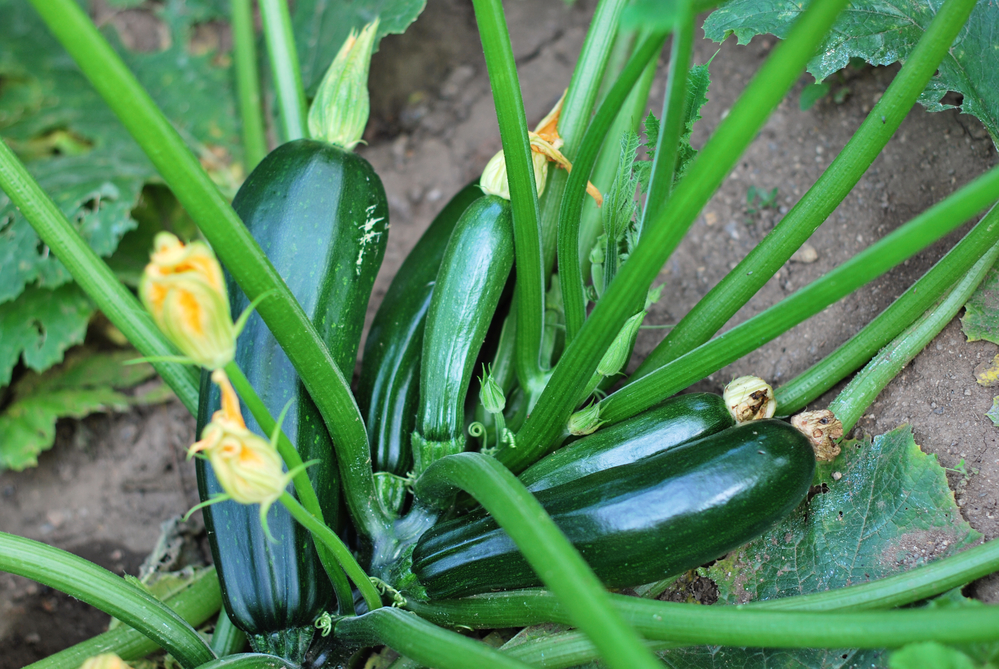
    File photo shows zucchini plants.

    Justin Ballew reports, “We got a little much-needed rain last week. Crops are developing quickly and growers have started harvesting the oldest planted sweet corn as well as squash, zucchini, cucumbers, beans, and what’s left of spring brassicas. Cucurbit downy mildew has not yet been found in the midlands, but it probably won’t be long. Keep applying preventative fungicides.”

    Sarah Scott reports, “Peach season is in full swing. Bacteriosis and brown rot continue to show up in many fields. Warm temperatures during an extended bloom period as well as rain and cold at critical times in the early season are likely the culprits for these issues.”

    Pee Dee

    Bruce McLean reports, “Cucumbers are being harvested in good numbers. Squash and zucchini yields are increasing. Sweet corn will be ready to begin harvest in a few days. Disease pressure is increasing in cucumbers, primarily Cucurbit Downy Mildew (CDM). CDM has caused significant damage and severely reduced the crop in two locations. Forecasted rains for the next 7-10 days will make it extremely difficult to spray fungicides (as well as applying insecticides, herbicides, and fertilizer). Fruit crops are being negatively impacted by the weather, as well. Reduced fruit quality is caused by increased disease pressure and wet field conditions. And, the forecast over the next 7-10 days is for more rain.”

    Tony Melton reports, “Cucurbit downy mildew is increasing rapidly with the rain, glad we started spraying Ranman or Orondis 2 weeks ago. With the rain, ponds have returned to our fields. As one of my vegetable farmers said “Not a good year to be in the Pee Dee vegetable business.” Hundreds of acres of beans, squash, cucurbits, and peas have drowned. Farmers are probably tired of me saying “Potassium Phosphide will help.” Regretfully, on brassicas, the yellowed margined beetle has become established in the Pee Dee, and downy mildew is awful. However, sweet potatoes are growing like a weed (its close kin morning glories).”