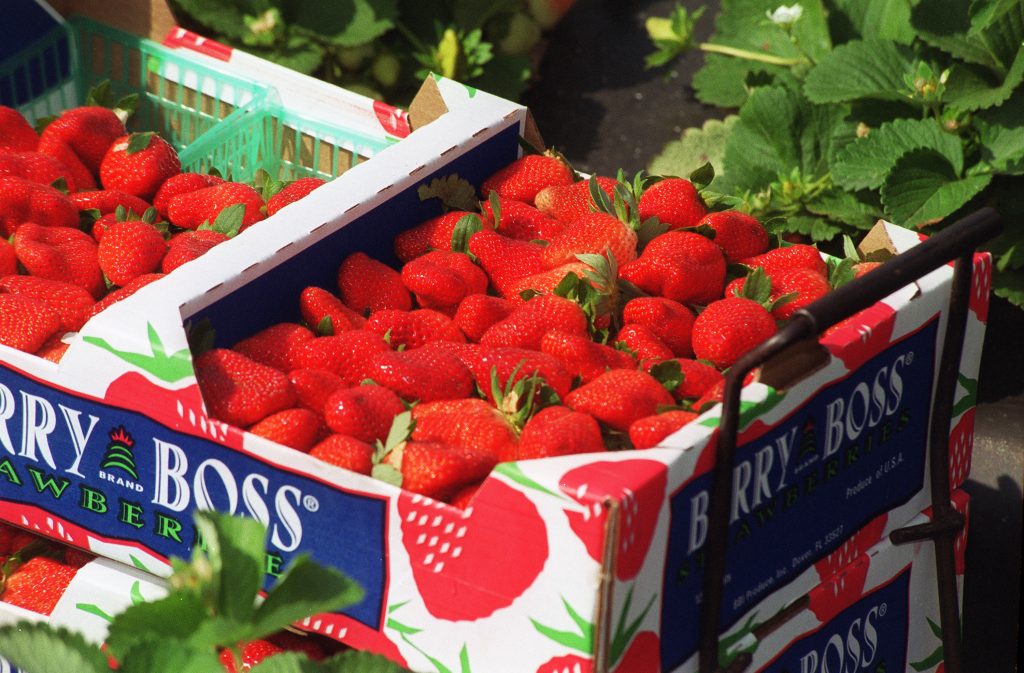
File photo shows strawberries just harvested and packaged.
Georgia strawberry producers need to monitor their plants for Neopestalotiopsis Fruit Rot. It has already caused problems for Florida farmers and nurseries in North Carolina where many Georgia farmers get their plugs from.
“(Georgia producers) should be aware of it. We had a meeting on it again,” said University of Georgia plant pathologist Phil Brannen.
“It has been found in Florida again. Some of the growers down there are ripping up a lot of strawberries and trying to replant with fresh plugs, because they got it in and don’t want to take a chance. It’s causing issues there. Even in the northeast, some people have gotten in plugs up there that have it and the same thing, they’re just destroying those plugs. They don’t want to take a chance.”
Symptoms
According to Strawberry News, Brannen referred strawberry farmers to research done by University of Florida scientist Natalia Peres. Symptoms below ground were darkening of the roots and orange-brown necrosis in the crowns, which leads to stunting or poor establishment after transplanting. There will be stunting, wilting and necrosis of older leaves above ground, which results in collapse and death of the plant.
The common link of the outbreaks so far was the nursery source for the plants.
Not Yet Found in Georgia
“So far, we have not identified it in Georgia. We’re having other issues in our initial starting plants but it’s not that. Thankfully, everything where we have been looking for it we have not seen it or identified it yet in Georgia,” Brannen said. “I don’t know what that means. I don’t know if that means we’ve gotten lucky so far or what. But people that have been getting their plugs from certain sites in North Carolina are seeing problems.
“We know we are getting plants that could have it. But these (nurseries) are huge. We may get a block that doesn’t have it at all.”
Be Vigilant
Brannen said growers should be vigilant when receiving and inspecting strawberry plants this year. They need to work with county agents to confirm diseases that show up on young and maturing plants throughout the season.
“It’s costing the industry, even if it’s just a cleanup where it maybe an abundance of caution, people are not waiting to see what happens,” Brannen said.
Switch and thiram products are the only fungicides that provide some suppression of the disease.
One of the most fundamental practices regarding vegetable production is the implementation of crop rotation.
Joe Kemble, Alabama Extension vegetable specialist, said crop rotation is a basic practice that is beneficial for any crop that’s grown.
“Unfortunately in the south, we rarely have a break in season; a hard freeze and things like that which can help lower pest pressure. Crop rotation really becomes key in terms of helping to at least reduce that load, putting a non-host crop out there to hopefully decrease whatever organism you’re concerned about,” Kemble said.
“We have a lot of endemic soil-borne diseases in Alabama, as well as Georgia and Southeast; nematodes, they can really be a major factor. Anything you can do to potentially reduce that, it’s beneficial.”
3 to 5 Years In Between Same Vegetable Groups
Kemble said to avoid planting the same vegetable or its relative in the same spot for at least 3 to 5 years. Vegetables that belong to the same plant family share many of the same pests and diseases. He insists the more time in between vegetables in a given field the better.
“There’s actually some pretty good evidence out there in terms of research basically showing that longer the rotation to a non-host crop the better. The evidence is pretty overwhelming saying any rotation is beneficial even if it’s a short period,” Kemble said.
Crop rotation helps replenish soil fertility and add organic matter. It provides complementary fertilization to crops in sequence with each other; such as a legume crop preceding sweet corn or tomatoes.
It also is a good practice for those who rent fields to investigate what crops have been produced in a field in previous years before planting.
Kemble Comments
“Where I see the biggest problem typically, is not always the grower’s fault, but a lot of times you may be renting land to use this year and you may not know what the history of the land was,” Kemble said.
“Honestly, most growers use rotation. Depending on the particular situation they’ve got, they recognize it as a tried and true method to help reduce some of the issues that they typically have to deal with.”
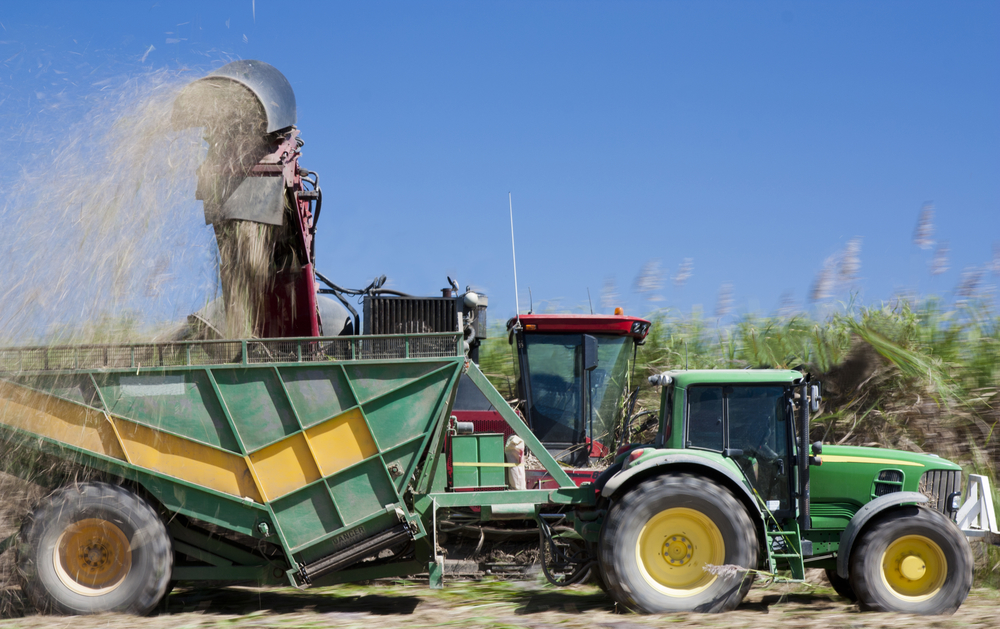
The sugarcane industry in Florida was impacted by Hurricane-turned-Tropical Storm Eta last week. Farmers like Keith Wedgworth in Belle Glade, Florida continue to feel the effects of the rain-driven storm.
As of earlier this week, Wedgworth still couldn’t get into fields to harvest his crop following Eta, which made landfall on the heels of an already wet fall.
“We were already saturated to begin with. We probably got, in those couple of days, anywhere from 5 to 8 inches. The further south you went, down to say Homestead, they were getting over a foot in that short amount of time,” Wedgworth said.
“I’m the president of our county Farm Bureau and I was talking to some growers and they’re trying to get some of their produce out now. They think they can save most of it but there’s a lot of damage done; mold, all the other disease that you get when it gets real wet, saturating rain like we received.
“It was a rain event. I wouldn’t say it was a wind event. It was a tropical storm when it came and it went a lot further south. We got a lot of rain over those 24 to 48 hours.”
Quiet Sugar Mill
With the way the sugarcane operation operates, the sugar mill is normally running every day for 24 hours per day, 7 days a week this time of year. All of the harvested sugar needs to be processed. But with producers unable to get tractors in the field because of wet, muddy conditions, it’s delayed what is sent for processing.
“Before this storm came across, we had only been back in the field for maybe 5 or 6 days. Before that we had other rain events that kept us out of the field for a week or two. When you have something like the sugar mill where we have a crop that you have to get in at a certain time, it just really delays everything,” Wedgworth said.
“When you try to start up a month ago and right now they might have only run less than two weeks out of that month timeframe, you’re losing a lot of time to get that crop in the desired time you want to get it in.”
Additional Comments from Wedgworth
“When you have all this acreage and you delay it a few weeks already this early in the season, all it’s going to do is push it back further into the springtime. The later you go into the springtime and that heat starts returning, and it’s starting to want to grow again, your sugar content goes drastically down. You want to make sure you harvest it during these cooler months.”
When sugar is not harvested in a timely fashion, it also delays the planting that producers can do with other crops they use to rotate with sugar, like corn, radishes and green beans. Not only are farmers being hurt now but also in the future.
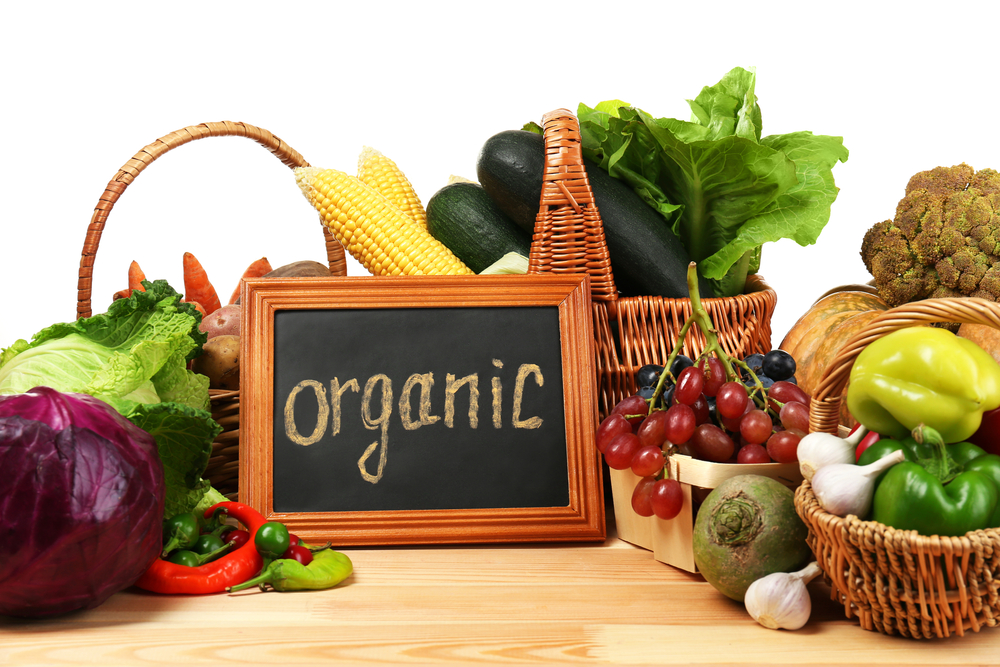
WASHINGTON, D.C. (November 16, 2020) – The American organic produce sector is big and complex. It accounts for more sales than any other organic sector, and its production regions stretch across the United States reaping a dizzying array of fruits and vegetables. The issues facing organic produce growers, processors and distributors are equally wide-ranging: food safety, labor issues, labeling/packaging issues and climate change.
Driven by the desire for the sector to collaboratively work together to address its most urgent challenges, inspired by the success of other sector councils at the Organic Trade Association, and wanting to take advantage of the association’s deep knowledge and expertise in organic, leading produce members initiated a drive earlier this year that has resulted in the trade association’s Board of Directors’ official approval to establish an Organic Produce Council.
“We whole-heartedly welcome the formation of this sector council and look forward to problem-solving and collaborating with our colleagues throughout the organic produce supply chain,” said Board member Ben Diesl of Grimmway Farms. “This council will give Organic Trade Association member companies that are involved in the organic industry an organized opportunity to benefit from the association’s expertise, to network with diverse stakeholders and to influence the overall agenda of the association. We invite other produce members to join.”
“The new Produce Council, as with all of our sector councils, will be supported by the Organic Trade Association’s expert staff,” said Laura Batcha, CEO and Executive Director of the trade association. “Our staff has deep expertise in organic standards, food safety, farm policy, government advocacy and international marketing. Today’s organic produce sector is robust and thriving, but it faces many challenges. We are thrilled that our produce members are coming together and tapping into their association’s bank of knowledge to help them deal with those challenges.”
Organic produce sales hold the top position in the U.S. marketplace. In 2019, organic fruit and vegetable sales reached $18 billion, as the category continued to be the star of the organic sector. Organic produce currently makes up almost a third of all organic food sales, and organic fruits and vegetables, including fresh, frozen, canned and dried, have now captured 15% of the total fruits and vegetable market in the U.S.
The produce sector has been profoundly tested by COVID-19 as it has struggled to keep its workers in the fields, plants and trucks safe, and at the same time meet exploding demand. Wanting to hear how the pandemic was affecting their businesses, Organic Trade Association’s Farm Policy Director Johanna Mirenda and Diesl of Grimmway Farms earlier this year convened produce members for a COVID-19 listening session. Everything from how to keep workers safely socially distanced and maintain planting and harvesting schedules to keeping processing lines filled and store deliveries on time were discussed.
Working Together to Address Challenges
“Our members taking part in this discussion found it very valuable to connect with other of our produce members” said Mirenda, who is staff liaison for the new council. “Since then, individual members have come forward with other organic produce issues — such as food safety — that could serve as work plan projects for the new council to take on.”
The interest from members was significant enough that the trade association hosted an exploratory meeting in early September to highlight the opportunity for a new sector council among all Organic Trade Association produce members. Nearly two dozen members attended.
Produce stakeholders said that besides food safety, they are interested in working together, with the support of the trade association’s regulatory and legislative staff, to advance outcomes relating to other key issues in organic produce, such as: implementing the U.S. Department of Agriculture’s new rule on strengthening organic enforcement, guaranteeing workforce safety and availability, supporting development of organic seeds and planting stock, and identifying tools for measuring and promoting biodiversity. Establishing organic labeling and packaging best practices, adapting to and mitigating climate change and developing resources on market data and research information were also identified as key needs.
Members also indicated the following priorities for their engagement:
Amplifying the needs of the produce community within the trade association
Developing and sharing information resources among those in the organic produce industry
Learning about emerging regulatory issues that impact organic produce
Networking with other organic produce businesses across the value chain
Creating opportunities for leadership development opportunities
Sector Councils within the trade association build community among groups of like members to provide ongoing opportunities for networking, leadership development, education, information development, and sharing. They are not policy-setting groups. The trade association previously has established such entities as its Farmers Advisory Council, Dairy Council, Dietary Supplements Council, Fiber Council, Grains Council, and Retailer Council.
Initial companies signing up for this council include Ag. Valles del Sur SpA, Awe Sum Organics, Bolthouse Farms, Bridges Organic Produce, Cal-Organic/Grimmway Farms, Charlie’s Produce, Columbia Marketing International/CMI Orchards, Duncan Family Farm, Earl’s Organic Produce, Heath & Lejeune, Homegrown Organic Farms, Jacobs Farm/Del Cabo, Munger Farms, Naturesweet, Naturipe, Organically Grown Company, Organic Produce Network, Page’s Organics, Taylor Farms, Thermiculture Management, Vitalis Organic Seeds and Wholesum Family Farms.
The first meeting of the council is scheduled for Dec. 8.
Other members of the trade association in this sector are encouraged to join. The council’s membership will be diverse. The technical scope of membership for the council will be very inclusive – vegetables, fruit, mushroom, herbs, tree nuts, floriculture and other horticultural crops.
For more information on the council, contact Johanna Mirenda. The Organic Trade Association (OTA) is the membership-based business association for organic agriculture and products in North America. OTA is the leading voice for the organic trade in the United States, representing over 9,500 organic businesses across 50 states. Its members include growers, shippers, processors, certifiers, farmers’ associations, distributors, importers, exporters, consultants, retailers and others. OTA’s Board of Directors is democratically elected by its members. OTA’s mission is to promote and protect ORGANIC with a unifying voice that serves and engages its diverse members from farm to marketplace. The Organic Trade Association does not discriminate on the basis of age, disability, national origin or ancestry, race, gender, religion, sexual orientation, marital status, political affiliation or military status. Persons with disabilities who require alternate means for communication of program information can contact us at info@ota.com.
COLUMBIA – Two farm credit associations are supporting organic certification for Palmetto State farmers by supplementing a popular grant program offered by the South Carolina Department of Agriculture (SCDA).
Weathers
The Organic Certification Cost Share Program uses federal money to reimburse producers and handlers of agricultural products up to 50% of their total allowable organic certification costs, up to a maximum of $500 per certification scope. AgSouth Farm Credit, ACA and ArborOne Farm Credit, ACA have generously offered to supplement SCDA’s grant offers with additional funding, for an additional 25% of certification costs up to a maximum of $250 per certification scope.
Organic certification can help farmers and food producers find new markets and expand their customer base. The cost share grant helps alleviate some of the financial burden of certification.
“I value our partners at ArborOne and AgSouth and their support of South Carolina farmers,” said Commissioner of Agriculture Hugh Weathers. “This is a great example of cooperation that can directly improve agribusinesses’ bottom lines.”
To learn more about this new funding opportunity and other cost share reimbursement programs through SCDA, visit agriculture.sc.gov/grants.
Clemson Extension agents provided updates in The South Carolina Grower this week about the status of various crops being produced throughout the state.
Weekly Field Update – 11/9/20
Coastal
Zack Snipes reports, “It seems like we experience fall and summer in the same day this time of year. I visited a few farms and saw residual damage from whiteflies (silver leaves, virus, and stunted plants). The good news is that overall populations of whiteflies are down this week. The armyworm numbers are still high in a lot of crops, so keep an eye out for those. We have lots of good products for them, so choose something other than a group 3 or 4 insecticide. I have seen some white mold (Sclerotinia sclerotiorum) in some brassica crops this week. I have some great reports from strawberry fields and other not-so-great reports. If you have issues, please call me so we can fix them before they get out of hand.
White mold symptoms on Brussel sprout. Photo from Zack Snipes.
Midlands
Justin Ballew reports, “We had some very warm afternoons this past week. The air has been much drier as well. Young strawberries are responding well and have put out a good amount of new growth. Weak plants caused by J-rooting and deep planting are making themselves evident now. The drier air has allowed some growers to get a handle on the disease issues that have plagued us for the last few weeks. However, there is lots of warm, wet weather in the forecast, so plan your fungicide applications accordingly and rotate modes of action. Other crops are still growing well and we have folks picking tomatoes, squash, beans and various brassicas.
All the strawberry plants in this small area were J-rooted and subsequently died. Photo from Justin Ballew.
Sarah Scott reports, “Patchy frost brought an end to some fields of summer crops like squash and zucchini, however, most areas did not see damage from cold temps. Cole crops are progressing nicely, but insect populations are high this fall, including aphids and imported cabbage worms. Strawberry plants have gone in and are taking root and getting established.”
Caterpillar populations have been high around the ridge this fall. Photo from Sarah Scott.
Pee Dee
Tony Melton reports, “Getting dry. Hope we get some rain later in the week. Greens are growing very fast with warm weather. Frost burned the very tops of some crops like sweet potatoes, tomatoes and peas but did not really hurt them much. Very little grasshopper pressure for some reason this fall.”
Producers impacted by the ongoing coronavirus pandemic and qualify for the Coronavirus Food Assistance Program (CFAP) 2 still have time to submit their applications. The deadline is Dec. 11. It is open to growers of specialty crops, including fruits, vegetables, tree nuts, honey, horticulture and maple sap.
The United States Department of Agriculture implemented this program to provide producers financial assistance who continue to face disruptions in the marketplace and other costs associated with COVID-19.
According to the USDA, CFAP 2 will provide up to $14 billion to eligible producers. All eligible commodities, payment rates and calculations can be found on farmers.gov/cfap. CFAP 2 is a separate program from the first iteration of the program (CFAP 1) and interested producers must complete a new application to be eligible for payment for CFAP 2.
As of Nov. 9, the FSA had paid more than $9.5 billion with more than 576,000 applications for CFAP 2. This followed the more than $10.3 billion paid through CFAP 1.
Those growers interested in filling out a CFAP 2 application can meet with staff at their local Farm Service Agency (FSA). Producers interested in one-on-one support with the CFAP 2 application can also call 877-508-8364 to speak directly with a USDA employee ready to offer assistance at our call center. Visit ww.farmers.gov/cfap for additional information on Coronavirus Food Assistance Program 2, other eligible commodities, CFAP 2 eligibility, payment limitations and structure and how to apply.
Fresh produce coming into the United States is receiving increased scrutiny from the Trump Administration. Imported strawberries are now on the list of imported items that the administration wants investigated for possibly harming U.S. fruit and vegetable growers. Strawberry imports, mainly from Mexico, represent about 16% of the U.S. market, valued at approximately $2.5 billion every year.
Gro-Intelligence Dot Com says if the investigation proceeds, any potential trade action could result in higher strawberry prices in the U.S. market. Officials are also requesting a probe into the imports of fresh peppers, which is the second-largest vegetable import into America.
U.S. imports of strawberries totaled 184 million tons last year, a four-fold jump since 2005. About 99% of the imports come from Mexico, where a weak peso has made exports much more competitive with domestic production. U.S. farmers, especially in the Southeastern states, say the low-priced imports are putting domestic growers at a significant disadvantage.
A similar Section 201 investigation by the U.S. International Trade Commission was recently requested for blueberry imports into the U.S.
(From the National Association of Farm Broadcasters)
Sweet onions are shown growing in Tifton, Georgia, with two types of mulch: organic (wheat straw mulch) on the left and inorganic (plastic mulch film) on the right.
By Juan Carlos Díaz-Pérez
For centuries, horticulturists have modified the crop microenvironment to extend the production season and enhance crop growth, yield and quality. Some of the techniques to achieve environmental modification include the use of mulches, high tunnels, greenhouses, etc.
Mulches are widely used in both conventional and organic vegetable production. According to Wikipedia, “a mulch is a layer of material applied to the surface of soil with the goal of conserving soil moisture, improving fertility and health of the soil, and reducing weed growth.”
Mulch may be organic (straw, leaves, cover crop residue, newspaper, wood chips, etc.) or inorganic, such as plastic film. Mulch effects on crops may vary depending on different factors.
Factors affecting organic mulches include source of organic material (plant or animal), size of the particle, thickness of the mulch (amount applied) and age of the material. Factors affecting plastic mulch films include color, thickness, composition and permeability.
In a vegetable crop field, soil water may be: 1) evaporated from the soil, 2) evaporated from the surface of the leaves of the crop, in a process called transpiration, 3) lost from surface runoff or 4) lost by percolation. In this article, we will focus on ways to improve soil water conservation.
SOIL WATER EVAPORATION
Both organic mulches and plastic mulch films act as barriers to water evaporation from the soil. These two types of mulches differ, however, in how they diminish soil water evaporation.
In bare soil, water tends to evaporate from the soil. Soil water evaporation is proportional to the evaporative demand. Evaporation increases with increasing air and soil temperatures and decreasing relative humidity. The rate of soil water evaporation also decreases as the soil water content decreases.
According to the Food and Agriculture Organization of the United Nations, organic mulches may reduce soil water evaporation from 40 to 90 percent relative to bare soil. A thickness of 2 to 4 inches is effective in reducing evaporation. Soil evaporation tends to decrease with decreasing particle size of organic residues.
Plastic mulch films are, in general, more effective in reducing soil water evaporation compared to organic mulches. Plastic mulch films differ in permeability to gases due to differences in film composition. For example, virtually impermeable film and totally impermeable film provide greater fumigant retention compared to low-density and high-density polyethylene film. With respect to soil evaporation, however, all plastic mulch films seem to be effective in conserving soil moisture.
Physical damage or deterioration decrease the effectiveness of a plastic film to reduce soil water evaporation. Biodegradable mulches may be more prone to rapid deterioration compared to plastic mulch films.
RAINFALL PENETRATION INTO SOIL
Water-use efficiency increases when the crop uses rainfall water. Although organic mulches reduce soil evaporation, they allow for water penetration to the soil after a rainfall event. In fact, by reducing water flow through the soil surface and improving soil structure, organic mulches improve the water penetration to the soil and reduce soil runoff compared to bare soil.
In contrast to organic mulches, plastic mulch films are impermeable to liquid water. Thus, they do not allow rainfall water penetration into the soil covered by the film. Rainwater that reaches the plastic film flows to the soil area between the beds and may result in soil runoff and soil erosion.
In conclusion, both organic mulches and plastic mulch films are useful tools that help growers conserve soil moisture and increase irrigation efficiency.
University of Georgia photo shows effect of downy mildew disease.
A wet 2020 has had Alabama vegetable and specialty crop producers fending off plant diseases. Even before the state encountered a couple of hurricanes, including Sally in mid-September and Zeta in late October, it had already received its share of rainfall.
Not surprisingly, the excess moisture led to numerous plant diseases, according to Ed Sikora, professor and Extension plant pathologist in the Department of Entomology and Plant Pathology at Auburn University.
Sikora Comments
“We saw quite a bit of gummy stem blight on watermelons. We also saw downy (mildew) and anthracnose on things like cucumbers as well as pumpkins,” Sikora said.
“I think most of the established growers realize that when it’s wet conditions like we had this summer, that they’re going to see more disease problems. Or they see the disease problems and realize it’s so wet, and sometimes they can’t get out to spray. Sometimes it’s too wet to spray after a storm and they can’t into the fields.”
It can be challenging for farmers to get back in the field to apply much-needed fungicides to manage any potential plant diseases following a storm.
Be Prepared
Sikora encourages producers to monitor upcoming weather conditions and apply fungicide sprays. Do this before a storm hits or before conditions become favorable for disease development.
“Don’t wait until the third of the canopy is gone due to disease before you start spraying because it’s usually a lost cause by then. Growers need to anticipate the weather conditions and what diseases they’ve historically had in their fields,” Sikora said.
“Newer growers, though, are sideswiped by these diseases because they just haven’t seen them. They get a year like this year where they’ve had adequate moisture and they’re happy. Suddenly some of these plant diseases take off on them. They don’t know what it is before they even think about spraying for them.”