Category: Top Posts

  • Students Awarded Campus Sustainability Grants

    A UGA student campus sustainability grant will provide funds to install regionally appropriate fruiting trees and shrubs near Lake Herrick to provide experiential learning, on-site education and long-term fruit foraging opportunities for students and visitors.

    By Josh Paine, UGA CAES News

    A University of Georgia student-led project hopes to produce fruitful results with an edible landscape near Lake Herrick.

    One of 13 annual Campus Sustainability Grants recently awarded to UGA students by the Office of Sustainability, the UGA Edible Landscape Project —led by College of Agricultural and Environmental Sciences (CAES) student Abbie Dillon  — will install regionally appropriate fruiting trees and shrubs near Lake Herrick to provide experiential learning, on-site education and long-term fruit foraging opportunities for students and visitors.

    “Edible landscaping is a fun yet impactful way to bring people closer to plants and the environment as well as allow easier access to free and nutritious food,” said Dillon, a horticulture major who serves as the urban agriculture intern with the Office of Sustainability. “They are super beneficial for pollinators and small wildlife too! If we’re going to put plants in a landscape, why not use ones with delicious fruits attached?”

    The landscape plan calls for adding plums, pawpaws, persimmons, blueberries, blackberries, raspberries, figs and serviceberries. The project is under the direction of Chris Swann in the UGA Facilities Management Division Grounds Department. Project partners include the State Botanical Garden of Georgia and Sofia Franzluebbers, an undergraduate horticulture major.

    Three other grant projects were awarded to CAES students.

    Triple Impact Consulting: Sustainability Consulting for Athens Businesses was submitted by Sanisa Foungthong, an avian biology major in CAES, under the direction of Rick Watson in the Terry College of Business. The goal of the project is to provide pro bono, interdisciplinary, student-led sustainability consulting to help local businesses and organizations improve their sustainability metrics through project workstreams and the triple bottom line of people, planet and profit. Project partners include B-Local Georgia and student collaborators Anjali Sindhuvalli, Andrew Schoppenhorst and Nathan Shear.

    Swap Shop was submitted by Avery Lumsden, an undergraduate environmental economics and management major in CAES, under the direction of Tyra Byers in the Office of Sustainability. Lumsden is also the zero-waste intern for the office. The goal of the project is to reduce landfill waste and advance an equitable and circular economy in which students have opportunities to donate and freely receive supplies related to student life. Project partners include UGA Libraries, the Interdisciplinary Certificate in Sustainability, and student collaborator Jenna Franke who is pursuing undergraduate and graduate degrees in environmental economics.

    The residential Community Garden Pilot Program was submitted by Abigail Lauterbach, an undergraduate environmental economics and management student in CAES, under the direction of Chera Jo Watts in UGA Housing. The project will serve as a circular food sustainability initiative for students in the Franklin Residential College, including a compost program and garden to enhance students’ relationships with the food they consume. Project partners include the Facilities Management Division Grounds Department and Casey Serrano, an undergraduate computer science student.

    Drawn from the Student Green Fee, the sustainability grants of up to $5,000 are available to current UGA students who wish to initiate projects that advance sustainability through education, research, service and campus operations. They are awarded based on merit, positive impact, implementation feasibility and available funding.

    Learn more about UGA’s commitment to sustainability and previous grant projects at sustainability.uga.edu.
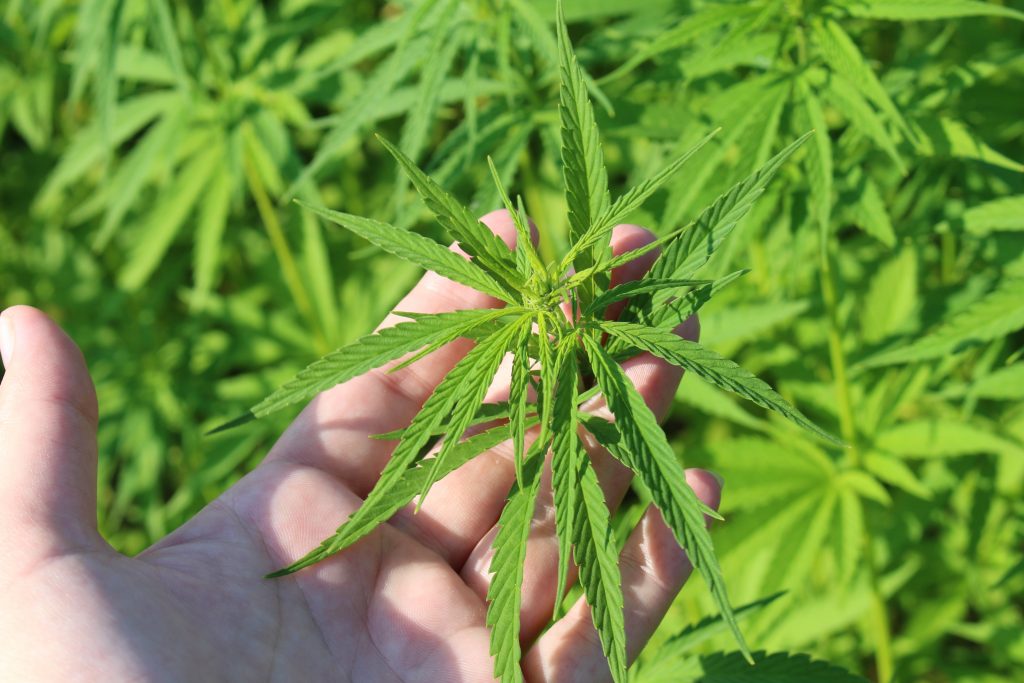
  • UF/IFAS Industrial Hemp Virtual Workshop available Jan. 11

    industrial hemp
    File photo shows industrial hemp.

    By Brad Buck

    The UF/IFAS Industrial Hemp Pilot Program is launching a virtual workshop with research and program updates, available online beginning Jan. 11 for $40. The workshop consists of a collection of pre-recorded lectures and prepared documents available for on-demand viewing.

    In addition to the virtual delivery, there are opportunities to engage with experts from UF/IFAS.

    As the two-year pilot project ends and phases into the established research program, UF/IFAS faculty will share research outcomes, on-farm trial updates and more.

    Sessions include:

    • From Pilot Project to Program, Zack Brym, assistant professor of agroecology, UF/IFAS Tropical Research and Education Center (TREC).
    • UF/IFAS Hemp Pilot Project Cultivar Approval Program, Jerry Fankhauser, assistant director of the UF/IFAS Florida Agricultural Experiment Station.
    • On-farm trial updates, featuring the UF/IFAS Hemp Extension Team.
    • Hemp physiology and management updates, featuring faculty from UF/IFAS Mid-Florida Research and Education Center and several graduate student researchers
    • Invasion risk updates, Susan Canavan, post-doctoral researcher and Luke Flory, associate professor, UF/IFAS agronomy.
    • Pest and disease updates, featuring Johan Desaeger, assistant professor of entomology and nematology, UF/IFAS Gulf Coast Research and Education Center and new website resources.
    • Insights into Building a Hemp Industry in Florida, Trent Blare, assistant professor of food and resource economics and statewide Extension specialist at the UF/IFAS TREC.

    For more information, visit the UF/IFAS Hemp Program site. To gain access to the pre-recorded workshop presentations, register online.

    Presentations will be available on demand from Jan. 11 through Nov. 1.

  • ITC Hearing a Story of David vs. Goliath

    One agricultural lobbyist believes next Tuesday’s hearing with the International Trade Commission (ITC) regarding blueberry imports is a “story of David and Goliath.”

    Bob Redding, who works for the Redding Firm and serves as a lobbyist for agricultural groups in Washington, D.C., believes the American Blueberry Growers Alliance (ABGA) has a strong case to make to the ITC against the imports of blueberries from other countries, including Mexico. But cases will also be made from groups who oppose ABGA’s position.

    Redding Comments

    Redding

    “Once the administration initiated with the ITC the Section 201 investigation, most of these blueberry countries that are blueberry exporters that have been saturating the markets during our growing season, our marketing season, they hired attorneys here and formed organizations. At least one new organization was formed to stop the 201 or to influence the 201 fight or advocate against the position of U.S. blueberry growers,” Redding said.

    “It is a story of David and Goliath. I don’t know any other way to put it. The U.S. growers have been impacted negatively. It’s become increasingly problematic as far as marketing and selling at a fair price that would allow these growers to make a profit. They don’t see how over the long run that they survive selling below what their cost of production is.”

    Final Decision Rests with the President

    Redding also cautions Southeast producers that the final decision will rest with President-Elect Joe Biden and his administration. He will make a decision based on the recommendations from the ITC.

    “We do not know their position on this. I’m sure they don’t have one yet. We have a new U.S. Trade Representative. Ambassador (Robert) Lighthizer initiated this and the administration with the ITC. We know how they felt about it,” Redding said. “We will have a confirmation process in the Senate for the new U.S. Trade Rep. Soon thereafter, we’ll start talking with the political folks in the new administration about this issue. I would think that nomination would move through prior to this case finishing up with the ITC.”

    Hearing is Necessary

    From a blueberry producer’s standpoint, Tuesday’s hearing is necessary because of the disruption in the marketplace from foreign imports.

    According to the American Blueberry Growers Alliance, the U.S. Department of Agriculture Marketing Service reported a 68% increase in imported fruit from Mexico from 2019 to 2020, amounting to more than 15 million pounds of fresh blueberries during a 14-week period. Mexico, along with Peru, Chile, Canada and Argentina account for more than 98% of total U.S. imports. Import values increased from $530 million in 2014 to $1.2 billion in 2019.

    This drastically impacts the market for producers in blueberry-producing states, including Georgia and Florida.

    ABGA’s Position

    The ABGA’s position is that American blueberry producers need protection from rising imports from foreign markets, especially during the U.S. growing and harvest season.

    “The numbers are very frightening. They just can’t continue to operate with the market being flooded like this. It just doesn’t work,” Redding said. “You look at the compliance variables that U.S. growers have to adhere to, wage rates. If you’re H-2A, you know what those rates are in the Southeast. That is an expensive program, expensive from an administrative position, running those programs and expensive from a wage rate and housing and all that’s being provided; transportation. These countries don’t have to do that.”

    American producers also have to contend with environmental variables and food safety variables; much higher standards than the countries exporting to U.S.

    “It’s about fairness. It’s about a level playing field. If our growers had the same variables, our growers know they can compete with these countries. But we’re dealing with a different set of rules. They don’t play by the same rules we do,” Redding said.

  • USDA Provides More Than $70 Million to Protect Agriculture and Natural Resources from Plant Pests and Diseases

    WASHINGTON — The U.S. Department of Agriculture (USDA) is allocating more than $70 million to support 383 projects under the Plant Protection Act’s Section 7721 program to strengthen the nation’s infrastructure for pest detection and surveillance, identification, threat mitigation, to safeguard the nursery production system and to respond to plant pest emergencies. Universities, states, federal agencies, nongovernmental organizations, nonprofits, and Tribal organizations will carry out selected projects in 49 states, the District of Columbia, Guam, and Puerto Rico. 

    “State governments, academic institutions, and other essential cooperators across the country use these USDA funds to protect American crops and natural resources and ensure the marketability of our agricultural products across the globe,” said Greg Ibach, Under Secretary for USDA’s Marketing and Regulatory Programs. 

    The fiscal year 2021 project list includes 29 projects funded through the National Clean Plant Network (NCPN). The NCPN helps our country maintain the infrastructure necessary to ensure that pathogen-free, disease-free and pest-free certified planting materials for fruit trees, grapes, berries, citrus, hops, sweet potatoes, and roses are available to U.S. specialty crop producers. 

    Since 2009, USDA has supported more than 4,400 projects and provided nearly $670 million in funding through the Plant Pest and Disease Management and Disaster Prevention Program. Collectively, these projects allow USDA and its partners to quickly detect and rapidly respond to invasive plant pests and diseases. 

    In FY 2021, funded projects include, among others: 

    • Asian giant hornet research and eradication efforts: $944,116 in Washington and other states;
    • Exotic fruit fly survey and detection: $5,575,000 in Florida and California;
    • Agriculture detector dog teams: $4,287,097 to programs in California, Florida, and nationally to support detector dog teams;
    • Honey bee and pollinator health: $1,337,819 to protect honey bees, bumble bees and other important pollinators from harmful pests;
    • Biosecurity: $1,339,183 to Texas to monitor for pests in agricultural shipments at ports of entry;
    • Stone fruit and orchard commodities: $1,158,000 to support pest detection surveys in 10 states including New York and Pennsylvania;
    • Forest pests: $876,485 for various detection tools, control methods development, or outreach to protect forests from harmful pests in 16 states, including Arkansas, Indiana, South Carolina, and New Hampshire;
    • Phytophthora ramorum (sudden oak death pathogen) and related species: $513,497 in 14 states and nationally for survey, diagnostics, mitigation, probability modeling, genetic analysis, and outreach;
    • Solanaceous plants (including the tomato commodity): $434,000 to support surveys in 13 states including Texas, Mississippi, and South Carolina. 

    USDA will use $14 million to rapidly respond to invasive pest emergencies should a pest of high economic consequence be found in the United States. In the past, USDA has used these funds to rapidly respond to pests such as grasshoppers, Mormon crickets, the Asian giant hornet, coconut rhinoceros beetle, exotic fruit flies, and the spotted lanternfly. 

    As the United States and the world recognize the International Year of Plant Health through June 2021, this funding highlights USDA’s continued commitment to safeguarding our agricultural resources for current and future generations. 

    Learn more about the Plant Protection Act, Section 7721 on the USDA Animal and Plant Health Inspection Service (APHIS) website: www.aphis.usda.gov/ppa-projects.

  • SE Regional Fruit and Vegetable Conference Concludes Today

    Photo by Clint Thompson/Shows Madeline Dowling, a Clemson student, makes a presentation about the MyIPM App.

    This year’s virtual Southeast Regional Fruit and Vegetable Conference ends today with hopes of returning to an in-person format in 2022.

    Charles Hall, Executive Director of the Georgia Fruit and Vegetable Growers Association, believes the educational sessions that were offered over the course of the three-day event are invaluable for producers this year and moving forward in upcoming growing seasons. More importantly, those educational sessions will be available for viewing even after the conference concludes.

    “One of the keys of the Southeast Regional Conference is education. We still had over 100 hours of education that is being offered. The good thing about it is that education continues until April 30. If people missed a class, they want to go back and listen to that instruction again, it’s going to be there on the (virtual) platform,” Hall said.

    “People can go back if they’ve registered for the conference, or if they wanted to register after the conference. Somebody that didn’t get to be on the conference this week, they can still register and go back and have the livestreaming of those sessions.”

    This week’s conference was changed to a virtual format amid COVID-19 concerns.

  • Well Water Quality, Irrigation System Management Crucial for In-Season Success

    UGA CAES Photo/Shows an in-lab water analysis test at UGA CAES.

    Well water quality and irrigation system management should be a top priority for vegetable and specialty crop producers gearing up for the spring season.

    Gary Hawkins, an Assistant Professor in Water Resource Management at the University of Georgia College of Agricultural and Environmental Sciences, said a good clean well has reduced risks of pathogens and other bacteria in it.

    Testing your water and irrigation systems now can prevent potential problems that may arise during the season.

    “This time of year, they should be in the process of closing their systems down. Winterizing their irrigation systems is one good thing they can do. A second thing they can do this time of the year is really have an outline of how they could fix any leaks, geysers or anything else that makes their system inefficient,” Hawkins said. As they start thinking about cranking back up in the spring, late February, March, April timeframe; doing any irrigation water test.”

    W33A Water Quality Test

    Hawkins recommends a W33A water quality test that tests the chemistry in the water.

    “That’ll test the basics, but it’ll also give us a sodium absorption ratio or an SAR number. That’ll give the farmer some indication of the combination of alkalinity Ph and what minerals are in the water itself, ground water or surface water. Is that water either going to corrode their pipes or is it going to lay down kind of a film in there that’s actually going to start clogging up their pipes?”

    He also recommends a W35 bacteria test, which is especially important for producers irrigating vegetables and edible plants.

    Other Points to Remember

    Hawkins also emphasized that producers do not store chemicals or fertilizers close to the well head. In case there is a disconnection at the well head, any leaks of those products could get down by the well casing and to the aquifer.

    It’s also important to keep the area clean around the well head so it is more visible. That way it is not at risk of getting hit with a tractor.

    Southeast Regional Fruit and Vegetable Conference

    Hawkins delivered a presentation about well management during this week’s virtual Southeast Fruit and Vegetable Conference. The conference, which is normally held in January in Savannah, is being held virtually this year due to COVID-19 concerns. The three-day event will be held through Thursday, Jan. 7.

  • Three New Peach Cultivars from the USDA

    File photo shows peaches.

    A new year means a new set of peach cultivars for producers to choose from for the upcoming season. According to UGA Extension peach blog, the USDA at Byron, Georgia has released a trio of “Joy” peach cultivars, named ‘Crimson Joy’ (early mid-season), ‘Liberty Joy’ (mid-season), and ‘Rich Joy’ (late season).

    The three main-season cultivars have self-fertile showy pink flowers that produce large, firm, melting and freestone fruit with high blush, yellow flesh, normal acidity and pleasant eating quality. The cultivars are suited for trials in areas with medium to high chilling accumulation.

    ‘Crimson Joy’ requires ~700 chill hours (CH) and typically ripens approximately with ‘Harvester’ and ‘Redhaven’ and about a week after ‘GaLa’ in mid to late June at Byron. The fruit are redder, more attractive and firmer than the three cultivars in the similar harvest window.

    ‘Liberty Joy’ requires ~650 CH and typically ripens in late June to early July at Byron. It could be a reliable lower-chill alternative to ‘Fireprince’, ‘Blazeprince’, ‘Scarletprince’ and ‘Redglobe’, some current commercial cultivars in the harvest window that all require ~850 CH and do not crop well when chilling accumulation is insufficient.

    ‘Rich Joy’ requires ~850 CH and typically ripens about a week after ‘Julyprince’ and approximately 2 weeks before ‘Flameprince’ at Byron, which can fill the harvest gap between the two cultivars. At maturity, ‘Rich Joy’ fruit have high percentage of bright red blush, making it more attractive and preferable to older, less blushed ‘Cresthaven’ and ‘Early Augustprince’, which are in the same harvest window. The freestone fruit develop excellent melting texture and pleasant rich flavor, and soften slowly on the tree as they ripen, allowing them to be picked over a relatively longer period compared to other typical melting cultivars.

    The pedigrees of the three cultivars are different, so are their chill requirements, ripening days relative to ‘Elberta’ and harvesting seasons.

  • 2021 Value Added Producer Grants from USDA

    According to The South Carolina Grower, the USDA is accepting applications for Value Added Producer Grants. The applications are due by March 22, 2021. Click below for the application templates:

    fy2021 Planning Grant ToolkitDownload

    fy2021 Working Capital Grant ToolkitDownload

    According to the application, “The purpose of the Value-Added Producer Grant (VAPG) Program is to help U.S. agricultural producers enter into value-added activities. Awards may be made for either economic planning or working capital activities related to the processing and/or marketing of valued-added agricultural products. The maximum grant amount for a planning grant is $75,000 and the maximum grant amount for a working capital grant is $250,000.”

    Kyle Player of the SCDA ACRE program has planned a Value Added Producer Grant Webinar for Jan. 7, 2021 from 3-4 pm. This will be a great webinar for learning about eligibility and applying for the grant. Click on the flier below for more information.

  • Latest Pecan Prices

    According to the USDA Federal-State Market News Service, pecan prices remain low throughout Georgia. Growers are picking up what is left in the orchards and bringing in what they have not put into cold storage. Rain and wet orchards have left some areas with excess moisture and damage from rot.

    Growers are working those lots harder to clean them out and have them ready for testing and sampling. Prices remain about steady with a moderate interest from domestic buyers. Retail and gift pack purchasers are still looking for top quality pecans, while the export business to Asia has been virtually non-existent and slow as compared to previous years past. The season is rapidly winding down in Georgia. Most lots are blended varieties.

    Blends with (nut count 50-65) meat yield 48% to 50% are selling for about $2.50-2.65 per point; meat yield 45% to 47% sold for about $2.40-2.50 per point; and Blends with meat yield 41% to 43% sold in a range of about $2.00-2.25 per point.

    Prices paid to growers (late afternoon Tuesday, December 22, 2020 through late afternoon Tuesday, January 5, 2021) at buyers delivery point or F.O.B. the orchard including direct sales to end users, cents per pound in-shell of generally good quality in lots of 20,000 pounds or less unless otherwise stated:

    Cape Fear (deliveries insufficient to establish market)

    Desirables (deliveries light) yard tree lots, 80-100

    Elliott (deliveries very light) yard tree lots, 90-100

    Farley (deliveries very light) yard tree lots, 70-80

    Moneymakers (deliveries very light) yard tree lots, 40, occasional higher

    Native/Seedlings (deliveries light) yard tree lots, 40-50, occasional lower

    Schley (deliveries light) yard tree lots, 70-85

    Stuarts (deliveries light) yard tree lots, 50-75, mostly 70-75, few high as 90

    Sumner (deliveries light) yard tree lots, 70-80

    Lots over 20,000 pounds including truckloads:

    Cape Fear, Desirables and Sumner (most lots are Blends, see prices above)

  • Alabama Irrigation Questionnaires Due Jan. 31

    The Alabama Department of Agriculture & Industries (ADAI) continues to encourage producers who performed agriculture irrigation upgrades in the 2020 calendar year to complete the required irrigation questionnaire.

    While ADAI is responsible for collecting completed irrigation questionnaires from producers seeking a tax credit in 2020, the Alabama Department of Revenue (ADOR) will issue any irrigation tax credits to eligible applicants.

    The deadline for producers to submit a completed questionnaire is Jan. 31, 2021. It can be accessed on the ADAI website.