Category: Top Posts

  • Recent Rains Helping Alleviate Parts of Florida’s Drought

    By Clint Thompson

    This week’s release of the U.S. Drought Monitor is expected to show improvement to Florida’s current drought conditions. That’s the belief of David Zierden, a state climatologist at Florida State University’s Center for Ocean-Atmospheric Prediction Studies.

    “I anticipate the drought monitor will show improvement, especially in north Florida. Right now, it seems the driest part of the state is down in southwest Florida, around the Big Cypress National Preserve and the Naples area. That’s looking to be the driest part of the state right now, after these recent rains,” Zierden said. “Now that we’ve been in this cycle of one storm after another and bringing frontal and low-pressure systems that bring rains to the state, we’re at least holding our own if not easing the drought situation.”

    Record Heat In March

    According to last week’s U.S. Drought Monitor, the central and southern parts of Florida were either in moderate drought or severe drought. It’s a continuation from March when there was little rainfall and extreme temperatures.

    “Especially the month of March was record-setting warm here in the state of Florida, like 7.1 degrees warmer than normal for March. For a state-wide average, it was definitely a record. On top of that, much of the peninsula, basically from Gainesville south, only received a few hundredths or a few tenths of an inch of rain during March. That’s what really accelerated the onset of drought quickly and pretty dramatically,” Zierden said.

    Water Shortage in SW Florida

    The drought has been so bad in the southwest part of the state that, according to a press release, the Southwest Florida Water Management District issued a Phase I Water Shortage for the District’s central and southern regions on Tuesday. This includes Charlotte, DeSoto, Hardee, Highlands, Hillsborough, Manatee, Pasco, Pinellas and Sarasota counties.

    The primary purpose for a Phase I water shortage is to alert the public that watering restrictions could be forthcoming.

    A Phase I water shortage order does not change allowable watering schedules, however it does prohibit “wasteful and unnecessary” water use.

     Zierden said the recent rains should ease the state into the summer thunderstorm rainy season.

    “These rains in April have really been important and help make this transition into the summer rainy season much easier than it would have been if we would have had a dry April,” Zierden said.
  • What if Someone Has COVID-19 on the Farm?

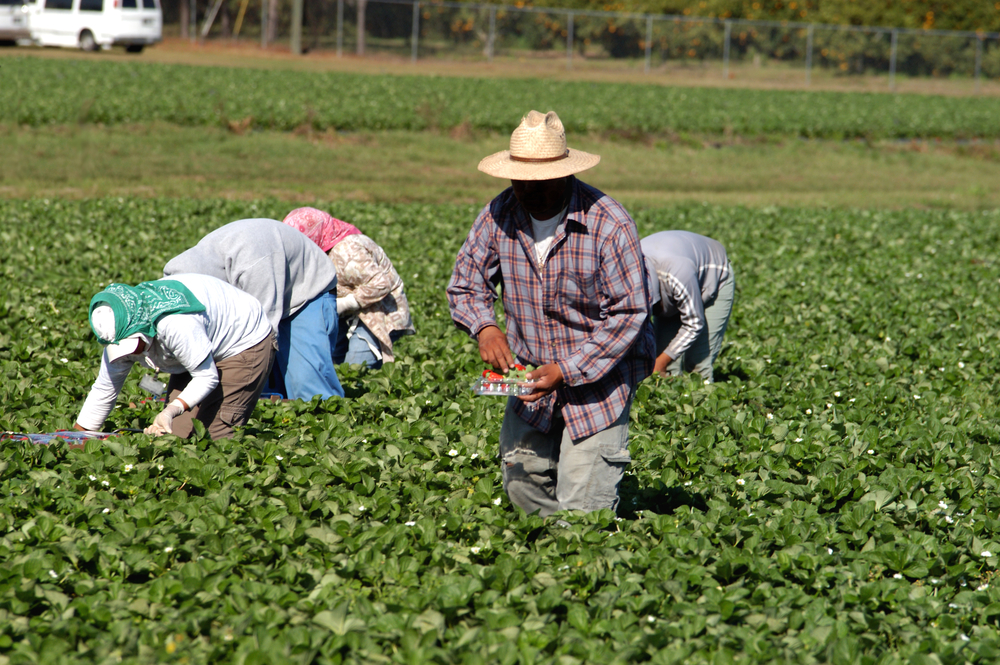
    Workers work out in a field picking produce.

    Article written by Mark Hoffmann (mark.hoffmann@ncsu.edu) and Chip Simmons (odsimmon@ncsu.edu); NC State University

    The following describes actions a grower should take if there is a positive COVID-19 case is on the farm:

    Preparation and Prevention:

    Have an emergency plan for how you will (1) care and (2) isolate COVID-19 infected workers. Identify the nearest healthcare facility that provides free or low-cost care to uninsured people.

    Promote Social Distancing, Protection and Hygiene

    Educate yourself and workers about hand hygiene, respiratory etiquette and emergency responses (Spanish and English).

    Social distancing between farm workers can encompass differences in work flow as well as potentially impacting worker responsibilities. All of this information should be captured in an emergency plan. To protect your work force as well as yourself, the implementation of social distancing and other safety measures is highly recommended.

    Provide weekly supplies to each farmworker to fight COVID-19, such as alcohol-based hand sanitizer (if available), disinfectants and lined trash cans. Hand washing is a key to preventing the spread of COVID-19, and growers should always provide adequate hand wash facilities, stocked with soap and disposable towels for hand drying.

    Active Prevention

    Screen arriving workers for symptoms of COVID-19 such as fever, cough, or shortness of breath.

    Clean and Sanitize your farm: COVID-19 and small produce farms. In addition to routine cleaning and sanitation, it is recommended that if there is a COVID-19 positive on the farm, all common touch surfaces, such as door knobs, bathrooms, touchscreens, etc. be disinfected with a dilute bleach solution (1,000 ppm – 5 tablespoons / gal water) or a disinfectant listed in the EPA List N: Disinfectants for Use against SARS-COV-2. (SARS-COV-2 is the virus that causes COVID-19.)

    If a worker has symptoms or is confirmed COVID-19

    This worker should stop working immediately.

    If there is an onsite room designated for ill workers, suspect COVID-19 cases should be directed to that room at the time of symptom onset until appropriate isolation plans can be carried out.

    Contact your local health department as required by OSHA.

    Arrange for ill workers to be evaluated by a medical provider.

    Make sure every worker has enough food and water as they will be quarantined and unable to leave the farm.

    Frequently check on the ill worker in isolation to monitor for worsening symptoms. About 20% of infected people will develop severe respiratory symptoms that may require hospitalization.

    Instruct workers who have had close contact with a COVID-19 patient to self-monitor for symptoms of COVID-19 (fever, cough, or shortness of breath) for 14 days. Those exposed should be separated from non-exposed workers for 14 days (e.g. sleep in a separate room, work in a separate area, use a separate bathroom and cooking facility). Workers can continue to work unless they have tested positive for COVID-19 or are exhibiting any symptoms (fever, cough, shortness of breath, etc.) according to the FDA – see these guidelines. If they develop symptoms of COVID-19, they should immediately be quarantined and you should contact your local health department.

    Additional steps such as deep cleaning of facilities or complete closure of the business are not mandatory, but can be taken if the business owner believes it is safer for all workers and customers.

    Failure to provide separate housing for infected workers could reasonably be expected to cause death or serious harm to the uninfected workers, which violates the Migrant Housing Act of North Carolina that requires housing providers to immediately provide safe housing.

    It is unlawful for employers and migrant housing providers to retaliate/take any adverse employment action against any worker who files a complaint or otherwise asserts their right to safe working and/or migrant housing conditions in NC under the NC Retaliation Employment Discrimination Act.

  • Coronavirus Pandemic affects UF/IFAS Research Programs

    By Clint Thompson

    The ongoing coronavirus pandemic is taking a toll on agricultural research programs at the University of Florida/IFAS. Some research has been halted since quarantine and social distancing rules were put in place in early March.

    Shinsuke Agehara
    Florida Ag Expo 2019 held at the at Gulf Coast Research and Education Center (GCREC)
    .

    “It is definitely having an impact on our research. We are slowing down many of the projects because there’s not a safe way to continue in them. We are reviewing case by case, options request for being able to continue research. This is a university-wide directive, so we are following university policy,” said Jeanna Mastrodicasa, University of Florida associate vice president for agriculture and natural resources. “We’re just really trying to make sure we’re maintaining things as best as they can be maintained.”

    Financial Implications

    She said that several hundred research projects have been affected this year. The financial impact is staggering.

    “Based on the financial implications, I think the initial projection of the University of Florida is $33 million in losses. This is just based off all the revenues and refunds and things already. That was from a few weeks ago at a trustee’s meeting,” Mastrodicasa said. “We’re just trying to keep track of all the different financial implications, but it’s going to be big.

    “We are doing our best to work with sponsors of our research to make sure they know the status. Everybody’s in this weird holding pattern right now. We’re just not sure how long it’ll be. Probably the biggest impact for IFAS that’s unique is a lot of our work is on an annual basis because it’s a planting cycle. So, we’re going to be 12 months instead of just two or three months behind in some cases.”

    According to the UF/IFAS website, IFAS provides research and development for Florida’s agricultural, natural resources and related food industries. It made value-added contributions of $123.2 billion to the gross domestic product of the state economy in 2013.

  • Statement by Commissioner Nikki Fried on USDA’s Country of Origin Labeling Enforcement

    Tallahassee, Fla. – The U.S. Department of Agriculture’s Agricultural Marketing Service (AMS) recently announced it would temporarily suspend enforcement of Country of Origin Labeling (COOL) for fresh fruit and vegetables in response to COVID-19, allowing products sold to foodservice businesses to be redistributed to grocery stores, markets, and other retail businesses.

    commissioner
    Nikki Fried
    Florida Agriculture Commissioner

    COOL food package labeling clearly identifies in what country a covered food product originated, such as the “Product of USA” label. Suspending enforcement of this labeling could seriously disadvantage American agriculture producers, especially Florida’s seasonal produce growers harmed for decades by the dumping of produce by Mexico.

    Florida Agriculture Commissioner Nicole “Nikki” Fried raised industry concerns about unintended consequences of COOL enforcement suspension with USDA Secretary Sonny Perdue and USDA Deputy Secretary Stephen Censky. The USDA AMS has now clarified that this COOL suspension only applies to fruit and vegetable products imported and in inventory before April 20, 2020 and previously packaged and shipped for foodservice industries. The suspension does not apply to food products imported since April 20, 2020, which will be enforced as normal.

    In response to this clarification, Commissioner Fried offered the following statement:

    “I thank the USDA for clarifying their decision on produce Country of Origin Labeling. American agriculture is already facing tremendous challenges, with a devastating influx of foreign competition and plummeting demand from foodservice businesses during COVID-19. Florida’s seasonal produce growers supply 150 million Americans with fresh fruit and vegetables, yet are facing over $522 million in projected losses from COVID-19. Anything that opens the door to more potential foreign competition is a threat to the domestic growers who feed our families. I thank USDA Deputy Secretary Censky for a positive, productive conversation on Country of Origin Labeling and helping Florida’s farmers.”

    To learn more about Country of Origin Labeling requirements, visit the USDA AMS COOL COVID-19 enforcement page.

    Florida Department of Agriculture and Consumer Services

  • Georgia Peanut Commission Adding Own Flavor to Farmer’s Produce Boxes

    By Clint Thompson

    The Georgia Peanut Commission (GPC) is adding its own flavor to produce boxes being sold this week by Lewis Taylor Farms in Tifton, Georgia.

    For the second straight week, Lewis Taylor Farms is selling boxed produce to consumers in South Georgia. The orders of self-quarantine amid the current coronavirus pandemic means there’s a lack of a foodservice market. This has led to a sharp decline in demand for fresh fruits and vegetables. These include those grown at Lewis Taylor Farms.

    Last week’s produce box at Lewis Taylor Farms.

    Don Koehler, GPC executive director, said the commission donated four packs of peanuts and recipes to be included in this week’s box. This allows consumers to cook quesadillas and stir fry as well as blueberry crisps with items they purchased from Lewis Taylor Farms.

    “The things all of those recipes have in common, besides having produce out of that box, was that the fact we had peanuts and peanut butter in them,” Koehler said. “In a stir fry, you think about it, a lot of oriental food has some kind of nuts in it. Peanuts are pretty common in those places. That was about 20 minutes from the refrigerator to the plate to do that whole stir fry.”

    Koehler said the recipes are simple with common ingredients that most everyone will already have in their kitchens.

    “The thing that we know is, the folks that get that box are going to their kitchen to cook. If we can get them to think about using peanuts as an ingredient, then it’s a win for all of us,” Koehler said.

    This Week’s Produce Box

    This week’s box will feature turnips, broccoli, yellow squash, onion, blueberries and cabbage.

    Last week, Lewis Taylor Farms offered collard, kale, zucchini, onion, strawberries and broccoli. People drive to Lewis Taylor Farms on Wednesday and receive their produce without getting out of their car.

    Once they’re ready for harvest, watermelon, cantaloupe, eggplant, cucumber and bell pepper could be included as well.

    Lewis Taylor Farms grows more than 6,500 acres of produce each year.

  • Growing Matters: Protecting Pollinators as Applications Increase

    Pesticide applications are picking up as seasons progress across the country. The BeSure campaign, brought to you by the Growing Matters Coalition, is pointing out the communication that needs to be taking place to protect pollinators. University of Florida Entomologist Dr. Jamie Ellis said there are several things growers can do to help prevent any undue harm.

    Listen to Ellis’ full interview.

    Growing Matters: Protecting Pollinators as Applications Increase

    This was a message from the BeSure campaign brought to you by the Growing Matters Coalition, an initiative reminding farmers and applicators to follow stewardship best practices to protect pollinators and other wildlife. Visit growingmatters.org for more information.

  • Alabama Farmer: I Think Everybody’s Eyes Have Been Opened

    Fresh market produce for sale.

    By Clint Thompson

    Alabama fruit and vegetable farmer John Aplin has experienced a 500% increase in his strawberry customers this year. He believes it’s due to the ongoing coronavirus pandemic and its effect on people’s buying habits.

    “I know that we all didn’t get a 300, 400 or 500% increase in people who buy fresh fruits and vegetables this year,” said Aplin, who farms in Geneva County. “The virus does not affect our foods, but it is affecting the way people are buying food. I think after all of this is over with, we’re going to see a big difference in the way people are buying food. People are going back to, I don’t know, the 70s and 80s styles of buying food. Folks are beginning to talk about canning and preserving food.”

    Apling has already started harvesting his first variety of peaches, which are three weeks early. Tomatoes are also early this year and expected to be ready in two to three weeks. He’s hoping other crops will soon be ready as well.

    “Folks come to buy one thing. If we don’t have it, they buy something else,” Aplin said.

    “I think everybody’s eyes have been opened. Something could happen and you might need to be storing up for the winter. You might need to be saving a little bit of money instead of spending it all and living paycheck to paycheck. I think when it’s all over with, you’re going to see a huge change in people buying local. You can tell just by talking to customers, that they are even more concerned about where their food comes from. How many hands have touched their food before they put it on their plate?

    “I think that’s everybody’s mindset right now. They’re wanting something close by where they know where it came from.”

  • Fusarium Wilt: A Quick Review

    Integrated techniques are needed for fusarium wilt management.

    By Nicholas S. Dufault

    It has been more than 120 years since an unknown watermelon wilt disease was observed to cause heavy losses in the southern United States. The re-emergence of this disease, identified as fusarium wilt (FW) caused by the fungus Fusarium oxysporum f. sp. niveum (Fon), has led to a need for alternative control practices.

    MANAGEMENT STRATEGIES

    Numerous FW disease management strategies have been developed such as fumigation, long-term (>7 years) crop rotation, delayed planting, grafting and host resistance. This article will briefly discuss the pros and cons of current management techniques and explain how improved diagnostics with a better understanding of risk is important for future management of FW.

    The techniques listed above can all be effective at managing FW. However, inconsistent results related to fumigation as well as delayed planting in Florida have led to a need to further investigate when and how to implement these management options. Grafting and cultivar resistance both provide effective control of Fon, but cost or mixed pathogen populations can impact their usefulness, respectively.

    For example, the deployment of a resistant cultivar, even if it is not specific to all the races in the field, can result in less wilting than cultivars without resistance. The effectiveness of this technique is increased when the predominant pathogen present is the same race as the resistance trait. Unfortunately, there are times when the Fon population present in the field is not affected by resistance, which leads to significant wilting and losses.

    NEW TOOLS AND MORE KNOWLEDGE NEEDED

    Thus, deployment of new resistance sources is needed in combination with more accurate pathogen diagnosis techniques. Integrating these techniques, as well as others, will likely provide more consistent results for disease management. Finding the optimum integrated technique will require more information about the pathogen and disease risk.

    To improve risk assessment for FW, a bioassay is being assessed that can help detect the pathogen in the field after a long rotation. In addition, a climate/risk index tool is being developed to determine FW risk. These tools can provide further insights into the risk associated with FW but should only be considered as decision support aides and not prediction tools. The effectiveness of these tools will be improved by better documenting the Fon genotype present within a given field.

    Research currently being conducted across the Southeast is focused on expanding the understanding of the pathogen’s genetics. This genetic information can also be used to improve the understanding of the FON races and maybe even provide insights into what makes the pathogen virulent. As further information is gained about the pathogen’s genetics, it can be combined with breeding programs to focus on these virulence traits and used to improve disease diagnostic methods in the field and on the seed.

    Substantial progress has been made on understanding FW management. Unfortunately, no single method has proven to be completely effective or economically feasible for disease control. Improved knowledge about the pathogen’s genetics will be critical to implementing proper integrated management techniques as well as accurately assessing disease risk related to field history, climate and diagnostics.

  • N.C. Strawberry Association President: Overall, the Crop Looks Good

    Basket with fresh strawberries isolated on white background.

    By Clint Thompson

    The president of the North Carolina Strawberry Association is excited about this year’s crop.

    Jim Warenda, who is also the sales representative for Fresh Pick Produce in Kenly, North Carolina, exuded optimism when discussing the prospects of this year’s crop.

    “Everything’s great. We are a hair behind, just due to, it’s been a little bit cooler spring than what we’re normally used to,” Warenda said. “A normal strawberry flower will ripen in about 30 days. They’re ripening at about 37, 38 right now.

    “We’re probably a couple of days behind on some things. Overall, the crop looks good. We really haven’t hit any real big volume yet. We foresee that happening (this) week.”

    He said the normal window for harvesting strawberries is April 20 through June 15.

    Warenda is not alone in having hopes for this year’s strawberry crop in North Carolina. In a previous VSCNews story, Mark Hoffmann, North Carolina State small fruits Extension specialist, said he is expecting a “bumper crop” this year.

    “If the weather holds up, it’s going to be one of the best strawberry years in a long time,” Hoffmann said.

    While the crop appears bountiful, the strawberry market appears in good shape as well. This despite the ongoing coronavirus pandemic.

    “We do some chain store business as well as roadside market stuff in the northeast. There has been a little bit of a decline in market, just because they’ve closed off some of these islands for this month. We haven’t really hit any volume yet, so everything’s been smooth so far. I don’t foresee any hiccups in the next couple of weeks. But this produce business can always change,” Warenda said.

    For more information about strawberry production in North Carolina, see N.C. State strawberry website.

  • Farm Recovery Block Grant Deadline for Georgia Farmers is April 30

    disaster
    Impact from Hurricane Michael.

    By Clint Thompson

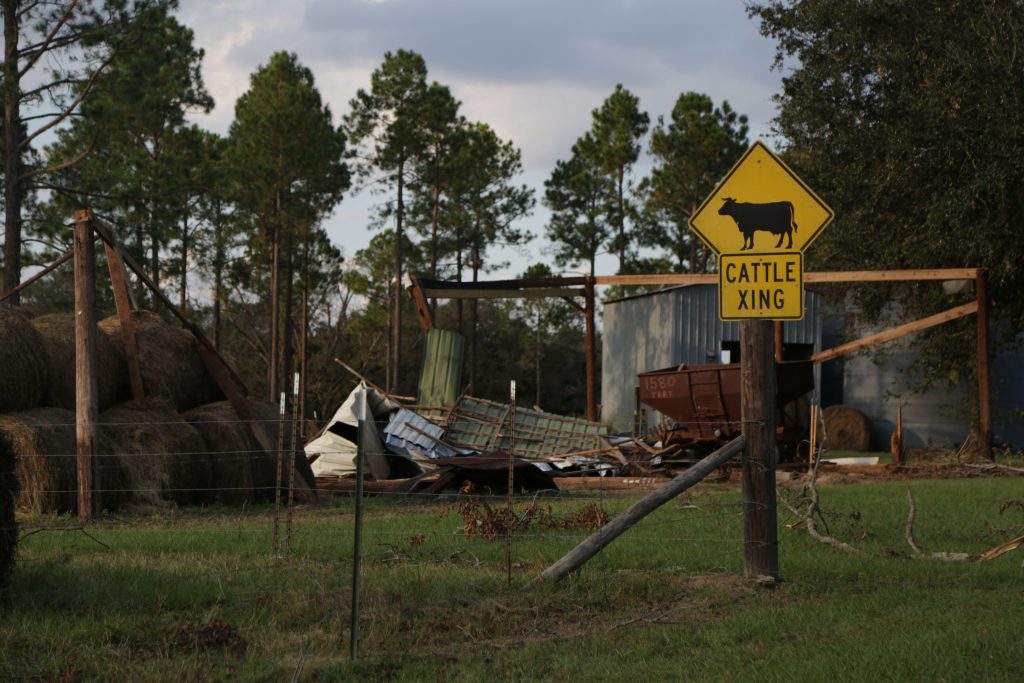
    The Farm Recovery Block Grant deadline for Georgia farmers who were dealt financial losses by Hurricane Michael is Thursday, April 30.

    The Georgia Department of Agriculture is accepting online applications. The block grant funds include $347 million.

    This block grant program is designed to compensate producers for losses and expenses in seven categories of assistance, according to farm recovery. These include beef, dairy, fruit and vegetable, pecan, poultry, timber, and uninsured infrastructure.

    University of Georgia Cooperative Extension Ag economist Adam Rabinowitz believes all eligible farmers need to take advantage of the program.

    “Those block grants are really important for those who didn’t have any other assistance from USDA programs to recover from Hurricane Michael. It’s not your typical crop producers. It was some of your others in terms of trees and some infrastructure,” Rabinowitz said. “It certainly helps in a time when, just in general, we’re dealing with financial issues, continued recovery from Hurricane Michael and just real unknown. It’s essential to get those applications in by that extended deadline of April 30.”

    Georgia farmers and forest landowners in 95 eligible counties who suffered losses can enroll at farmrecovery.com.

    For more information and a guide to help prepare applicants for enrollment, visit farmrecovery.com.

    Hurricane Michael caused more than $2.5 billion in losses to Georgia’s agricultural sector, the state’s leading industry. This was according to estimates from the UGA Cooperative Extension agents and agricultural economists.