Category: Top Posts

  • UGA Helps Produce Growers With Water Quality Calculations and Education

    Drip irrigation lay in a tomato field.

    By Josh Paine for UGA CAES News

    An online tool developed by the University of Georgia College of Agricultural and Environmental Sciences is helping produce growers assess their water quality and prepare for increased testing requirements.

    Uttam Saha, a program coordinator at the UGA Agricultural and Environmental Services Labs, developed an online calculator and simulator to help educate farmers and Extension agents with necessary actions related to the water quality component of the Produce Safety Rule (PSR) in the Food Safety Modernization Act (FSMA).

    The water quality subpart of the rule covers produce types that are frequently consumed raw to ensure growers use water that does not contribute pathogen contamination — like E. coli, norovirus or parasites — to produce so that it is ultimately safe for human consumption.

    “The rule requires a lot of technical knowledge to understand the water-testing needs and to determine whether a farm is in compliance,” said Saha.

    The PSR requires farms to establish a Microbial Water Quality Profile (MWQP) for each untreated water source used on the farm, as well as conduct annual microbial water quality surveys. This MWQP is based on the levels of generic E. coli measured in a water source over time, and testing frequency varies depending on the source of the water.

    The program, available at aesl.ces.uga.edu/calculators/FSMA, also provides various model situations to train users.

    “The biggest change for most farmers is the production (preharvest) water requirements, due in part to increased testing frequencies and the required calculations to determine water microbial quality,” said Laurel Dunn, an assistant professor of food science. “These calculations are not intuitive, so a tool was needed to assist farmers interpreting the results of their water tests.”

    Dunn and her colleagues produced an instructional video on preharvest sample collection available at t.uga.edu/5Zj and another on postharvest sampling at t.uga.edu/5Zi.  

    Requirements for the smallest and final group of farms covered by the PSR began in January 2020. However, the water requirements don’t go into effect until January 2022 for large farms (more than $500,000 in average sales), January 2023 for small farms (between $250,000 to $500,000 in average sales), and January 2024 for very small farms (between $25,000 and $250,000 in average sales).

    “Farms aren’t required to even begin taking water samples until 2022, but are strongly encouraged to do so, and many third-party audits require them to do it already,” said Dunn. 

    Fruits and vegetables grown for the fresh market are Georgia’s third-largest agricultural sector, with a combined farm gate value of more than $1.8 billion, according to UGA agricultural economists.

    In addition to testing, at least one person on each farm covered by the PSR must have attended a Produce Safety Alliance Grower Training by the compliance date. The Georgia Department of Agriculture and UGA Department of Food Science and Technology have partnered to offer courses. Learn more about the trainings and more at agr.georgia.gov/produce-safety-program.aspx.

    Georgia produce growers can contact their local UGA Cooperative Extension office for more information about testing frequency and requirements, for submitting water samples for testing by UGA Agricultural and Environmental Services Labs, and for interpretation by UGA experts including Saha and Dunn.

    To learn more about UGA Extension food science programs, visit extension.uga.edu/programs-services/food-science.
  • Watermelon Shortage Keeps Prices Up for Famers

    By Clint Thompson

    Times have changed in the past two months for watermelon farmers in the Southeast. When farmers in Alabama, Florida and Georgia began planting their crop in late winter and early spring, the coronavirus pandemic struck and created a cloud of uncertainty for growers.

    Watermelon prices are good right now for farmers.

    What would harvest season look like? Would there be customers to purchase the crop? What kind of market value would there be?

    Fast forward two months later; watermelons are in high demand amid fears of a shortage.

    “Six weeks ago, a lot of these guys down here, including myself were concerned about, with the pandemic, just getting their money back,” said Greg Leger, a grower and shipper in Florida and Georgia. “Everybody was like, ‘If we can just get our money back.’ Everybody was scared to death because we didn’t know if there was going to be movement and consumption.

    “(But) I had a friend tell me he was in a store up in Atlanta and people were social distancing waiting to get to the watermelon bin. Everybody in there was putting a watermelon in their buggy, which is good. It is a value and always has been. That’s promising to me, especially for Georgia and the Southeast for the fourth of July. I just hope that as long as consumption stays up and movement stays good, it should be a good season for us.”

    First Signs of Lack of Fruit in Florida

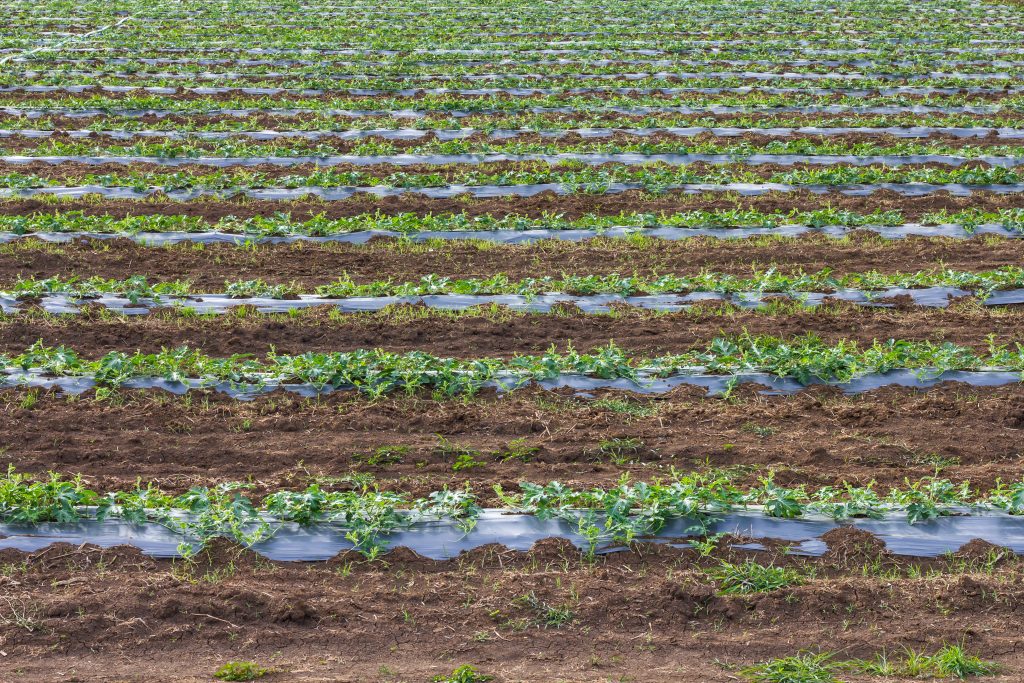
    Carr Hussey, a watermelon farmer in Florida and Alabama and chairman of the board of the Florida Watermelon Association, addressed the possibility of a watermelon shortage on May 12. He said the reason Florida is running out of melons is due to three straight weekends of rain events. Heavy rains on mature vines led to a quick harvest season.

    South Georgia watermelons are poised to be ready between June 10-15. If there continues to be a shortage of melons, prices should remain strong for farmers in Georgia and Alabama. Currently, they’re around 22 cents per pound.

    “Pricing is good. The reason pricing is so strong is that availability is shorter than normal,” Liger said. “I think we’re going to be a week earlier than we’ve been in the past couple of years. Two years ago, we didn’t even start til, we only had like 2 ½ weeks to get the crop off before the holiday. This year I think if things stay like they are now, we’re going to get started around the 15th with decent volume. I hope we do anyway.”

  • USDA, USTR Announce Continued Progress on Implementation of Phase One Agreement

    Contact: USDA Press
    Email: press@oc.usda.gov

    WASHINGTON, May 21, 2020 – The U.S. Department of Agriculture (USDA) and the Office of the U.S. Trade Representative (USTR) today announced additional progress in the implementation of the agriculture-related provisions of the U.S.-China Phase One Economic and Trade Agreement (The Agreement), which entered into force on February 14, 2020. Recent actions described below build upon the actions announced by USDA and USTR on February 25, March 10, and March 24. These are difficult times for both our countries. It is important that we each continue to work to make our agreement a success. Because of this continued progress due to the Agreement:

    • U.S. blueberries and California Hass avocados can now be exported to China. This new market access will provide California avocado growers and blueberry growers from around the United States with new opportunities to market their products to Chinese consumers in the coming years. In 2019, China imported a record volume of fresh fruits and vegetables exceeding $8.6 billion.
    • U.S. barley for processing, along with the forage products Timothy hay, alfalfa hay pellets and cubes, and almond meal pellets and cubes can now be exported to China. In 2019, China imported $1.5 billion of barley used as feed and for malt beverage production, and a record $500 million of forage products.
    • In recent weeks, China updated its lists of U.S. facilities eligible to export beef, pork, poultry, seafood, dairy, and infant formula products to China. China’s lists now include 499 beef, 457 pork, 470 poultry, 397 seafood, and 253 dairy and 9 infant formula facilities. As a result of these actions, more U.S. facilities are eligible to export U.S. food and agricultural products to China than ever before. USDA’s Food Safety and Inspection Service continues to update its export library, which provides additional guidance for U.S. meat and poultry meat exporters, including information related to the scope of products that may be exported to China, China’s labeling requirements, and other guidance.
    • China published on May 15 a new domestic standard for dairy permeate powder for human consumption that will allow imports of this product from the United States in the future. In 2019, China imported nearly $12 billion of dairy products from around the world.

    China continues to implement its tariff exclusion process in an attempt to facilitate imports of U.S. commodities. USDA continues to publish guidance for U.S. exporters seeking to participate in this process (USDA Global Agricultural Information Network). USTR is continuing to process and where appropriate grant exclusions of products from China. USDA also is implementing its obligations under the agreement.

    Perdue

    United States Secretary of Agriculture Sonny Perdue said, “China is a market of tremendous potential for U.S. agriculture and these actions will help U.S. exporters expand their sales there. We look forward to continued cooperative work with China on implementation of Phase One commitments, and immediate increases in U.S. exports of all manner of agricultural products.”

    United States Trade Representative Robert Lighthizer said, “China has worked with the United States to implement measures that will provide greater access for U.S. producers and exporters to China’s growing food and agricultural markets. Under President Trump’s leadership, we fully expect this agreement to be a success.”

  • Florida Farmer Looking Forward to Next Season With Optimism

    outbreak

    By Clint Thompson

    A devastating hit to the South Florida’s produce industry by COVID-19 has not deterred Toby Basore from looking forward to next season with optimism.

    “I don’t care where you’re at, if you went into your grocery stores during this, there wasn’t any toilet paper on the shelves. There wasn’t any Lysol or hand wipes. The cheaper meats were gone, poultry; you couldn’t find chicken or ground beef for a while. But if you went into the produce section, it was stocked,” said Toby Basore, co-owner of TKM Bengard Farms in Belle Glade, Florida, during a Farm Credit webinar on Thursday. “The farmers, we’ve done our part. I think that the worst thing that could happen is we all cut back on our acreage. There could be shortages. I’m an optimist. I’m hoping for things to get back to normal. Right now, our plan is to continue and look forward.

    “Of course we’re going to meet with our customers and get with them right after Father’s Day. They tell us their needs. If they have cutbacks, we’ll cut back. We pre-sell everything so if our customers want more or less, that’ll be our business model.”

    Pandemic Hits During Peak Harvest of Florida Crops

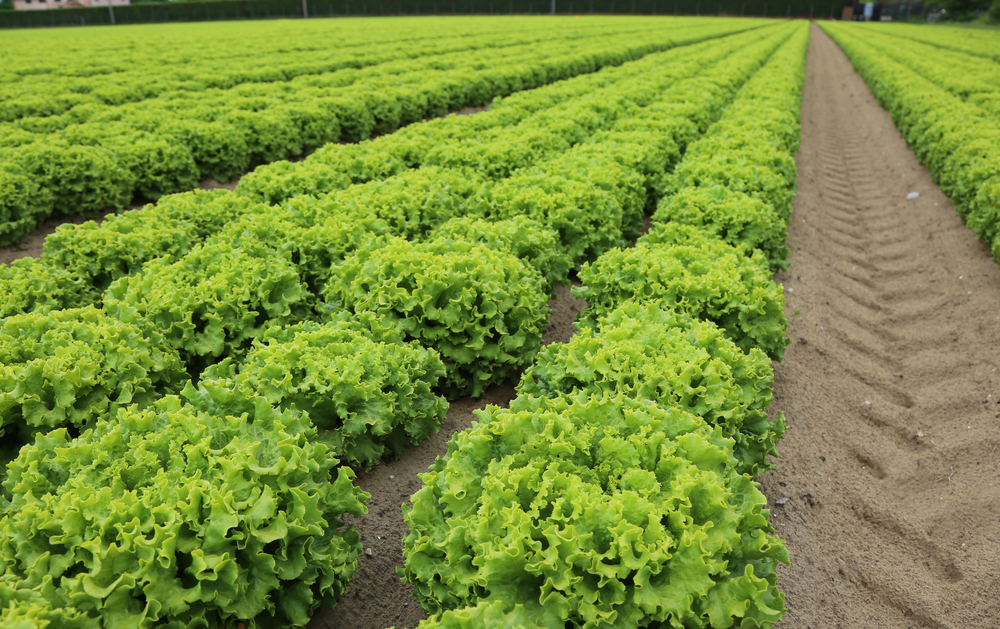
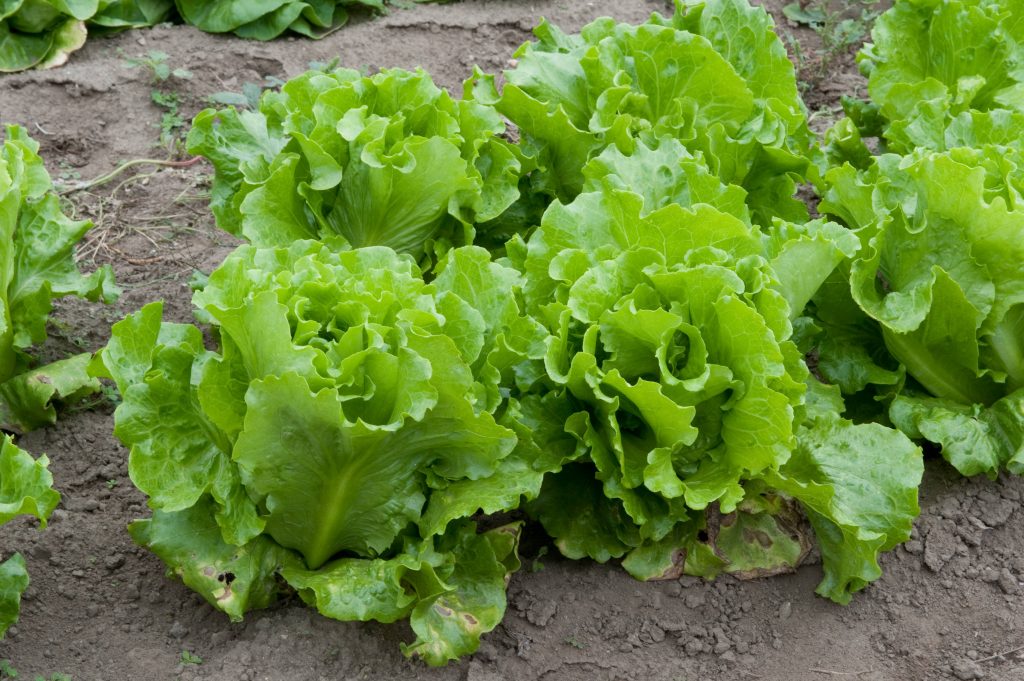
    Basore is an optimist despite enduring the coronavirus pandemic at the peak of Florida’s harvest season. He said the farm produces of 8,000 acres, which includes lettuce, broccoli and cauliflower. It is the largest lettuce producer east of the Mississippi. But like fellow Florida farmers, Basore suffered during the pandemic.

    “March April and May are huge months for Florida so it hit at a bad time. “A lot of the growers here were impacted by COVID-19, including ourselves,” Basore said. “We probably passed 400 acres of lettuce due to the outbreak of the pandemic.”

    He estimates 60% of his crop goes to processors, which in turn is shipped to schools and restaurants; two outlets that were nonexistent during the pandemic. The rest goes to retail, which Basore said was a “lifesaver.”

    Basore is hopeful for brighter days ahead.

    “Hopefully, the president is right and we’re going to have a better third and fourth quarter and a great year next year. It’s an unknown. We think that our business model should be the same next year,” Basore said.

  • UF/IFAS Awarded USDA Grant to Lead Multistate Research, Study Disease Resistance in Lettuce

    lettuce
    University of Florida researchers are part of a research project focusing on lettuce.

    By: Lourdes Rodriguez, 954-577-6363 office, 954-242-8439 mobile, rodriguezl@ufl.edu

    BELLE GLADE, Fla. – Lettuce is one of the top 10 vegetables cultivated in the United States and for good reason. Romaine, iceberg, leaf and butterhead types of lettuce are staples in refrigerators around the world. Used as a basis for salads, as a topping for burgers and sandwiches, as a bread substitute for wraps, and even as a garnish for elegantly plated cuisines, lettuce serves as a recommended source of extra nutrition, much-needed fiber and fewer added calories to diets.

    But the crop has experienced devastation nationwide with the emergence of the deadly Bacterial Leaf Spot (BLS). It’s a disease caused by a pathogen known as Xanthomonas campestris pv. vitians (Xcv). This unpredictable disease can cause severe economic losses and devastate entire harvests. Currently, there is no control method.

    University of Florida scientists at Everglades Research and Education Center in Belle Glade, along with other land grant universities and federal agencies, have been at the forefront of research since the disease emerged. Focus has been on studying BLS and how it destroys lettuce.

    An $850,816 grant will fund the continuation of research led by UF/IFAS scientists in a multistate endeavor with Pennsylvania State University and the United States Department of Agriculture – Agricultural Research Services (USDA-ARS) in Salinas, California. The grant, managed by the Florida Department of Agriculture and Consumer Service (FDACS) through the Specialty Crop Multistate Program of the USDA-AMS to UF/IFAS, is designated for the study of disease resistance in lettuce, to boost cultivar variations that are BLS-resistant through breeding and genetics, and to research BLS-lettuce interaction.

    Germán V. Sandoya-Miranda, assistant professor of lettuce breeding and genetics at Everglades Research and Education Center, and overseer of the project as principal investigator, has been researching BLS since 2016.

    Sandoya is joined by UF’s Calvin Odero, UF/IFAS associate professor of agronomy specializing in weed science as co-lead; UF/IFAS Extension Palm Beach staff; Pennsylvania State University’s Carolee Bull, a professor and department head of Department of Plant Pathology; Maria GorgoGourovitch, an Extension educator and Plant Pathology affiliate instructor at Pennsylvania State University; and lettuce plant breeder and geneticist Ivan Simko of the USDA-ARS in California.

    “This is the first time that experts in plant breeding, genetics, bacteriology, and weed science partner to develop sustainable and long-term solutions to battle an unpredictable and devastating disease in lettuce”, said Sandoya. “I have intentionally brought together the leading experts representing the strongest possible group to work on this disease for a variety of geographic impacted areas and assorted farm-size growers.”

    For more information, see University of Florida press release.

  • Connecting the Watermelon Industry with Retail and Foodservice Buyers

    File photo shows a watermelon in a field ready to be harvested.

    Winter Springs, FL — May 20, 2020 – The new National Watermelon Promotion Board (NWPB) Watermelon Supplier Database is the perfect platform to connect retail and foodservice buyers with suppliers as the summer season takes off for America’s favorite melon.

    Each year the NWPB staff promotes watermelon to retail and foodservice audiences, both in person and digitally. When a contact asks where they can get watermelon, this new database with help connect the dots. The new Watermelon Supplier Database is based on the new watermelon.org in the Industry, Retail and Foodservice sections and at watermelon supplier database, so all interested groups can easily access the database.

    The Board is still working to populate the database so if a member of the watermelon industry is interested, please visit watermelon supplier database. Multiple roles in the industry are encouraged to be a part of the database including wholesalers, growers, importers, brokers, processors, seed, transportation companies and more.
    Please reach out to supplierdatabase@watermelon.org with any questions.

  • Commissioner Fried Advises Farmers to Prepare CFAP Applications

    Tallahassee, Fla. — Following Tuesday’s announcement by the U.S. Department of Agriculture on the Coronavirus Food Assistance Program (CFAP), which will provide $16 billion in direct payments to support American farmers impacted by COVID-19, Agriculture Commissioner Nikki Fried is advising Florida farmers and ranchers to fill out forms in advance of applications being accepted starting May 26 through county Farm Service Agency (FSA) offices. 

    commissioner
    Nikki Fried
    Florida Agriculture Commissioner

    “As our nation’s farmers suffer monumental losses due to COVID-19, this CFAP assistance is a crucial first step towards helping agriculture producers recover from this pandemic,” said Commissioner Nikki Fried in a press release. “But making sure Florida’s farmers get the assistance they need will require more federal support — many of our seasonal crops, nursery operations, and non-marine aquaculture were not included in this initial round of assistance, and the direct payment limits will cover a fraction of the losses they’ve suffered. I will continue working with the USDA and Congress to ensure the needs of our producers are communicated and the magnitude of their losses are understood. Because these funds are available on a limited basis to all of our nation’s farmers, I’m urging Florida agricultural producers to immediately gather information and begin filling out the necessary paperwork to apply.”

    Details: CFAP will provide up to $16 billion in direct payments to agricultural producers who have suffered a five percent or greater price decline due to COVID-19 and face additional significant marketing costs. From May 26 through August 28, producers can submit applications through their county FSA office. Because of the limited nature of the funds, Commissioner Fried is urging producers to begin preparing information and documentation required to submit an application.

    Eligibility: To be eligible, a person or legal entity must have an average adjusted gross income of less than $900,000 for tax years 2015, 2016, and 2017. If 75 percent of their adjusted gross income comes from farming, ranching, or forestry, the limit of $900,000 does not apply. Additional eligibility requirements are listed at farmers.gov/cfap.

    Payment Limitations: Payments are subject to a per person and legal entity payment limit of $250,000. Corporations, limited liability companies, and limited partnerships (corporate entities) may receive up to $750,000 based on the number of shareholders (not to exceed three) who contribute at least 400 hours of active person management or personal active labor. For specific limits on corporate entity payments, click here.

    Payment Structure: To ensure availability of funding through the application period, producers will receive 80% of their maximum total payment upon application approval. The remaining portion, not to exceed the limit, will be paid at a later date as funds remain available.

    How to Prepare: While the application process does not open until May 26, producers should start gathering and understanding their recent sales and inventory. Local FSA staff will work with producers to apply for the program. Forms will ask for the following:

    • Name and address 
    • Personal information, including your Tax Identification Number 
    • Farm operating structure 
    • Adjusted Gross Income compliance certification to ensure eligibility 
    • Direct deposit to enable payment processing

    The following forms will be needed to complete a CFAP application:

    • CCC-901[ application/pdf ]: Identifies members of a farm or ranch that is a legal entity. Member Information will be completed by legal entities and joint operations
    • CCC-941[ application/pdf ]: Reports average adjusted gross income for programs where income restrictions apply
    • CCC-942[ application/pdf ]: If applicable, this certification reports income from farming, ranching, and forestry for those exceeding the adjusted gross income limitation
    • AD-1026[ application/pdf ]: Ensures a conservation plan is in place before lands with highly erodible soils are farmed, identified wetland areas are protected, and conservation compliance provisions are met
    • AD-2047[ application/pdf ]: Provides basic customer contact information
    • SF-3881[ application/pdf ]: Collects banking information so payments can be made via direct deposit

    Existing customers will likely have this information on file at the local Service Center. In addition to the application form, FSA staff will work with producers to complete portions of the CCC-902 Farm Operating Plan form if necessary. FSA has streamlined the signup process to not require an acreage report at the time of application and a USDA farm number may not be immediately needed.

    How to Apply Once Signup Begins: USDA Service Centers are open for business by phone appointment only. Once the application period opens, producers should call their local FSA office to schedule an appointment. FSA staff at local USDA Service Centers will work with producers to file applications. USDA anticipates releasing payments 7-10 days after applications are received.

    Specialty Crops

    For eligible specialty crops, the total payment will be based on the volume of production sold between January 15 and April 15, 2020; the volume of production shipped, but unpaid; and the number of acres for which harvested production did not leave the farm or mature product destroyed or not harvested during that same time period, and which have not and will not be sold. Specialty crops include, but are not limited to, almonds, beans, broccoli, sweet corn, lemons, iceberg lettuce, spinach, squash, strawberries and tomatoes. A full list of eligible crops can be found on farmers.gov/cfap. Additional crops may be deemed eligible at a later date.

  • UGA’s Releases New Muscadine Variety ‘RubyCrisp’

    By Sadie Lackey for UGA CAES News

    From late summer into fall, Southerners start looking for muscadines – a popular grape native to the southeastern United States. Selections run from the dark purple, thick-skinned traditional muscadine to a light golden-green variety. Growers and consumers can soon add a new red variety to the mix.

    UGA photo/UGA researchers released a new red ‘RubyCrisp’ muscadine variety for those who want a sweet berry flavor with just a hint of muscadine.

    The University of Georgia College of Agricultural and Environmental Sciences’ muscadine grape team, led by horticulture professor Patrick J. Conner, developed a variety of muscadine for those who prefer the sweet taste of a berry with limited muscadine flavor.

    “The unusual red color of this berry really makes it stand out,” Conner said. “But the tender skin and crisp flesh of this variety are what truly make it unique. The texture of this variety is a marked change from traditional muscadines, which are often known for having tough skins and a soft pulp.” 

    ‘RubyCrisp’ Background

    Researchers found ‘RubyCrisp’ to be a good fit for pick-your-own operations and home gardens because of its distinctive taste and texture and excellent productivity. Unfortunately, commercial production is not a good fit for this specialized berry, because it often cracks with rough handling. However, ‘RubyCrisp’ vines can flourish in the backyards of at-home cultivators looking to try the newest muscadine.

    ‘RubyCrisp’ originated in Tifton, Georgia, as a result of a cross between ‘Supreme’ and ‘Tara’ varieties. ‘Supreme’ produces black berries with exceptional size and firmness. ‘Tara’ produces bronze berries with dry pedicel scars that ripen early in the muscadine harvest season. In 2011 the ‘RubyCrisp’ vine was chosen because of its large berry size, flower type and outstanding flavor.

    The original ‘RubyCrisp’ vines were tested on UGA experiment plots in Tifton and at a commercial vineyard in Wray, Georgia. Researchers discovered there that given the large berry size and high production potential of ‘Ruby-Crisp,’ growers may need to limit vine fruitfulness by increasing the distance between fruiting spurs or thinning the crop so that the vine is not weakened by maturing excessive crops. 

    UGA researchers also found that heavy rainfall can lead to fruit cracking. ‘RubyCrisp’ has a mid-season harvest date around Aug. 21 in south Georgia and has perfect flowers so it does not need a pollinator.

    “Because further study is needed to explore the optimum environment for producing this vine, especially its cold hardiness, we suggest growers in northern muscadine regions refrain from planting large numbers of ‘RubyCrisp’ until more data is collected,” Conner said.

    UGA’s Established Muscadine Breeding Program

    UGA has the oldest muscadine breeding program in the United States. The program began in 1909, and since then, has released over 30 cultivars and counting. The program focuses on continued improvement of the muscadine grape by developing new cultivars that satisfy the needs of growers and the demands on consumers. The UGA muscadine breeding program works to create new cultivars that combine large berry size with perfect flowers, expand the harvest season with earlier and later ripening dates, and produce berries with dry stem scars, crisp flesh and tender skins.

    A list of nurseries licensed to propagate ‘RubyCrisp’ muscadine is available by contacting Conner at pconner@uga.edu. For more information about the UGA muscadines.

  • Challenging Season for South Georgia Agriculture

    By Ashley Robinson

    South Georgia farmers have been on edge as weather and impacts from the coronavirus pandemic (COVID-19) have taken a toll on their crops.

    “2020 has been a tough year overall for our growers,” says Andre da Silva, University of Georgia (UGA) Cooperative Extension vegetable specialist.

    COVID-19 Impacts

    South Georgia farmers have had their fair share of difficulties over the last few years. Hurricane Michael hit Georgia in 2018 causing $2.5 billion in crop damage, and 2019 brought Chinese tariffs that damaged trade and prices. Now, farmers are facing even more devastating impacts with COVID-19.

    According to da Silva, some growers have had to leave their ready-to-harvest produce sitting in the field.

    “Farmers weren’t able to get enough labor to harvest their crop or they weren’t able to sell their produce because there wasn’t a market to sell to. A lot of our farmers sell to restaurants and schools, so they saw the greatest impact once everything shut down. Our sweet corn growers’ biggest markets were schools, so when schools completely shut down due to COVID-19, they were greatly affected,” da Silva says.

    watermelon
    Watermelons have been a crop impacted by the cooler temperatures in May.

    Unusual Weather Impacting Crops

    In addition to seeing impacts from COVID-19, Georgia has endured unusual weather this Spring.

    “We had very warm conditions in March, but the past three or four weeks we have had some impacts from the cold front. We’ve had nighttime temperatures of 47 to 49 degrees F, which isn’t good, especially for our watermelon growers,” da Silva says.

    According to da Silva, watermelon growers planted their crop at the end of March or early April, thinking the crop would do fine because of the higher temperatures. However, when the cold front arrived, the cool nighttime temperatures didn’t allow plants to bloom. While plants should be blooming and fruit should be setting right now to target the 4th of July market, this isn’t the case.

    “Watermelons are tough plants though. With warmer temperatures ahead, they will make a comeback. But I do predict that watermelon harvest will be delayed about a week or two this year because of the cold temperatures we received,” da Silva says.

    In addition to uncommon temperatures, South Georgia has experienced other unfavorable weather events.

    South Georgia has endured two tornadoes this spring. One of which crossed through the middle of a UGA Extension trial evaluating cabbage varieties. It caused significant damage. Additionally, they’ve also experienced a lot of rain accompanied by wind that has damaged crops.

    “We’ve also seen a lot of damage from sand blasting, cracking the plant’s leaf, leaving openings for diseases to enter. Also, the rainfall accumulation induced nutrient leaching, so growers have had to bump up their fertility program to reduce the impact on yield,” says da Silva.

  • CFAP Coverage Dates Exclude Bulk of Specialty Crop Farmers in Alabama, Georgia

    By Clint Thompson

    The United States Department of Agriculture released details of the Coronavirus Food Assistance Program (CFAP) on Tuesday. It will provide up to $16 billion in direct payments to provide relief for farmers and ranchers impacted by COVID-19. It includes relief for livestock, dairy and specialty crops.

    Cabbage producers will be covered under the CFAP program.

    But according to Charles Hall, executive director of the Georgia Fruit and Vegetable Association, the bulk of Georgia and Alabama growers will not be eligible just due to the timing restrictions detailed in the program.

    “This particular package, the problem is the dates of the loss. This package puts January 1 to April 15, which excludes 90% of Georgia’s specialty crop growers. At that point, as of April 14, we’ve had little product on the market at that point. When you’re looking at peaches, blueberries, vegetables, we’re not covered in that,” Hall said. “From January to April, we had broccoli on the market. We had greens, turnip greens, cabbage; some of those cole crops were on the market then and would be eligible to be covered under that. It’s going to help some growers.

    “Georgia blueberries may have been on the market a week or two at that point.”

    CFAP will benefit mostly Florida farmers who have had to overcome produce loss and low market prices  as a result of the pandemic striking the U.S. in mid-March.

    CFAP Background

    According to the USDA press release, CFAP provides financial assistance to producers of agricultural commodities who have suffered a 5%-or-greater price decline due to COVID-19 and face additional significant marketing costs as a result of a drop in demand, excess production, and disruptions to shipping patterns and the orderly marketing of commodities.

    CFAP also includes the USDA’s Farmers to Families Food Box program. It is partnering with regional and local distributors, whose workforces have been significantly impacted by the closure of many restaurants, hotels, and other food service entities, to purchase $3 billion in fresh produce, dairy, and meat and deliver boxes to Americans in need.

    Beginning May 26, the U.S. Department of Agriculture (USDA), through the Farm Service Agency (FSA), will be accepting applications from agricultural producers who have suffered losses.

    For eligible specialty crops, the total payment will be based on the volume of production sold between January 15 and April 15, 2020; the volume of production shipped, but unpaid; and the number of acres for which harvested production did not leave the farm or mature product destroyed or not harvested during that same time period, and which have not and will not be sold. Specialty crops include, but are not limited to, almonds, beans, broccoli, sweet corn, lemons, iceberg lettuce, spinach, squash, strawberries and tomatoes. A full list of eligible crops can be found on farmers.gov/cfap. Additional crops may be deemed eligible at a later date.

    Another Stimulus Package?

    Hall is hopeful that if Congress passes another stimulus package, his growers would be sufficiently covered. It would provide a boost to farmers as the economy tries to recover from the current recession.

    “The bill that passed the House last week would cover Georgia specialty crop growers because it covered the first two quarters of the year. Most of our growers’ harvest will be through the end of June. That will be helpful from that standpoint,” Hall said.