Category: Tomatoes

  • Tomato Industry Expert: Inspections Running Smoothly

    new
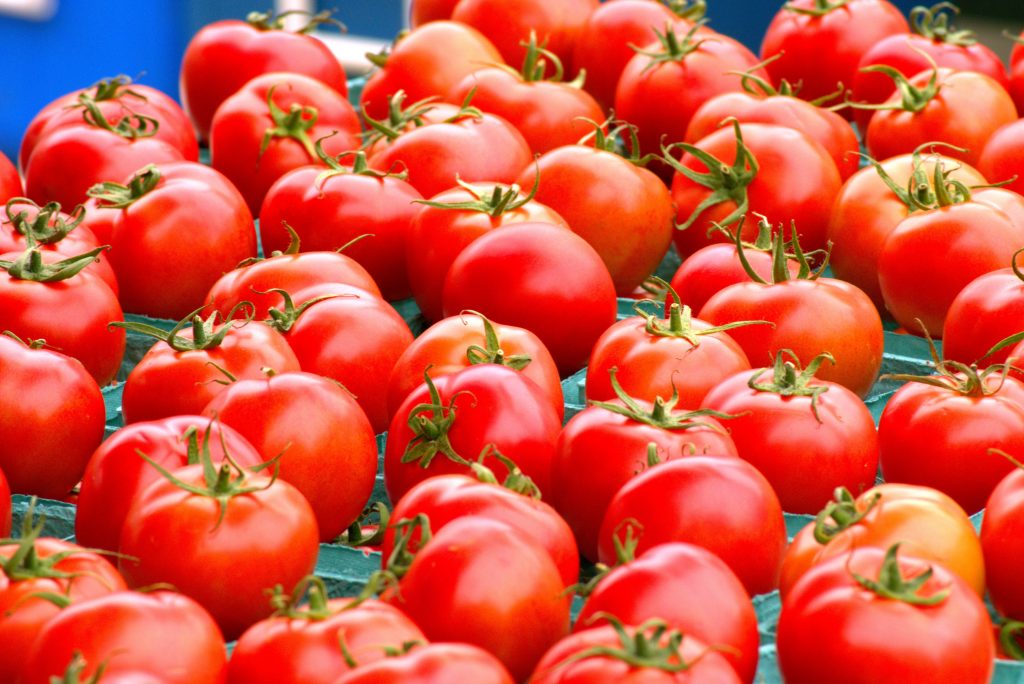
    Pictured are ripe tomatoes.

    Though Mexican exports of tomatoes have not reached the ‘peak’ season, inspections appear to be running smoothly and efficiently, says Michael Schadler, executive vice president of the Florida Tomato Exchange.

    The inspection provision, which was part of the Tomato Suspension Agreement established in September, 2019 between the U.S. Department of Commerce and Mexican tomato exporters, allows for the United States Department of Agriculture to inspect certain kinds of tomatoes being transported from Mexico to the United States. It started in early April but will be tested when higher volumes of tomatoes ramp up during the winter months.

    “The heaviest times of the season as far as imports from Mexico are January, February and March. The inspections haven’t been tested with the biggest volumes of the season,” Schadler said. “We’re bringing in Mexican tomatoes year-round. There’s very significant volumes every week of the year, every month of the year. But in those three months, that’s really the peak for the big production out of Mexico. That will be more of a test. By the time it’s January, they will have had a good eight months of practice, I think it’ll be fine.”

    Cause for Concern?

    Schadler believes there should not be cause for concern that inspections of tomatoes could create a bottleneck of shipments, especially during those months when more of the crop will cross the border.

    “Frankly, I don’t think it should be a worry for anyone. First of all, USDA (Agricultural Marketing Service) AMS, that’s what they do; they’re in the business of offering inspections services. They’ve ramped up employment and staff to the level they can handle the situation,” Schadler said. “I think people would have been a little nervous if their start had been Jan. 1 of 2020, right as the big volume was coming in. That would have been a little much.

    “I don’t think there is any worry. If you hear about importing companies expressing concern, I personally don’t think that’s justified. But I can understand it if I was an importer, how it’s an adjustment that they have to make. As far as we understand it, the process has been going fairly smoothly. Both sides have been working together well.”

    Purpose of Inspections

    According to the International Trade Administration, the purpose of the Suspension Agreement inspections is to prevent low-quality and poor-condition tomatoes from entering the U.S. market and injuring the U.S. domestic tomato industry through price suppression or undercutting.

    The tomatoes that are being inspected include Round tomatoes, Round meaning fresh tomatoes; Roma tomatoes, Roma meaning Roma or Plum fresh tomatoes; stem on tomatoes, stem meaning any type of fresh tomato, except specialty and tomatoes on the vine; and Grape tomatoes in bulk.

    “It’s a quality grade inspection. It makes it so that if you’ve got tomatoes that grade below U.S. No. 2, you can’t bring them into the country. You either have to cull them there on the spot or you have to return the shipment back to Mexico,” Schadler said. “It’s really good for the overall market. It’s good for the downstream market because you’re getting higher quality, but it’s good for the trade as well because you get some of that rough quality out of the system and prices will be helped for everyone.”

    Exempt Tomatoes

    Those tomatoes that are exempt from inspections include tomatoes on the vine, meaning any type of fresh tomatoes, except specialty, in which there are two or more tomatoes, normally in a cluster, with the vine attached; specialty tomatoes, meaning Grape, Cherry, Heirloom, Cocktail fresh tomatoes or any other tomato varietal, other than Round and Roma tomatoes, with or without the stem; and Grape tomatoes in retail packages of 2 pounds or less.

  • Supplemental Fumigation Strategies for Tomato Production

    © Matthew Dicker / shutterstock.com

    By G.E. Vallad, J. Desaeger, J. Noling and N. Boyd

    Vegetable and strawberry growers have long relied on soil fumigants to contend with various soilborne pathogen and pest complexes, as part of an integrated management strategy that includes crop resistance, cultural control and pesticides. However, with the loss of methyl bromide (MBr), many growers have struggled to maintain consistent soilborne pathogen and pest control with the available fumigants.

    Much of this relates to the inability of available fumigants to disperse throughout the soil in the same manner as MBr. This is due to the physical differences in volatility, as revealed by comparing the vapor pressure and boiling points (see Table 1) of currently available fumigants to MBr and water. Volatility is the tendency of any substance to convert to a gas at a given temperature and is directly related to the substance’s specific vapor pressure, which is inversely related to boiling point.

    Figure 1. The Yetter Avenger Coulter system has a pair of coulters straddling the raised bed. Final application depth is greater than 8 inches below the soil.

    By comparing vapor pressure and boiling point values of fumigants to water, it is easier to understand why the current fumigants are referred to as volatile liquids. Vapor pressure values for Pic and 1,3-D are on average 70-fold less than MBr at 20° C (68° F), and the ITC generators are even less volatile with physical characteristics more similar to water. MBr, as a true gas, would rapidly volatilize from a liquid once applied to the soil and quickly fill available airspace within the soil profile. In comparison, all the current alternatives remain liquid following application and then slowly volatilize. These physical characteristics limit fumigant movement within the soil of the prepared, raised bed.

    Figure 2. Roots are emerging below the plastic tuck from the side of the bed.

    Unfortunately, threats from soilborne pathogens and pests are not always limited to the immediate raised bed. For example, research previously demonstrated that supplemental applications of chloropicrin along bed edges below the tuck (Figure 1) protected tomato roots emerging from the fumigated bed into non-fumigated soils (Figure 2), which subsequently reduced the incidence of fusarium wilt (Figure 3). Similarly, research demonstrated that deep-shank soil applications of 1,3-dichloropropene (Telone) (Figure 4) were necessary to manage nematode populations deeper in the soil, below raised beds, that were beyond standard in-bed fumigant applications (Figure 5).

    Figure 3. A field trial demonstrates the supplemental application of Pic 100 to bed edges compared to the grower standard of Pic-Clor 60 alone.

    FIELD TRIALS
    Many operations have problematic fields with a complex of soilborne pests and pathogens. Large replicated field trials were recently conducted to address such situations, combining both supplemental approaches in tomato fields affected by root-knot nematodes and fusarium wilt. Combinations of deep-shank Telone II, with in-bed fumigation, supplemental chloropicrin and plastic mulch [virtually impermeable film (VIF) vs. totally impermeable film (TIF)] were evaluated.

    Figure 4. A broadcast, deep-shank application of Telone II (inset shows applicator). The tractor at top is making a 16 to 18-inch application at 12 gallons per acre, followed by a disk to disrupt chisel traces (center pass) and then packed with a roller to seal the fumigant (bottom pass).

    Two fields received deep-shank applications of Telone II (12 gallons per acre) in 600-foot by 50-foot strips alternated with 50-foot non-fumigated strips across the entire field. A month later, raised beds prepared over the Telone II strips received in-bed applications of either Pic-Clor 60 (300 pounds per acre), Pic-Clor 80 (225 pounds per acre) and Pic 100 (180 pounds per acre) with supplemental application of Pic 100 along the bed edge (150 pounds per acre).

    Raised beds prepared over the non-Telone II strips received Pic-Clor 60 (300 pounds per acre) either with or without the supplemental Pic 100 along the bed edge as additional controls. Each of the described combinations were covered with both TIF and VIF plastic mulch (for a total of 10 treatments) and then planted accordingly. Each treatment plot consisted of three beds (approximately ¼ acre) and was replicated five times in each field.

    RESEARCH RESULTS
    Two weeks after deep-shank applications of Telone II, deep soil cores pulled across fumigated and non-fumigated portions of the field found total nematode levels (including parasitic Meloidogyne species) were reduced by 82 percent, from an average of 8.3 nematodes per 100 cubic centimeters of soil to 1.1 nematodes. The reduced nematode counts were further reflected at the end of the season with a 97 percent reduction in root-knot galling between deep-shank Telone II and non-deep-shank fumigated plots.

    Figure 5. A demonstration of deep-shank applied Telone II on root-knot nematodes in cucumber. Telone was applied perpendicular to raised-bed preparation. The image shows a strip where the deep-shank applicator was turned off.

    Supplemental Pic applications reduced average root gall ratings 24 percent and reduced average fusarium wilt incidence by 47 percent. Unexpectedly, deep-shank Telone II applications had the greatest statistical effect on fusarium wilt, reducing disease incidence by 66 percent, from 19.4 to 7.5 percent average incidence across all treatments. In-bed fumigants also had a significant but minor effect on average root gall ratings and fusarium wilt, with in-bed Pic-Clor 60 and Pic-Clor 80 performing better than Pic 100.

    Statistically, mulch had no effect on nematode gall ratings, fusarium wilt or yields. In-bed fumigation had numerical but no statistical effect on tomato yields. A replicated lab study further demonstrated the fungicidal activity of 1,3 dichloropropene (Telone II) against Fusarium oxysporum f. sp. lycopersici. Several other studies have reported similar findings for 1,3 dichloropropene against soilborne pathogens and for chloropicrin against nematodes.   

    CONCLUSION
    These findings further support the notion of developing supplemental fumigation strategies that target soilborne pests and pathogens at their source. These supplementary approaches are meant to be prescriptive in nature, based on the specific soilborne pest or pathogen problems observed in fields.

    Current and future research will address the frequency of supplemental fumigation and the use of other fumigants, as well as reducing in-bed application rates to help offset the cost of supplemental fumigation. Improvements in available post-plant fungicides and nematicides may also change fumigation strategies, as well as the availability of crop varieties with improved tolerance to soilborne pathogens and pests. Parties interested in participating in such studies are welcome to contact Gary Vallad at gvallad@ufl.edu or 813-419-6577.

  • Tomato Growers Watch Out for Insects

    itc

    Tomato planting is currently underway across the Southeast. It is never too early to start thinking about insect pests that could hinder fall production in Alabama.

    According to the Tomato Insect Pests 101 video, Ayanava Majumdar, Auburn Extension Professor in Entomology and Plant Pathology, cautions growers to scout their tomato fields every week for pests and look for insects over and under the leaves and also at the plant base.

    Tomato plants have five growth stages during the production season: seedling, vegetative, flowering, fruit formation and mature fruiting.

    “Seedling and fruiting stages are most vulnerable to insect attack,” Majumdar said. “They must be protected.”

    What to Watch for?

    Early season insect pests include flea beetles, thrips and aphids. Flea beetles’ ability to chew small round holes across the leaves can lead to death for small tomato plants.  Thrips have piercing-sucking mouthparts and can transmit viruses when feeding. Aphids suck plant sap and produce honeydew resulting in sooty-mold fungus.

    Specific insects, such as the brown stink bug and leaffooted bug, can cause quality losses. Stink bugs have piercing-sucking mouth parts. Its feeding causes extensive fruit discoloration. These are often unmarketable and can rot fast in storage. Leaffooted bugs have leaf-like expansion on their hind legs. They aggregate in large numbers on fruits.

    Caterpillars can cause holes on tomatoes. Beet armyworms, fall armyworms, yellowstriped armyworms, southern armyworms, fruitworms, hornworms and loopers are pests to watch out for. Fruitworms make round holes with the head tucked inside the fruit. Hornworms feed on the leaves, stems or entire fruit. Loopers are often late-season pests in Alabama.

    Majumdar implores farmers to apply pest management tactics. This includes: plant and harvest your crop in a timely fashion; use pest exclusion fabric or netting early to stop moths and stink bugs; and use conventional or organic insecticides if needed.

  • Broad Sequencing of Tomato Genomes Will Help Geneticists Breed Better Varieties

    UGA photo/UGA horticulture researcher Esther van de Knaap is part of a research group that sequenced and compared the genomes of 100 different varieties of tomato to detect and study how gene variants affect crop traits.

    By Maria M. Lameiras for CAES News

    New technology has led to a greater understanding of how gene placement within the tomato genome influences gene expression and, therefore, the characteristics of the resulting plant’s fruit, a discovery that is important for breeders and producers.

    University of Georgia horticulture researcher Esther van der Knaap provided vital information for an expansive new analysis of genetic variation among tomatoes that uncovered 230,000 previously hidden large-scale differences in DNA between varieties.

    As tomato plants evolved, segments of DNA were deleted, duplicated or rearranged. These structural variations in genomes underpin the vast diversity among tomatoes, changing flavors, altering yield and shaping other important traits, according to a release on the research from Cold Spring Harbor Laboratory in Cold Spring Harbor, New York.

    Part of the UGA Institute of Plant Breeding, Genetics and Genomics, van der Knaap has been studying the genes that determine tomato shape and size for decades, finding that the genetic sequences that control the size of tomatoes do so by controlling cell division or cell size. Her team also found similar sets of shape-control genes in plants other than tomato.

    Research Group

    A research group comprising members of van der Knaap’s lab and investigators at Cold Spring Harbor Laboratory, Johns Hopkins University and other institutions sequenced and compared the genomes of 100 different varieties of tomato, including robust varieties suitable for industrial agriculture, heirloom varieties and wild relatives of cultivated tomatoes. Within those genomes, the team identified more than 230,000 structural variants. New DNA sequencing technology, along with powerful new genome editing technology, has recently made structural variants easier to detect and study how they affect crop traits.

    The partnership has allowed van der Knaap’s lab to address research questions on genome evolution more effectively than they have been able to on their own in the past.

    “The premise of the study was based on evidence from our lab on the importance of genome structural variation and how they change fruit appearance,” van der Knaap said. “We have been creating resources and knowledge in my lab that has recently expanded the knowledge in other vegetables as well.”

    To gain a better understanding of structural variants’ role in diversity, the team showed that thousands of genes were changed by the structural variants. Then they used CRISPR — the genome editing tool that can make targeted changes in DNA — to show that duplication of a particular gene causes a plant’s tomatoes to increase in size by about 30%.

    Gene Identification

    Because the tomato genome is made up of 900 million base pairs making up the approximately 35,000 genes, identifying which genes control certain traits is important to van der Knaap’s research. This study and the extensive resource it provides has made gene discovery more easily achievable.

    “One base pair is one nucleotide. A kilobase pair (KB) is 1000 base pairs. We’re not talking about changes to one or two nucleotides. We are talking about changes to sometimes 6,000 to 30,000 nucleotides,” van der Knaap said. “That can lead to effects on the phenotype — how the plant looks, how it grows and the type of fruit it creates.”

    A trained molecular biologist and geneticist, van der Knaap is interested in using the structural variations discovered in the study to determine whether they may cause trait variation in fruit shape, weight and flavor. Much of the research in the lab is to genetically map a trait such as weight in the genome. Once the genomic region is found and the researchers know one of the remaining 10 to 20 candidate genes, they examine the region carefully for any variation that could contribute to that trait. Some of the apparent causes are single nucleotide polymorphisms (SNP), but thus far most have been caused by a structural variant. Knowing all the structural variants in the genome facilitates the discovery of novel genes controlling the trait such as weight, shape and flavor.

    “I want to know exactly where these variants occur and then take it one step further to figure out what the change is,” she said. “The genome is linear in higher organisms. The genes are in a certain order in most tomato plants. In other tomatoes, there is a region of about 300KB that is inverted. We don’t know how that happened, but it is inverted. The result of this inversion changed the regulation of the gene that is important for fruit width, making a very flat tomato. It is as if a one-way road suddenly turned around.”

    Tomato Industry

    A $190 billion global industry, understanding how structural variants influence tomatoes gives breeders new power to improve the properties of tomatoes. It also shows how structural variants that can enhance breeding are likely hidden in the complex genomes of many other important vegetables like potatoes, melons and peppers.

    Looking at the whole genomes of many different varieties of tomato equips scientists with the information geneticists need to develop new tomato varieties and producers need to choose what varieties to grow for the traits they desire in a crop.

    “We cross tomato varieties all the time. One pairing might make bigger fruit while another might make more fruit, but there are hundreds of populations and we would need 10 times the greenhouse space to evaluate them all. We have to be smart about it and choose which crosses are going to be the most informative, which ones are going to give us new genes we don’t know about yet,” van der Knaap said. “With the knowledge we create, we can select traits at the genome level that we know, as breeders, will result in a variety with much superior qualities.”

    More information on van der Knaap’s research is available at vanderknaaplab.uga.edu.

  • Management of Thrips in Tomatoes

    Cosmetic damage of western flower thrips on tomatoes by (A) oviposition and (B) feeding (flecking).

    By Xavier Martini and Joe Funderburk

    Thrips are important pests of tomatoes for two reasons. First, they damage fruit directly by egg-laying or feeding (Figure 1). More importantly, some species also vector tospoviruses that include tomato spotted wilt virus, groundnut ringspot virus and tomato chlorotic spot virus.

    These tospoviruses can considerably decrease the crop yield if thrips are not controlled. Thrips acquire tospoviruses during the nymphal stage only, but once acquired they can transmit them to plants throughout their lifetime.

    IMPORTANCE OF IDENTIFICATION
    Two thrips species are of concern to tomatoes in the Southeast: western flower thrips (Frankliniella occidentalis) and tomato thrips (Frankliniella schultzei). Both are particularly good vectors of tospoviruses.

    However, other thrips with less economic impact on tomato, such as Florida flower thrips (Frankliniella bispinosa) and flower thrips (Frankliniella tritici),are often found in tomato flowers, sometimes at a higher density than the more damaging thrips. In fact, F. bispinosa and F. tritici compete against the other thrips species that transmit tospoviruses and therefore prevent the spread of tospovirus-associated diseases.

    If insecticides are applied when these undamaging species are dominant, the insecticides will eliminate them, and they will be replaced by the invasive species, such as western flower thrips. Therefore, it is of critical importance to identify thrips before applying an insecticide to tomato crops.

    Thrips identification is based on specific characteristics only visible under a microscope. For most growers, the best method is to collect tomato flowers in ethanol and send them to a scout, an Extension agent or a state specialist for identification.

    CHEMICAL TREATMENTS
    Different insecticide treatments are available against thrips. Neonicotinoids applied at transplant might be an option in areas where tospovirus-related diseases occur every year. Spinosyns offer some of the best control for thrips. They have the advantage of being compatible with biological control and sometimes with organic agriculture.

    It is important to rotate insecticide modes of action during a season to avoid the development of insecticide resistance in thrips populations. The mode of action of each insecticide can be found on the Insecticide Resistance Action Committee website (https://irac-online.org/).

    NON-INSECTICIDAL CONTROLS
    Because identification of thrips is highly recommended before applying an insecticide, it is better to manage thrips using non-insecticidal methods. The addition of companion flowers (such as bidens or coreopsis) on the border of tomato crops increases the density of natural enemies.

    Orius species minute pirate bugs are very efficient thrips predators, and they use pollen in companion flowers as a nutritional supplement. Under field conditions, about one predator to 180 thrips is enough for suppression of thrips populations. When the ratio reaches about one predator to 40 thrips, thrips populations are controlled.

    It is important that the companion plants flower prior to the tomato crops to ensure the buildup of the natural enemies’ population before they are needed to control the thrips population. Natural enemies are available commercially for thrips control in greenhouses and other protected-culture systems.

    The use of UV-reflective mulch instead of the regular black or white mulch is also recommended. UV-reflective mulch disrupts thrips’ host location and reduces significantly the settling of thrips on tomatoes. UV-reflecting mulch is particularly efficient at the earlier stages of the tomato crop (Figure 2). However, as the crop grows, leaves will cover the UV-mulch, and the benefits of the UV-mulch will decrease. At this point, kaolin clay can be applied on tomato crops. Kaolin clay has a repellent effect on thrips and works better on expended leaves.

    The combined use of minute pirate bugs, companion plants, UV-reflective mulch and kaolin (Figure 3) has been shown to be highly effective in controlling thrips in field trials conducted at the University of Florida Institute of Food and Agricultural Sciences (UF/IFAS) North Florida Research and Education Center. If the timing of these different elements is correct, the need for insecticide to control thrips will be sporadic.

    Xavier Martini (xmartini@ufl.edu) is an assistant professor and Joe Funderburk is a professor, both at the UF/IFAS North Florida Research and Education Center in Quincy.

  • Scientists to Study Crippling Tomato Disease to Lay Groundwork for Prevention

    UF photo shows bacterial spot in tomatoes.

    By: Brad Buck, 813-757-2224 (office); 352-875-2641 (cell); bradbuck@ufl.edu

    A destructive disease known as bacterial spot can ruin tomatoes anywhere it strikes. That’s why University of Florida scientists want to understand how the pathogen that causes the disease spreads and evolves on farms.

    A couple of quick statistics illustrate the importance of tomatoes to Florida’s agricultural economic sector: Fresh market tomatoes bring in $400 million to $500 million annually in Florida, according to the U.S. Department of Agriculture. Further, UF/IFAS economists reported tomato losses due to bacterial spot of almost $900,000 in the 2007-08 growing season. Those are the most recent dollar figures for the cost of the disease to Florida tomatoes.

    Erica Goss

    Erica Goss, an associate professor of plant pathology at UF/IFAS, was awarded a $455,000 grant by the National Institute of Food and Agriculture, an arm of the U.S. Department of Agriculture, to study the epidemiology of bacterial spot in tomatoes.

    “Through this research, we hope to more quickly and effectively respond to changes in the bacterial spot pathogen that cause more disease problems in the field,” Goss said.

    “We’re studying epidemics. Plant disease epidemiology does not often include the possibility that the pathogen evolves within or between seasons,” said Goss, who works from the main UF campus in Gainesville, Florida. “We are going to look at the effect of pathogen evolution — including the gain and loss of genes that we have observed to have occurred in Florida — on the spread of the pathogen from plant to plant in a given field.”

    Bacterial spot of tomato is especially severe in the southeastern United States, where hot weather, high humidity and rain can induce disease development, according to a UF/IFAS Extension document.

    A pathogen called Xanthomonas perforans, which constantly changes, causes bacterial spot in Florida tomatoes.

    Goss and her team want to find out how quickly the pathogen changes — and how it changes — so they can keep track of bacterial spot in tomatoes.

    “We see lots of types of this pathogen in Florida tomato fields,” Goss said. “We are going to determine which types of changes happen in the pathogen’s genome over the course of a tomato-growing season in a field. We are also going to determine how specific changes in the genome affect how the pathogen moves from plant to plant during a season in a field.”

    To find the problematic pathogen strains, scientists will use high-throughput genetic testing.

    “We will send a genome-sequencing center the extracted DNA from hundreds of bacterial strains, and the technology will send us data we can use to study the genomes of these strains,” Goss said.

    Other UF/IFAS researchers will work closely with Goss as she investigates bacterial spot as an epidemic. They include Gary Vallad, professor at the UF/IFAS Gulf Coast Research and Education Center in Balm (Hillsborough County), Florida; Mathews Paret, associate professor at the UF/IFAS North Florida Research and Education Center in Quincy, Florida; Jeff Jones, distinguished professor at UF/IFAS in Gainesville and Sujan Timilsina, a post-doctoral researcher – all in the plant pathology department at UF/IFAS.

    Click here to learn more about bacterial spot and tomatoes.

  • What to Look for With Corn Earworm

    According to a University of Florida/IFAS blog, the corn earworm is especially concerning to corn and tomato growers. It causes serious damage when it feeds on corn silk and kernels and tomato fruit.

    Corn earwom adult. Photo credit: J. Capinera, University of Florida

    In corn, eggs are laid on silk and the caterpillar hatches and feeds on silk and kernels. In tomato, eggs are laid on leaves, flowers or fruit. The caterpillar feeds by burrowing into tomato fruit. The corn earworm prefers warmer climates. Adult moths migrate north from southern states and can overwinter as far north as Ohio and Kansas.

    Caterpillars are a common pest of vegetable plants. They can reduce fruit quality and yield by feeding on leaves or fruit. One important caterpillar pest is the corn earworm (Helicoverpa zea). This caterpillar develops into a relatively harmless nondescript moth, but the caterpillar causes major crop damage in corn and tomato. It is also known as the tomato fruitworm, cotton bollworm, soybean podworm, and sorghum headworm. Some experts consider it one of the most damaging pests in the United States.

    Identification

    Identification of caterpillars can be difficult and may require the assistance of an expert. Caterpillar body color is variable and can change as it grows older. They can be brown, green or even pink. There is usually a pair of narrow stripes that run down the back. There is also usually a white net pattern on the head. Adults are also difficult to identify. They have brown to yellow forewings with a dark spot in the center.

    Lookalike

    The corn earworm is established in the United States, but it looks identical to the old world bollworm (Helicoverpa armigera) which is considered an invasive pest. In order to distinguish the two species, DNA molecular analysis or dissections must to be performed by an expert. If you find a caterpillar that you are unsure is the corn earworm or the invasive old world bollworm, contact the FDACS-DPI help line at: DPIHelpline@FDACS.gov or 1-888-397-1517.

    By Benjamin Waldo

  • Picking Varieties With Profit Potential

    citrus expo

    By Gene McAvoy

    Choosing which variety to plant is one of the most critical decisions that a commercial grower must make each season.

    Variety selection is a dynamic process. In the past, some varieties retained favor for many years. More recently, with advances in plant breeding and the incorporation of new and improved traits for disease resistance and other horticultural characteristics, there is a trend for older varieties to be supplanted by newer cultivars after only a few seasons.

    “Profit” may be the only word needed to describe the importance of variety selection. Profit potential depends on selecting varieties suited to the farm and your target market.

    Selecting the proper variety may be an opportunity to expand a market or overcome certain production obstacles.

    Growers would be wise to heed the old saying: “There is nothing more optimistic than a seed catalog.”

    DO YOUR HOMEWORK

    Study and use reliable results from local performance tests, including on-farm trials, other growers’ experience, vegetable and seed trade literature and university studies. Discuss results of university and seed trade variety trials with the people who performed them.

    On-farm trials will help identify varieties that may be potential candidates for production.

    START SMALL

    When trying new varieties, do so on a small-scale basis but make it a fair test by growing them under the same conditions likely to be encountered in the field. Whether the new varieties work or not, the process of testing them will provide valuable information.

    RECORD RESULTS

    “Mental notes” on yield or overall performance are usually not as accurate as actual measurements. Keeping accurate records of yield and other data is important but often overlooked. To gain the most benefit from on-farm trials, results should be recorded and documented.

    With good records, growers can identify which varieties will perform best in which fields in which season (early, mid or late) and other production conditions (e.g., climate, disease and insect pressure).

    TRY SOMETHING NEW

    Following the maxim “if it ain’t broke, don’t fix it,” growers sometimes identify and stick with favorite varieties. This approach is understandable, but it shouldn’t prevent a producer from trying new varieties.

    Production and market forces increasingly demand that growers establish identities in the marketplace, partly through supplying unique, high-quality products. For growers, changes in consumer preferences can dictate adoption of new and unique varieties to distinguish themselves in the market.

    KNOW YOUR MARKET

    Research the market to clarify what is valued and accepted. Growers should know their target market and be prepared to grow what the market dictates. Keep in mind that most markets tend to see yield as the grower’s concern and quality as theirs.

    In evaluating a new cultivar, these important selection factors should be considered:

    • Marketability: The harvested plant product must have characteristics desired by the packer, shipper, wholesaler, retailer and consumer.
    • Maturity needed to match the cropping season, supply the market and reduce the risk of weather-related crop failure
    • High marketable yield potential
    • Dependable resistance to diseases, insects, stress and physiological disorders (e.g., blossom-end rot)

    In pepper, these qualities include pack-out, shelf life, shape (blockiness), number of lobes, color (both mature color and shade of green for immature fruit), size, firmness and pod wall thickness. More recently, some markets are interested in nutritional quality and taste.

    The tomato market seeks many of these same qualities, including color, shape, flavor, firmness, pack-out, shelf life and shipping and ripening characteristics.

    Variety evaluation should be an ongoing process for growers who wish to remain profitable and competitive.

  • Bacterial Spot Leaving Mark in Tomato Crops

    File photo shows bacterial spot disease in tomatoes.

    By Clint Thompson

    Bacterial spot in tomatoes has been observed in various locations in Alabama, according to Ed Sikora, professor and Extension plant pathologist in the Department of Entomology and Plant Pathology at Auburn University.

    He believes the excess rainfall and abnormal temperatures contributed to the disease being more problematic this year.

     “I think this year with the moisture we’ve had this spring and slightly cooler temperatures, I think it’s more of a problem than normal. In talking with the growers, it appears to be a yearly problem,” Sikora said. “We were in these fields four weeks ago and we had a fairly hard time finding the disease, it would just be in small pockets. Then (last week) when I was out sampling in Mobile (Ala.), it was throughout the field to the top of the upper canopy of the plant. It can move pretty swiftly.”

    What is bacterial spot?

    According to University of Georgia Cooperative Extension, bacterial spot attacks the stems, petioles, leaves and fruit. Spots are circular and brown and become water-soaked during periods of heavy rains. Symptoms on the fruit itself are tiny raised blisters.  

    “You can get some defoliation, some blight of the leaves, which I think can have an effect on yield. How much? I do not know. It can get to the fruit, you can get some fruit lesions,” Sikora said. “That can make them unmarketable.”

    The disease is spread by rain, workers and tools. The best method for control is to rotate crops and field sites and remove any plant debris and eliminate potential hosts.

    “Typically, the disease will often come in on transplants, so it’s very hard to control in the transplant house. Sometimes it can survive on debris in the field,” Sikora said. “Some of these growers are not rotating, they just don’t have the room.”

    Resistance Problem

    Sikora estimates that between 75% and 80% of populations of the disease pathogen are resistant to copper, which has been the chemical product of choice for growers. It will keep the populations down but does not clean it up entirely. Tomato growers are tolerating the disease instead of controlling it completely.

    “They’re seeing the same problems in Florida and I’m sure Georgia and other places. This resistance is not a new phenomenon, but it’s been developing over time. Growers will still be spraying copper and hopefully they can knock down populations a bit,” Sikora said. “Probably our best bet will be developing resistant varieties. The same disease also goes to peppers. But when you start searching peppers, you’ll see that peppers, certain varieties have resistance to this pathogen. If you have a resistant variety, you don’t have to worry about spraying copper. At this point, I don’t recall any bacterial spot resistant tomatoes on the market.”

  • USDA Proposes Changes in Handling Requirements for Florida Tomatoes

    itc

    USDA AMS Produce
    June 15, 2020


    The U.S. Department of Agriculture (USDA) is proposing changes to the handling requirements under the federal marketing order for tomatoes grown in Florida. The Florida Tomato Committee recommended the changes to bring previously exempt Roma tomatoes under the marketing order’s handling regulations.

    The committee also recommended developing exemption language for greenhouse and hydroponic tomatoes by establishing a new definition for “controlled environment.” Changes to pack and container requirements are also proposed to reflect current industry practices.

    The proposed rule for this action was published in the Federal Register June 9, 2020. Written comments are due by July 9, 2020.

    Submit formal written comments concerning the proposed change at www.regulations.gov. You may also mail them to Docket Clerk, Marketing Order and Agreement Division, Specialty Crops Program, Agricultural Marketing Service, USDA, 1400 Independence Avenue SW, STOP 0237, Washington, DC 20250-0237 or fax them to (202) 720-8938.
    All comments to this proposed rule submitted by the deadline will be made available for public review and will be considered before a final rule is published.

    More information about the marketing order is available on the Agricultural Marketing Service (AMS) 966 Florida Tomatoes webpage, the AMS Marketing Orders and Agreements webpage or by contacting the Marketing Order and Agreement Division at (202) 720-2491.

    Authorized by the Agricultural Marketing Agreement Act of 1937, marketing orders are industry-driven programs that help producers and handlers achieve marketing success by leveraging their own funds to design and execute programs that they would not be able to do individually. The Agricultural Marketing Service provides oversight to 29 fruit vegetable and specialty crops marketing orders and agreements, which helps ensure fiscal accountability and program integrity.