Category: South Carolina

  • ACRE Entrepreneurs Bring Innovation to Agriculture

    COLUMBIA — The South Carolina Department of Agriculture’s Agribusiness Center for Research and Entrepreneurship (ACRE), in partnership with Clemson Cooperative Extension, has awarded seven beginning entrepreneurs a share of $30,000 to help propel their agriculture businesses forward.

    Weathers

    Sixteen individuals or pairs participated in this year’s ACRE Curriculum, which guides beginning entrepreneurs through developing a business plan, marketing, finance, operational planning, pitching and other business skills. This year’s curriculum was conducted entirely online due to COVID-19, including the virtual Pitch Day.

    The awardees, as selected by a panel of judges:

    1. Sweetgrass Roots is a learning farm in Colleton County dedicated to preserving folk art crafts like sweetgrass basketry. “Seed to basket” entrepreneur Kisha Kinard plans to use ACRE funding for a storage structure.
    2. Through Queen & Comb, property owners pay a monthly fee to have Tom Knaust place honeybee hives on their property, sharing 50-50 in the honey harvest and learning about pollinators. He plans to use ACRE funding to begin marketing his Charleston County business.
    3. Elise Ashby’s Farmers Market Flavors sells vegetable ice cream in flavors like blueberry-okra and cauliflower-butter pecan. She plans to use ACRE funding to help pay disadvantaged youth to work in her commercial kitchen in Union County.
    4. Ginger Nichols grows aquaponic lettuces at Spartanburg County’s Naturally Fresh Farms. She plans to add additional cold storage to expand her market.
    5. At the seven-acre Lover Farms in Pickens County, Brittany Arsiniega and Brit Hessler offer an escape to the farm, hosting events, teaching classes in foraging, and selling merchandise and produce. They’ll use ACRE funding for seed.
    6. At Spartanburg County’s Paulownia Vineyards, Elaine Ryan is planting Bordeaux-style wine grapes – unusual in South Carolina – and pecans. She plans to use ACRE funding to hire a vineyard consultant.
    7. Greg Brown plans to begin growing ginger and turmeric for the restaurant market at his Hopkins-area Greenleaf Farms in Richland County, where he currently grows asparagus and other produce.

    “The future of agribusiness in South Carolina depends on new ideas,” said Commissioner of Agriculture Hugh Weathers. “These entrepreneurs will use what they’ve learned in the ACRE Curriculum program to build successful businesses and develop new markets in food and agriculture.”

    SCDA founded ACRE in 2018 to help identify and nurture new ideas and businesses in the Palmetto State’s agribusiness sector.

    In spring 2021, advanced agribusiness entrepreneurs will have the chance to compete for their share of $125,000 in funding. Information is available at acre-sc.com.
  • Clemson Extension Agents Provide Crop Updates

    Clemson Extension agents provide updates in the The South Carolina Grower this week about the status of various crops being produced throughout the state.

    Weekly Field Update

    This will be the final update of 2020. We will pick back up on Jan. 4, 2021. Be sure to keep an eye on the upcoming events tab give us a call if you need anything. Happy Holidays from the SC Grower team!

    Coastal

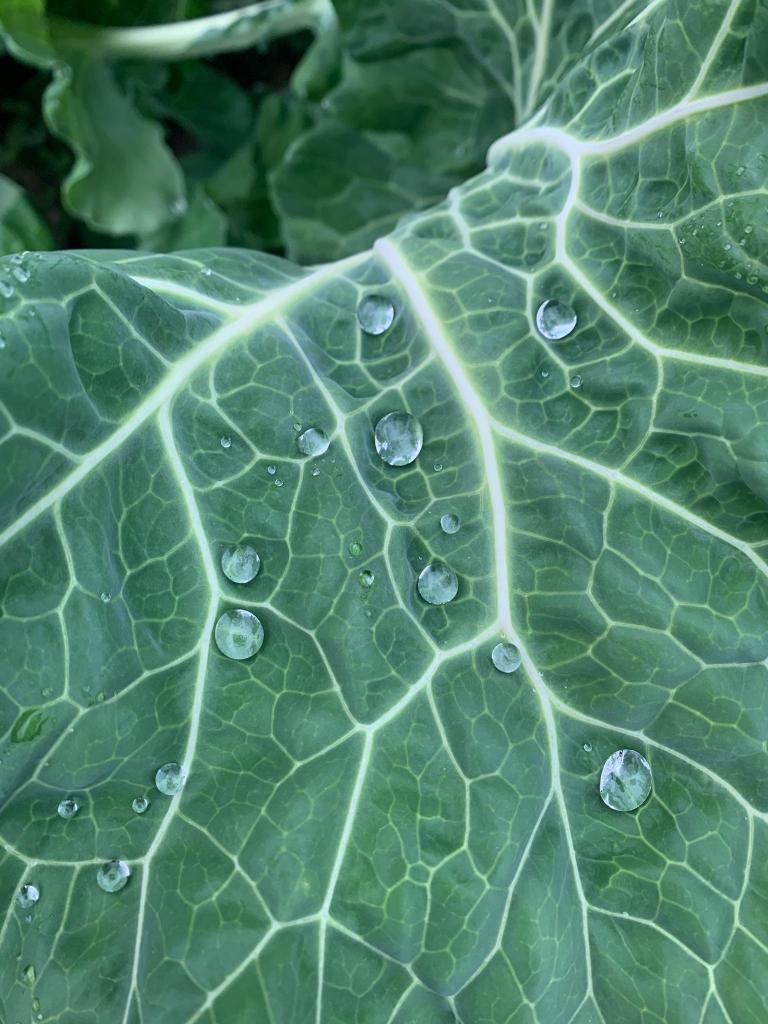
    Zack Snipes reports, “A chilly week in the Lowcountry took out or really slowed down some of our fruiting crops like pepper, tomato, and cukes.  The brassicas and strawberries are loving this weather. One thing I have noticed lately is lots of worm damage on brassica. After talking to many growers, I hear that many are not using adjuvants in their spray tanks.  Adjuvants can help your pesticides work better. A common one I would recommend on brassica crops is the use of a spreader-sticker. Brassica crops have a waxy leaf which repels water. The use of a spreader-sticker will help stick the pesticide droplet to your leaf and the spreader will help reduce surface tension so that the droplets spreads out on your leaf. You will be amazed at how much better coverage you will get with a spreader-sticker and how much better your pesticide will work (organic or conventional pesticide). Adjuvants are cheap, so consider adding some to your tank today.  For more on adjuvants and spray tips, join us on Tuesday night from 6-8 pm for the Organic/Sustainable Farm Meeting via Zoom. The registration link can be found here.

    Many crops have a waxy surface that cause pesticide mixtures to bead up on the plant.  The use of a spreader-sticker would have helped these pesticide droplets spread out and stick to the leaf which helps overall efficacy of your product. Photo from Zack Snipes.

    Midlands

    Justin Ballew reports, “We had two nights last week where temperatures dipped below freezing. After a long fall growing season, the tomatoes, peppers, eggplant and squash are done. Now, growers will be focusing on strawberries, greens and herbs. Strawberries in some fields had developed blooms as a result of the late warm weather. Now that the cold has killed them, it will be important to sanitize them before the spring, as dead blooms can become a significant source of grey mold inoculum. As always, don’t let up on scouting for caterpillars in greens.”

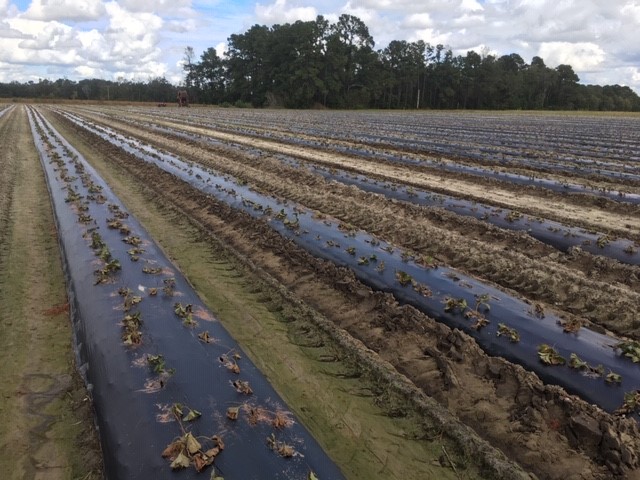
    Due to a warm fall, several strawberry fields have developed some early blooms that have been/will be killed by the cold. Be sure to sanitize these blooms to keep grey mold from having dead tissue to develop on. Photo from Justin Ballew.
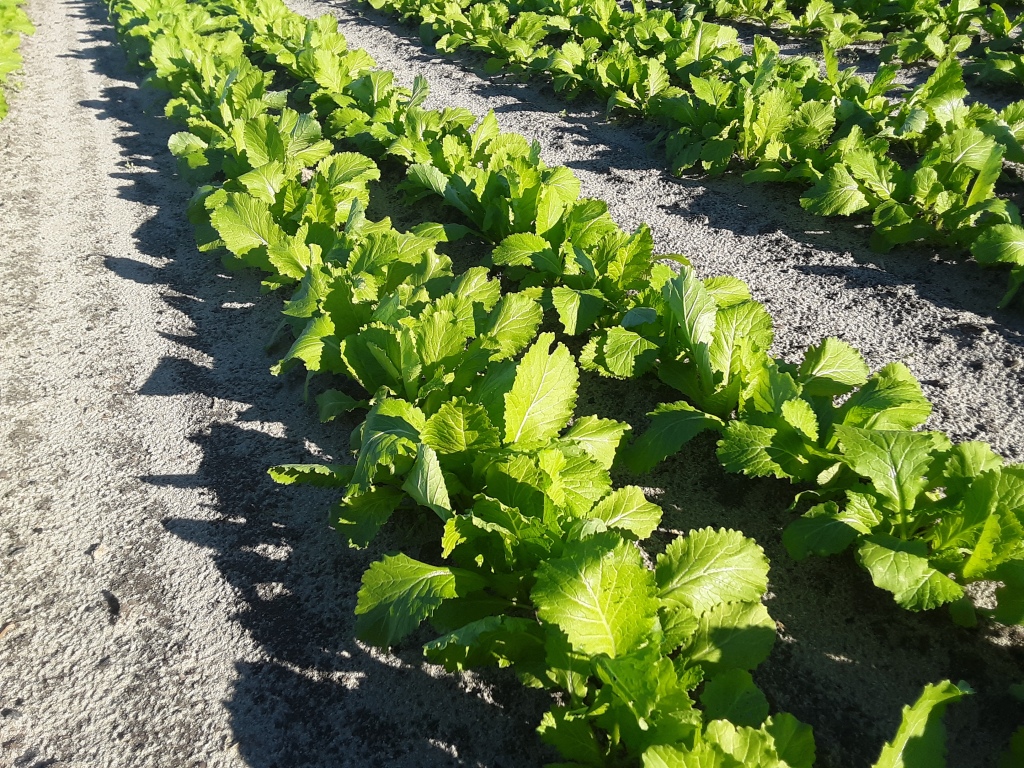
    As the cold weather has finished off other fall crops, growers will be focusing more on greens now. This mustard is off to a great start. Photo from Justin Ballew.

    Sarah Scott reports, “Brassicas are being harvested. Pest pressure is relatively high this season, including aphids and diamondback months. Peach fields are being prepped for new plantings. In areas where armillaria root rot has been an issue in past crops,  growers will use a plow to create burms to plant trees on. Rain has slowed plowing down but there is a dry forecast for the next 7 days.”

  • More Farms Need Training as Produce Safety Inspections Expand in 2021

    COLUMBIA — South Carolina farmers should prepare for training and on-farm inspections as more small farms become subject to the Produce Safety Rule.

    The Produce Safety Rule is part of the FDA Food Safety Modernization Act (FSMA) passed in 2011. It sets federal regulatory standards for the production, harvest and handling of fruits and vegetables in an effort to prevent microbial contamination and reduce foodborne illnesses associated with fresh produce. 

    Produce Safety Rule compliance has been phased in over several years. In 2021, all farm size categories will be subject to routine Produce Safety Rule inspections and training requirements. This includes farms with covered produce sales in the following ranges: Large Farms ($500,000+), Small Farms ($250,000-$500,000) and, for the first time, Very Small Farms ($25,000-$250,000).

    The South Carolina Department of Agriculture (SCDA) has scheduled all six trainings it intends to hold in 2021, with the first two held online (Jan. 27-28 and Feb. 18-19) and subsequent trainings held in Columbia (April 28 and Nov. 16), Greenville (July 13) and Charleston (Sept. 29).

    Visit agriculture.sc.gov/produce-safety to view dates and a link to register. Sessions will be held in conjunction with Clemson Cooperative Extension, and cover such topics as worker health and hygiene; water safety; soil amendments; and postharvest handling.

    Some produce farms may be exempt from the Produce Safety Rule. Visit https://psrexemption.agriculture.sc.gov to view exemption requirements and apply. Farms must reapply for exemption every year.

    Contact Brooke Horton, SCDA’s Produce Safety Outreach Coordinator, at bhorton@scda.sc.gov with further questions.

  • Clemson Extension Agents Provide Crop Updates

    Clemson Extension agents provided updates in The South Carolina Grower this week about the status of various crops being produced throughout the state.

    Weekly Field Update 11/30/20

    Coastal

    Zack Snipes reports, “After a long Thanksgiving nap, I was able to waddle out in the fields and look at some strawberries. We have had some really good strawberry growing weather especially considering most folks got their plants out somewhat late this year. We need some cold weather to slow them down a bit in places. I am seeing a tiny bit of plant collapse and death in some spots within the fields. It is very important to send these plants into our lab to get a positive identification of the pathogen.  Phytophthora crown rot and anthracnose crown rot can cause similar symptoms but are managed completely different. For information on how to submit a sample during COVID times, click here. I am also keeping my eye on a good bit of leaf spotting in some fields to make sure its not the new disease, Neopestalotiopsis. I don’t think we have it yet, but being proactive is better than being reactive.  More information on that disease can be found here.”   

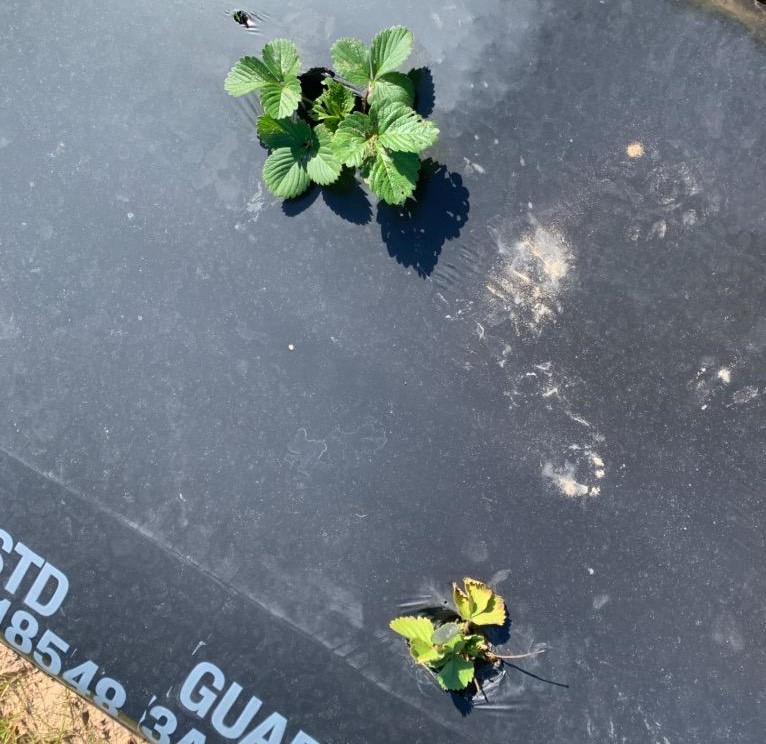
    A healthy and a diseased plant side-by-side.  Perhaps a positive identification of the pathogen can help with management to protect the healthy plant. Photo from Zack Snipes.
    Determining the pathogen responsible for plant collapse can be tricky in the field.  Send in a plant pathology sample to our lab.  Is this anthracnose, phytophthora, or another pathogen? Photo from Zack Snipes.

    Midlands

    Justin Ballew reports, “The mornings were nice and cool last week and we saw light frosts in a few more areas. We’ve been getting a fair amount of rain also. This has the brassica crops looking great. Caterpillar populations are still fairly high. Don’t give up on scouting as it gets cooler this week. Diamondback moth caterpillars and adults can survive for several hours at temperatures well below freezing, so a few nights in the upper 20’s is unlikely to affect them, other than slowing down their life cycle a bit. Don’t give up on scouting for mites in strawberries either. Even though we’ve had some wet weather lately, they’re still out there.”

    Lacinato kale is growing well and looking good. Cropping has already started in this field. Photo from Justin Ballew
    Keep up with scouting for caterpillars as the weather gets cooler. Winters in South Carolina don’t get cold enough to wipe out diamondback moth populations. Photo from Justin Ballew.

    Pee Dee

    Tony Melton reports, “We still have some sweet potatoes in the ground. Greens are growing well except for bacterial diseases. Some diamondback are hard to kill. We are trying everything.”

    Upstate

    Kerrie Roach reports, “With a low of 30 degrees Fahrenheit predicted (Monday night), and 26 degrees F predicted tomorrow night (Tuesday), growers in the Upstate should be making preparations for a hard freeze event. Wind speeds from 10-25 miles per hour have begun, and are expected to continue through Tuesday. So make sure any protective measures are held down tightly!”

  • South Carolina Growers Reminded About CFAP 2 Deadline

    According to the South Carolina Grower, eligible growers are reminded to sign up for the USDA’s Coronavirus Food Assistance Program 2. The deadline is Dec. 11.

    More than 230 fruit, vegetable, horticulture, and tree nut commodities are eligible for CFAP 2 along with honey, maple sap, floriculture and nursery crops. Check to see if the crops you grow are eligible through our Eligible Commodities Finder on farmers.gov/cfap.

    Growers can sign up for CFAP 2 through their local USDA Farm Service Agency.

    Learn more at farmers.gov/cfap or call 877-508-8364 to speak directly with a USDA employee ready to offer assistance. 

  • Farm Credit Associations to Help South Carolina Farms Obtain Organic Certification

    COLUMBIA – Two farm credit associations are supporting organic certification for Palmetto State farmers by supplementing a popular grant program offered by the South Carolina Department of Agriculture (SCDA).  

    Weathers

    The Organic Certification Cost Share Program uses federal money to reimburse producers and handlers of agricultural products up to 50% of their total allowable organic certification costs, up to a maximum of $500 per certification scope. AgSouth Farm Credit, ACA and ArborOne Farm Credit, ACA have generously offered to supplement SCDA’s grant offers with additional funding, for an additional 25% of certification costs up to a maximum of $250 per certification scope. 

    Organic certification can help farmers and food producers find new markets and expand their customer base. The cost share grant helps alleviate some of the financial burden of certification.  

    “I value our partners at ArborOne and AgSouth and their support of South Carolina farmers,” said Commissioner of Agriculture Hugh Weathers. “This is a great example of cooperation that can directly improve agribusinesses’ bottom lines.” 

    To learn more about this new funding opportunity and other cost share reimbursement programs through SCDA, visit agriculture.sc.gov/grants

  • Clemson Extension Agents Provide Crop Updates

    Clemson Extension agents provided updates in The South Carolina Grower this week about the status of various crops being produced throughout the state.

    Weekly Field Update – 11/9/20

    Coastal

    Zack Snipes reports, “It seems like we experience fall and summer in the same day this time of year. I visited a few farms and saw residual damage from whiteflies (silver leaves, virus, and stunted plants). The good news is that overall populations of whiteflies are down this week. The armyworm numbers are still high in a lot of crops, so keep an eye out for those. We have lots of good products for them, so choose something other than a group 3 or 4 insecticide. I have seen some white mold (Sclerotinia sclerotiorum) in some brassica crops this week. I have some great reports from strawberry fields and other not-so-great reports. If you have issues, please call me so we can fix them before they get out of hand.

    White mold symptoms on Brussel sprout. Photo from Zack Snipes.

    Midlands

    Justin Ballew reports, “We had some very warm afternoons this past week. The air has been much drier as well. Young strawberries are responding well and have put out a good amount of new growth. Weak plants caused by J-rooting and deep planting are making themselves evident now. The drier air has allowed some growers to get a handle on the disease issues that have plagued us for the last few weeks. However, there is lots of warm, wet weather in the forecast, so plan your fungicide applications accordingly and rotate modes of action. Other crops are still growing well and we have folks picking tomatoes, squash, beans and various brassicas.

    All the strawberry plants in this small area were J-rooted and subsequently died. Photo from Justin Ballew.

    Sarah Scott reports, “Patchy frost brought an end to some fields of summer crops like squash and zucchini, however, most areas did not see damage from cold temps. Cole crops are progressing nicely, but insect populations are high this fall, including aphids and imported cabbage worms. Strawberry plants have gone in and are taking root and getting established.”

    Caterpillar populations have been high around the ridge this fall. Photo from Sarah Scott.

    Pee Dee

    Tony Melton reports, “Getting dry. Hope we get some rain later in the week. Greens are growing very fast with warm weather. Frost burned the very tops of some crops like sweet potatoes, tomatoes and peas but did not really hurt them much. Very little grasshopper pressure for some reason this fall.” 

  • Clemson Extension Agents Provide Crop Updates

    Clemson Extension agents provided updates in The South Carolina Grower this week about the status of various crops being produced throughout the state.

    Weekly Field Update – 11/9/20

    Coastal

    Zack Snipes reports, “It seems like we experience fall and summer in the same day this time of year. I visited a few farms and saw residual damage from whiteflies (silver leaves, virus, and stunted plants). The good news is that overall populations of whiteflies are down this week. The armyworm numbers are still high in a lot of crops so keep an eye out for those. We have lots of good products for them so choose something other than a group 3 or 4 insecticide. I have seen some white mold (Sclerotinia sclerotiorum) in some brassica crops this week. I have some great reports from strawberry fields and other not so great reports. If you have issues, please call me so we can fix them before they get out of hand.

    White mold symptoms on Brussel sprout. Photo from Zack Snipes.

    Midlands

    Justin Ballew reports, “We had some very warm afternoons this past week. The air has been much drier as well. Young strawberries are responding well and have put out a good amount of new growth. Weak plants caused by J-rooting and deep planting are making themselves evident now. The drier air has allowed some growers to get a handle on the disease issues that have plagued us for the last few weeks. However, there is lots of warm, wet weather in the forecast, so plan your fungicide applications accordingly and rotate modes of action. Other crops are still growing well and we have folks picking tomatoes, squash, beans and various brassicas.

    All the strawberry plants in this small area were J-rooted and subsequently died. Photo from Justin Ballew.

    Sarah Scott reports, “Patchy frost brought an end to some fields of summer crops like squash and zucchini, however, most areas did not see damage from cold temps. Cole crops are progressing nicely, but insect populations are high this fall, including aphids and imported cabbage worms. Strawberry plants have gone in and are taking root and getting established.”

    Caterpillar populations have been high around the ridge this fall. Photo from Sarah Scott.

    Pee Dee

    Tony Melton reports, “Getting dry. Hope we get some rain later in the week. Greens are growing very fast with warm weather. Frost burned the very tops of some crops like sweet potatoes, tomatoes and peas but did not really hurt them much. Very little grasshopper pressure for some reason this fall.” 

  • Clemson Extension Agents Provide Crop Updates

    Clemson Extension agents provided updates in The South Carolina Grower this week about the status of various crops being produced throughout the state.

    Coastal

    Rob Last reports, “Strawberry planting is mostly complete in the area.  Plants received from nurseries have been very good this year, and establishment is progressing well. In fall vegetable crops, Southern army worms continue to be present and numerous. Whiteflies in fall vegetables are beginning to reduce. Disease pressure remains relatively low.”

    Zack Snipes reports, “Strawberry planting continued last week. Bare root plants look good going into the ground. Stay on top of workers to plant them correctly. I saw some patches with “J” roots or long roots that went to the bottom of the hole and back out. Those plants will die or produce considerably less yield than properly planted plants. Also, I have seen and heard reports of spider mites on plug transplants. Check your fields and get out miticide this week if you need it. Fall growth is very important as well as knocking out the existing spider mite populations. Remember that the threshold for spider mites is 4% to 5% of the leaves with a population. And lastly, I have seen AWFUL disease on purchased transplants. If you purchase transplants and they have disease on them, DO NOT plant them. The plants will never produce like they should and you are inoculating the rest of your crops and land with that disease.

    Clean bareroot cutoff plants.  Notice how white or cream colored the crown is and how clean the roots are. Photo from Zack Snipes.

    Midlands

    Justin Ballew reports, “Young strawberries are growing well so far in the midlands. We’ve had good weather for getting the plants established. We are starting to see some spider mites already, so don’t forget that we need to be scouting regularly as soon as the plants are in the ground. If you plan to cover your strawberries for a couple weeks in the fall, getting rid of mites should be priority #1. Other crops are doing well also, though we are seeing high numbers of caterpillars and diseases like black rot, and Alternaria on brassicas have really been ramping up.”

    Discoloration on young plants from spider mite feeding damage. Once populations reach the threshold of 4% infestation, treatments need to be made in a timely manner to keep spider mites from hanging around throughout the winter and into the spring. Photo from Justin Ballew.

    Pee Dee

    Tony Melton reports, “First time I have seen large numbers of yellow-margined beetle in Orangeburg County – we had to treat 1 out of 10 fields for them. If possible do not use a pyrethroid on young greens; it will encourage worm and aphid problems. Still seeing a lot of boron and magnesium deficiency in greens, mostly because farmers are not liming properly, using sul-pho-mag, or using premium fertilizers with minor elements. Spray with boron and many applications of Epsom salts, and the greens will eventually grow out of the problem. Like always, swine cress and corn spurry are awful weeds in greens – to control, I recommend using a stale-bed culture technique before planting. We still have butterbeans, peas and cucurbits in the ground – hope frost stays away until after Thanksgiving.

    Upstate

    Kerrie Roach reports, “High winds, heavy rains and now cold overnight temperatures have laid down a gauntlet for growers in the Upstate over the last week. Many growers in Oconee County lost power from the remnants of Hurricane Zeta for anywhere from 1 to 4 days. Apples are just about finished with mainly Yates and Arkansas Blacks left to pick. Apple growers concerned with fungicide resistance should contact Kerrie to pull Bitter Rot samples now to be sent to the shared lab at N.C. State.”

    Andy Rollins reports, “Finishing up strawberry planting in the upstate. I’ve been inspecting farms and assisting some growers with planting different types of plants they weren’t used to planting. Unlike the pictured transplants some are a little smaller than normal but appear to be healthy at this point. Colder weather is a slight concern as we need decent growing conditions to get them rooted in well. Some may need to use row covers to keep strawberry plants growing during the first 30 days in the ground if temperatures stay low. Peach growers are putting down fall herbicides, and some are preparing to do delay blooming. This involves waiting till at least 50% of the leaves are off of the trees before applying a liquid form of ethylene. Other stipulations are also important regarding temperatures after application. If it is your first time trying this, speak with your county agent to get the correct method.

    Healthy strawberry plug ready to be planted. Photo from Andy Rollins.
  • Clemson Extension Agents Provide Crop Updates

    Clemson Extension agents provided updates in The South Carolina Grower this week about the status of various crops being produced throughout the state.

    Weekly Field Update-10/26/20

    Statewide

    Dr. Matt Cutulle reports, “A good stand of fall cover crops will typically suppress most weeds. However, you may want to pursue herbicide options for cleaning up the weeds that have pushed through the cover crop canopy. If these cover crops act as buffers in fall vegetable crops, one has to proceed with caution regarding herbicide application. The best selective herbicide option for controlling broadleaf weeds in cereal rye would be a low volatility 2,4D or dicamba product ( the low volatility dicamba products may not be available right now). Enlist One is a 2,4D choline formulation. Apply the herbicide with a hooded sprayer using nozzles that produce coarse droplets. We are approaching cooler temperatures, so the conditions do not favor volatility as much as they did in late spring/summer. If you have a clover cover crop and do not want to kill it, do not spray 2,4D. Using a labeled graminicide (clethodim or sethoxydim products) in clover will provide control of grass weeds that have escaped the clover cover. Remember to read the label and use appropriate surfactants with the graminicides for maximizing activity”

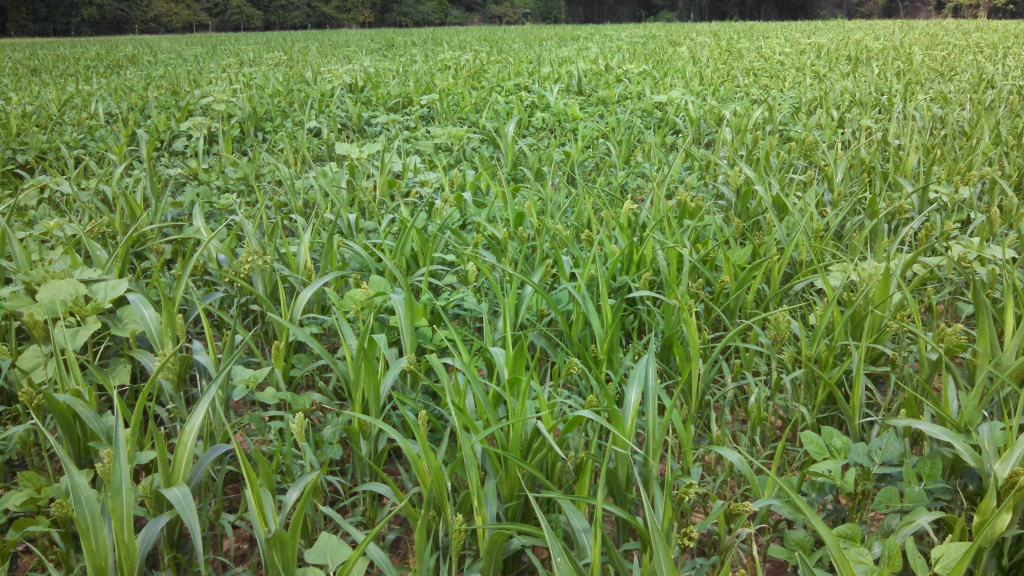
    A good fall cover crop can suppress late summer weeds and early winter weeds.

    Coastal

    Rob Last reports, “Strawberry plants and cut offs are going into the ground in the area. Remember to check roots and crowns before planting and also supervise planting crews to ensure correct depth of planting is achieved. Caterpillar and whitefly on a range of fall crops, pressure remains high in the area so vigilance and regular scouting will be required to spot potential problems.”

    Zack Snipes reports, “This past week was all about strawberries. I visited many farms and saw lots of plastic being laid. I checked many strawberry plants from a multitude of nurseries. Overall, the plants look ok this year. I haven’t found any glaringly obvious root or crown rots and very little foliar issues in our plugs and cutoffs. Overall, the plants are on the smaller side, and I hope for a good fall growing season so they can size up a bit before going into the winter. I saw, on a few farms, issues with calibration and equipment for fertilizer distribution. If you need help calibrating or calculating fertilizer rates, please give me a call. I would be more than happy to come give you a hand. I hate to even mention it but I am already seeing deer tracks in strawberry fields…if you need it…”

    Imagine that…deer tracks in a strawberry field…Get up your fences! Photo from Zack Snipes.

    Midlands

    Justin Ballew reports, “Strawberry planting has wrapped up in the midlands and the earliest transplanted fields are already pushing out new leaves. This cooler, damp weather is much better for getting strawberries established than the dry, 95 degree days we saw this time last year. Be sure to go back through the fields shortly after planting to ensure the plants are set at the proper depth. If any were planted too deep or settled too much after the first overheard watering, gently pull them up to the proper depth and refirm the soil around them. This should be done before new roots start to form. Also, get ready for deer! it doesn’t take them long to find newly planted strawberries.”

    Cutoff transplants pushing out new leaves less than a week after planting. Photo from Justin Ballew.

    Pee Dee

    Bruce McLean reports, “Strawberry planting is going full pace. Much of the acreage was planted in the last half of last week. The remainder will be planted this week. So far, the transplants look very good. Acreage is up compared to last year. Brassicas are (for the most part) looking good. Insects have not been much of an issue – minimal caterpillar occurrences, occasional aphids, and some grasshopper damage. Some fields have experienced some plant stunting and plant losses due to persistent wet soil conditions (root rot). Die-off really started to show on affected plants with last week’s heat. Some growers will begin harvest next week.”

    Strawberry field immediately after planting. Getting ready to turn on the overhead irrigation. Photo from Bruce McLean.

    Upstate

    Kerrie Roach reports, “Late season rot issues have sent some apple growers looking for more answers with fungicide resistance testing. Apple pathologist Sara Villani’s lab at the MHCREC in Mills River, NC is conducting tests to look at resistance to specific modes of action(MOA) and fungicides in Apple production. Harvest in apples is about 80% complete with only a few varieties left to pick.”