Category: South Carolina

  • Clemson Extension, SCDA Schedule Two Remote Grower Trainings

    Clemson Extension and the South Carolina Department of Agriculture (SCDA) have scheduled two Produce Safety Rule Grower Trainings. They will be provided remotely for growers in May. They will be held over two days; May 19 and 20, and during May 27 and 28.
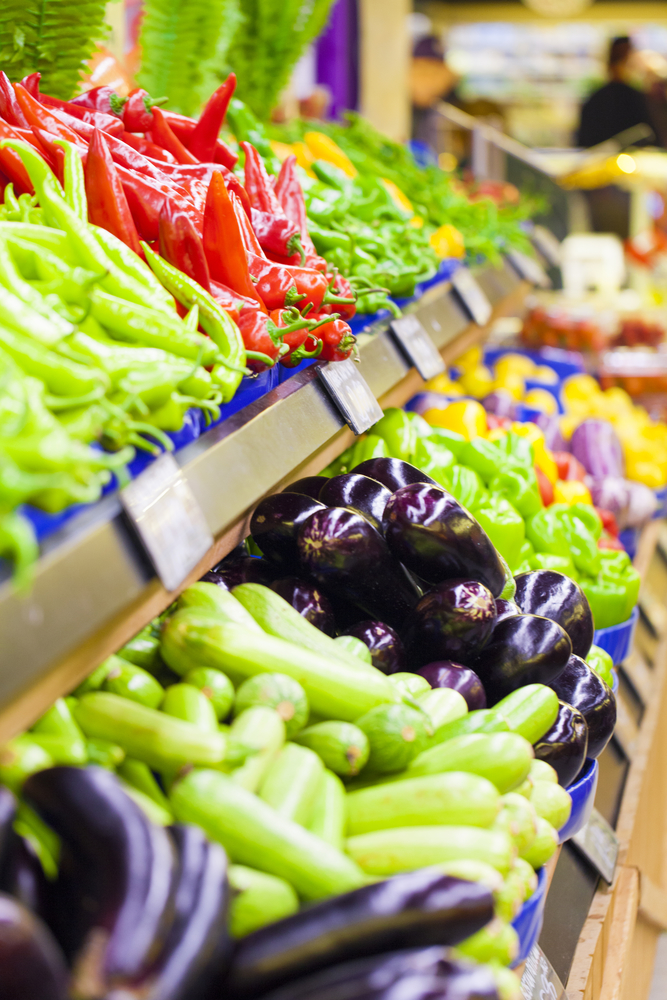
    Produce on sale at a grocery store.

    The in-person training in Sumter on June 23 has been canceled. If these trainings are successful, more online trainings will be offered in the future. The Produce Safety Alliance has made this option available until July 31.

    Per the registration page: “Due to the COVID-19 pandemic, this training is being offered temporarily via remote delivery. In order to participate, individuals must have a webcam and audio capability, and will be required to have both operating during the full course of the training (May 19th 1PM – 5PM & May 20th 1PM-5PM). It is a Produce Safety Alliance requirement that participants are monitored in order to verify participants’ attendance and engagement. Participants will only be eligible for the PSA/AFDO Certificate of Course Completion if they are present for all modules of the course. The training will take place via Zoom, which does not require special software. Zoom does have system requirements, which can be found here:

    https://support.zoom.us/hc/en-us/articles/201362023-System-Requirements-for-PC-Mac-and-Linux.

    Please make sure that your system meets the requirements for Zoom meetings.

    In order to assure a smooth-running training, there is limited space available. Preference will be given to South Carolina growers. If space is available, the training will be open to out of state participants on a first-come, first-serve basis. Out of state participants, please email Brooke Horton to be placed on the waiting list – BHorton@scda.sc.gov.

    The Produce Safety Rule Grower Training Manual v1.2 will be mailed to registrants prior to the training – please be sure that the address you provide at the time of registration is capable of receiving packages. Evaluations and a Zoom link for the training will be sent in a confirmation email prior to the training date.”

    Registration can be found at links below:

    May 19 & 20: https://bit.ly/19May-COVID19SCPSR

    May 27 & 28: https://bit.ly/May27-COVID19SCPSR

  • Cabbage, Broccoli and Other Cole Crop Diseases

    Clemson Cooperative Extension released some diseases that cole crop growers need to be on the look out for this spring.

    Black rot is one of the most serious diseases for cabbage growers.

    Cole crops, such as broccoli, Brussels sprouts, cabbage and cauliflower, are easily grown in South Carolina. Tips for growing healthy cole crops in the garden are available in HGIC 1301, Broccoli, HGIC 1326, Cauliflower and HGIC 1303, Cabbage & Chinese Cabbage. Several disease problems commonly affect these plants, especially when resistant varieties are not planted. Some of the more common problems are covered here, including root and stem rots of young plants, black rot, downy mildew and viruses.

    Pythium Damping-Off

    This disease commonly affects seeds and young transplants and is caused by the soil-borne fungus Pythium species. Infected seeds decay in the soil. Seedlings and young transplants will “damp-off” or rot at the soil line, before they eventually collapse and die.

    Prevention & Treatment: Cultural controls include planting on raised beds and providing good drainage. Start seeds in commercial potting soil, not in garden soil. Use new potting soil and new or thoroughly cleaned and dis-infested containers and trays. Wash used containers with soapy water to remove all traces of old soil mix, and then briefly submerse containers in a 10% bleach solution. Allow to dry before planting in containers.

    If disease has been severe enough in the past to warrant control, the biocontrol fungicide, Bacillus subtilis QST 713, can be used before or at the time of seeding. It can be used for treatment of seedlings in trays or young transplants in the garden.

    Downy Mildew

    This disease is caused by the fungus Peronospora parasitica and can attack both seedlings and mature vegetable plants. Infected plants develop a gray mold on the lower leaf surface. The upper leaf surface of infected plants first turns yellow and then may turn brown or necrotic. Leaves wither and die. Symptoms differ from powdery mildew in that the downy mildew fungus grows only on the lower surface of the leaf. Development of the disease is favored by moist conditions.

    Prevention & Treatment: Use varieties with resistance or tolerance to this disease. Rotate with crops other than cole crops or greens. Remove plant debris immediately after harvest. Use wide plant spacing to promote drying of leaves. Avoid wetting the leaves when watering.

    If disease becomes severe enough to warrant chemical control, chlorothalonil will give good control and copper fungicides will give fair control. Spray every 7 to 10 days after transplants are set. Make sure that the lower leaf surface is covered with fungicide. Do not apply copper when temperatures are above 90 °F. Wait 7 days after spraying before harvesting if using chlorothalonil or mancozeb.

    Alternaria Leaf Spot

    This disease is caused by the fungus, Alternaria species, and occurs during warm, moist conditions. On seedlings, the symptoms are small dark spots on the stem that can cause damping-off or stunting of the plant. On older plants, the bottom leaves are infected first with brown circular spots on the leaves. Spots have characteristic concentric rings (target spots). Infected leaves soon turn yellow and drop. Bright sunshine, frequent dews or showers, and temperatures between 60 and 90 °F favor disease development.

    Prevention & Treatment: Remove and destroy all crop debris immediately after harvest, since this disease overwinters on plant residue. It is easily spread by tools, wind, splashing water or insects. Seed treatment and rotation with crops other than cole crops or greens will also reduce disease. If disease is severe enough to warrant chemical control, chlorothalonil will give good control and copper fungicides will give fair to poor control. Spray every seven to 10 days after transplants are set. Wait 7 days after spraying before harvest if using chlorothalonil.

    For full story, see Clemson fact sheet.

    Clemson Cooperative Extension

  • This Week in VSCNews

    Multimedia Journalist Clint Thompson recaps a few stories from this past week in VSCNews.

  • South Carolina Blueberries Impacted by Recent Cold Temps

    house
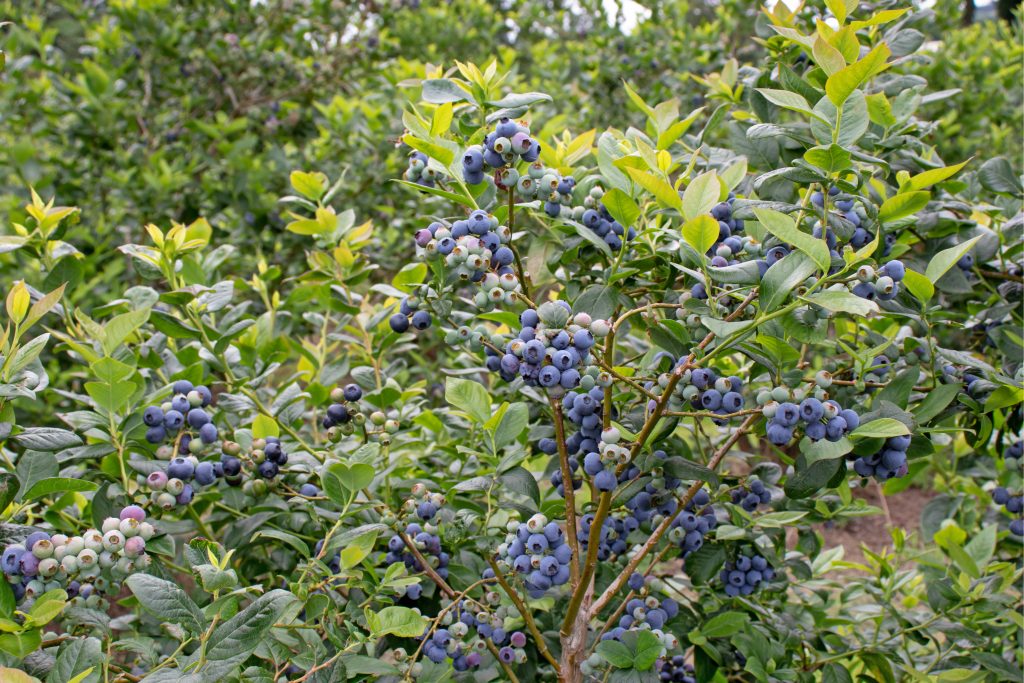
    Highbush blueberries.

    By Clint Thompson

    Recent cold temperatures impacted South Carolina’s blueberry crop, just not to the extent farmers are used to.

    Bruce McLean, Clemson (S.C.) Extension area commercial horticulture agent for Dillon County, Horry County, Marion County and Malboro County, said rabbiteye varieties appear to be the ones most affected.

    “As far as the crop itself, some varieties really look phenomenal. They’re really loaded up, full crop on them. Then there’s some varieties, definitely, the cold has affected,” McLean said. “Surprisingly, seems like what has been affected has really been more rabbiteye blueberries more so than highbush. It’s kind of a weird thing because our normal years tend to be just the opposite. We see a lot of damage to the highbush because they are earlier. Rabbiteyes tend to escape most of any problems. This year it’s been kind of a flip-flop year.”

    McLean thinks where there was an onset of warm weather early in the growing season, it brought a lot of plants into bloom a lot quicker than what it should have.

    “Funny thing is, normally in those years where we come into bloom much earlier, we’ll get a freeze event. It’ll be so severe, it’ll really do some damage to the early blueberries, like highbush. Then rabbiteyes, it’ll do some damage,” McLean said.

    “This year, the onset of warm weather really brought those rabbiteyes, those later varieties, on a little quicker than normal. When it did, they just happen to be at the right stage of bloom when we had a little bit of cold weather.”

    Despite the concerns with the recent cold temperatures, McLean is optimistic about this year’s crop.

    “I’ve been out walking some fields and the crop, for the most part, does look really good overall,” he said.

  • Clemson Extension Agent Optimistic About Muscadine Crop

    Pictured are muscadines hanging off a vine.

    By Clint Thompson

    South Carolina’s muscadine harvest season is still five months away, but the crop looks ripe for a productive season. That optimistic outlook comes from Bruce McLean, Jr., a Clemson (S.C.) Extension area commercial horticulture agent for Dillon County, Horry County, Marion County and Malboro County.

    “I’ve been out a few times, walking vineyards and really looking at them. A lot of the muscadines in my area are more juice and wine type of muscadines, the Carlos or Noble type of varieties or Doreen. Those are looking really, really good,” McLean said. “They’re really just budding out now, just producing floral buds. They’ve been leafed down for a couple of weeks now. So far, they look really nice.”

    McLean said this time of year is designed to help farmers capitalize on their fertility programs. He works with a lot of them 1-on-1 to see what tweaks can be made to their spray programs as well.

    He estimates that there are approximately 100 acres of muscadine vineyards that are produced in South Carolina. These vineyards are mostly 15 to 20-acre vineyards.

    “It’s definitely something that a lot of growers are wanting to be expand out on,” he added. “We’re also trying to help find them markets. And maybe looking at fresh markets to complement as far as the juice and wine market as well.”

    Muscadine harvest in South Carolina is generally reserved for September.

    “It’s still mighty early. Anything can happen. Right now, we’re just looking at spray programs to really protect the crop as much as possible and maximize yields,” McLean said.

  • South Carolina Hopeful for Productive Fruit and Vegetable Season

    By Clint Thompson

    South Carolina is the country’s No. 2 producer of peaches.

    The current coronavirus pandemic has impacted fruit and vegetable farmers across the Southeast. South Carolina producers may be better equipped to deal with the current crisis based off who their normal clientele is.

    “I think everyone here is looking at Florida and is not liking what we see down there but hoping that our situation is a little bit different,” said Eva Moore, communications director at the South Carolina Department of Agriculture. “A lot of our market for our produce is in-state or neighboring states. Whereas I think Florida took a big hit with the tourism industry going away and that sort of thing. We’re in constant communication with our growers, just keeping an eye on things.”

    South Carolina thrives heavily on agriculture as a source of revenue for the state. Moore said there are 4.7 million acres farmed and 25,000 farms. Peaches are the state’s No. 1 fruit. Moore said there were approximately 17,500 acres of peaches in 2017, amounting to $18 million in production.

    Andy Rollins, Clemson Extension agent says the state’s peach crop appears ripe for a productive season this year, pending how the market spirals over the next few months.

    South Carolina is the country’s No. 2 producer of peaches behind California, according to the Agricultural Marketing Resource Center.

    Also, in 2017, there were about 2,800 acres of tomatoes, earning $34 million in production. Watermelon acreage totaled 4,900 with a value of $26 million.

  • South Carolina Hemp Production Ready for Year Three

    agriculture
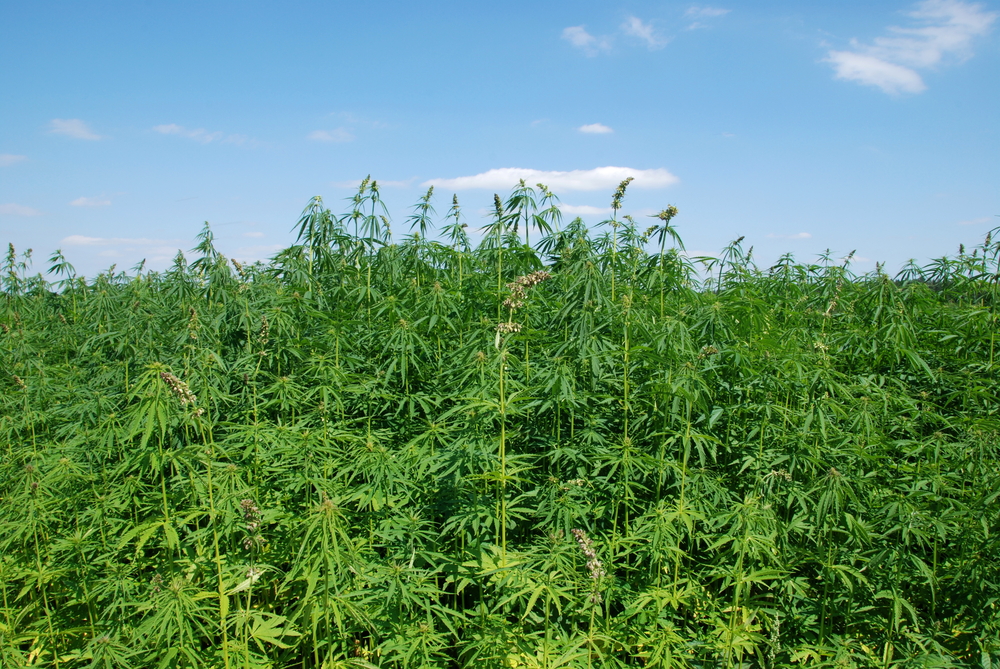
    Pictured is a field of industrial hemp.

    By Clint Thompson

    South Carolina producers interested in growing hemp this season will be issued permits by May 1, according to Eva Moore, communications director for the South Carolina Department of Agriculture.

    South Carolina farmers will be able to produce hemp for the third straight year. Moore said interest has grown each year.

    “We got a lot of support very early on from the South Carolina Legislature to help launch this hemp industry in South Carolina. It was 20 farmers that grew hemp that first year of the program. Last year we ended up with 114, and we’ll have more than that this year. We’ve definitely seen it expand from year to year. Folks get more and more interested,” Moore said. “Obviously, the market for CBD has been what most farmers are growing for so far. We hope to see that diversify a little bit. As the industry grows, maybe some folks will start growing for fiber or potentially like culinary uses, once that all gets worked out.”

    Moore said there are 350 interested applicants this year. Permits are $1,000 each. Farmers also had to pay $100 to apply.

    The state’s focus in increasing its number of processors helped the industry to grow last year.

    “Early on, I don’t think we had enough processors. That was a concern the first year of the program, in particular. Last year we really focused on licensing processors as well so farmers would have a market to sell the hemp to,” Moore said. “We ended last year with 43 licensed processors in the state which was up from one at the beginning of the year. That was a help, I think, to farmers.”

    To learn more, see how the USDA approved South Carolina’s Hemp Farming State Plan.

    “It’s a new industry. It’s a risky one. I think this year we are hoping that the farmers that have some experience can really hit their stride and see it work,” Moore said.

  • South Carolina Peaches Ripe for Productive Season

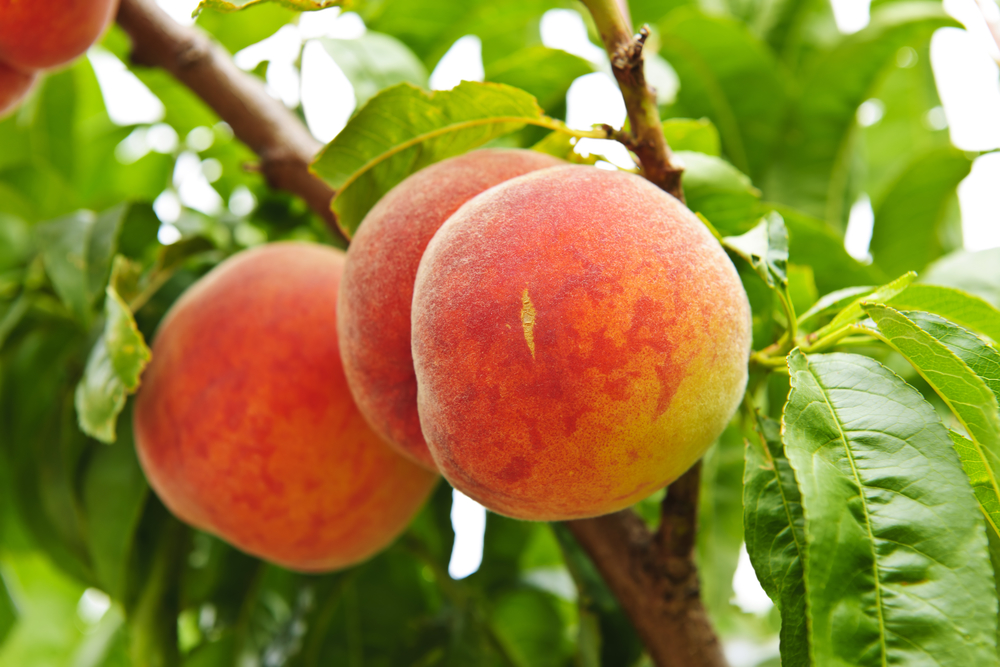
    Ripe peaches ready to pick on tree branches

    By Clint Thompson

    The country’s No. 2 state in peach production appears ripe for a productive season, pending how the market spirals over the next few months, according to Andy Rollins, Clemson Extension agent in Spartanburg, South Carolina.

    “It’s looking really good overall as far as the amount of crop and how clean the crop actually is right now,” Rollins said. “(There’s) a lot of uncertainty, just like everybody, as far as what the market is going to bring. We’re still keeping on. The growers are taking care of everything, spray-wise. It looks to be one of the cleanest crops I’ve ever seen.

    “I’ve spoken with some of the Georgia guys and on the ridge of South Carolina as well, and things look pretty good down there as well.”

    Rollins assists farmers in the upstate or northern part of South Carolina. It amounts to about a third of the state’s crop.

    Farmers across the country are feeling the pinch of an economic downturn amid the ongoing coronavirus pandemic. However, Rollins is encouraged about how early sales are going for his strawberry farmers. He believes a similar fate could await his peach producers when harvests of Flavor Rich varieties begin around May 25.

    “We just started in strawberries and indications are good right now as far as movement of the product with strawberries. Even in this current situation, our wholesale market and several of our U-pick growers are actually doing fairly well,” Rollins said. “But yeah there is still that uncertainty of not sure what’s going to happen later. But really, based on the current situation, things are going pretty well.”

    According to the Agricultural Marketing Resource Center, South Carolina is the country’s No. 2 producer of peaches behind California.

    “It looks like we’re in the clear here at this point in the year. There’s been plenty of years where I’ve said that and that we’ve had events that changed. It seems like I’m saying that every year, but it really is a solid crop. We don’t see any major issues right now with anything,” Rollins said.