Category: South Carolina

  • USDA Announces Details of Direct Assistance to Farmers Through CFAP

    Farmers and Ranchers to Receive Direct Support for Losses Related to COVID-19

    Contact: USDA Press
    Email: press@oc.usda.gov

    (Washington, D.C., May 19, 2020) – U.S. Secretary of Agriculture Sonny Perdue today announced details of the Coronavirus Food Assistance Program (CFAP), which will provide up to $16 billion in direct payments to deliver relief to America’s farmers and ranchers impacted by the coronavirus pandemic. In addition to this direct support to farmers and ranchers, USDA’s Farmers to Families Food Box program is partnering with regional and local distributors, whose workforces have been significantly impacted by the closure of many restaurants, hotels, and other food service entities, to purchase $3 billion in fresh produce, dairy, and meat and deliver boxes to Americans in need.

    “America’s farming community is facing an unprecedented situation as our nation tackles the coronavirus. President Trump has authorized USDA to ensure our patriotic farmers, ranchers, and producers are supported and we are moving quickly to open applications to get payments out the door and into the pockets of farmers,” said Secretary Perdue. “These payments will help keep farmers afloat while market demand returns as our nation reopens and recovers. America’s farmers are resilient and will get through this challenge just like they always do with faith, hard work, and determination.”

    Beginning May 26, the U.S. Department of Agriculture (USDA), through the Farm Service Agency (FSA), will be accepting applications from agricultural producers who have suffered losses.

    Background:

    CFAP provides vital financial assistance to producers of agricultural commodities who have suffered a five-percent-or-greater price decline due to COVID-19 and face additional significant marketing costs as a result of lower demand, surplus production, and disruptions to shipping patterns and the orderly marketing of commodities.

    Farmers and ranchers will receive direct support, drawn from two possible funding sources. The first source of funding is $9.5 billion in appropriated funding provided in the Coronavirus Aid, Relief, and Economic Stability (CARES) Act to compensate farmers for losses due to price declines that occurred between mid-January 2020, and mid-April 2020 and provides support for specialty crops for product that had been shipped from the farm between the same time period but subsequently spoiled due to loss of marketing channels. The second funding source uses the Commodity Credit Corporation Charter Act to compensate producers for $6.5 billion in losses due to on-going market disruptions.

    Non-Specialty Crops and Wool

    Non-specialty crops eligible for CFAP payments include malting barley, canola, corn, upland cotton, millet, oats, soybeans, sorghum, sunflowers, durum wheat, and hard red spring wheat. Wool is also eligible. Producers will be paid based on inventory subject to price risk held as of January 15, 2020. A payment will be made based 50 percent of a producer’s 2019 total production or the 2019 inventory as of January 15, 2020, whichever is smaller, multiplied by the commodity’s applicable payment rates.

    Livestock

    Livestock eligible for CFAP include cattle, lambs, yearlings and hogs. The total payment will be calculated using the sum of the producer’s number of livestock sold between January 15 and April 15, 2020, multiplied by the payment rates per head, and the highest inventory number of livestock between April 16 and May 14, 2020, multiplied by the payment rate per head.

    Dairy

    For dairy, the total payment will be calculated based on a producer’s certification of milk production for the first quarter of calendar year 2020 multiplied by a national price decline during the same quarter. The second part of the payment is based a national adjustment to each producer’s production in the first quarter.

    Specialty Crops

    For eligible specialty crops, the total payment will be based on the volume of production sold between January 15 and April 15, 2020; the volume of production shipped, but unpaid; and the number of acres for which harvested production did not leave the farm or mature product destroyed or not harvested during that same time period, and which have not and will not be sold. Specialty crops include, but are not limited to, almonds, beans, broccoli, sweet corn, lemons, iceberg lettuce, spinach, squash, strawberries and tomatoes. A full list of eligible crops can be found on farmers.gov/cfap. Additional crops may be deemed eligible at a later date.

    Eligibility

    There is a payment limitation of $250,000 per person or entity for all commodities combined. Applicants who are corporations, limited liability companies or limited partnerships may qualify for additional payment limits where members actively provide personal labor or personal management for the farming operation. Producers will also have to certify they meet the Adjusted Gross Income limitation of $900,000 unless at least 75 percent or more of their income is derived from farming, ranching or forestry-related activities. Producers must also be in compliance with Highly Erodible Land and Wetland Conservation provisions.

    Applying for Assistance

    Producers can apply for assistance beginning on May 26, 2020. Additional information and application forms can be found at farmers.gov/cfap. Producers of all eligible commodities will apply through their local FSA office. Documentation to support the producer’s application and certification may be requested. FSA has streamlined the signup process to not require an acreage report at the time of application and a USDA farm number may not be immediately needed. Applications will be accepted through August 28, 2020.

    Payment Structure

    To ensure the availability of funding throughout the application period, producers will receive 80 percent of their maximum total payment upon approval of the application. The remaining portion of the payment, not to exceed the payment limit, will be paid at a later date as funds remain available.

    USDA Service Centers are open for business by phone appointment only, and field work will continue with appropriate social distancing. While program delivery staff will continue to come into the office, they will be working with producers by phone and using online tools whenever possible. All Service Center visitors wishing to conduct business with the FSA, Natural Resources Conservation Service, or any other Service Center agency are required to call their Service Center to schedule a phone appointment. More information can be found at farmers.gov/coronavirus.

  • Clemson Vegetable Pathologist Cautions Growers About Potential Diseases

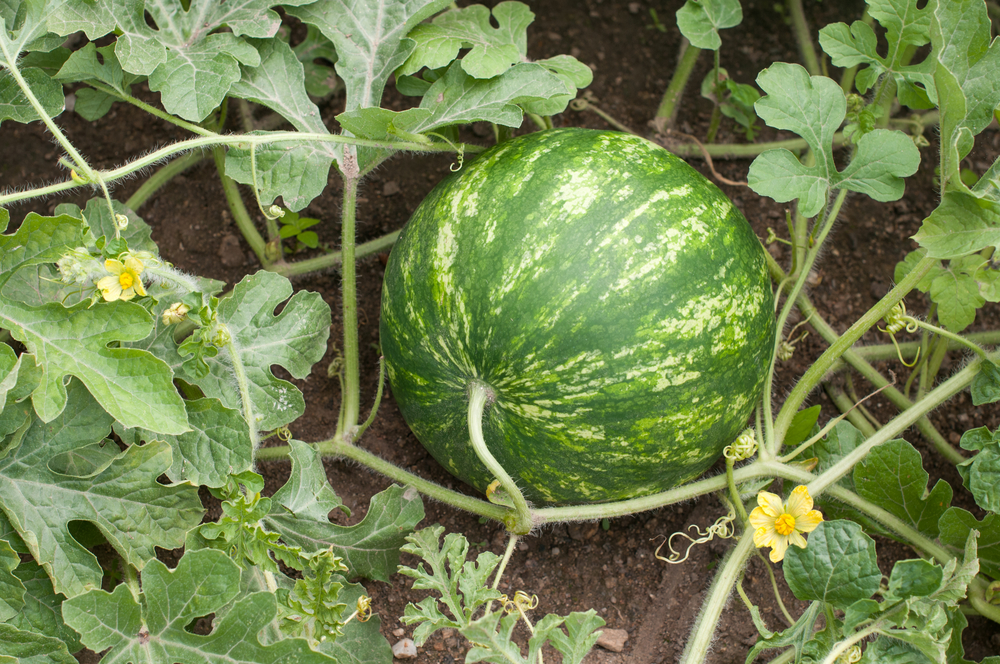
    Pictured is downy mildew disease’s impact on vegetables.

    By Clint Thompson

    One Clemson Extension vegetable pathologist has observed downy mildew disease and fusarium oxysporum f. sp. niveneum disease on his research plots and cautions vegetable growers in South Carolina to be on the lookout for both.

    “This is strictly based on observations from my research plots here in Charleston. I have not been out to any commercial fields,” Tony Keinath said.

    Keinath reported downy mildew, a cool-season pathogen, on brassicas and can especially impact kale and collard.

    “For downy mildew on collard, the pathogen prefers to grow in cool temperatures. Once the temperature reaches 85 degrees F, the pathogen basically goes dormant until late fall. And it probably survives in crop debris. It’s dormant, it’s not active at all,” Keinath said.

    South Carolina has experienced cooler temperatures this spring, especially the timeframe between the end of April and first two weeks in May. Downy mildew mainly affects the lower leaves but will sometimes move to the larger leaves in the middle of the plant.

    “Because it causes leaf spots on the leaves and the leaves are what the growers are harvesting … even a small amount of downy mildew means the leaves can not be harvested,” Keinath said.

    Fusarium’s Impact

    Fusarium is also active in cool soil temperatures. It infects roots when the soil temperatures are below 82 degrees F. Unfortunately, if growers observe fusarium damage, there isn’t anything they can do to treat the disease. Fungicides need to be applied during transplanting.

    “If you spray them at this stage it’s too late because all the fungicides do is prevent infection. Once the fungus has gotten into the plant, then the fungicide does not work anymore,” Keinath said. “If they want to use grafted plants because the rootstocks are resistant to fusarium, that’s obviously something that has to be done at transplanting.

    “They should make note of how widespread it is in a given field this year. Then if it’s (bad) enough to cause yield loss, they need to plan to use a control measure the next time they plant watermelons in that same field.”

    There are different control measures available. One could be the watermelon variety and if it’s tolerant to the disease. Growers can also utilize varieties that produce medium to large size fruit. If you plant a variety that was bred to produce small fruit and you plant that in a fusarium-infested field, then a lot of those fruit will not reach marketable size.

    Growers can also utilize hairy vetch as a winter cover. It will provide some suppressive effect on fusarium. Producers can also apply fungicides to the row bed before they lay plastic. Or they can do it through drip irrigation the same day as transplant.

  • More Questions Than Answers With Respect to CFAP

    By Clint Thompson

    The Coronavirus Food Assistance Program (CFAP) has brought more questions than answers with respect to financial aid for growers in response to the ongoing coronavirus pandemic.

    The $19 billion program includes $16 billion in direct payments for farmers and ranchers. CFAP has payment restrictions of $125,000 per commodity and a total of $250,000 per applicant for all commodities. Growers and industry leaders hope that cap on payment restrictions gets removed.

    “For specialty crop growers, $125,000 is a drop in the bucket for most of their losses,” said Charles Hall, executive director of the Georgia Fruit and Vegetable Growers Association.

    Florida vegetable farmer Paul Allen, talked about the financial toll the pandemic had on him and his farming brethren.

    “The biggest thing right now is the government allocated per crop a cap of $125,000, which is nothing. We’re really working trying to get the USDA to see and understand the massive hit that Florida is taking and raise the direct payment caps,” Allen said. “What is fair is not always equal.

    “It costs 10 times to grow vegetable crops what it does regular commodity crops.”

    Pandemic Punishes Producers

    In a previous interview in early April, Allen said he left about 2 million pounds of green beans in the field and about 5 million pounds of cabbage. All due to the coronavirus pandemic that shut restaurants down and closed off a major supply chain to foodservice industries.

    Perdue

    According to an AgNet West story, a group of lawmakers, which included 28 members of the U.S. Senate and 126 members of the U.S. House of Representatives, issued a letter to President Donald Trump and USDA Secretary Sonny Perdue. They asked for the removal of payment caps from CFAP before the final program details are announced.  The letter points out that the payment restrictions would limit the effectiveness of the program. This is especially true for livestock, dairy and specialty crop producers.

    Another concern is how payments will be divided between losses sustained before and April 15. An 85% payout will be issued for losses sustained from January 1 to April 15 but only 30% after April 15.

    “Our concern was what’s the difference in a loss after April 15 and before April 15. After April 15, that grower has got the same loss as before April 15. Most of our growers’ losses will come after April 15,” Hall said. “We’ve been told that’s going to be fixed, too. I haven’t seen anything firm from the USDA on that.”

  • Watermelon Farmer Hopes to Capitalize on High Prices

    Watermelons are in short supply and high demand right now.

    By Clint Thompson

    Watermelons are in short supply and high demand right now. Alabama produce farmer Art Sessions hopes to capitalize when his crop becomes ready the first week in June.

    “We’ve been getting watermelons out of Florida and they are scarce. Everything coming out of Florida is really tight on account of this virus deal,” said Sessions, who also said there’s high demand for tomatoes as well. “It’s really affecting the supply chain pretty bad. A lot of the product are short, like tomatoes. Tomatoes are as high as I’ve ever seen them for this time of year. From what I’ve gathered, a lot of the pickers left on account of this virus.”

    Sessions Farm is in Grand Bay, Alabama. It produces approximately 50 acres of watermelons, starting with a few yellow-meat varieties in the next couple of weeks. He has had to buy watermelons from Florida and can attest to the high costs farmers can sell their crop for.

    “They’re pretty high right now, sure are. They aren’t outlandish. They’re pretty reasonable. We’ve been buying a lot of Florida. They are higher than normally what we would sell ours for,” Sessions said.

    Shortage by Memorial Day?

    Carr Hussey, a watermelon farmer in Florida and Alabama and chairman of the board of the Florida Watermelon Association, confirmed on Tuesday that watermelons are in short supply and there could be a shortage by Memorial Day. He said prices are around 20 cents per pound right now but could improve to 22 or 24 cents around Memorial Day weekend.

    This could lead to continued higher prices for farmers in North Florida, Alabama and Georgia when they start harvesting their crops in June.

    Sessions wonders if the current coronavirus pandemic impacted the supply chain.

    “I think a lot of guys, when this thing hit, they backed out of planting. They didn’t plant as much,” Sessions said. “We had already planted when this thing hit, or we would have backed way off. Just the uncertainty of not knowing if you’re going to be able to sell your crop. A lot of folks we sell to shut down and they are just now opening things back up. That’s one reason the prices on some of this stuff is strong because everybody now is wanting stuff and it’s hard to get.”

  • Researchers Identify Romaine Lettuces That Last Longer

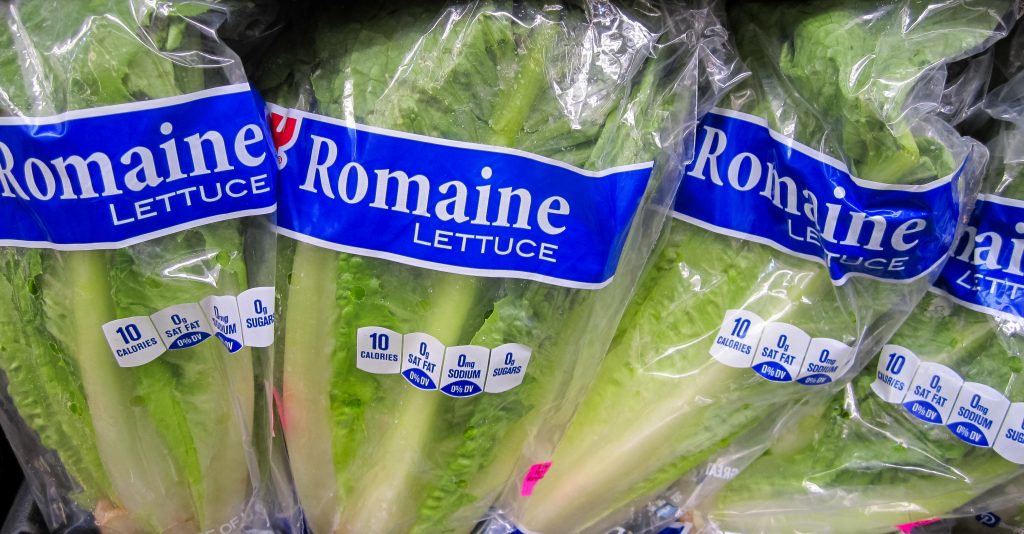
    romaine lettuce
    Fresh romaine lettuce on display at local grocery store.
    Credit: The Toidi / Shutterstock.com

    ARS News Service

    SALINAS, CALIFORNIA, May 13, 2020—Agricultural Research Service (ARS) scientists have identified five Romaine lettuce varieties that both brown less quickly after fresh-cut processing and are slower to deteriorate postharvest.

    They also are determining the genetic basis for deterioration. The researchers have identified the location of genes associated with postharvest deterioration of fresh-cut lettuce, and are in the process of identifying genes associated with browning, two economically important traits. This will speed up development of new Romaine varieties with better shelf-life because now lettuce breeders will be able to check that offspring carry these genes without needing to grow out and destructively test for browning and deterioration resistance.

    Lettuces are the most popular, commercially produced, leafy vegetables in the world. They have a farmgate value of more than $2.5 billion in the United States in 2017, making them one of top ten most valuable crops for the country. But fresh-cut lettuce is a highly perishable product.

    “The inability to evaluate for deterioration early in the process of developing new varieties has been a real impediment to breeding advances. Now having these molecular markers means that slow deterioration and eventually less browning can be more easily integrated into lettuce breeding, traits that are important economic considerations,” said research geneticist Ivan Simko with the ARS Crop Improvement and Protection Research Unit in Salinas, California, who led the deterioration study.

    When you consider browning and deterioration ratings together, the best breeding lines for commercial production, and also for use as parents to develop new varieties are (in alphabetic order): Darkland, Green Towers, Hearts Delight, Parris Island Cos, and SM13-R2, which is a breeding line developed at the ARS lab in Salinas.

    In addition, the researchers found the chromosome region that contains the genes for slow deterioration also contains four genes (Dm4, Dm7, Dm11, and Dm44) and one DNA region (qDm4.2) that code for resistance to downy mildew—one of the most-costly lettuce disease.

    This colocation indicates a strong linkage between one or more of the four genes and the rate of deterioration. DNA-based markers can be used to develop new breeding lines with slow rate of deterioration and desirable combinations of resistance genes.

    Deterioration is the rupture of cells within lettuce leaves, leading to waterlogging and the lettuce turning to mush. Browning is the discoloration of the edges of lettuce after cutting or tearing. Either development can spoil the leafy vegetable’s value by decreasing shelf life.

    In an effort to control browning and prolong shelf life, lettuce processors have been turning to modified atmosphere packaging and flushing bags of cut lettuce with nitrogen gas to reduce oxygen levels in the bags.

    But these practices are costly. They also can lead to other problems such as off-odors and, when coupled with high storage temperatures that promote anerobic bacteria growth on the bagged lettuce.

    “Our study was aimed at finding lettuces that possessed low browning potential without the need for limiting the oxygen supply,” explained research food technologist Yaguang (Sunny) Luo, who led the browning study. Luo is with the ARS Food Quality Laboratory in Beltsville, MD.

    Like deterioration, there was significant correlation between high resistance to browning and pedigree, which gives promise that lettuce breeders will be able to improve the trait and incorporate it into new varieties, Luo added.

    This research was published in Horticulture Research and Postharvest Biology and Technology.

    The Agricultural Research Service is the U.S. Department of Agriculture’s chief scientific in-house research agency. Daily, ARS focuses on solutions to agricultural problems affecting America. Each dollar invested in agricultural research results in $20 of economic impact.

  • Specialty Crop Industry Protocols Keep Workers Safe During COVID-19

    A national coalition of 64 organizations representing specialty crop producers sent a letter to Congressional leadership this week on safety protocols within the industry during COVID-19. They want Congress to know the steps agricultural employers are taking to protect their workers.

    “Farmers and ranchers across the country moved quickly to implement new employee safety protocols early in the crisis,” says National Council of Agricultural Employers President Michael Marsh. “While America was being placed on lockdown, agricultural employers were already at work trying to figure out how to best protect their employees and the public.”

    The letter details the collaboration between the agriculture industry, public health experts, and regulatory officials to develop the best safety practices in the field and packing. As future rounds of COVID-19 pandemic legislation is debated, the coalition is asking congressional leaders to acknowledge the widespread employee protection protocols that are already in place, as well as provide additional support to help agricultural employers continue to meet the needs of their employees.

    The Western Growers Association, a member of the coalition, is asking Congress to “extend current relief efforts for agriculture, and to include additional funding for personal protective equipment and other measures to offset the costs of maintaining an essential workforce during COVID-19.”

    (From the National Association of Farm Broadcasters)

  • Yield Scientific Establishing Operations in South Carolina

    More than $30 million investment to create 107 new jobs

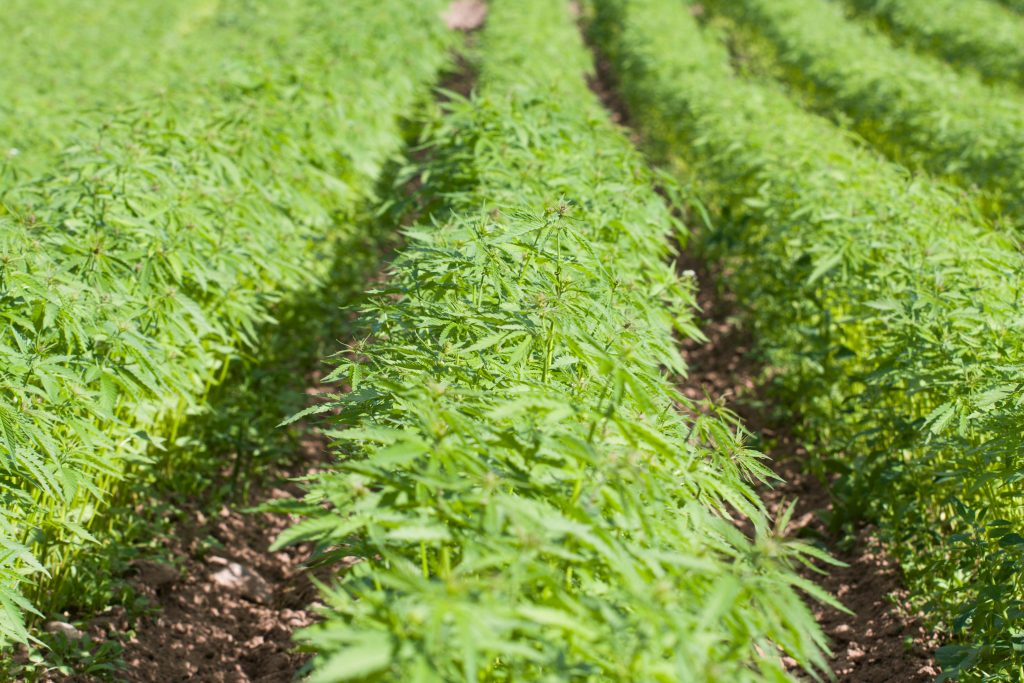
    Pictured is a field of hemp.

    COLUMBIA – Yield Scientific, a subsidiary of GEM Opportunity Zone Fund, today announced plans to establish operations in Hampton County, South Carolina. The company’s $30 million-plus investment is projected to create 107 new jobs.

    Founded in 2017, Yield Scientific is a hemp growing and processing operation that specializes in clinical-grade product development for the health care industry. Through its brand Victis CBD, the company offers CBD products developed with high quality standards and advanced science.

    Located at Southern Carolina Industrial Campus in Early Branch, Yield Scientific’s new facility will enhance the company’s product development and manufacturing capabilities.

    The new operations are expected to be online by the first quarter of 2021. Individuals interested in joining the Yield Scientific team should visit yieldsci.com.

    The Coordinating Council for Economic Development has approved job development credits related to this project. Hampton County was also awarded a $50,000 Rural Infrastructure Fund grant to assist with costs related to this project.

    QUOTES

    “We are very pleased to join the Hampton County community of corporate citizens. Through Yield Scientific and the Victis CBD brand, we will invest over $30 million and create 107 jobs in a pharmaceutical-grade growing and processing complex within the Southern Carolina Industrial Campus in Early Branch. Our project would not have happened without the support and work of the SouthernCarolina Alliance team, the Department of Commerce, the Department of Agriculture and Hampton County.” –GEM Opportunity Zone Fund CEO Zeb Portanova

    “We’re thrilled that Yield Scientific has chosen to invest in South Carolina’s growing hemp industry and her people, creating more than 100 good jobs in one of our state’s rural gems.” –Gov. Henry McMaster

    “Yield Scientific is a wonderful addition to South Carolina’s burgeoning hemp industry. Their greenhouse operations and processing capacity will create skilled agriculture jobs – and in an Opportunity Zone, no less.” –Commissioner of Agriculture Hugh Weathers

  • South Carolina Farmers Ready to Plant Hemp Crop

    hemp program
    South Carolina farmers are expected to start planting hemp this week.

    By Clint Thompson

    The first hemp plantings in South Carolina will be conducted this week, according to David DeWitt, Hemp Program Coordinator with Clemson University Extension. He believes there will be more hemp growers this year with smaller acreage compared to previous years.

    “I think we shifted some from last year at this time when we were getting started. Everybody was jazzed up and we had some good-sized farmers that were getting ready to plant larger acres; 30 to 40 acres of hemp,” David DeWitt said. “I think a lot of that has subsided this year. The lack of demand, backlog in farms to the processor is the kind of thing we’re experiencing. Some of that has calmed down.”

    This is the third year that South Carolina farmers will be able to produce hemp. Interest has grown each year the crop has been produced. Eva Moore, communications director for the South Carolina Department of Agriculture, said there were 350 interested applicants this year. The Department of Ag issued the permits during the last week in April.

    DeWitt said the planting window last year was from late-May to mid-June, though he said there were some who planted the first week in May and produced a pretty good crop.

    He’ll also be a part of some hemp research this year. The research is mainly designed to assist growers with hemp management decisions. The research will evaluate weight, CBD content and harvest time, as well as test chemical products on hemp mites.

    To learn more, see how the USDA approved South Carolina’s Hemp Farming State Plan.

  • USDA Report Yields Results for 2019 noncitrus/nuts season

    Georgia’s pecan crop accounts for 29% of the nation’s production.

    By Clint Thompson

    The United States Department of Agriculture National Agricultural Statistics Service released its findings for noncitrus fruits and nuts in the Southern Region for the 2019 crop year. These estimates were based on grower surveys.

    Avocados: Florida’s production of avocados was up 88% from 2018. Its value of production was up 54%. Yields rebounded in 2019. Utilized production for the 2019 crop year was 25,540 tons.

    Blueberries: Georgia led the nation with 21,700 harvested acres in 2019. Utilized production was up 76%, and value of production was up 52% from 2018’s hurricane-damaged crop. Georgia produced 95,900 pounds. Utilized production in Florida was up 16%, while value of production was up 3%. Florida produced 24,200 pounds.

    Peaches: In Georgia, utilized production was up 44% and value of production was up 58% from the crop in 2018. Georgia utilized 33,780 tons of production. South Carolina’s utilized production was up 8%, while value of production was up 20%.

    Pecans: Georgia’s pecan crop accounts for 29% of the nation’s production. It had a 4% increase in utilized production and a 21% increase in value of production in 2019. The lingering impact from Hurricane Michael in 2018 and the dry summer in 2019 impacted the crop. Georgia produced 73,000 pounds.

    Strawberries: Florida’s utilized production was down 18% from last year, while its associated value of production was up 9%.

    For more information, see full USDA report.

  • Nutsedge Management Key to Vegetable Production in South Carolina

    By Clint Thompson

    Weed management in vegetables is critical for growers in South Carolina, says Matthew Cutulle, Clemson Extension vegetable weed specialist.

    Photo submitted by Matthew Cutulle, Clemson/Shows nutsedge in sweet potato.

    Especially for sweet potato growers, yellow nutsedge is a problem in South Carolina fields. It will rob sweet potatoes of essential water and nutrients if growers don’t successfully manage it..

    “What makes a weed so successful is that their initial growth or competition is greater than the crop. The crop, usually at the end of the season, they’re more competitive. That early competition is really problematic,” Cutulle said. “That underground competition seems to have more of a negative effect on sweet potato and tuber production.”

    Why is it Such a Problem?

    Nutsedge, which can be prevalent in any field with any crop, adapts to different growing conditions and thrives on intense sunlight. It is most prevalent in fields with a lot of spacing between rows or between plants in rows.

    “I think (where) it’s one or two plants per square foot, you’re going to get an 80% reduction in yield,” Cutulle said. “I feel that if you have a field that’s inundated with nutsedge, that’s almost like 100% yield loss. The grower’s not going to want to go in with a sweet potato digger.”

    Cutulle said there are multiple options to try to contain nutsedge. The best way is to use a cover crop.

    “A good way to do it is to rotate the field. There’s a cover crop called ladino clover that Brian Ward, the horticulturist I work with, has used. He’s seen ladino clover suppress nutsedge 75% relative to the non-cover crop control. That’s a good way, if you can take the field out of rotation, grow ladino clover,” Cutulle said. “A technique we tried to reduce the weed seedbank or weed tuber bank is stale seedbed technique. You cultivate the land, almost treat it like you’re about to plant. Allow the weeds to come up and cultivate again and burn them down with a residual herbicide or a flame weeder. Get it multiple times to try to reduce the amount of viable weeds in that field.”