Category: Hemp

  • Georgia: Ag bills still in play when session paused

    Georgia State Capitol Building in Atlanta, Georgia, USA. Photo credit: © f11photo / Adobe Stock

    By Will Bentley

    It’s a surreal moment in Georgia politics as two years of policy work hangs in the balance after lawmakers pressed the pause button on the 2020 legislative session due to the coronavirus pandemic. Before turning our full attention to working with state and federal leaders to navigate through the heath crisis, the Georgia Agribusiness Council (GAC) was actively engaged with legislators. Several bills of importance were still in play when things came to a halt.

    Much of the early talk in the Capitol centered on Georgia’s budget as Gov. Brian Kemp called for across-the-board cuts to government agencies and programs. Debate was intense behind the scenes as everyone fought for their piece of the budget pie. Led by Chairman Terry England in the House and the late Senator Jack Hill in the Senate, Georgia agriculture fared relatively well. We were pleased to see many areas of importance, such as the department of ag and University of Georgia Extension specialists, saved from the deep cuts that first seemed imminent at the beginning of the session.

    Many of the budget discussions are now irrelevant with lawmakers presented with a completely different scenario for budgeting for the 2021 fiscal year after a shutdown of the state and national economies.

    RIGHT TO FARM ACT
    Georgia Agribusiness Council’s Jake Tench and Will Bentley present Gov. Brian Kemp with a pair of Georgia-grown Wrangler jeans. Also pictured are Rep. Gerald Greene and House Ag Chairman Tom McCall.

    After flying through the Georgia House of Representatives during the 2019 session, the Georgia Right to Farm Act (HB 545) remained tabled in the Senate as lawmakers continued to be badgered with misinformation from several environmental activist groups. The Right to Farm Act would provide added protections for Georgia’s farmers against frivolous “nuisance” lawsuits and would provide these protections evenly across all segments of agriculture, including fruits and vegetables.

    This bill is vitally important to close loopholes in our current law and is supported by Gov. Kemp and leaders from both the House and Senate. If and when lawmakers resume the 2020 session, the final vote will be extremely close.

    DISASTER PAYMENTS AND TAXES

    HB 105 by Rep. Sam Watson, a South Georgia produce and cattle farmer, would exempt Hurricane Michael disaster payments from state income taxes. The bill passed through the House in 2019 and passed through the Senate shortly before crossover day. The main sections of the bill exempt payments from the U.S. Department of Agriculture (USDA) directly related to Hurricane Michael from state income taxes.

    However, lawmakers in the Senate used the bill as a vehicle and attached additional language that deals with the taxation of ride share services in Georgia. While we often use Uber and other ride-sharing platforms to get around Atlanta during the legislative session, we focused our support on the portions of the bill that will have real impacts on agribusiness in Georgia. This bill moved far enough prior to the shutdown to make its way to the governor’s desk for final signature.

    HEMP LEGISLATION

    Georgia’s hemp program was a hot topic all year and lived up to the hype during the session. We worked to ensure loopholes in Georgia’s laws were removed and also worked to secure much needed funding for the program to be properly administered. This legislation primarily focuses on five key changes to last year’s legislation that was signed into law. These changes include:

    1. Cleaning up the language within the bill to include and align with the rules and regulations that were released by USDA last year.
    2. Allowing colleges and universities within the state to do on-farm research and to have a contractual agreement with third parties for this research.
    3. Adding language to allow greenhouse growers to sell plants to other growers and to also allow for growers to sell to processors in other states that have a USDA-approved plan.
    4. Increasing processor permit fees to $25,000 for the first calendar year and a $50,000 permit fee for renewal every year thereafter. This aims to make the regulatory program self-sustainable.
    5. Codifing transportation requirements to call for documentation of the load.

    The department of ag has already begun working with hemp growers and processors, and we are excited to see if this new crop option will provide a boost to agribusiness in the state like it has been touted to do.

    TAX EXEMPTIONS FOR FOOD BANKS

    A bill by Rep. Houston Gaines that now has added significance is HB 882, which would extend tax exemptions for food banks. This bill would eliminate the sunset period for the exemption from state and certain local sales taxes for the sale of food to qualified food banks. It would also expand the exemption for the use of food donated to qualified nonprofit agencies to include disaster relief. With food banks playing a large role in the coronavirus relief efforts, we hope that this bill will be considered in the Senate as soon as lawmakers return to conclude the session.

    AG STRUCTURE EXEMPTIONS

    HB 690, by Rep. James Burchett, passed the House with a vote of 169-1. This bill aims to exempt agribusinesses from having to pay full permit and inspection fees on agriculture buildings and structures. While the bill will still require these structures to get inspected and permitted, the fees for these services will be capped at $500.

    The bill will only apply to those producers who qualify for a GATE (Georgia Agriculture Tax Exemption) card through the Georgia Department of Agriculture. The structures that qualify for this legislation must be used directly for the commercial production or processing of agriculture commodities and will also include farm labor camps and housing for migrant workers.

    Dozens of other bills that have impacts on Georgia’s specialty crop industry have seen action throughout the session. We have no way of knowing when lawmakers will return to complete the 2020 legislative session, but GAC will be there when they do. We will continue to advocate relentlessly for the best interests and priorities of Georgia agriculture.

    Will Bentley is president of the Georgia Agribusiness Council.
  • Alabama Hemp Planting Under Way, Just Not Fast Enough

    state
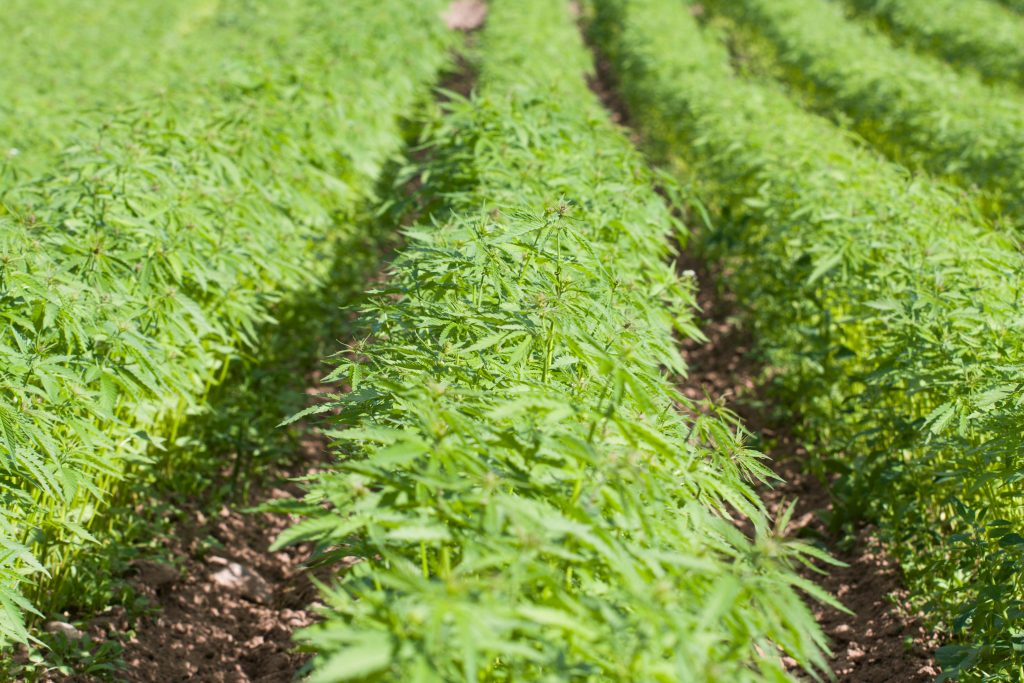
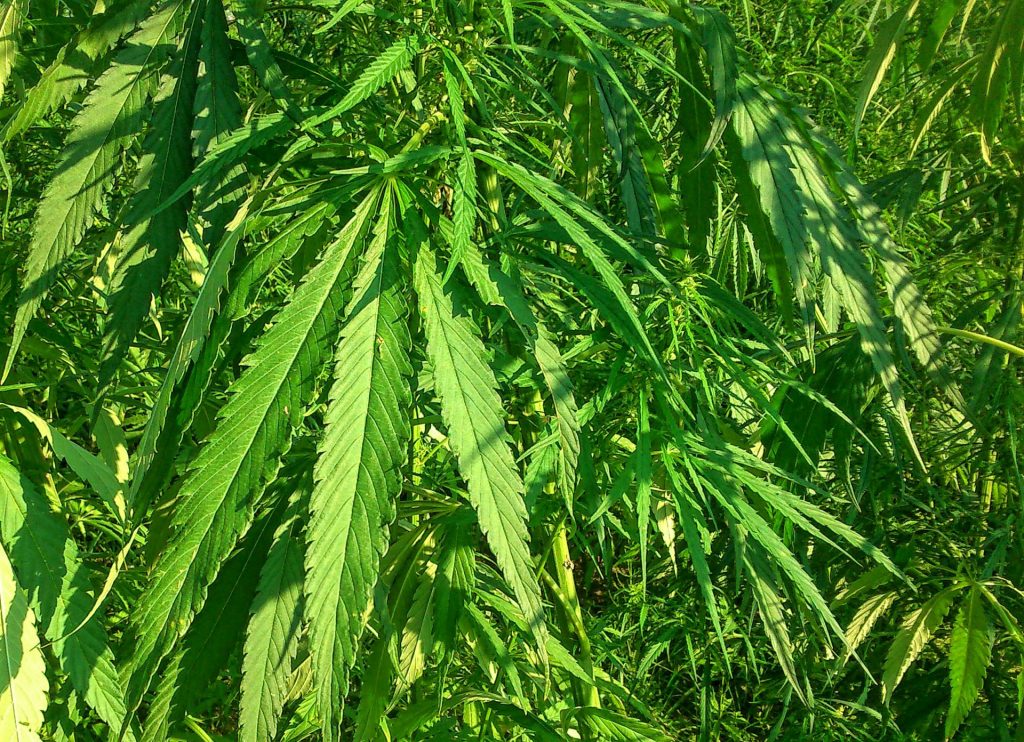
    Hemp planting is under way in Alabama.

    By Clint Thompson

    Less than half of hemp producers in Alabama have the go-ahead from the Alabama Department of Agriculture to plant this year’s crop, according to Auburn University Assistant Professor and Extension Specialist Katelyn Kesheimer.

    “A lot of people are still waiting on, can’t even get your seeds or your clones until you get approval from the Department of Ag. It seems to be weeks to get that. It’s not a quick turnaround time,” Kesheimer said. “I would have liked to have seen more plants in the ground now, just because it’s going to get real hot and the soil temperatures are going to jack up. But the Department of Ag is processing hundreds and hundreds of applications.”

    Kesheimer said producers must have their green plants up and out of the ground by July 31. She expects planting to pick up over the next month or so.

    “I think in the next four to six weeks, I’m hoping we’re going to get a lot more plants in the ground. We’re a little behind, just because waiting on paperwork and everything’s so new,” Kesheimer said. “It just takes forever to do stuff.”

    Planting conditions are currently ideal for hemp producers in Alabama.

    “We have enough moisture in the soil to give the plant a good start. People need to make sure they fertilize like they would any other plant. They don’t want to go in when it’s super hot. They’ll just burn up if it’s hot and they don’t have moisture; they’re just not going to last,” Kesheimer said. “We saw some plants go in, maybe July last year, and they didn’t last more than a couple of days. I think conditions are good right now while we still have some moisture and it’s not too hot.”

  • Fire Ant Swarms a Danger to Hemp

    Pictured is a field of hemp.

    By Clint Thompson

    Hemp producers in the Southeast need to be mindful of fire ants. They will damage the stems of hemp plants if not treated, said Katelyn Kesheimer, Auburn University Assistant Professor and Extension Specialist.

    “My phone has been ringing off the hook with fire ant problems the last seven days, really. A couple of weeks ago, we had all of those storms that came through; a lot of rain and temperatures are increasing. We started seeing fire ant swarms about two weeks ago. All of those swarms led to newly mated females that became queens that started mounds and now are chewing on the stems of hemp,” Kesheimer said. “It’s very quick because these seedlings are no more than 20 centimeters tall in some instances. They’re just a couple of inches, not that big. The fire ants make a mound at the base of the plant and start stripping the bark and tunneling through the stem.

    “I don’t even know if I was onboard with hemp this time last year, but this just seems kind of early for fire ant problems in hemp. I was caught off guard with how many issues we were having.”

    Growers have already started planting this year’s crop. Fortunately, there are management practices growers can implement to control fire ant issues. But they need to do them.

    “I’ve been recommending people get out there and bait because that’s going to take at least a couple of weeks but also do individual mound treatments. We have some products approved for hemp by the Department of Ag. I think a lot of growers did not heed my warning to put out bait in the fall,” Kesheimer said.

  • Hemp interest still strong in the Southeast

    By Clint Thompson

    The Southeast is primed to ramp up its hemp production. Alabama is ready for its second year of production, while Georgia and Florida are just getting started.

    If the number of grower applications is any indication, interest in hemp is extremely high in all three states.

    Hemp drew 166 grower applicants and eight applications for processor permits in Georgia, according to Mike Evans, director of plant industries at the Georgia Department of Agriculture, who oversees the hemp program.

    “There’s just so much interest in hemp, not only in the state but nationwide. You have this interest, but if you followed the news last year, you saw in Tennessee and some of the other states where growers were having trouble, once the crop was harvested, to try to find a producer. There’s been some change in prices,” says Evans. “I was expecting to get a couple of hundred applications. We’re well on our way to getting to that number.”

    He says any permits or licenses issued will expire at the end of the year and must be renewed.

    The number of Florida farmers interested in producing hemp exceeded Georgia’s.

    According to Jeff Greene, director of business development for the Florida Hemp Council, over 1,500 farmers submitted their names and email addresses to the Florida Department of Agriculture to express their interest in growing the crop. “I know that we’ve got in the Florida Hemp Council over 800 that have expressed interest,” says Greene.

    And it’s not just a single sector that has expressed interest in the Sunshine State.

    “I think we’re looking at it from all different levels. We’ve got tomato farmers in Homestead, Florida. The sugar industry is looking at it. The citrus industry is looking at it. The tree farmers up in the Panhandle are looking at it. Everybody’s looking at it,” Greene says.

    CORONAVIRUS IMPACTS

    In Alabama, Extension specialist Katelyn Kesheimer says there were 150 licensed growers with 10,000 acres approved last year, though only about half were farmed.

    She estimates that there are approximately 500 official licensed growers in the state this year. However, because the economy has crashed amidst rising unemployment due to the ongoing coronavirus pandemic, the market may not be as enticing as it once was.

    “My prediction is a lot of people who maybe were going to grow it, might just eat the license fee and not grow it,” says Kesheimer. “There’s so much uncertainty in the economy right now. Folks that aren’t making money and don’t have jobs aren’t going to spend money on CBD oil products. They’re going to spend it on actual necessities.”

    Many potential hemp farmers filled out applications long before COVID-19 became a global problem. Greene believes the current crisis will impact hemp production in the Southeast.

    “I think it’ll do more damage to the folks that may be in the business for six months to a year, people that may have invested a large amount of money and were looking to recoup their investment over the next six months. I think those that are just putting their money for the first time over the next six months will potentially hit the right timeline,” Greene says. “I think that’s one of the benefits potentially of COVID-19 is if this stimulus package is rolled down to the hemp industry, it could be a boon to kick an industry off. A tremendous amount of shovel-ready projects could be boosted by the stimulus package.”

    RULES AND FEES

    Each state has specific rules and regulations for producing hemp.

    Evans says the Georgia Hemp Farming Act mandates that a Georgia producer can only sell to a Georgia processor. Out-of-state sales are not permitted.

    “Growers are only allowed to sell to processors,” says Evans. “There’s no grower-to-grower sales.”

    The license fee for growers is $50 per acre and is capped at $5,000. The cost is $25,000 for a processor’s permit.

    Unlike in Georgia, the Florida Department of Agriculture does not require a licensing fee for farmers in Florida to produce hemp. However, a background check is required.

    “As long as you have not been convicted of a drug-related crime in the last 10 years, you are approved to grow hemp in Florida,” Greene says.

    In Alabama, it costs $1,000 to grow hemp and $2,000 to process it. Kesheimer emphasizes the fees are for each hemp site.

    “If you have multiple farms that are separated by a substantial distance, you have to submit multiple applications and pay $1,000 per site,” Kesheimer says. “If you’re a processor and you have multiple processing handling sites, then you have to pay that fee multiple times.”

    Background checks are required, as well as GPS coordinates for where the hemp will be produced.

  • Managing Floral Hemp Fertility in North Carolina

    hemp
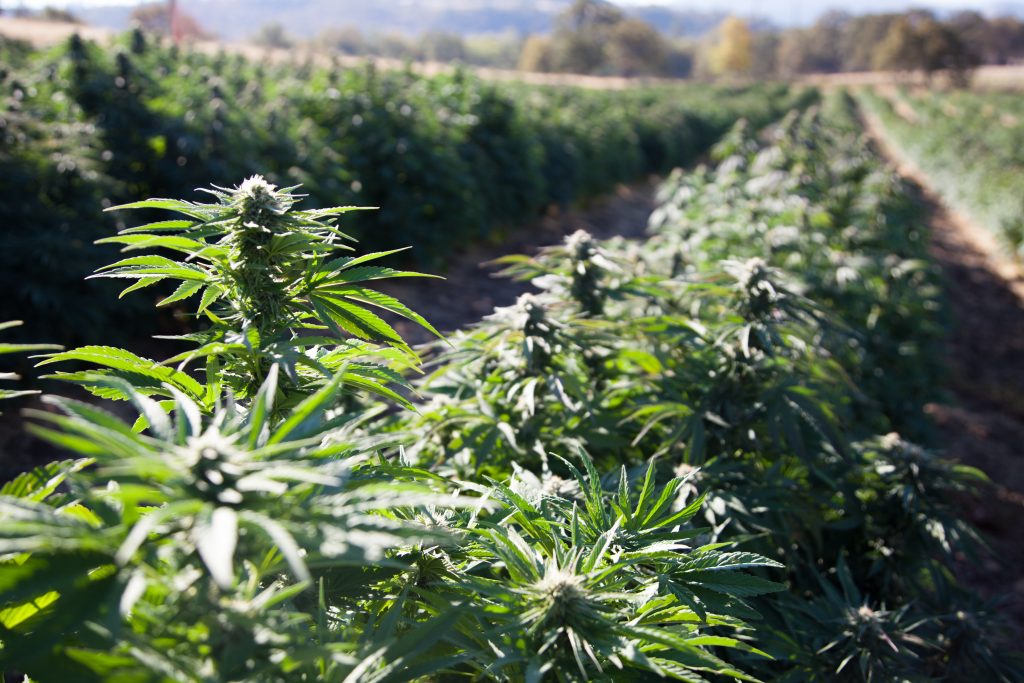
    File photo shows a hemp field.

    Written By Jeanine Davis

    There are many questions coming in this spring on how to fertilize floral hemp (hemp grown for CBD, CBG, CBN, etc.). Research to develop those recommendations is still ongoing in North Carolina, but Michelle McGinnis with the N.C. Department of Agriculture and Consumer Services, Agronomic Division, has prepared guidelines for us on leaf tissue sampling and soil fertility.

    For more information, see hemp production in North Carolina.

  • N.C. Industrial Hemp Commission to hold conference call

    hemp
    Pictured is a file photo of hemp.

    The North Carolina Industrial Hemp Commission will hold a public hemp meeting via conference call so Commission members can review and approve applications.

    It will be held on Friday, May 29 at 10 a.m. Access to the conference call can be made at http://go.ncsu.edu/industrialhemp or by calling 1-929-205-6099 (U.S. toll) or 1-699-900-6833 (U.S. toll). The meeting ID is 962-3632-5388. Participants will be prompted to enter their name and email address to enter the meeting via the website or prompted for unique participant ID for the call. They should press # to access the call.

    For N.C. Industrial Hemp Commission questions, contact Beth Farrell at 919-707-3014 or beth.farrell@ncagr.gov. For questions about the N.C. Industrial Hemp Program, go to Hemp.

  • UF/IFAS Industrial Hemp Pilot Project Research Expands to On-Farm Trials

    UF/IFAS picture of Industrial hemp. Photo taken 06-12-19.

    By: Tory Moore, 352-273-3566, torymoore@ufl.edu

    As the UF/IFAS Industrial Hemp Pilot Project moves into its second year, on-farm research trials begin with commercial growers across the state.
    Twenty farms across 12 Florida counties were selected for the UF/IFAS on-farm trials. These farms are in different agricultural regions to provide a variety of conditions to study the growth and success of hemp across the state.

    The UF/IFAS Industrial Hemp Extension team and the UF/IFAS Industrial Hemp Pilot Project Advisory Group made up the 20-member panel that reviewed grower applications. Reviewers looked for farmers that could plant a hemp field, execute a coordinated field experiment, and share their farming knowledge to support the establishment of a hemp industry in Florida.

    “When choosing growers, we looked carefully at each application to evaluate what each grower could bring to the project and if they could satisfy the objectives of the coordinated trial while meeting the required security measures,” said Zachary Brym, UF/IFAS agronomy assistant professor and hemp pilot project coordinator.

    “The selected farms will work on a coordinated research trial on two acres per farm to understand the impacts of the environment, or their soil and access to water, on how hemp grows,” Brym said “Growers have the option to include another three acres for an independent research trial focused on industry development.”

    If growers choose to add the additional three acres, they were asked to submit a plan that states a clear research topic, achievable goals and detailed methods for those three acres in the application, according to Brym. Examples of acceptable topics include variety trials, fertilizer trials, irrigation system design, equipment tests and others. Farmers will submit an annual report to the UF/IFAS Industrial Hemp Pilot Project of all activities pertaining to the UF/IFAS on-farm trial.

    Hemp varieties will be planted at each farm to see how they perform under the differing conditions across the state.

    “This is an excellent opportunity to grow our community with farmers that share the UF/IFAS mission to make information available broadly on growing hemp,” Brym said. “UF/IFAS Extension agents play a major part in this effort to work with the farmers in their area and help share the information we gain from this research.”

    On-farm trials with growers are just one of the new additions to the research. Experiments alongside industry supporters develop and expand as the project moves into its next phase.

    “Our relationship with each industry partner is founded on the common goal of increasing hemp knowledge for growers across Florida,” said Jerry Fankhauser, lead oversight manager of the UF/IFAS Industrial Hemp Pilot Project.

    With the on-farm trials focused on the performance of different hemp varieties at farms around the state, the research with industry partners focuses on propagation, accumulation of cannabinoids during plant growth and commercialization of hemp genetics.

    “The goal alongside our industry partners is to better understand propagation and commercialization of the crop in the state of Florida,” Fankhauser said. “With commercial licenses to cultivate hemp being issued by FDACS, we are in an exciting next phase of the program because we have the opportunity to learn by working together.”

  • Alabama Hemp Farmers Begin Planting This Year’s Crop

    hemp program
    Field of industrial hemp.

    By Clint Thompson

    Alabama hemp farmers have begun planting this year’s crop, and Extension specialist Katelyn Kesheimer expects it to continue through June.

    “A lot of it depends on, obviously, what part of the state you’re in; southern Alabama, they’re starting now. And how many acres are you planting?” said Kesheimer, who was speaking while returning from a farm last week that had begun planting. “This is a big farm. They have about 300 acres to do. They’re planting four days a week and are probably going to spend the whole month planting.

    “People will be planting for the next two months probably.”

    Increase in Interested Farmers

    Kesheimer said there were 150 licensed growers with 10,000 acres approved, (last year) though only about half were farmed. She estimates that there are approximately 500 official licensed growers in the state this year.

    “We did see a huge increase in the number of licensed folks from last year to this year. Interest is widespread and increasing. I can tell you from the hemp meetings we had last fall and winter, we had almost 200 people come to a meeting in Cullman, northern Alabama,” Kesheimer said. “But we also had several meetings in southern Alabama where growers down there were real excited about the long growing season and maybe planting one variety for most of the season. And then going in with autoflower, which you can get mature and out of the ground in 80 to 90 days. My guess would be there’s widespread interest, but it varies on what you’re interested in.

    “We’re also seeing more farmers that are growing for fiber this year. It’s still majority CBD, but I spoke to a grower the other day in central Alabama that’s growing for fiber. I think that market is expanding as we get the facilities to process the different types of hemp.”

    Drop in Expected Acres

    While the number of Alabama hemp farmers has increased, expected acres are expected to drop from what was previously projected. Kesheimer said it can be attributed to market instability and labor complications.

    “A lot of people don’t realize how much manual labor you need for this crop. If you don’t have the equipment then you’re hand-planting. You’re probably going to be hoeing and pulling weeds all summer. You can expect to spend thousands of dollars per acre just out of weed control alone. But you need people to do that,” Kesheimer said. “Finding good help has been a problem as well.”

  • Hemp Harvest in Florida

    Hemp harvest in Hamilton County, Florida.

    Green Point Research, a leading research-based cannabis biomass origination and processing company in Florida harvested 30 acres of hemp in Hamilton County this week.

    This is Green Point Research’s first official harvest of 2020 and is one of Hamilton County’s first legal harvests of hemp plants since 1937. It’s a significant milestone for the public and private partners benefitting from the resurgence of hemp in Florida and across the U.S.

    Green Point Research is a member of the Hemp Industries Association of Florida (HIAF). In August, 2019, GPR was in north Florida as part of the HIAF Industrial Hemp Road Tour.

  • Yield Scientific Establishing Operations in South Carolina

    More than $30 million investment to create 107 new jobs

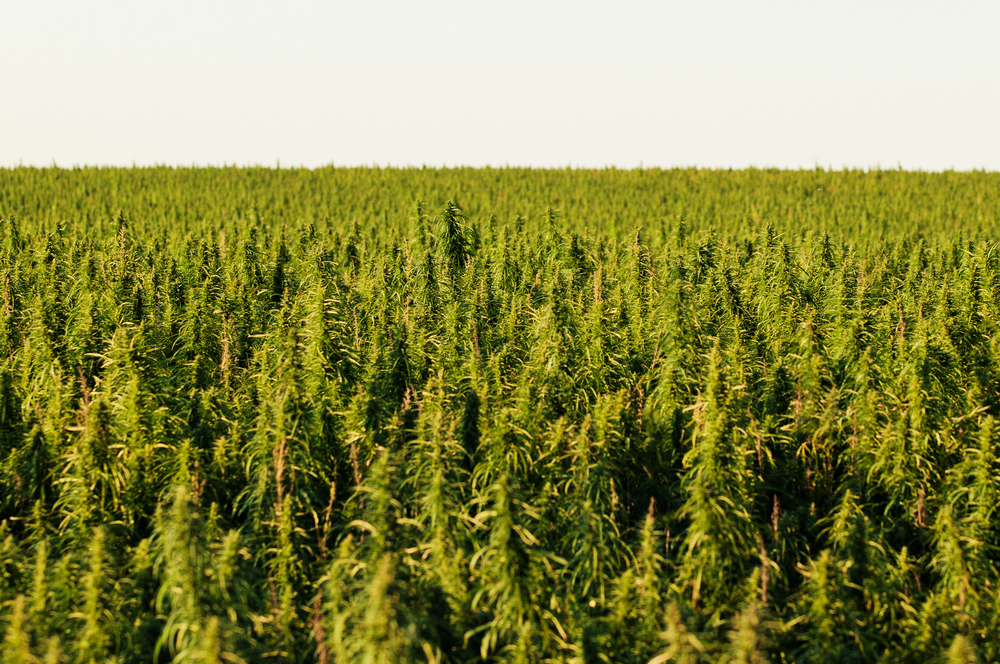
    Pictured is a field of hemp.

    COLUMBIA – Yield Scientific, a subsidiary of GEM Opportunity Zone Fund, today announced plans to establish operations in Hampton County, South Carolina. The company’s $30 million-plus investment is projected to create 107 new jobs.

    Founded in 2017, Yield Scientific is a hemp growing and processing operation that specializes in clinical-grade product development for the health care industry. Through its brand Victis CBD, the company offers CBD products developed with high quality standards and advanced science.

    Located at Southern Carolina Industrial Campus in Early Branch, Yield Scientific’s new facility will enhance the company’s product development and manufacturing capabilities.

    The new operations are expected to be online by the first quarter of 2021. Individuals interested in joining the Yield Scientific team should visit yieldsci.com.

    The Coordinating Council for Economic Development has approved job development credits related to this project. Hampton County was also awarded a $50,000 Rural Infrastructure Fund grant to assist with costs related to this project.

    QUOTES

    “We are very pleased to join the Hampton County community of corporate citizens. Through Yield Scientific and the Victis CBD brand, we will invest over $30 million and create 107 jobs in a pharmaceutical-grade growing and processing complex within the Southern Carolina Industrial Campus in Early Branch. Our project would not have happened without the support and work of the SouthernCarolina Alliance team, the Department of Commerce, the Department of Agriculture and Hampton County.” –GEM Opportunity Zone Fund CEO Zeb Portanova

    “We’re thrilled that Yield Scientific has chosen to invest in South Carolina’s growing hemp industry and her people, creating more than 100 good jobs in one of our state’s rural gems.” –Gov. Henry McMaster

    “Yield Scientific is a wonderful addition to South Carolina’s burgeoning hemp industry. Their greenhouse operations and processing capacity will create skilled agriculture jobs – and in an Opportunity Zone, no less.” –Commissioner of Agriculture Hugh Weathers