Category: Georgia

  • Three Joy Peaches Released

    ARS/Rich Joy peaches ripening on the tree in a Byron, GA., orchard.

    ARS News Service

    BYRON, GEORGIA, May 14, 2020 — The Agricultural Research Service (ARS) has released a trio of Joy peaches — Rich Joy, Liberty Joy and Crimson Joy — to enhance the southeastern fresh peach market.

    Rich Joy is named for its fruit’s rich flavor and as a way to honor ARS peach breeder William Richardson Okie, who retired in 2014. Okie is known for having developed the series of “prince” peach varieties, which are still in commercial use.

    Crimson Joy is named for its almost fully red-blushed skin. Liberty Joy is so called because it ripens near the Fourth of July, Independence Day.

    The three Joy peaches are not genetically related. They are all yellow-fleshed, soften slowly to a smooth buttery texture (a trait called melting), with balanced sugar/acid ratios and pleasant eating quality. But they differ in pedigree parentage, ripening time and chilling requirement (the minimum time a fruit-bearing tree must be exposed to temperatures below 45 degrees F before it will blossom).

    Breeders tend to choose a single “base” name for the varieties they develop to make their origins recognizable, explained research horticulturist Chunxian Chen, with the ARS Fruit and Tree Nut Research Unit in Byron, Georgia and developer of the Joy trio of peaches.

    “Joy is a wonderful word that expresses how people feel about enjoying a good peach,” Chen said. “It is one syllable, can be easily phrased with other words for naming of future releases and it fits well with some “unofficial” cultivar naming conventions.”

    Chen explained that new varieties continue to be needed because the southeastern peach industry is facing multiple challenges, including more incidences of warm winters and spring freezes, which can change chilling requirements. Other industry needs include improved fruit quality, competition from other fruits and imports, and demand for varieties with improved resistance to pests/diseases and reduced need for pesticides. There also is a need for varieties to fill certain harvest windows.

    “So we must continue to breed new peach varieties to meet growers’ needs, elevate overall production efficiency and market share and keep the industry sustainable and profitable,” Chen added.

    The value of fresh and processed peaches was estimated at $511 million for 2018, according to the USDA National Agricultural Statistics Service.

    Liberty Joy has the shortest chilling requirement of the three new varieties, about 650 chill hours. It ripens in late June to early July. It will be a good alternative to current commercial varieties in this harvest window such as Fireprince, Blazeprince, Scarletprince and Redglobe, all of which require about 850 chill hours and do not produce well when winter chill has been insufficient for flower bud maturation. Liberty Joy also appears to be less vulnerable to spring freezes, compared to other varieties with the same short chill requirement.

    Crimson Joy, which requires about 700 chill hours, has redder skin color, firmer fruit and improved fruiting reliability, compared to Harvester and Redhaven, which ripen at about the same time. In addition, Crimson Joy appears less vulnerable to some chill inadequacy and spring freeze.

    Rich Joy requires about 850 chill hours and ripens between Julyprince and Flameprince in mid-August. At maturity, about 90 percent of the fruit is bright red with an attractive yellow ground color on the fruit. This makes it preferable to older, less-blushed Cresthaven and Early Augustprince for the similar harvest window. As a late-season variety, Rich Joy fruits reliably with attractive, large, firm, premium fruit that appear to soften slowly on the tree, allowing it to be picked over a relatively longer period compared to other varieties.

    The Agricultural Research Service is the U.S. Department of Agriculture’s chief scientific in-house research agency. Daily, ARS focuses on solutions to agricultural problems affecting America. Each dollar invested in agricultural research results in $20 of economic impact.
  • Watermelon Farmer Hopes to Capitalize on High Prices

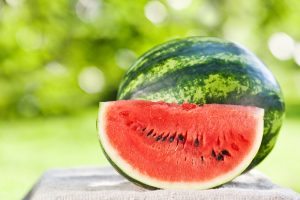
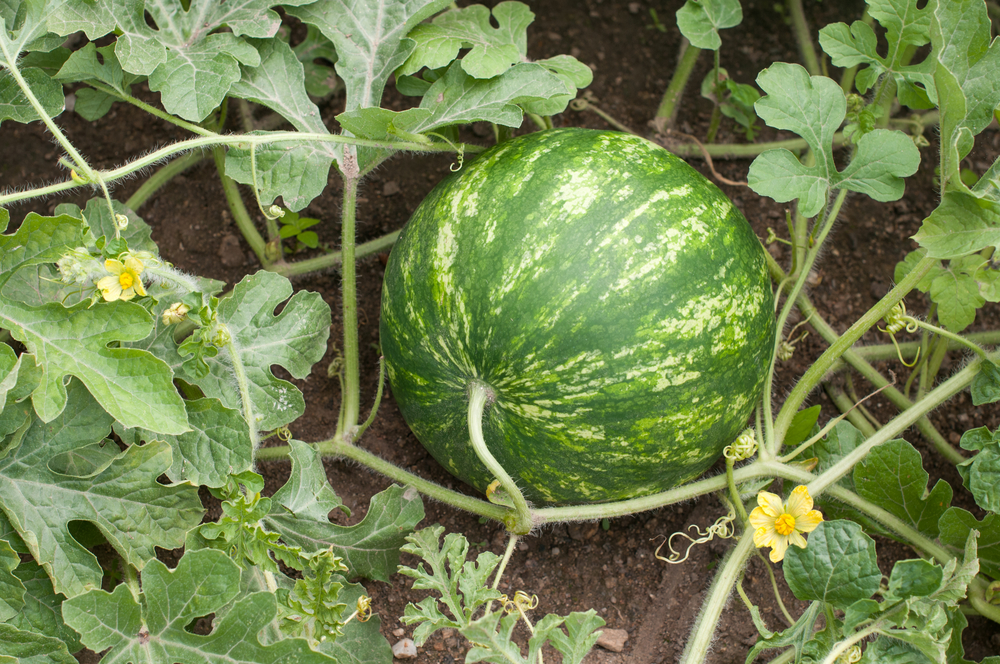
    Watermelons are in short supply and high demand right now.

    By Clint Thompson

    Watermelons are in short supply and high demand right now. Alabama produce farmer Art Sessions hopes to capitalize when his crop becomes ready the first week in June.

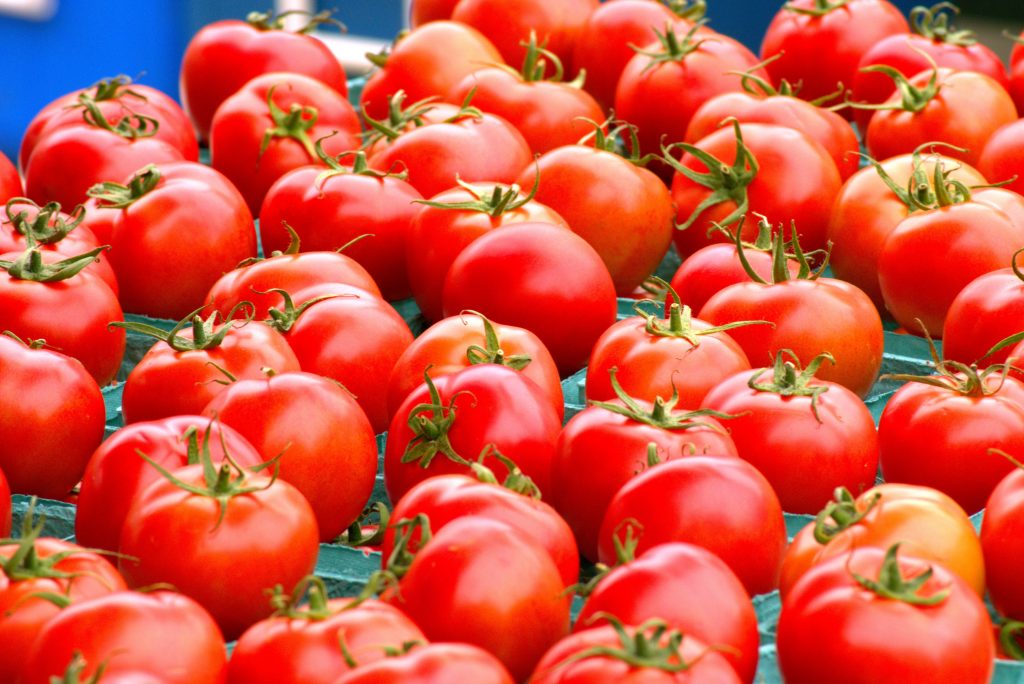
    “We’ve been getting watermelons out of Florida and they are scarce. Everything coming out of Florida is really tight on account of this virus deal,” said Sessions, who also said there’s high demand for tomatoes as well. “It’s really affecting the supply chain pretty bad. A lot of the product are short, like tomatoes. Tomatoes are as high as I’ve ever seen them for this time of year. From what I’ve gathered, a lot of the pickers left on account of this virus.”

    Sessions Farm is in Grand Bay, Alabama. It produces approximately 50 acres of watermelons, starting with a few yellow-meat varieties in the next couple of weeks. He has had to buy watermelons from Florida and can attest to the high costs farmers can sell their crop for.

    “They’re pretty high right now, sure are. They aren’t outlandish. They’re pretty reasonable. We’ve been buying a lot of Florida. They are higher than normally what we would sell ours for,” Sessions said.

    Shortage by Memorial Day?

    Carr Hussey, a watermelon farmer in Florida and Alabama and chairman of the board of the Florida Watermelon Association, confirmed on Tuesday that watermelons are in short supply and there could be a shortage by Memorial Day. He said prices are around 20 cents per pound right now but could improve to 22 or 24 cents around Memorial Day weekend.

    This could lead to continued higher prices for farmers in North Florida, Alabama and Georgia when they start harvesting their crops in June.

    Sessions wonders if the current coronavirus pandemic impacted the supply chain.

    “I think a lot of guys, when this thing hit, they backed out of planting. They didn’t plant as much,” Sessions said. “We had already planted when this thing hit, or we would have backed way off. Just the uncertainty of not knowing if you’re going to be able to sell your crop. A lot of folks we sell to shut down and they are just now opening things back up. That’s one reason the prices on some of this stuff is strong because everybody now is wanting stuff and it’s hard to get.”

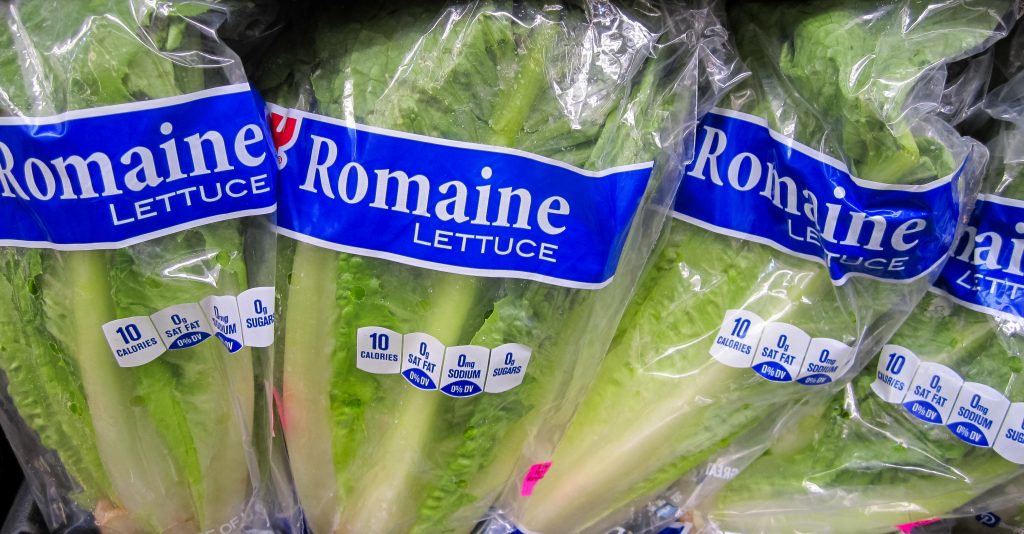
  • Researchers Identify Romaine Lettuces That Last Longer

    romaine lettuce
    Fresh romaine lettuce on display at local grocery store.
    Credit: The Toidi / Shutterstock.com

    ARS News Service

    SALINAS, CALIFORNIA, May 13, 2020—Agricultural Research Service (ARS) scientists have identified five Romaine lettuce varieties that both brown less quickly after fresh-cut processing and are slower to deteriorate postharvest.

    They also are determining the genetic basis for deterioration. The researchers have identified the location of genes associated with postharvest deterioration of fresh-cut lettuce, and are in the process of identifying genes associated with browning, two economically important traits. This will speed up development of new Romaine varieties with better shelf-life because now lettuce breeders will be able to check that offspring carry these genes without needing to grow out and destructively test for browning and deterioration resistance.

    Lettuces are the most popular, commercially produced, leafy vegetables in the world. They have a farmgate value of more than $2.5 billion in the United States in 2017, making them one of top ten most valuable crops for the country. But fresh-cut lettuce is a highly perishable product.

    “The inability to evaluate for deterioration early in the process of developing new varieties has been a real impediment to breeding advances. Now having these molecular markers means that slow deterioration and eventually less browning can be more easily integrated into lettuce breeding, traits that are important economic considerations,” said research geneticist Ivan Simko with the ARS Crop Improvement and Protection Research Unit in Salinas, California, who led the deterioration study.

    When you consider browning and deterioration ratings together, the best breeding lines for commercial production, and also for use as parents to develop new varieties are (in alphabetic order): Darkland, Green Towers, Hearts Delight, Parris Island Cos, and SM13-R2, which is a breeding line developed at the ARS lab in Salinas.

    In addition, the researchers found the chromosome region that contains the genes for slow deterioration also contains four genes (Dm4, Dm7, Dm11, and Dm44) and one DNA region (qDm4.2) that code for resistance to downy mildew—one of the most-costly lettuce disease.

    This colocation indicates a strong linkage between one or more of the four genes and the rate of deterioration. DNA-based markers can be used to develop new breeding lines with slow rate of deterioration and desirable combinations of resistance genes.

    Deterioration is the rupture of cells within lettuce leaves, leading to waterlogging and the lettuce turning to mush. Browning is the discoloration of the edges of lettuce after cutting or tearing. Either development can spoil the leafy vegetable’s value by decreasing shelf life.

    In an effort to control browning and prolong shelf life, lettuce processors have been turning to modified atmosphere packaging and flushing bags of cut lettuce with nitrogen gas to reduce oxygen levels in the bags.

    But these practices are costly. They also can lead to other problems such as off-odors and, when coupled with high storage temperatures that promote anerobic bacteria growth on the bagged lettuce.

    “Our study was aimed at finding lettuces that possessed low browning potential without the need for limiting the oxygen supply,” explained research food technologist Yaguang (Sunny) Luo, who led the browning study. Luo is with the ARS Food Quality Laboratory in Beltsville, MD.

    Like deterioration, there was significant correlation between high resistance to browning and pedigree, which gives promise that lettuce breeders will be able to improve the trait and incorporate it into new varieties, Luo added.

    This research was published in Horticulture Research and Postharvest Biology and Technology.

    The Agricultural Research Service is the U.S. Department of Agriculture’s chief scientific in-house research agency. Daily, ARS focuses on solutions to agricultural problems affecting America. Each dollar invested in agricultural research results in $20 of economic impact.

  • Specialty Crop Industry Protocols Keep Workers Safe During COVID-19

    A national coalition of 64 organizations representing specialty crop producers sent a letter to Congressional leadership this week on safety protocols within the industry during COVID-19. They want Congress to know the steps agricultural employers are taking to protect their workers.

    “Farmers and ranchers across the country moved quickly to implement new employee safety protocols early in the crisis,” says National Council of Agricultural Employers President Michael Marsh. “While America was being placed on lockdown, agricultural employers were already at work trying to figure out how to best protect their employees and the public.”

    The letter details the collaboration between the agriculture industry, public health experts, and regulatory officials to develop the best safety practices in the field and packing. As future rounds of COVID-19 pandemic legislation is debated, the coalition is asking congressional leaders to acknowledge the widespread employee protection protocols that are already in place, as well as provide additional support to help agricultural employers continue to meet the needs of their employees.

    The Western Growers Association, a member of the coalition, is asking Congress to “extend current relief efforts for agriculture, and to include additional funding for personal protective equipment and other measures to offset the costs of maintaining an essential workforce during COVID-19.”

    (From the National Association of Farm Broadcasters)

  • Florida Farmer: People Are Buying and Supporting Us

    itc
    Tomatoes are a hot commodity again.

    By Clint Thompson

    Paul Allen’s point of emphasis has been clear recently: Support the American farmer. He believes the message has been received loud and clear.

    “We’re thinking all of the local and national attention we’ve gotten about us destroying our crops has brought the American public to the forefront to supporting the American farmer. I really believe that,” said Allen, president of R.C. Hatton Farms in Belle Glade, Florida and chairman of the Florida Fruit and Vegetable Association. “The American people have heard everything that’s been on the national media all about Mexico. They’ve stopped buying Mexican produce. They’re buying American produce. It’s a big part of it.”

    He thinks that is a reason watermelons are in short supply and there could be a major shortage by Memorial Day weekend. It also could be attributed to strong demand for tomatoes with prices improving.

    “It’s everything. It’s sweet corn, watermelons; people are buying. It’s not that we’re short. People are buying and supporting us,” Allen said. “There’s a lot of product being moved. And in a lot of cases restaurants are starting to open back up. People are starting to get out. It’s a big part of it.

    “Thankfully, it looks like the American people are going to have their say in it. They’ve heard our cry because there’s been a hard run on national media, local media about this whole thing.”

    Tough Start to Season

    Unfortunately, it was not always this way this season. In a previous interview in early April, Allen said he left about 2 million pounds of green beans in the field and about 5 million pounds of cabbage. All because of the coronavirus pandemic that shut restaurants down and closed off a major supply chain to foodservice industries.

    “We had a devastating March and April for all crops. When the country was shut down, it was the worst we’ve ever seen it,” Allen said. “When the pandemic hit, there was a buying frenzy for a week to 10 days. Then everybody went lockdown. When we farm, we plant, cultivate, grow, harvest and ship every day for it to be consumed every day. When (the pandemic) hit us, we were the sacrificial lamb.”

    Allen believes more financial aid could still be provided by the federal government.

    “The biggest thing right now is the government allocated per crop a cap of $125,000, which is nothing. We’re really working trying to get the USDA to see and understand the massive hit that Florida is taken and raise the direct payment caps,” Allen said. “What is fair is not always equal.

    “It costs 10 times to grow vegetable crops what it does regular commodity crops.”

  • Sweet Results for Florida Peach Farmer

    By Clint Thompson

    Florida’s peach season has come and gone. David Wheeler, peach farmer in Lake Placid, Florida, said his season started early and finished earlier. From a marketing standpoint, that was as good as he could have hoped for.

    Peach season is underway in Georgia and Alabama.

    “The marketing window, that was very good this year, yes,” Wheeler said.

    Wheeler produces 120 acres of peach trees and had success this year selling retail.

    “Walmart was very supportive of the Florida peach program. That really helped us. They took a lot of our volume,” Wheeler said. “They were very good to us.”

    In a previous interview, Wheeler confirmed that the high temperatures in March spurred the peaches to ripen earlier than normal. With hot and dry conditions felt throughout the state the past in March and April, peach season closed sooner than normal.

    Since Wheeler’s harvesting window closed sooner than normal, he didn’t have to compete against growers in Georgia or Alabama for marketing supremacy. Both states have just now started harvesting their peach crop. Wheeler didn’t have to compete for the market against larger-scale operations. The result was a good year despite a decrease in production.

    “I think overall (it went) pretty well. Production was down about 25% but we had a very heavy crop last year so that’s not a big surprise,” Wheeler said. “The fruit quality was outstanding. The best way I have to judge that is when I take peaches to friends; everybody raved about them this year. I know they were a good quality peach. Overall, I would say (it was) a good season, even though production was down and packouts were down.”

    Primarily a citrus grower, Wheeler, a peach farmer for nine years, began producing peaches when citrus greening disease became problematic in Florida and has since wiped out a bulk of citrus production in the state. He mainly produces a pair of varieties, UF Best and the UF Sun. Wheeler says he has had the most success producing UF Sun.

    To learn more, read about University of Florida peach breeding efforts.

    To learn more about peaches, see University of Georgia peaches.

  • UGA Specialist Expects Farmers to Plant Hemp in June

    agriculture
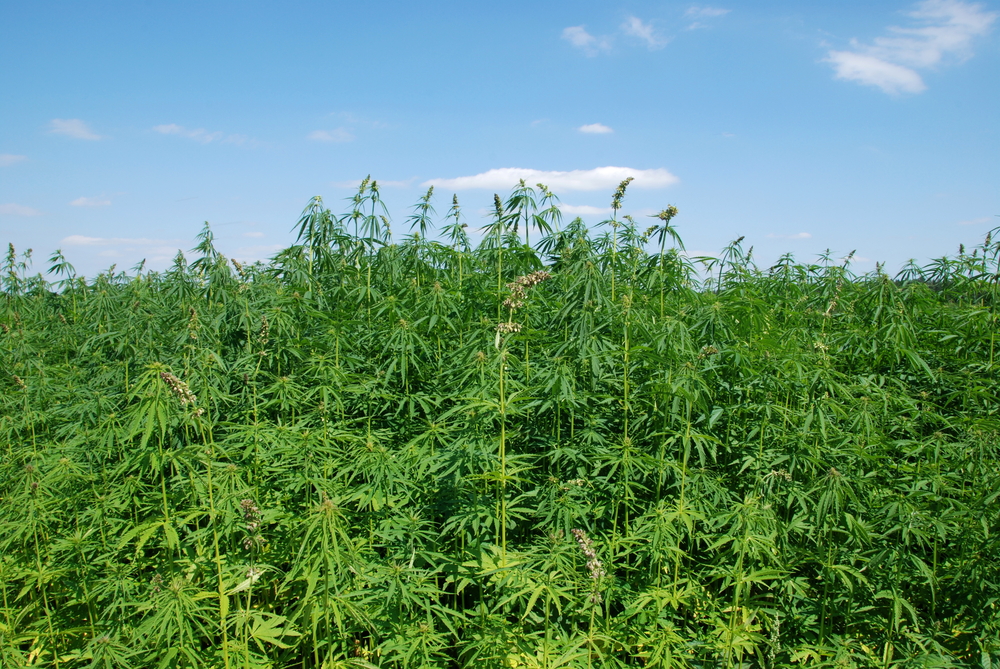
    Pictured is a file photo of industrial hemp.

    By Clint Thompson

    Georgia farmers are expected to soon plant this year’s hemp crop, said University of Georgia Cooperative Extension hemp specialist Tim Coolong. He predicts early June for when hemp will be planted commercially for the first time in Georgia.

    “I’ve talked to some people that as of last week everything was a go for their license. They just hadn’t physically received it yet. I am under the assumption, as are a lot of other people that they should be getting licenses pretty quickly so we can go ahead and plant,” Coolong said. “I figure they will start in June, I would imagine. I think some of the potential growers I’ve talked to, maybe they’ve put some pre-orders in for plants, but they wanted to make sure they got a license before they dropped several thousand dollars. I think there may be a little bit of a delay for some of these guys before they get their plants in.”

    According to Mike Evans, director of plant industries who oversees the hemp program at the Georgia Department of Agriculture, they received 166 applicants from farmers who are interested in growing hemp.

    Coolong said recently that he is not worried about oversupply of hemp in Georgia. He believes enough rules and regulations are in place to prevent that from happening.

    Hemp Regulations in Georgia

    Permits or licenses issued will expire at the end of the year and must be renewed. Evans said the Georgia Hemp Farming Act mandates that a Georgia producer can only sell to a Georgia processor. Out of state sales are not permitted.

    The license fee for growers is $50 per acre and is capped at $5,000. The cost is $25,000 for a processor’s permit.

    Coolong will continue different research projects to evaluate hemp’s effectiveness in growing in Georgia. He started a planting date trial last month to see how early growers can plant without inducing flowering. Other major trials include variety testing and fumigation. Coolong will resume planting next week and continue through the second week in June.

  • Pepper Weevils Out of Control in Florida Vegetable Fields

    Figure 1. The pepper weevil is one of the most serious pests of peppers.

    By Clint Thompson

    Florida produce growers need to be wary of the pepper weevil, which is running rampant in the state’s vegetable fields.

    According to the South Florida Vegetable Pest and Disease Hotline, pepper weevils are out of control on the East Coast in Florida vegetable fields. Growers are also seeing damage increasing in eggplant.

    Damage is so extreme in remaining peppers that growers are having to terminate many of their plantings.

    In addition, South Florida farmers are reporting that the Cuban pepper weevil is a problem.

    University of Georgia entomologist David Riley said that 70% of the winter peppers imported into the U.S. are grown in Mexico, where pepper weevils originate. He stresses that even a small percentage of weevil-infested fruit can lead to an infestation.

    Thresholds are one adult per 400 terminal buds or 1% of the buds infested. Populations are best observed by visual examination and yellow sticky traps.

    Insecticides are commonly applied to the plant foliage at short intervals once budding begins. Chemical suppression is feasible, but insecticides vary in effectiveness. Despite the presence of chemical insecticides some loss is inevitable. Actara, Vydate, diamides and pyrethroids can be used in a program to control the pepper weevil. Consult the University of Florida/Institute of Food and Agricultural Sciences recommendations for currently labeled insecticides for proper control in Florida.

    There are a couple of factors for farmers to consider if they hope to disrupt the weevil’s life cycle. Proper sanitation and a crop-free period, if it’s accompanied by the destruction of alternate hosts can be effective. Sanitation involves any practice that eliminates or reduces the amount of pathogen inoculum, pests, or weed seeds that are still present in the field.

  • Watermelon Shortage by Memorial Day?

    By Clint Thompson

    Watermelons are already in short supply. There soon could be a watermelon shortage, said Carr Hussey, a watermelon farmer in Florida and Alabama and chairman of the board of the Florida Watermelon Association.

    “It’s drying up by the minute. There’s going to be shortage for Memorial Day, I do believe,” Hussey said. “The kicker is, how fast can North Florida come in? Right now, today’s it’s 91 degrees here right now. North Florida can’t be too far behind. A few days like that will bring them ahead a little bit.

    “I can tell you this weekend, South Central Florida is going to be done. When I say done, there will be a few loads come. But they’re going to be done with any volume shipping. I think in my mind the bigger part of next week is going to be a shortage. They won’t be out completely, but there will be a shortage. It’ll drive the price up pretty good.”

    Hussey farms between 500 and 600 acres in the Southeast under Sweet Mama Produce. His Florida crop is done, though he’s helping other farmers in Lake Placid and Wauchula, Florida. Hussey also has about 300 acres in Cottonwood, Alabama. He expects to be shipping the last week of the May.

    Positive Prices for Producers

    He said prices are around 20 cents per pound right now but could improve to 22 or 24 cents around Memorial Day weekend. He said the reason Florida is running out of melons is due to three straight weekends of rain events. Heavy rains on mature vines led to a quick harvest season.

    “It’s going to be short supply next week, I don’t know what it’s going to be like after that. I don’t know how fast they’ll come on (elsewhere) and with what kind of volume,” Hussey said. “I understand that Georgia’s late. That’s what I’m hearing. There’s going to be a small gap next week and it could be another gap going into the fourth of July if Georgia’s late.”

    Another reason there could be a watermelon shortage is due to an extreme low supply in Mexico. They’ve had poor weather conditions in Mexico.

    “Their quality’s all shot to pieces right now,” Hussey said.

  • Watermelon Supply Down; Prices Stay High for Farmers

    By Clint Thompson

    The watermelon supply chain is currently down. As a result, prices are up. It’s a pleasant surprise for Florida growers who are currently harvesting this year’s crop, according to Gene McAvoy, University of Florida/Institute of Food and Agricultural Sciences Extension agent emeritus.

    The watermelon supply line is currently decreased, due in large part to less imports from Mexico.

    “(The farmers) were a little bit apprehensive that with all of this COVID-related decline in demand that there might not be a demand for the (watermelon) product. They’ve had poor weather growing conditions in Mexico, so supplies are down from that side,” McAvoy said. “Even here in Florida, we had a really hot and dry March and April which affected pollination. The fruit set is less than what we would consider to be normal.”

    Other Florida produce farmers have struggled with selling this spring’s crop amid the coronavirus pandemic. The pandemic has shut down the country since the second week in March. The resulting shutdown led to closures of restaurants across the U.S.

    Positive Prices

    But as businesses begin to open up and states begin loosening the restrictions on self-quarantining, demand for fresh fruits and vegetables is improving. The same appears to be true for watermelons.

    “The supply is down a bit, kind of lining up with demand. Prices are good. They’re getting 20 cents, 19 cents per pound, which is decent for starting out the season. Sometimes it’s a little higher. But things are moving,” McAvoy said.

    The bulk of Florida is still harvesting or nearing harvest of watermelons. McAvoy said farmers in the extreme South Florida area, around Immokalee, Florida, are done harvesting this year’s crop. He added that watermelon harvests are continuing in Glades County, Charlotte County, Desoto County and up into Hillsborough.

    Georgia and Alabama should start picking in early-to-mid June.