Like other commodities, the potato industry has been hurt by COVID-19.
The National Potato Council and state grower organizations wrote Ag Secretary Sonny Perdue recently to talk about potatoes that have nowhere to go for processing.
The Hagstrom Report says the council noted more than “1.5 billion pounds of fresh potatoes for processing and potato products are trapped in the supply chain with no likely customers.” Mountains of potatoes were being given away or left to cow feed as surplus crops are piling up despite government efforts to distribute the potatoes as part of food boxes being given to needy families.
The potato industry feels like the USDA’s new Farmers to Families Food Box program, as well as other initiatives, aren’t enough to dent the losses in a sector that depends heavily on foodservice sales.
Kam Quarles (Quarrels), CEO of the National Potato Council, says, “It was clear the people who were doing well in retail could probably take more advantage of this than the impaired side of the business, which is food service.” The NPC sent a letter to USDA saying, “This oversupply has impacted both the 2019 and 2020 crop for U.S. family farms that grow potatoes. Some of these farms will have no ability to sell their 2019 or 2020 crop.”
The industry suggested several enhancements regarding eligibility and payment rate adjustments that will help USDA help the industry.
(From the National Association of Farm Broadcasters)
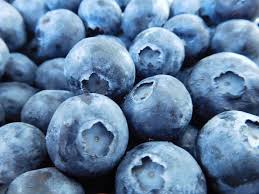
Blueberry industry leaders were disappointed its farmers were not included in category 1 of the Coronavirus Food Assistance Program. They hope to rectify the situation during the 30-day comment period that the USDA has allowed for feedback.
“Where we landed with the direct payment program, obviously we learned (two weeks ago), it was disappointing because the one category that would really capture the impact on the U.S. grower was category 1,” said Alicia Adler, vice president of the U.S. Highbush Blueberry Council (USHBC) and the North American Blueberry Council (NABC). “Obviously, categories 2 and 3, we were included with direct payment rates in those categories, but it was really category 1 that would capture the impact.”
According to specialty crops in CFAP, producers of specialty crops are eligible for CFAP payments in three categories:
Had crops that suffered a 5%-or-greater price decline between mid-January and mid-April as a result of the COVID-19 pandemic,
Had produce shipped but subsequently spoiled due to loss of marketing channel, and
Had shipments that did not leave the farm or mature crops that remained unharvested.
Comment Period
When the USDA issued CFAP on May 21, it allowed for a comment period. This could lead to amendments being made to the guidelines set forth for blueberry producers. That is what industry leaders are hoping for.
“We submitted comments that still show decline in 2020 was steeper than in 2019 but also capture that daily price data which shows a 60% price decline between mid-March and mid-April. That was directly a result of the COVID crisis and literally the market closure,” Adler said. “We know that they are reviewing comments as they come, and we are anxious to learn if we’ll be included in category one and what the next steps are for that category.”
Adler said the earliest blueberry production is from mid-March to mid-April which showed decline due to the coronavirus pandemic. Florida represents more than 85% of production during that timeframe.
USDA is accepting applications through August 28, 2020. Learn more at farmers.gov/cfap.
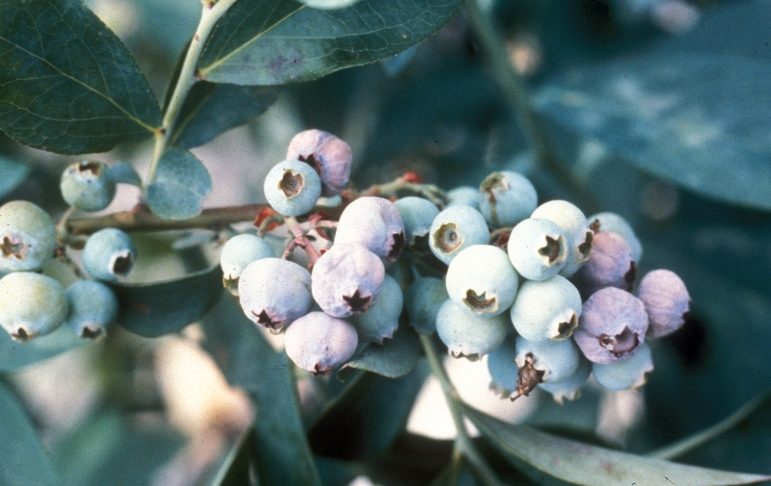
Mummy berry disease is caused by the fungus Monilinia vacciniicorymbosi and is an important fungal disease of blueberries.
Posted by Elina Coneva and Ed Sikora (Alabama Extension)
Current wet and cooler than normal conditions are conducive for mummy berry disease in blueberry, according to Alabama Extension. Mummy berry disease is caused by the fungus Monilinia vacciniicorymbosi and is an important fungal disease of blueberries that can cause yield losses of up to 50% when conditions are favorable for disease development.
The pathogen can infect shoots, flowers and fruit. The fungus overwinters in the previous year’s berries that have fallen to the ground. In early spring, a mushroom-like spore cup emerges from the infected berries near the soil surface. Fungal spores are released from these structures when bud swell begins and green tissue is present. Spores are spread via wind and rain. Early detection and control is necessary to reduce the impact of this disease on a crop.
Symptoms and Disease Development
Early season infection of flower buds and stems is promoted by wet conditions and cooler than normal temperatures. The earliest symptoms of mummy berry include drooping of developing leaves and shoots in the spring followed shortly by browning of the upper side of bent shoots, midribs and lateral veins of leaves. The bend in twig tips can resemble a shepherd’s crook. Vegetative shoots, leaves, and infected flowers are killed within four days after discoloration begins.
After initial infection, the pathogen produces conidial spores that appear as tan-gray tufts on blighted shoots. Conidia are then dispersed by wind, rain and insect pollinators to healthy flowers. Once the fungus has been introduced to the flower, it will germinate with the pollen and infect the developing fruit. Evidence of blossom infection does not appear until the fruit begins to ripen. As normal berries ripen, the infected berries begin to shrivel and turn a pinkish color. Shriveled berries drop to the ground.
Control Strategies
An integrated pest management program including both cultural and chemical control strategies is needed for best results. For new orchards, select resistant varieties or late blooming cultivars, if available. Also avoid wet sites and/or improve drainage to reduce conditions that favor mummy berry development. Remove wild blueberries or unwanted plants from the vicinity of the orchard to reduce overwintering inoculum.
If mummy berry is detected in an orchard, try to remove or destroy infected fruit at the end of the harvest season. This could include covering mummies with at least 2 inches of soil or mulch. Limit or delay overhead irrigation until petal fall during the growing season. Follow a fungicide spray program that is effective for controlling mummy berry from green tip until petal fall.
University of Georgia Cooperative Extension Ag economist Adam Rabinowitz encourages farmers to submit applications for the Coronavirus Food Assistance Program (CFAP) sooner rather than later.
Adam Rabinowitz
The application process for CFAP started this week. The program provides relief to American farmers and ranchers impacted by the coronavirus pandemic.
When details of CFAP were announced, the first guideline for eligibility requirements was a payment limitation of $250,000 per person or entity for all commodities combined. With so many producers projected to participate in the program that will provide up to $16 billion in direct payments, there is a chance of not having enough funds available.
“The USDA has estimated that there may be insufficient funds. As a result, they’re making payments in two phases. The initial payment is 80% of what the producer will be eligible for. Only if funds are available, (will) the remaining 20% will be paid,” Rabinowitz said. “There is that chance that additional funds will be allocated in the future. That certainly could help but it’s certainly not a guarantee.
“My recommendation is to get it in sooner than later. This way your paperwork is there.”
Specialty Crops Covered
For eligible specialty crops, the total payment will be based on the volume of production sold between January 15 and April 15, 2020; the volume of production shipped, but unpaid; and the number of acres for which harvested production did not leave the farm or mature product destroyed or not harvested during that same time period, and which have not and will not be sold. This has created some concern among farmers in Georgia and Alabama that their crops will not be covered based solely on the dates outlined in the program.
Specialty crops include, but are not limited to, almonds, beans, broccoli, sweet corn, lemons, iceberg lettuce, spinach, squash, strawberries and tomatoes. A full list of eligible crops can be found on farmers.gov/cfap. Additional crops may be deemed eligible at a later date.
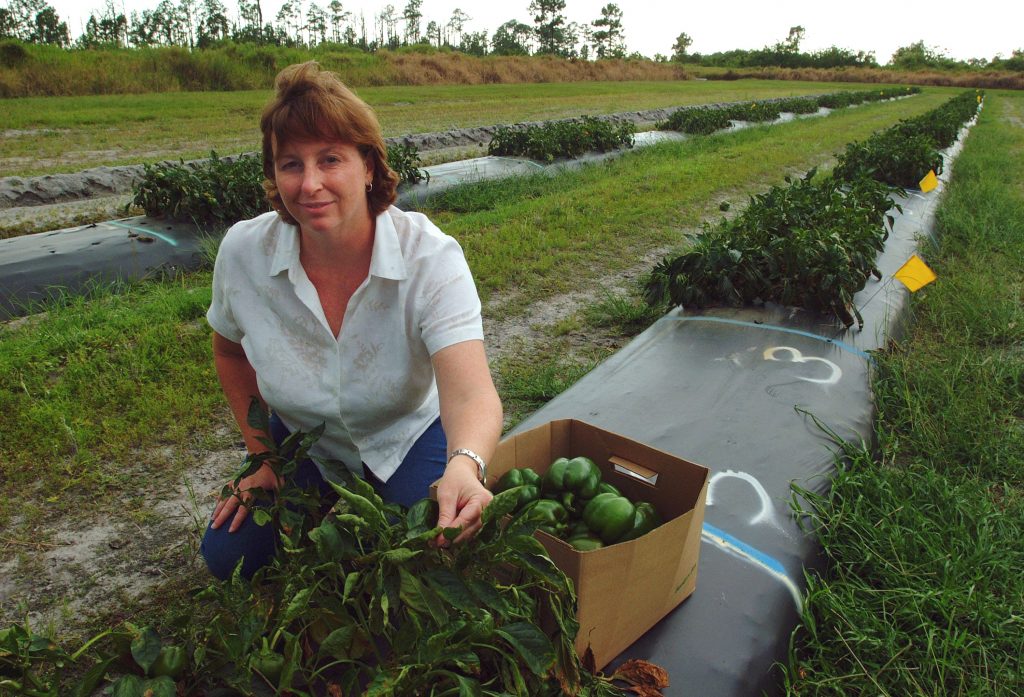
Pam Roberts checks pepper plants for bacterial leafspot at UF’s Southwest Florida Research and Education Center in Immokalee. (Photo by Eric Zamora UF/IFAS)
As Florida moved to “safer at home” measures, not all work could be put on pause.
When it came to University of Florida research, many UF/IFAS projects could not wait. There are living plants, animals and insects to feed and maintain; some projects have regular monitoring procedures for which postponement could have broader environmental consequences.
“We are very proud of our faculty, staff and students for continuing their essential research safely during the COVID-19 crisis,” said Robert Gilbert, dean for UF/IFAS Research and director of the Florida Agricultural Experiment Station. “We have approved many critical and time-sensitive research projects as this situation has evolved, and we continue to do so, with the number of approved projects well over 1,000 at this point. We expect other ongoing projects to ramp up in the near future.”
The UF/IFAS research portfolio includes thousands of projects totaling millions of dollars in funding.
“Our projects are continuing, but we have adapted to reflect COVID health and safety concerns to keep our research teams safe,” said Damian Adams, interim associate dean for UF/IFAS Research. “Some programs were able to transition very well to remote work and were largely uninterrupted or even accelerated.”
Below is just a sampling of the projects that have continued during the pandemic.
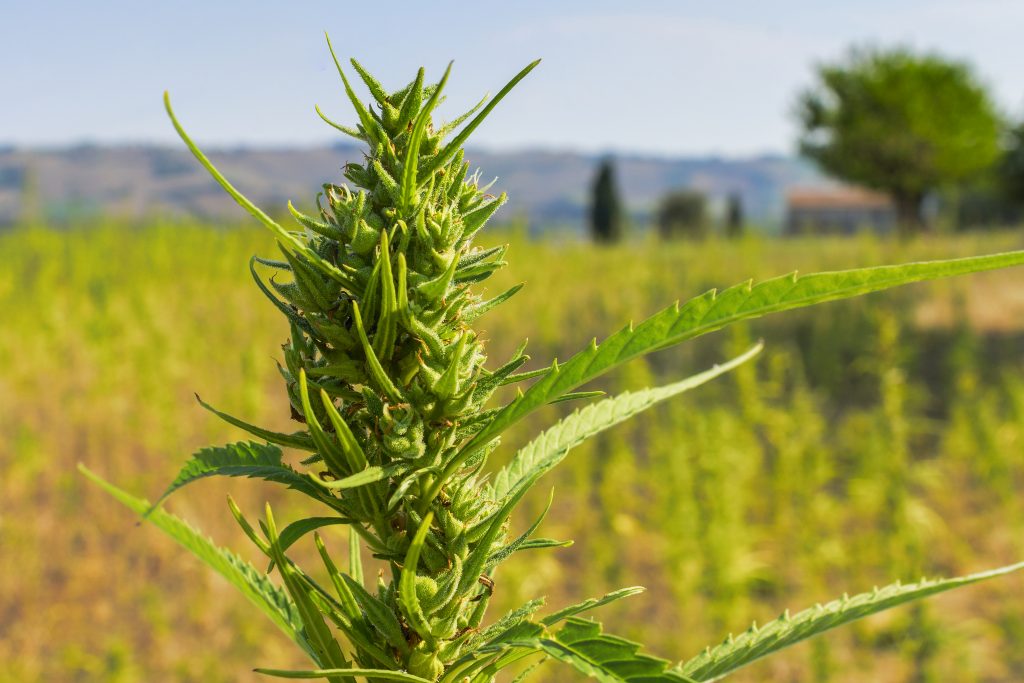
On-farm hemp trials around Florida are slated to begin soon.
Out of the Citrus Research and Education Center (CREC) in Lake Alfred, Florida, professor of nematology Larry Duncan leads a study for citrus grove nematode management. Florida citrus growers, whose success is already being challenged by widespread citrus greening, rely on UF/IFAS research to recommend best practices for a productive fruit yield. Disrupted continuity of Duncan’s project would have caused a two-year delay in recommendations as well as potential productivity losses in CREC’s citrus groves.
From the Fort Lauderdale REC in Davie, Florida, a team led by algae expert Dail Laughinghouse, an assistant professor, keeps tabs on the quality of several water bodies: Lake Okeechobee, Lake Tohopekaliga, St. Lucie Canal and St. Lucie Estuary. The project conducts monthly sampling to remain on the forefront of the fight against harmful algal blooms and their toxins, which present a constant threat to environmental and public health. During an active bloom, the consequences have proven to be far-reaching, with every Florida industry depending on our water resources in some direct or indirect way, from tourism to healthcare. Long-term data and continuous monitoring are necessary to support the understanding of triggers and dynamics of these toxic blooms.
At the Florida Medical Entomology Laboratory (FMEL) in Vero Beach, molecular biologist Chelsea Smartt, an associate professor, has a living Culex mosquito population that can salivate Zika virus. As one of few such populations in the world, continuous maintenance is required, as the loss of these insects would mean this critically important research is unable to continue. The work done at FMEL has implications for populations around the world, as mosquito-borne diseases are easily spread and kill many people each year.
The university’s main campus in Gainesville, Florida has greenhouses that are home to the blueberry breeding program, the basis of the state’s successful blueberry industry, which was valued at $82 million in 2015 (USDA-NASS, 2016). Patricio Munoz, horticultural sciences assistant professor, and his team must continue maintenance of the living plants, without which irrecoverable losses could occur.
Work at the Range Cattle REC in Ona proves the ability for some projects to continue virtually. Maria Silveira, soil and water sciences professor, is leading a project that investigates phosphorous (P) inputs and outputs for cow-calf operations in the state of Florida. As part of this effort, an online survey has been administered to beef cattle producers statewide. The project, developed in collaboration with the Florida Cattlemen’s Association and funded by the Florida Cattle Enhancement Board, is expected to provide a better understanding of role that beef cattle industry plays in the overall P inputs and outputs throughout the state.
With the UF/IFAS hemp program beginning its second year, a delay could affect future plantings and research. The program, led by Zachary Brym, agronomy assistant professor at the Tropical REC in Homestead, requires continuous maintenance of the fields to remain in a cultivatable status, which are now in the process of being planted with hemp. In addition, on-farm trials around the state are slated to begin soon. This critical work will help the fledgling industry by providing growers with guidance for success.
Robert Fletcher, a wildlife ecology and conservation professor based in Gainesville, leads an ongoing project to monitor the federally endangered snail kite for several Florida agencies. The species has broader legal implications, factoring into water management decisions in central and south Florida.
“This crisis has highlighted the importance of Florida agriculture more than ever,” Gilbert said. “The pandemic has presented difficult conditions for our researchers to adapt to professionally and at home, but working as a team has made us well-positioned to ramp up research quickly and safely to serve our stakeholders around the state. We value our partnerships with funding agencies and grower groups to perform this impactful research.”
Gilbert adds that UF/IFAS is investing in new research that will kick-start new interdisciplinary studies, as well as research into emerging opportunities for Florida agriculture.
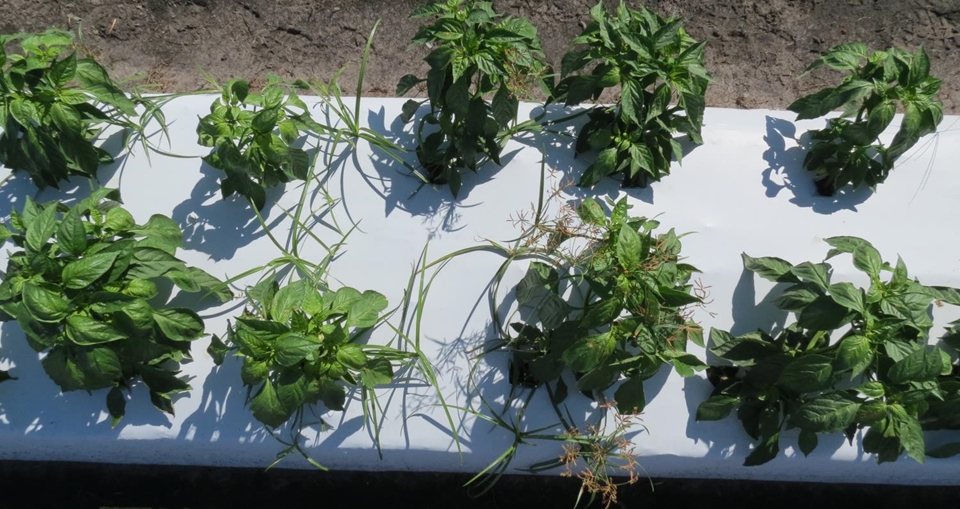
An overhead view of a plasticulture vegetable bed shows nutsedge weeds emerging through the plastic.
By Clint Thompson
University of Georgia Cooperative Extension weed specialist Stanley Culpepper encourages vegetable growers to diversify their management programs against nutsedge. This protects against potential resistance and provides adequate control.
“In general, I would say with our guys, I’m not overly concerned because our fields with our most nutsedge, they get fumigation, they get tillage and they get herbicides,” Culpepper said. “My guys are quite diverse. Will we have resistance one day? Sure, we will, but we are quite diversified in our management approach. We’re not selecting for resistance, say compared to an agronomic guy who goes out and sprays roundup or dicamba three times.”
According to Alabama Cooperative Extension, purple nutsedge and yellow nutsedge are prevalent in most areas where vegetables are grown. Both are perennial weeds that propagate mainly by the production of tubers. While growers maintain control of nutsedge, it comes at a cost, says Culpepper.
“That pest is still the most problematic. Doesn’t necessarily mean we’re not controlling it, but we’re spending a lot of money to control it that we wouldn’t have to spend if it wasn’t so problematic,” Culpepper said. “The one that’s causing us the most money without a doubt in the plasticulture system is nutsedge.”
Why Is It So Problematic?
Farmers who implement plasticulture still struggle with nutsedge because it can penetrate mulch.
“Even if you haven’t poked a hole in the mulch, nutsedge can penetrate it itself. It can damage the mulch and be there before you plant. It can come at any time even if your plant is shading out the plant hole. It’s very unique that way,” Culpepper said. “Is it killing us? Is it hurting our guys? No, I think we’re doing a pretty daggum good job. It’s a repetitive challenge and costing us a lot of money to try to manage.”
Diversification is key since there are very few herbicides that are effective regardless of the vegetable crop being grown. It is not like peanuts where farmers can apply Cadre or cotton where Roundup can be applied. Nutsedge control in vegetables is limited to a couple of products.
“It’s there and probably in every single field but they’re doing a really good job controlling it. It’s not like some disease that jumped on us last week and is going to wipe us out. That’s not it at all,” Culpepper said. “But that’s the one I still say is most challenging for our vegetable growers in plasticulture systems.”
UF/IFAS citrus scientists Tripti Vashisth and Fernando Alferez are trying to reduce the amount of fruit that drops from Hamlin and Valencia trees prior to harvest. If fruit drops, growers can’t harvest it, and that leads to losses for farmers and less fruit at the market for consumers.
Normally, about 10% to 15% of citrus fruit drops from a healthy tree, said Alferez. With citrus greening now prevalent throughout Florida’s citrus growing regions, scientists and growers have seen pre-harvest fruit drop increase in the last decade, he said. In the 2012-2013 season, researchers and citrus farmers noticed about 25% of their crop lost because of greening-associated pre-harvest fruit drop. Now, depending on the citrus variety, growers may see a pre-harvest drop, and it could be up to 50%.
Fruit-Drop Issues
The two UF/IFAS scientists are studying many fruit-drop issues. For example, they’re looking into the effect of removing “fruitlets’’ – fruit that’s less than 2 centimeters in diameter – from so-called “off-blooms.”
“Typically, healthy citrus trees bloom early in spring, and they may have another wave of flowers later in the spring, but it is atypical for the tree to bloom in late summer,” said Alferez. Those would be an example of “off-bloom” fruit.
Preliminary experiments from the two UF/IFAS researchers show that removing “fruitlets” from off-blooms when Hamlin oranges are mature results in more mature fruit hanging onto citrus trees – as opposed to dropping — Alferez said. This may increase yield because the mature fruit drops less.
Valencia oranges are more complex, as several blooms occur during the last part of fruit maturation, he said.
“Also, we have found that fruit drop is associated with fruit development,” said Alferez, an assistant professor at the UF/IFAS Southwest Florida Research and Education Center in Immokalee, Florida. “Small fruit are more likely to drop.”
Another Finding
Another preliminary finding? Insufficient carbohydrates do not cause fruit drop. Therefore, the researchers recommend growers use good irrigation and nutrition practices during the fruit-development period. Vashisth and Alferez also say if growers apply gibberellic acid during the fruit-development period, it can help reduce fruit drop.
“Our preliminary findings are important because they show that the fruit drop related to HLB is not a simple process,” said Vashisth, an assistant professor at the UF/IFAS Citrus Research and Education Center in Lake Alfred, Florida. “There is no single cause for the fruit to drop. There have to be more causes, and that is what we are trying to understand now.”
In healthy trees, competition for resources between mature and “fruitlets” causes some ready-to-harvest fruit to drop.
Citrus Greening Disease
Citrus greening disease – known to scientist as huanglongbing (HLB) — may contribute to fruit dropping from trees. HLB has caused tremendous damage to citrus in Florida.
“In general, trees displaying fewer HLB symptoms or that are relatively healthy tend to have less pre-harvest fruit drop and can hold on to fruit for a longer time,” said Vashisth.
Usually, these “off-blooms” are not abundant; they’re only on a few branches, but it may affect tree performance if it is sick with HLB.
“In Hamlin and Valencia oranges, we have observed several off-blooms resulting in new fruit as the current crop is already developing,” Vashisth said. “This is normal in healthy trees growing in tropical or subtropical regions, such as Florida. However, in an HLB-affected tree, this may compromise the tree’s ability to keep fruit. It may also reduce yield, because the new fruitlets and mature citrus compete for carbohydrates.”
Funding for this research is possible by state legislative funding for the UF/IFAS Citrus Initiative and UF/IFAS new faculty funding.
Policies and regulations can impact a farmer’s ability to make a living. The 2020 Florida, Georgia and Alabama legislative sessions have officially wrapped up, and the June issue of VSCNews magazine will tell readers how agriculture fared in each state.
Adam Basford, director of state legislative affairs for Florida Farm Bureau, discusses the successes and progress that has been made this legislative session.
Mary Ann Hooks, director of governmental affairs with the University of Florida Institute of Food and Agricultural Sciences (UF/IFAS), gives an update on how the UF/IFAS budget fared this year.
Georgia Lawmakers pressed the pause button on the 2020 legislative session due to COVID-19.
Georgia Agribusiness Council President Will Bentley discusses the Ag bills that were still in play when the session paused.
Furthermore, Ashley Robinson, AgNet Media communications intern, dives deeper into the Alabama session based on an interview with Leigha Cauthen, executive director of the Alabama Agribusiness Council.
Farmworker safety is also highlighted in the June issue. Amy Wolfe, president and CEO of AgSafe, discusses precautions that farm owners and managers should implement to ensure the safety of their farmworkers as the industry navigates through the COVID-19 pandemic. However, Wolfe warns not to trade out one risk for another. On top of additional COVID-19 precautions, growers shouldn’t overlook other tried-and-true general farm safety measures.
Hemp interest is still strong in the Southeast. Clint Thompson, AgNet Media multimedia journalist, looks at the impacts of COVID-19 on the hemp industry. Thompson also addresses the rules and regulations for producing hemp in Florida, Georgia and Alabama.
Lastly, Jaya Joshi, a postdoctoral associate at UF, discusses the future of meeting the demand for meat with plant proteins. According to Joshi, there is rising interest among consumers who want to eat less meat and dairy and more fruits and vegetables without compromising their protein intake. Plant-based protein may be the answer for these individuals.
To receive future issues of VSCNews magazine, visit click here.
Times have changed in the past two months for watermelon farmers in the Southeast. When farmers in Alabama, Florida and Georgia began planting their crop in late winter and early spring, the coronavirus pandemic struck and created a cloud of uncertainty for growers.
Watermelon prices are good right now for farmers.
What would harvest season look like? Would there be customers to purchase the crop? What kind of market value would there be?
Fast forward two months later; watermelons are in high demand amid fears of a shortage.
“Six weeks ago, a lot of these guys down here, including myself were concerned about, with the pandemic, just getting their money back,” said Greg Leger, a grower and shipper in Florida and Georgia. “Everybody was like, ‘If we can just get our money back.’ Everybody was scared to death because we didn’t know if there was going to be movement and consumption.
“(But) I had a friend tell me he was in a store up in Atlanta and people were social distancing waiting to get to the watermelon bin. Everybody in there was putting a watermelon in their buggy, which is good. It is a value and always has been. That’s promising to me, especially for Georgia and the Southeast for the fourth of July. I just hope that as long as consumption stays up and movement stays good, it should be a good season for us.”
First Signs of Lack of Fruit in Florida
Carr Hussey, a watermelon farmer in Florida and Alabama and chairman of the board of the Florida Watermelon Association, addressed the possibility of a watermelon shortage on May 12. He said the reason Florida is running out of melons is due to three straight weekends of rain events. Heavy rains on mature vines led to a quick harvest season.
South Georgia watermelons are poised to be ready between June 10-15. If there continues to be a shortage of melons, prices should remain strong for farmers in Georgia and Alabama. Currently, they’re around 22 cents per pound.
“Pricing is good. The reason pricing is so strong is that availability is shorter than normal,” Liger said. “I think we’re going to be a week earlier than we’ve been in the past couple of years. Two years ago, we didn’t even start til, we only had like 2 ½ weeks to get the crop off before the holiday. This year I think if things stay like they are now, we’re going to get started around the 15th with decent volume. I hope we do anyway.”
WASHINGTON, May 21, 2020 – The U.S. Department of Agriculture (USDA) and the Office of the U.S. Trade Representative (USTR) today announced additional progress in the implementation of the agriculture-related provisions of the U.S.-China Phase One Economic and Trade Agreement (The Agreement), which entered into force on February 14, 2020. Recent actions described below build upon the actions announced by USDA and USTR on February 25, March 10, and March 24. These are difficult times for both our countries. It is important that we each continue to work to make our agreement a success. Because of this continued progress due to the Agreement:
U.S. blueberries and California Hass avocados can now be exported to China. This new market access will provide California avocado growers and blueberry growers from around the United States with new opportunities to market their products to Chinese consumers in the coming years. In 2019, China imported a record volume of fresh fruits and vegetables exceeding $8.6 billion.
U.S. barley for processing, along with the forage products Timothy hay, alfalfa hay pellets and cubes, and almond meal pellets and cubes can now be exported to China. In 2019, China imported $1.5 billion of barley used as feed and for malt beverage production, and a record $500 million of forage products.
In recent weeks, China updated its lists of U.S. facilities eligible to export beef, pork, poultry, seafood, dairy, and infant formula products to China. China’s lists now include 499 beef, 457 pork, 470 poultry, 397 seafood, and 253 dairy and 9 infant formula facilities. As a result of these actions, more U.S. facilities are eligible to export U.S. food and agricultural products to China than ever before. USDA’s Food Safety and Inspection Service continues to update its export library, which provides additional guidance for U.S. meat and poultry meat exporters, including information related to the scope of products that may be exported to China, China’s labeling requirements, and other guidance.
China published on May 15 a new domestic standard for dairy permeate powder for human consumption that will allow imports of this product from the United States in the future. In 2019, China imported nearly $12 billion of dairy products from around the world.
China continues to implement its tariff exclusion process in an attempt to facilitate imports of U.S. commodities. USDA continues to publish guidance for U.S. exporters seeking to participate in this process (USDA Global Agricultural Information Network). USTR is continuing to process and where appropriate grant exclusions of products from China. USDA also is implementing its obligations under the agreement.
Perdue
United States Secretary of Agriculture Sonny Perdue said, “China is a market of tremendous potential for U.S. agriculture and these actions will help U.S. exporters expand their sales there. We look forward to continued cooperative work with China on implementation of Phase One commitments, and immediate increases in U.S. exports of all manner of agricultural products.”
United States Trade Representative Robert Lighthizer said, “China has worked with the United States to implement measures that will provide greater access for U.S. producers and exporters to China’s growing food and agricultural markets. Under President Trump’s leadership, we fully expect this agreement to be a success.”