Category: Florida

  • Back-to-Back Bountiful Watermelon Seasons?

    Watermelons being researched on the UGA Tifton Campus. By Clint Thompson 6–6-17

    It is never too early to start thinking about watermelon season in the Southeast. After all, south Florida’s crop has been in the ground for about a month. Central Florida producers will plant in mid-February. North Florida, Alabama and Georgia are slated to start around mid-March.

    It is never too early to start thinking about another dream season to follow last year’s bountiful season.

    “I’ve been at this 40-some odd years. Could you have two bountiful years back to back? Yes, indeed. Is it likely? Probably not,” said Carr Hussey, a watermelon farmer in Florida and Alabama, chairman of the board of the Florida Watermelon Association and co-founder of Sweet Mama Produce. “That’s a very difficult question because weather is such a big deterrent. I think it’s going to be an okay year, but I don’t know if it’ll be as bountiful as last year.”

    Short Supply, High Demand in 2020

    Watermelons were in short supply last year that contributed to higher prices for Southeast farmers. Hussey predicted in May there could be a watermelon shortage by Memorial Day. Prices in mid-May were around 20 cents per pound. Florida’s watermelon supply diminished due to three straight weekends of rain events. Heavy rains on mature vines lead to a quick harvest season.

    But those farmers that had a crop were able to sell and sell at high prices for most of the season.

    “In my 40-something years I’ve seen about three of those. I hate to say it, but I think COVID had a little bit to do with it last year. People were staying home, doing more Bar-B-Quing. I really think it helped the pricing. The bountifulness was already there, but the demand was higher which kept the price good,” Hussey said. “Will that happen again this year? I hope so. I don’t hope for COVID, of course.”

    Prices also could be impacted by an increase in acres. Georgia’s acreage dropped to around 19,000 last year. It was a significant decline from the 23,000-acre average from it had from 2016 to 2018. But with word of higher prices in 2020, it should entice farmers to plant more acres this year.

    “Anytime there’s a really good year, everybody and their brother want to get on it next year. That’s what will probably deter the price from being as good,” Hussey said. “But that being said, if they don’t increase it dramatically, it’ll still be a good year; if they don’t increase acreage dramatically.”
  • Whitefly Numbers Increasing in Florida Vegetables

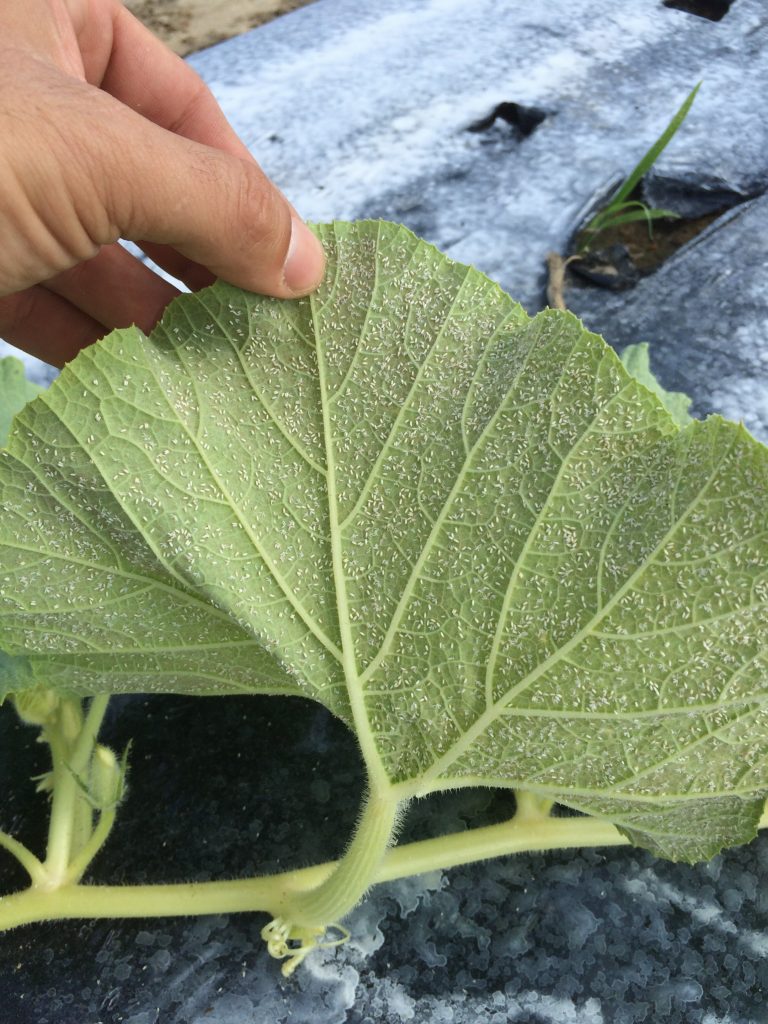
    File photo shows whiteflies infesting cucurbits.

    According to today’s release of the South Florida Pest and Disease Hotline, whitefly numbers are increasing in some older tomato fields across the southwest Florida region. As many as 5 to 10 whiteflies per leaflet have been detected.

    Whiteflies are also present in high numbers in cucumbers, squash and eggplant. They are beginning to show up in some young tomato and watermelons as well.

    Pressure remains light in the Manatee Ruskin area, though growers are just now planting.

    Whitefly infestations are high in some older eggplant and reaching moderate levels in tomato along the East Coast. In Homestead, Florida, whiteflies are increasing in various crops. There are also reports that Tomato Yellow Leaf Curl Virus, a disease caused by whiteflies, is widespread in tomato.

    Management of whiteflies later in the season depends on suppression of whitefly populations early in the season. Growers need to be aggressive with the best systemic materials such as Venom, Sivanto Prime and Verimark.

    Click here for whitefly management options.

    Whiteflies are difficult to control because of their prolific reproductive cycle. A female can lay between 150 and 200 eggs. It only takes those whiteflies two to four weeks to mature into the adult stage and begin reproducing.

  • Quality Assurances: Florida Strawberries Looking, Tasting Good

    florida
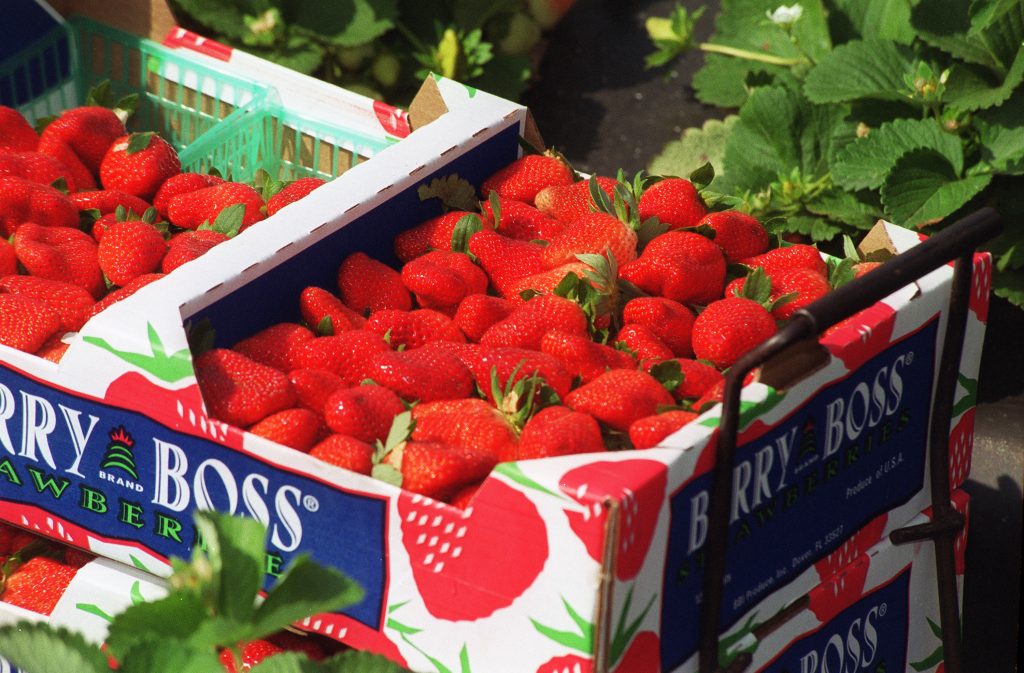
    File photo shows strawberries packaged in the field.

    Cooler temperatures this winter have slowed the growth of Florida’s strawberry crop. But the quality of the berries the state has produced since Thanksgiving remains top-notch.

    “With all of this nice cool weather, we’ve had fantastic quality. The flavor has been really good. The size of the fruit has been really good. The firmness of the fruit has been really good. The fruit that we’ve produced has been great quality,” said Vance Whitaker, strawberry breeder at the University of Florida Gulf Coast Research and Education Center.

    Whitaker said the combination of the hot November temperatures and subsequent cooler temperatures in December and January have slowed the crop’s emergence and ripening of the fruit as well.

    He predicts that volume will increase substantially, however, over the next two weeks leading in Valentine’s Day.

  • Wind’s Blowing: South Florida Melons Progressing Amid Adverse Conditions

    watermelon
    File photo shows watermelon plants in a field.

    South Florida watermelons have been in the ground almost a month. Plants are progressing, but today’s cooler temperatures and strong wind has one farmer concerned potential gummy stem damage.

    “Right now, (plants are) looking pretty good. I’m just hoping that this wind doesn’t do a lot of damage. When your line is just starting to run a little bit and you get a lot of wind, that’s when you start to get some problems,” said Carr Hussey, a watermelon farmer in Florida and Alabama, chairman of the board of the Florida Watermelon Association and co-founder of Sweet Mama Produce. “Gummy stem starts to show up and stuff like that.”

    Weather Factor

    A La Nina weather pattern was expected to bring warmer and drier winter conditions across the Southeast. But that has been opposite of what some producers in Florida, Georgia and Alabama have felt so far. In South Florida, though, temperatures can increase dramatically and quickly, which could bring added stress to the plants already in the ground.

    “We’ll have days here where it’ll be a high and today’s going to be one of them, like 58 (degrees). And two days from now, but it won’t be this week, but last week was where we had a week like that; two days later we were 80, which is 10 degrees above our normal temperature. On average it was a couple of degrees higher than normal,” Hussey said.

    “The wicked witch of the north has always said when you get temperature changes like that, that’s when you have a hollow heart situation. But I don’t think anything’s been planted long enough for that to happen. Should the weather straighten out I think we’ll be okay. I don’t think anybody actually knows where hollow heart really comes from.”

    Hussey plans to plant again around Feb. 15 in Wauchula, Florida and then again in Malone, Florida and Cottonwood, Alabama on March 15. That is also about the time when most of South Georgia producers will plant their crop.

  • Opportunity Awaits? Blueberry Exports to China Could Be Game Changer

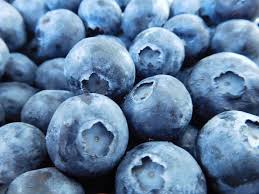
    File photo shows blueberries on sale.

    While the pending International Trade Commission decision regarding the case of serious injury that imports have had against blueberry growers will be pivotal for producers in Florida and Georgia, another marketing opportunity may lie with producers capitalizing on exports to China.

    Greg Fonsah, University of Georgia Agribusiness Extension economist, said during Friday’s Ag Forecast meeting there is a real opportunity for blueberry growers to capitalize on an exports market, especially as Chinese consumption of blueberries has increased dramatically; from 28 million pounds in 2012 to 360 million pounds in 2018.

    Historic Agreement

    Because of the U.S.-China Economic Trade Agreement, the U.S. was granted access to export blueberries to China, as of May 2020.

    “It is about time for the U.S. to also penetrate that market and get a share of the market especially in that May 2020 we had this agreement with the Chinese government,” Fonsah said. “It is going to be an opportunity for the U.S. blueberry industry to start looking at the Chinese market and try to capture a huge market share, just like Chile, Peru, Argentina and Mexico.”

    Flooded Market

    The region’s blueberry growers need every market source they can get at this point. Increased domestic production of blueberries combined with increased imports have flooded the U.S. market. Unfortunately, when markets flood, prices plunge. This is a focal point of the American Blueberry Growers Alliance case to the International Trade Commission that a serious injury has occurred.

    “The market has totally changed in 10 years, totally changed,” Fonsah said. “We have also doubled the production. The domestic production plus imports coming from Mexico, guess what, we have flooded the market.”

    Imports from Latin America remains the primary challenge to Southeastern blueberry producers’ production. From 2010 to 2019, Peru’s export production to the United States exploded from almost nothing to 140 million pounds. Mexico’s production soared to almost 80 million pounds, according to the U.S. Department of Commerce, Bureau of the Census.

    Exports from Mexico soared to around 23 million pounds in April 2020 compared to 16 million in 2019 and 13 million in 2018.

    The domestic FOB (freight on board) price in October 2010 neared $35 per flat. In September 2019, the price plunged to $15 per flat, according to the USDA Agricultural Marketing Service.

    “The huge production from Mexico and the huge production domestically has helped flood the U.S. market and helped depress the prices,” Fonsah reiterated.

    U.S. fresh-market production of blueberries increased from about 250 million pounds in 2010 to about 370 million pounds in 2019, according to the USDA National Agricultural Statistics Service.

  • Cold Temperatures Slow Growth of Florida Blueberries

    File photo shows blueberries.

    Florida blueberries are normally in peak pollination season this time of the year. But that isn’t the case this season, however, says Ryan Atwood, who lives in Mount Dora, Florida and is one of the state’s blueberry leaders.

    “We’re starting to get some flower emergence. Normally by now we’re in peak pollination season. I don’t think we’re there yet in Central Florida, definitely not there yet in north Florida,” Atwood said. “I was down in south Florida (recently) and those guys do have bees actively in their fields pollinating.”

    Atwood farms 56 acres of blueberries, manages another 350 acres and is part-owner of the largest packing house in the Southeast United States.

    The cooler temperatures being felt across Florida have played an integral part in the slow growth of this year’s blueberry crop.

    “We’re I think on pace, we might be a little bit later than what we historically are on the crop cycle,” Atwood said. “That’s hard to say yet because you don’t know what February and March weather patterns have to offer. But definitely consistently cooler in December and January than we typically get, and it slowed us down a little bit.”

  • It’s Coming: Strawberry Volume Expected to Increase Soon

    Florida strawberry production has been slower than normal this season. But don’t expect that to too last much longer.

    File photo shows strawberries.

    “I think that volume’s going to be coming pretty powerfully here whether we’re ready for it or not over the next couple of weeks,” said Vance Whitaker, strawberry breeder at the University of Florida Gulf Coast Research and Education Center.

    “We’ve had an explosion of bloom over the last couple of weeks. We’re just sort of at the beginning, I think, of a really large uptick in volume. I think that we’re looking at increasing volume pretty dramatically from where we are right now as we’re heading into Valentine’s Day.”

    Slower Production So Far

    Florida producers have been harvesting consistently since around Thanksgiving, but the volume has lagged compared to previous years. Whitaker talked to growers in December. They estimated they were somewhere between 20% and 25% behind the production numbers they were at the same time last year.

    “We’re not talking like a major, major deficit. But it’s been a little tight. I think berries have been a little bit tight on the U.S. market from wherever they’re coming from, whether it be southern California or Mexico, due to the colder weather,” Whitaker said. “That’s probably been a fairly good thing since I think demand has not been super high with the lockdowns and COVID situation that we’ve been dealing with. It’s probably been a good thing, in the end, not to have any record volume so far.”

    Weather Factor

    Weather was the main culprit in decreased volume so far.

    “We’ve definitely been a little bit shy, up ’til now on volume, a little bit behind. It’s due to two things. One, we had the hottest November on record as far as average temperatures. That kind of slowed down the initiation of the blooms and the crown,” Whitaker said.

    “Once we got those flowers initiated a little bit on the late side, then we got this really nice stretch of weather; no major freezes but plenty of cold nights… nice cool weather through December and January. There was fantastic fruit quality, but it’s just slowing down the arrival of that yield.”

  • Blueberry Imports a Complement to Southeastern Producers?

    The Blueberry Coalition of Progress and Health contends that imports of blueberries do not take away markets from southeastern growers but complements their production.

    It made its case to the International Trade Commission (ITC) on Jan. 12 during a virtual hearing and continues to believe there is a big enough “blueberry pie” for all parties to benefit from.

    “That’s why the coalition was formed. We wanted to continue the momentum that the blueberry industry has done over the last few years and the growth and the demand,” said Joe Barsi, President of California Giant, which is a member of the coalition. “The average consumer eats 1.79 pounds of blueberries per year. That’s up significantly. It’s still pales in comparison to a category likes strawberries where consumers eat seven pounds a year of strawberries.

    “We wanted to continue the momentum and we feel like limiting imports will raise prices to the U.S. consumer. It will decrease demand and we’ll lose the momentum the industry has realized. I think the domestic industry has really benefited from the imports in having a consistent supply at retail year-round that’s fairly priced.”

    Section 201 Investigation

    Blueberry imports have been a struggle for growers in the southeast to compete with every year. It was the focus of a Section 201 investigation where the American Blueberry Growers Alliance presented data to the ITC during the Jan. 12 hearing that outlined the imports’ impact on southeast blueberry production, which it believes has resulted in serious injury.

    Statistically Speaking

    According to the American Blueberry Growers Alliance, the U.S. Department of Agriculture Marketing Service reported a 68% increase in imported fruit from Mexico from 2019 to 2020, amounting to more than 15 million pounds of fresh blueberries during a 14-week period. Mexico, along with Peru, Chile, Canada and Argentina account for more than 98% of total U.S. imports. Import values increased from $530 million in 2014 to $1.2 billion in 2019.

    Jerome Crosby, Chairman of the American Blueberry Growers Alliance, testified that imports of fresh blueberries have increased 75% over the past five years and is only expected to worsen.

    Supply and Demand

    Barsi believes that the blueberry demand requires the consistent imports that are coming from places like Mexico and Peru.

    “There’s such a demand in the marketplace for fruit, say in the spring window when Florida is producing, there’s such a demand for fruit that Florida and southern California wouldn’t be able to supply the market for the demand that it requires. That’s why we feel like imports have been a really good complement to that,” Barsi said.

    “For someone like California Giant or another company like ourselves, we’re in the market 52 weeks out of the year. To be able to supply our customers with a supply of blueberries year-round, we have to be able to have both, domestic and imports, to be able to supply those requirements.”

    Who Makes Up the Blueberry Coalition of Progress and Health?

    The Blueberry Coalition of Progress and Health is compromised of a broad range of domestic and international producers as well as distributors. Some retailers are on the coalition as well.

    “It was basically formed, we wanted to continue the progress that the blueberry market has continued to have over the last 15 to 20 years. I’ve been involved in blueberries for 15 years, and there’s been significant growth in the marketplace,” Barsi said. “The coalition was formed to be able to provide data to the International Trade Commission on why we think that imports haven’t been a serious injury to the domestic industry.”

    ITC Investigation Timeline

    Important dates

    • January 12th – Public hearing 
    • January 19th – Post-hearing briefs
    • February 3rd – Staff report (internal)
    • February 11th – Injury public vote (scheduled)

    For the remedy phase (if affirmative injury is determined):

    • February 18th – Prehearing briefs
    • February 25th – Public hearing
    • March 3rd – Post-hearing briefs
    • March 19th – Remedy public vote (scheduled)
    • March 29th – Determination, views and report delivered to the President
    • May 27 as the deadline for the President’s decision

    Blueberry Coalition Members

    • Agroberries S.A.
    • Alpine Fresh Inc.
    • Aneberries A.C.
    • Berries Paradise S.A.P.I. de C.V.
    • California Giant Berry Farms
    • Camposol Fresh USA, Inc
    • Driscoll’s, Inc.
    • Family Tree Farms
    • Fresh Produce Association of the Americas
    • Giddings Berries
    • Hortifruit
    • Andrew & Williamson Fresh Produce
    • Pro Arandanos
    • United Exports Limited
    • Reiter Affiliated Companies
    • Chilean Blueberry Committee
    • Chilealimentos
  • Identification Key in Managing Stink Bugs in Tomatoes

    Stink bugs are a diverse species that can wreak havoc on Florida’s tomato crop. With a piercing-sucking mouthpart, stink bugs pierce the fruit and suck out fluids. They also secrete enzymes while doing so, which damages the cells right under the skin of the fruit. This leads to little spots forming all over the fruit.

    Picture submitted by Craig Frey/Shows a brown stink bug.

    It is more visible once the fruit ripens, but packinghouses can identify it on green fruit as well. Ultimately, the fruit is unmarketable for producers to sell.

    But for farmers, it is important to identify what stink bug species are on their crop. Some are predators, others are minor pests, while a few can cause major economic loss. Life cycles in tomatoes can range from five to 10 weeks, which is another important reason for proper identification.

    “If it’s a 5-week life cycle versus a 10-week life cycle, a producer will have to spray twice as a frequently. It’s therefore critically important to know what species it is so we can know what their life cycle is and make sure our management fits accordingly,” said Craig Frey, University of Florida/IFAS Hendry County Extension Director.

    Two Most Problematic Species

    The two species tomato producers must contend with the most are the brown stink bug, Euschistus servus, and southern green stink bug, Nezara viridula.

    “It was interesting to see that what I found in my master’s research in 2016-2017 correlated with what Dr. Amanda Hodges has seen in her traps over the last couple of years of surveying. There appears to be higher numbers of those two species than anything else,” Frey said.

    Proper identification is key, but it is also essential to start management early and avoid playing catch-up.

    Frey said stink bugs are more of an issue for grape tomatoes. Producers harvest them more frequently, and due to the required intervals between pesticide application and harvest, it is harder to find time to make an appropriate chemical application and keep the pest in check.

  • UF/IFAS Updates ABT Populations

    According to UF/IFAS, high population densities of Asian Bean Thrips (ABT) continue to appear only in isolated locations.

    ABT populations have reached 1.0 per bloom early bloom plantings across multiple farms in southeastern Hendry County. In some cases, populations reached as high as 1.7 per bloom.

    Populations reached 8.5 per bloom in plantings within a week of harvest. It’s the highest reported outside of Miami-Dade County.

    The late increase in population may affect nearby and/or subsequent plantings.

    In northern Collier County, ABT has not yet been reported in plants at the early bloom stage or younger. The pest was found for the first time at up to 0.3 ABT per bloom in older plantings.

    In eastern Palm Beach County, populations appear to remain low, at less than 0.1 per bloom.

    ABT populations were not reported in southern Glades County and southern Martin County. This indications population density is below sampling threshold.