Category: Exports/Imports

  • Farmer’s Message Regarding Mexican Imports: It’s a Totally Different Playing Field

    United States of America and Mexico waving flag.

    All South Georgia vegetable farmer Sam Watson wants when competing against Mexican imports is a level playing field. Right now, that does not exist and has the Moultrie, Georgia farmer concerned about the future of the American farmer.

    Watson

    “When you look at what we have to do from our cost of production standpoint and you look at our labor costs mainly, where we have to pay (hourly) H-2A wages that are in the $12 range and yet you can go to Mexico and have the same labor down there and pay $8 a day on the high end; and then there’s no regulatory environment,” Watson said.

    “You don’t have EPD and Department of Agriculture and FDA and OSHA. The food safety requirements exist on this side, but do we know how much of that is being regulated on their side? The whole regulatory environment is different.”

    Virtual Hearings

    Watson was one of many Georgia farmers and Florida farmers who testified in virtual hearings with the U.S. Trade Representative’s Office about unfair trade practices with Mexico. All who testified voiced similar concerns that they are unable to compete now and in the future.

    Not a Level Playing Field

    “It’s a totally different playing field. If I didn’t have to pay but $8 a day, I could do a whole lot better job probably when it comes to quality and harvesting and that kind of stuff,” Watson said. “They’ve got state of the art facilities down there that we can’t compete with. The government is subsidizing those guys down there. Their government is pumping a ton of money into economic development and growing that sector of their economy down there.

    “You’ve got cost of production, you’ve got regulatory environment and you’ve got subsidies. When you put all of that together; the cost of production continues to go up. Our regulatory environment continues to get worse. Our labor costs continue to go up.

    “You reach a point where it’s just not worth it anymore.”

    Federal Response

    Federal agencies responded to the hearings with a plan to help farmers of seasonal and perishable fruits and vegetables, including those from Georgia and Florida. Click here to view details of the plan.

    “We’re not saying we want to stop the production. We just want there to be a level playing field. They shouldn’t be sending product into the United States of America open on a $16 squash market. That’s called dumping. I’ve got evidence of it,” Watson said. “That happens all the time.”

  • South Georgia Farmer: Need to Buy Georgia Grown

    One South Georgia farmer is hoping American consumers will buy more locally grown produce. After all, the future of the American farmer is at stake.

    Brim

    Bill Brim, co-owner of Lewis Taylor Farms in Tifton, Georgia, implores consumers to truly consider who they’re buying their fruits and vegetables from. Not the retailer but the country of origin the blueberries and cucumbers and squash originated from.

    The biggest threat to vegetable and specialty crop producers in the Southeast remains constant imports from Mexico. It’s happening right now with the fall production season underway in Georgia.

    “They’re pumping cucumbers in here right now and squash and bringing the markets down to where we can’t compete. We’ve got to do something to make people realize that they need to buy Georgia Grown or American Grown and to heck with the Mexican Grown stuff,” Brim said. “Don’t buy it, just do without it. They’re going to put us out of business if we don’t stop it somehow.

    “When you’re dropping $22 to $12 (for squash), you cut your profit to nothing.”

    Hearings

    Brim was one of the Georgia producers who testified during a virtual hearing on Aug. 20 with the U.S. Trade Representative’s Office. He and other farmers and industry leaders like Georgia Agriculture Commissioner Gary Black and Charles Hall, executive director of the Georgia Fruit and Vegetable Growers Association, testified that if action was not taken, Mexican imports will continue to drive down market prices and make it impossible for producers to continue farming.

    USTR Response

    The USTR responded with a plan to support American producers of seasonal and perishable fruits and vegetables. It includes a Section 201 global safeguard investigation into the extent to which increased imports of blueberries have caused serious injury to domestic blueberry growers.

    The USTR also announced plans to pursue senior-level government-to-government discussions with Mexico to address industry concerns regarding the imports of Mexican strawberries, bell peppers and other products.

    While it may take some time for any subsequent action to be taken, producers like Brim remain vulnerable to the constant barrage of imports coming in from Mexico.

    “When they start pulling all of this stuff from Mexico, these brokers and these people that are doing these for Kroger or Wal-Mart or whoever they are, they’re going to buy the cheapest product that they can get. They’re going to try to make as much money off of it as they can get. It’s just a matter of trying to convince the Krogers and Wal-Marts of the world not to buy from Mexico and buy from us,” Brim said.

    “If they don’t, we’re going to be out of business. They’re not going to have any choice for anything else.”

  • Produce Group Says Trade Investigation to Undermine USMCA

    Not all produce groups are pleased the Trump Administration is taking action regarding fresh produce imports. Last week, U.S. Trade Representative Robert Lighthizer outlined a plan that includes investigations of imports of blueberries and potentially strawberries and bell peppers. The plan also outlines actions that would impact U.S. companies distributing imported produce.

    The Fresh Produce Association of the Americas says, “This politically motivated action directly undermines the new U.S. Mexico Canada Agreement, positioning the U.S. as an unreliable trading partner.” The association says using the rarely invoked trade law cited would impose costly tariffs on seasonal produce, raise consumer prices and would launch numerous and unending “tit for tat” trade wars.

    The Fresh Produce Association of the Americas is a nonprofit trade association headquartered in Arizona that represents over 120 U.S. member companies involved in importing and marketing fresh fruits and vegetables grown in Mexico and distributed across North America and the world. 

    (From the National Association of Farm Broadcasters)

  • Collins Statement on Trump Administration Requesting Investigation into Mexico’s Unfair Trade Practices

    Collins

    GAINESVILLE, Ga. — Rep. Doug Collins (R-Ga.) released the following statement after the Trump Administration released a 28-page report detailing how it would address threats that increased imports pose to American producers of seasonal and perishable fruits and vegetables. The report also requested a U.S. International Trade Commission investigation into blueberry imports from Mexico, which have long harmed blueberry farmers in Georgia.

    “This is a positive step forward in addressing foreign unfair trade practices and the negative impact they have on our farmers. For far too long, Mexico’s unfair trade practices have caused significant harm to Georgia farmers, particularly blueberry growers. By requesting an investigation into these practices, President Trump and his Administration are reaffirming their commitment to put American farmers first by leveling the playing field.”

    On August 20, 2020, Collins testified on Mexico’s unfair trade practices during a virtual hearing hosted by the Office of the U.S. Trade Representative (USTR), the U.S. Department of Agriculture (USDA), and the U.S. Department of Commerce (DOC).

    Collins testimony is cited on page 12 of the report:

    Rep. Doug Collins (GA): “To provide an example of one commodity that is disastrously struck by Mexico’s practice, Mexico’s share of the U.S. blueberry market has gone up by 2,111 percent over the last 10 years. I didn’t make a mistake there. That’s 2,000 percent in 10 years.”Back in July, Collins and Rep. Austin Scott (R-Ga.) sent a letter to U.S. Trade Representative Robert Lighthizer urging the Administration to protect Georgia farmers from Mexico’s unfair trade practices as it works to implement the United States-Mexico-Canada Agreement (USMCA).

  • Auburn Economist Encouraged by Federal Agencies’ Plan of Action

    One economist in the Southeast is encouraged by the plan to address the threat of increased foreign imports to U.S. producers of seasonal fruits and vegetables.

    Adam Rabinowitz, Auburn University Assistant Professor and Extension economist, believes the hearings held in August for Florida and Georgia producers opened communications and led to a report released by the Office of the U.S. Trade Representative, the Department of Agriculture and the Department of Commerce, that could produce substantial change.

    Adam Rabinowitz

    “It’s really encouraging to see that these hearings were not just a one off if you will, that produced a report and ended up going nowhere and closing communications. That did not happen,” Rabinowitz said. “It actually opened up the doors for continuing communications in the outreach programs, but also it mentions formal channels for stakeholders to actually provide information on where they’re seeing seasonal imports coming into the U.S., including those from Mexico; explicitly listed there, as being hurtful to U.S. production and U.S. producers. Opening that communication, creating those channels certainly has to feel like a win for Southeast fruit and vegetable producers.”

    USTR Press Release

    Rabinowitz

    According to the USTR press release, the public hearings allowed more than 60 witnesses to testify, in addition to more than 300 written submissions.

    The plan’s highlights include, the USTR will request the International Trade Commission to initiate a Section 201 global safeguard investigation into the extent to which increased imports of blueberries have caused serious injury to domestic blueberry growers. The same 201 investigation could be implemented later this year for strawberries and bell peppers.

    Section 201

    “Section 201 is part of the Trade Act of 1974. It really allows the International Trade Commission to look at where domestic producers have been harmed by imports. They have to be seriously injured, meaning that level of injury to their marketing opportunities,” Rabinowitz said. “Typically, it must be completed within 120 days after filing. I don’t know if the initial report here was the day of filing, or if that’s going to follow.

    “I think we can expect within the next 4 to 6 months to see not just the report from the International Trade Commission, but also the president has a limited time after that report comes to actually respond to that and either adopt remedies or make a decision from that. I think within the next 4 to 6 months we should see some activity that occurs, on the blueberry side at least.”

    The plan also states that the USTR will pursue senior-level government-to-government discussions with Mexico over the next 90 days to address U.S. industry concerns regarding U.S. imports of Mexican strawberries, bell peppers and other seasonal and perishable products.

    To read the full report, click here

  • Commissioner Black Pleased with Announcement from USTR

    Georgia Agriculture Commissioner Gary Black is pleased farmers and agricultural leaders have a seat at the decision-making table again.

    Black

    The agreement to have the August hearings that focused on unfair trade practices involving foreign produce and included testimonies from farmers and industry leaders from Florida and Georgia was a “positive step,” he said.

    This led to a plan of action, announced on Tuesday by the Office of the U.S. Trade Representative, the Department of Agriculture and the Department of Commerce. There will be further investigations surrounding certain commodities at the center of the trade dispute Southeast growers have with Mexican imports, specifically blueberries, strawberries and bell peppers.

    Gary Black

    “The one thing that has to go out over your air waves is the unmatched support from this administration; the president, secretary, Ambassador Lighthizer and others; agriculture is a priority to Donald Trump. Again, are you always going to agree on everything? No you don’t, but I think most people in agriculture are just encouraged to be a part of the conversation; to be a front-burner issue as opposed to the fine print at the end of the credits,” Black said. “That’s where we’ve been for way too long. There’s a commitment by the ambassador, trade representative to step up, to listen. They did.

    “I think it’s incumbent upon us to stay hitched up, try to look at this agreement and this plan they put forth in a positive way. As I said in my testimony, we want a strong agreement, but we want one that’s enforced. American farmer, the Georgia farmer, their responsibility is as important a part of our homeland security and national defense strategy than anything else that we do. We’ve got to have a healthy agriculture to have a healthy America and a healthy Georgia. Trade’s the lifeblood. Lets just hope these steps wind up being very positive. We’re going to be supportive and keep the communication lines open as we move forward.”

    USTR Press Release

    According to the USTR press release, the public hearings allowed more than 60 witnesses to testify, in addition to more than 300 written submissions.

    As outlined in the plan, the USTR will request the International Trade Commission to initiate a Section 201 global safeguard investigation into the extent to which increased imports of blueberries have caused serious injury to domestic blueberry growers. The same 201 investigation could be implemented later this year for strawberries and bell peppers.

    The plan also states that the USTR will pursue senior-level government-to-government discussions with Mexico over the next 90 days to address U.S. industry concerns regarding U.S. imports of Mexican strawberries, bell peppers and other seasonal and perishable products.

    To read the full report, click here

  • Florida Fruit and Vegetable Association Commends USTR

    MAITLAND, FL (Sept. 1, 2020) – The Florida Fruit & Vegetable Association commended the Office of the U.S. Trade Representative, the Department of Agriculture and the Department of Commerce on Tuesday for their plan to begin remedying the immense harm to produce growers in Florida and elsewhere caused by unfair trade practices and harmful import volumes from Mexico and other foreign sources.

    “As (Tuesday’s) announcement makes clear, this plan will launch the first – but not the last – steps needed to solve this longstanding and growing threat to the produce industry in Florida and elsewhere,” said FFVA President Mike Joyner. “The unfair trading practices and harm to our industry, which are exhaustively documented in (Tuesday’s) report and on the record, demand a timely, effective and lasting solution.”

    August Hearings

    After listening during two August hearings to industry leaders and producers from Florida, Georgia and other states, the three agencies on Tuesday unveiled a report on the hearings and a plan to support producers of seasonal and perishable fruits and vegetables.The plan outlines the specific actions each agency will take. Among other things, the USTR will pursue “senior-level government-to-government discussions with Mexico over the next 90 days to address U.S. industry concerns regarding U.S. imports of Mexican strawberries, bell peppers and other seasonal and perishable products.”

    In addition, USTR will ask the International Trade Commission to initiate a Section 201 investigation into whether increased imports of blueberries have seriously harmed U.S. blueberry growers. During the hearings, industry leaders and producers pointed to a heavily subsidized Mexican produce industry and unfair pricing practices as primary causes of the decline in Florida’s market share and production during the past 20 years. Researchers from the Florida Department of Agriculture and Consumer Services and the University of Florida testified about data showing explosive growth in imports of Mexican fruit and vegetable crops to the United States since 2000.

    More Work to do

    FFVA will continue to coordinate closely with the Administration and elected officials during the negotiations and other proceedings announced (Tuesday) to deliver the trade relief that Florida specialty crop growers need and deserve.

    “Mexico and other foreign suppliers should be on notice that all of our affected fruit and vegetable sectors, working with the Administration and elected officials, are committed to ensuring that every trade remedy tool available is used to correct the unreasonable foreign trade practices that have caused persistent losses in market share and revenue, shuttered farms, and growing job losses throughout our state,” Joyner said. “We won’t allow our industry’s survival to continue hanging in the balance, and we intend to solve this longstanding problem once and for all.”

    Joyner expressed appreciation to Florida’s congressional delegation for its leadership and unanimous commitment.

    “The fact that every member of Florida’s congressional delegation – the third largest in the country – has remained united in strong support of Florida producers on this issue demonstrates the importance of agriculture to Florida. We are thankful for their unwavering support.”

  • Fried Issues Statement on USTR Announcement on Mexico’s Trade Practices

    commissioner
    Nikki Fried
    Florida Agriculture Commissioner

    Tallahassee, Fla. – After Tuesday’s announcement from the Office of the United States Trade Representative (USTR) on the administration’s plan to address the threat posed by unfair trade practices and increased foreign imports, Florida Agriculture Commissioner Nikki Fried issued the following statement:

    “I appreciate the USTR’s recognition of the decades-long suffering endured by both Florida and America’s seasonal producers due to unfair Mexican trade practices — this is another step towards making an impact on this major problem. After hearing testimony from farmers struggling every day to compete, the urgency of this issue cannot be denied.

    “We are hopeful that (Tuesday’s) announcement signals a commitment from the administration to stand with Florida farmers and hold Mexico accountable for their unfair trade practices. It’s clear there is still a lot of work needed to provide the relief our farmers desperately need — the Florida Department of Agriculture will continue pushing for solutions, and we look forward to working with the administration to enact timely and effective remedies.”

    Mexico’s growing market share: Last month, Commissioner Fried and FDACS released a report highlighting the up to $3.7 billion in Florida farm losses due to unfair trade from 2000-2019. The report can be viewed in full at FDACS.gov/USMCAReport, top findings include:

    • Mexico has expanded their share of the U.S. domestic market by 217% since 2000 — while Florida’s market share dropped by 40%
    • Mexico’s seasonal crop imports have increased by 551% from 2000 to 2019
    • An $11 billion gap exists between Mexican agricultural-exports and Florida’s total agricultural market value
    • Florida producers lost sales of up to 20% due to Mexico’s agricultural export expansion since 2000. This accounts for up to:
    • $3.7 billion in total economic losses for Florida’s economy
    • 37,180 lost jobs in Florida
    •  $205 million in lost indirect tax revenue for Florida’s economy
    • $2.2 billion in annual losses of Florida cash receipts to multiple agricultural sectors
    • 20 Florida commodities examined experienced declines in market share, while 13 Mexican commodities increased their share by 100% or more

    Background: Since taking office, Commissioner Fried has been a leading voice in opposition to USMCA’s failure to address the dire situation facing Florida’s seasonal crop growers. On August 13, Commissioner Fried testified at a virtual hearing held by the USTR regarding Mexico’s distorting trade policies. As the USMCA came into force, she released a report highlighting up to $3.7 billion in Florida farm losses from unfair trade. Commissioner Fried has visited Washington D.C. numerous times to request Congress include provisions to protect seasonal producers and was the nation’s only Agriculture Commissioner to vote against a resolution supporting the USMCA.

  • Federal Agencies Outline Plan to Help Farmers of Seasonal and Perishable Fruits and Vegetables

    Washington, DC — The Office of the U.S. Trade Representative, the Department of Agriculture, and the Department of Commerce released a report today outlining the Trump Administration’s plan to address the threat posed by increased foreign imports to American producers of seasonal and perishable fruits and vegetables.

    Robert Lighthizer
    (Official White House Photo by Stephanie Chasez)

    The plan follows public hearings held in August where more than 60 witnesses testified, in addition to over 300 written submissions.

    “President Trump recognizes the challenges faced by American farmers and is committed to promoting and securing fair trade and a level playing field for all American producers.  Secretary Perdue, Secretary Ross, and I are fully engaged in this effort.  We would like to thank all of the elected officials, agricultural leaders, and dozens of farmers who participated in these hearings and helped make this plan a priority,” said U.S. Trade Representative Robert Lighthizer.

    Based on information collected from these hearings, the agencies commit to the following actions to support America’s seasonal and perishable fruit and vegetable producers:

    Plan to Support American Producers of Seasonal and Perishable Fruits and Vegetables

    1.    USTR will request the International Trade Commission to initiate a Section 201 global safeguard investigation into the extent to which increased imports of blueberries have caused serious injury to domestic blueberry growers.

    2.    USTR will pursue senior-level government-to-government discussions with Mexico over the next 90 days to address U.S. industry concerns regarding U.S. imports of Mexican strawberries, bell peppers, and other seasonal and perishable products.

    3.    USTR will work with domestic producers to commence an investigation by the International Trade Commission to monitor and investigate imports of strawberries and bell peppers, which could enable an expedited Section 201 global safeguard investigation later this year.

    4.    The Department of Commerce will 

    (a)    establish an outreach program to connect with Southeastern and other growers of seasonal and perishable fruits and vegetables, to enhance understanding of applicable trade remedy laws and processes; and

    (b)    establish a formal channel for stakeholders to provide information related to unfair subsidies for foreign producers and exporters of seasonal and perishable fruits and vegetables, including those in Mexico – building on ongoing efforts to partner with U.S. industry to identify such subsidies.

    5.     The Department of Agriculture will

    (a)     increase targeted outreach to producers of seasonal and perishable fruits and vegetables to maximize the use of existing Department of Agriculture programs; and

    (b)    develop a market promotion strategy for domestically produced produce; and

    (c)    initiate conversations with relevant federal partners to better understand the extent to which imports of seasonal and perishable products are utilized to enable criminal activity. 

    6.    USTR, the Department of Commerce, and the Department of Agriculture will establish an interagency working group to monitor seasonal and perishable fruit and vegetable products, coordinate as appropriate regarding future investigations and trade actions, and provide technical assistance to Members of Congress in developing legislation on this issue.

    This plan does not foreclose additional actions and investigations by the Trump Administration to support producers of seasonal and perishable fruits and vegetables. The Administration is dedicated to supporting America’s hardworking farmers across the country and recognizes the importance of preserving and enhancing a diverse and homegrown food supply.

    To read the plan, click here.

    Click here to read the full transcript of the virtual hearing held on August 13, 2020.

    Click here to read the full transcript of the virtual hearing held on August 20, 2020.

    To view all submitted comments to the public docket, click here.

  • Tomato Industry Expert: Inspections Running Smoothly

    new
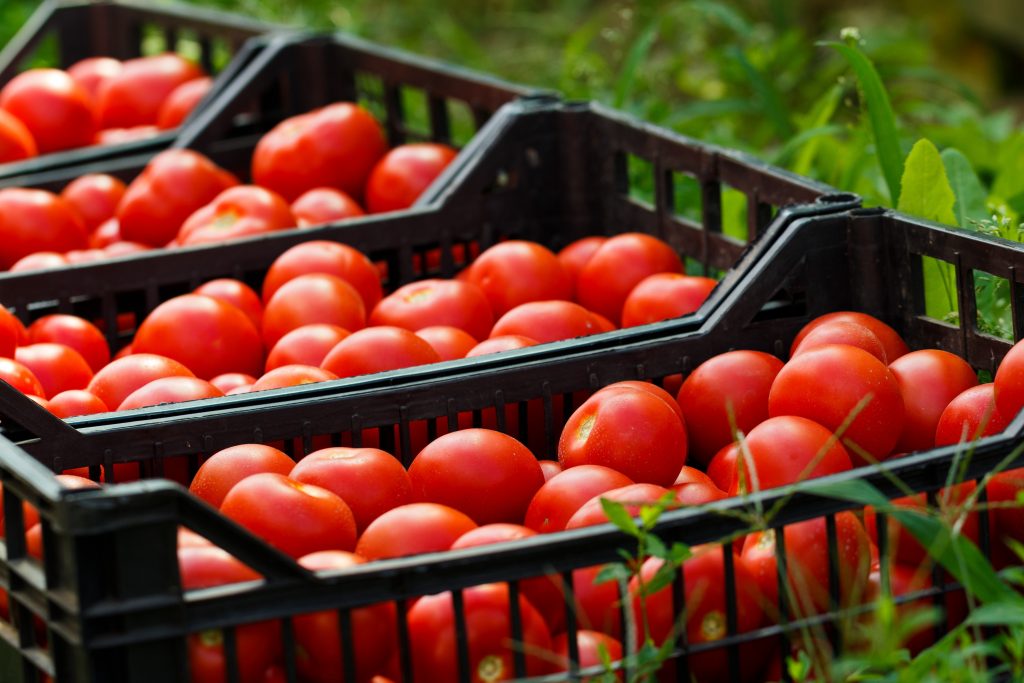
    Pictured are ripe tomatoes.

    Though Mexican exports of tomatoes have not reached the ‘peak’ season, inspections appear to be running smoothly and efficiently, says Michael Schadler, executive vice president of the Florida Tomato Exchange.

    The inspection provision, which was part of the Tomato Suspension Agreement established in September, 2019 between the U.S. Department of Commerce and Mexican tomato exporters, allows for the United States Department of Agriculture to inspect certain kinds of tomatoes being transported from Mexico to the United States. It started in early April but will be tested when higher volumes of tomatoes ramp up during the winter months.

    “The heaviest times of the season as far as imports from Mexico are January, February and March. The inspections haven’t been tested with the biggest volumes of the season,” Schadler said. “We’re bringing in Mexican tomatoes year-round. There’s very significant volumes every week of the year, every month of the year. But in those three months, that’s really the peak for the big production out of Mexico. That will be more of a test. By the time it’s January, they will have had a good eight months of practice, I think it’ll be fine.”

    Cause for Concern?

    Schadler believes there should not be cause for concern that inspections of tomatoes could create a bottleneck of shipments, especially during those months when more of the crop will cross the border.

    “Frankly, I don’t think it should be a worry for anyone. First of all, USDA (Agricultural Marketing Service) AMS, that’s what they do; they’re in the business of offering inspections services. They’ve ramped up employment and staff to the level they can handle the situation,” Schadler said. “I think people would have been a little nervous if their start had been Jan. 1 of 2020, right as the big volume was coming in. That would have been a little much.

    “I don’t think there is any worry. If you hear about importing companies expressing concern, I personally don’t think that’s justified. But I can understand it if I was an importer, how it’s an adjustment that they have to make. As far as we understand it, the process has been going fairly smoothly. Both sides have been working together well.”

    Purpose of Inspections

    According to the International Trade Administration, the purpose of the Suspension Agreement inspections is to prevent low-quality and poor-condition tomatoes from entering the U.S. market and injuring the U.S. domestic tomato industry through price suppression or undercutting.

    The tomatoes that are being inspected include Round tomatoes, Round meaning fresh tomatoes; Roma tomatoes, Roma meaning Roma or Plum fresh tomatoes; stem on tomatoes, stem meaning any type of fresh tomato, except specialty and tomatoes on the vine; and Grape tomatoes in bulk.

    “It’s a quality grade inspection. It makes it so that if you’ve got tomatoes that grade below U.S. No. 2, you can’t bring them into the country. You either have to cull them there on the spot or you have to return the shipment back to Mexico,” Schadler said. “It’s really good for the overall market. It’s good for the downstream market because you’re getting higher quality, but it’s good for the trade as well because you get some of that rough quality out of the system and prices will be helped for everyone.”

    Exempt Tomatoes

    Those tomatoes that are exempt from inspections include tomatoes on the vine, meaning any type of fresh tomatoes, except specialty, in which there are two or more tomatoes, normally in a cluster, with the vine attached; specialty tomatoes, meaning Grape, Cherry, Heirloom, Cocktail fresh tomatoes or any other tomato varietal, other than Round and Roma tomatoes, with or without the stem; and Grape tomatoes in retail packages of 2 pounds or less.