Category: Berries

  • Shriveled blueberries could signal “mummy berry” disease

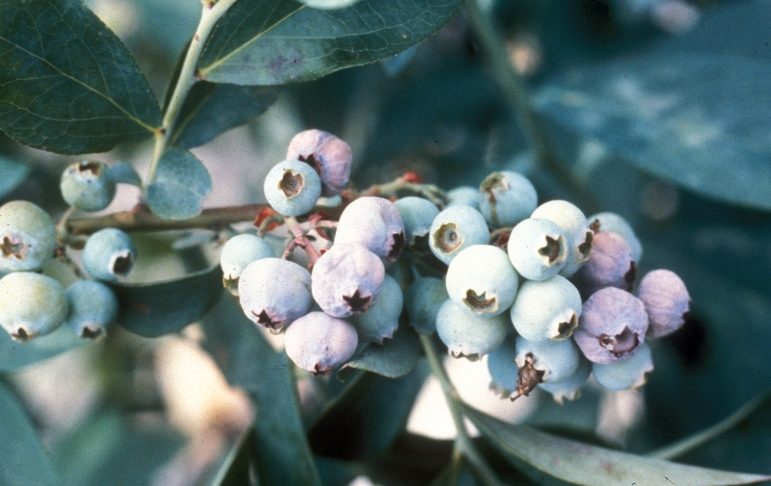
    “Mummy berry” disease is easily recognized when the fruit begins to ripen, as infected berries become dry, shrivel and drop prematurely. (UGA Plant Pathology/Bugwood.org)

    By Paul Pugliese for CAES News

    Blueberries are one of the most popular backyard fruits for Georgia because they are relatively low maintenance compared to other fruit species. However, there is one particular disease issue known as “mummy berry” that can be problematic for blueberry growers.

    The disease is easily recognized when the fruit begins to ripen, as infected berries become dry, shrivel and drop prematurely. These infected berries are a pinkish color rather than the normal blue. This is caused by a fungus that can survive over the winter inside the fruit mummies that lay on the ground. Spores within infected berries can remain viable for several years.

    Mummy berry can cause crop yield losses as high as 25% to 50% are not unusual if left untreated. Blueberry varieties differ in their susceptibility to the disease. Unfortunately, some of the most popular varieties for Georgia are known to be highly susceptible.  

    This year has been a terrible year for mummy berry disease due to the unusually cool, wet spring weather. Late freezes also predisposed leaves and flower buds to infection.

    Mummy berry actually infects blueberry plants in two stages. The first stage occurs when spores (ascospores) are released from the fruit mummies on the ground. Wind spreads the spores to nearby plants, infecting emerging shoots and leaves. Newly infected leaves, buds, stems and flower clusters suddenly wilt, turn brown and eventually become covered in a powdery mass of spores. Secondary spores (conidia) from these blighted shoots are then carried to open flowers along with pollen. In fact, bees and other pollinators inadvertently spread the spores during pollination. During the second stage, the spores infect developing berries by growing into and colonizing the ovaries of the fruit.

    Unfortunately, by the time most people notice the problem — normally close to harvest — it’s too late to do anything to salvage your blueberries for the current season. This is true of most plant disease issues. Once you’ve seen this disease in your blueberry planting, you can anticipate it will return the following year. The good news is that there are effective fungicide options that can be sprayed to prevent this disease early in the growing season. A few properly timed fungicide applications can effectively control this disease.   

    Sanitation is an important tactic for managing mummy berry disease with backyard blueberry growers, since fungicide options for home gardeners are limited. Burying or mulching the mummies during the winter can help prevent future infections. Rake or use a leaf blower to move mummies into row centers and bury 2” deep by disking the soil between rows or adding 2” of mulch. A bagging mower could be used to collect and remove the mummies. Shallow cultivation between rows before bud break can also kill any exposed fungal fruiting bodies. It is difficult to ensure that all mummies will be buried or removed, so chemical control is also necessary.  

    Fungicides should be applied soon after bud break when green tip occurs on leaf buds or less than 5% open bloom occurs on the flowers, whichever comes first. Continue sprays until all blooms have fallen. Once the flowers have been pollinated, no further infection can take place.

    One control option that provides fair control is a product containing the natural bacterium Bacillus subtilis, sold under the brand name Serenade. This has been shown to reduce mummy berry infection if applied at the shortest labeled intervals during bloom.  

    Another good fungicide option is Captan 50WP applied every 7 to 10 days through bloom. Be sure to get a standalone fungicide that is not combined with any insecticides. Insecticides should never be applied during bloom as they will harm bees that are necessary for pollination.

    For more information about growing blueberries, check out University of Georgia Cooperative Extension Circular 946, “Home Garden Blueberries,” at extension.uga.edu/publications.

  • Fruit Splits, Yeast Rot Contribute to Tough Year for Blueberry Farmers

    University of Georgia photo/Shows fruit split in blueberries.

    By Clint Thompson

    A difficult year for the blueberry industry, which started in Florida amid the coronavirus pandemic, continued in Georgia. Farmers reported fruit splits and yeast rot in their rabbit-eye blueberry crop. The result was a down year where packing houses closed because of the lack of quality fruit coming in.

    Excess Rainfall the Culprit?

    Jonathan Oliver, University of Georgia small fruits pathologist, said rainfall is the main contributor for fruit splits in blueberries this year, which left them vulnerable to disease infections like yeast rot.

    Jonathan Oliver

    “They’re likely very related to one another. The fruit splits are an issue that’s commonly seen if we get rain or a lot of irrigation on the fruit itself if the fruit is near ripening. When the fruit is getting close to getting fully ripe, the walls of the fruit, the skin has expanded as far is it can expand. If you get water on the outside of the fruit, the fruit can suck that through the skin. But the skin can’t expand any further. It’ll just pop the berry,” Oliver said. “You’ll start to get splits either near the end of the berry or the whole berry can just split into.

    “Once you have fruit that’s starting to split, you can get lots of things in there, including yeast rot. The fungus that causes yeast rot is just naturally present all over the place. It’s not likely an unexpected find to find the fungus but it doesn’t usually cause a major issue on blueberries. But it can if the fruit is wounded in some other way. We think the splits, which were probably caused by the heavy rainfall we had for two to three weeks prior to (growers) starting to harvest some of these rabbit-eye varieties led to the splits which led to the rampant infection with this fungus which causes yeast rot.”

    What does yeast rot do?

    Oliver said yeast rot can cause fruit to rapidly collapse and take on a wet, slimy appearance. Fruit heavily affected by yeast rot may have a distinct fermented odor.

    Water damage on blueberries right before harvest can also occur if overhead irrigation is used, though, most farmers know to abstain from doing this. Oliver said fruit splits happens from time to time but seems to be a much bigger issue this year.

    The damage leaves the fruit unmarketable. Several growers had loads rejected because of low quality fruit.

    “The fruit having splits, even if they’re just small splits near the end, they’re not going to be quality fruit. They’re not going to hold up very well through the process of harvesting them, packing them, shipping them and getting them to the consumer. Packing houses will usually look for low quality fruit initially, so they make sure they’re not sending low quality fruit on that won’t be purchased,” Oliver said.

    Fruit splits appears to also be a problem isolated to Georgia.

    “I talked to Phil Harmon, who’s the Extension pathologist there at UF, and he said he’s not seen major problems with yeast rot in Florida before. He was surprised to hear we were having these problems. I don’t believe they had a similar issue there,” Oliver said.

  • Blueberry Farmer Adjusts During COVID-19, Finds Success

    File photo shows blueberries piled up.

    By Clint Thompson

    COVID-19 struck in the middle of Denton Chapman’s U-pick blueberry season in Osceola County, Florida. Chapman had to pivot his business’ strategy on the fly and move strictly to a pre-pick operation.

    The customers responded favorably.

    “The pandemic started right when we were in the middle of our U-pick so we had to adjust,” said Chapman, with Double C Bar Ranch. “We chose to stop our U-pick. A lot of customers, they wanted to be out here, they wanted to get out. The best part about what we did, we went to a pre-pick operation where we pre-packaged and we did a drive-thru.

    “It took us by surprise how many people wanted to get out and enjoy just getting some fresh air. They stayed in their cars and we did the pre-picking and delivered fruit right to their window. People they loved it.”

    Chapman’s willingness to adjust during a time of uncertainty paid dividends for his business and possibly provided a blueprint for success next growing season.

    “That was memorable for us. The joy of people when they came out, just to get some fresh berries picked that morning delivered right to their window was priceless for us,” Chapman said. “Anyone who’s about to start their U-pick operation, just plan well, plan your flow and your social distancing. People will get out. People want to get out and get to the farm, so you’ll be successful.”

    Tips For U-Pick

    Chapman offers tips to those blueberry producers who want to implement a U-pick element in their farming operation next year.

    Marketing and advertising are key. The power of social media is the easiest, cheapest and quickest form of advertising.

    Focus on the atmosphere of the farm. There needs to be plenty of shade and seating and entertainment for the kids.

    Be willing to sell additional products. While the customers may be there primarily to pick blueberries, they may want to purchase additional products as well. Blueberry jam/jelly, drinks, snacks are easy things to have on sale in your gift shop.

  • Florida Blueberry Farmer: USMCA Not a Good Deal For Vegetable, Specialty Crop Producers

    By Clint Thompson

    One of the most vocal critics of Mexican imports into the U.S. is adamant that the United States-Mexico-Canada Agreement will not help or protect vegetable or specialty crop producers.

    Blueberries are a popular commodity in the U.S. but also as an import from Mexico.

    “No, that’s not a good deal for specialty crops. They didn’t really address our issues at all. That was not a good deal for us,” said Ryan Atwood, blueberry farmer, who lives in Mount Dora, Florida, and is one of the state’s blueberry leaders. He farms 56 acres of blueberries, manages another 350 acres and is part-owner of the largest packing house in the Southeast United States.

    USMCA Background

    According to the USMCA, the agreement, once it enters into force on July 1, will support mutually beneficial trade leading to freer markets, fairer trade and robust economic growth in North America. But critics of the agreement will point to lack of protection for specialty crop farmers who already have to compete against imports of Mexican produce. U.S. Secretary of Agriculture Sonny Perdue even acknowledged concerns by specialty crop growers.

    The idea of fair trade seems more like a fantasy than reality for growers in the Southeast who, not only had to overcome the coronavirus pandemic this year but had to compete against the constant influx of Mexican imports.  

    “They don’t have the regulations we have. They don’t have to abide by the same rules. Their labor is definitely cheaper. They pay somebody $12 per day. I’ve got to pay them $12 an hour to get labor. It’s hard to compete with that. It’s real hard to compete with that,” Atwood said.

    Domestic Supply of Food

    Atwood commented in late April that he was “a fan of having our own domestic supply of food.” Agricultural imports from Mexico may be cheaper, but they’re not American grown. Atwood and Florida vegetable farmer Sam Accursio continue to preach the importance of supporting the American farmer.

    “I think it’s a security issue for our country,” Atwood said in late April. “We’ve got to grow our own food. You saw what happened 10 or 12 years ago when we used to import all that oil and then we got our own domestic supply going again. Other countries are going to be able to control you if they control your food supply.”

    Accursio added, “If you take Florida and California away in the winter, what do you have? You have third-world countries feeding this great nation, and I’m not going to eat it. I’m not going to do it.”

  • Blueberry Farmer: It Was Really Like Salt in the Wound

    Florida Producer Sounds Off on Lack of Category 1 Status in CFAP

    By Clint Thompson

    Blueberries were left out of Category 1 status in CFAP.

    While the blueberry industry was surprised as to how it was not eligible for Category 1 status in the Coronavirus Food Assistance Program (CFAP), one Florida grower remains equally as dumbfounded.

    “I was shocked when it came out. I was literally like, jaw on the ground, going how did we get left out of this deal?” said Ryan Atwood, who lives in Mount Dora, Florida and is one of the state’s blueberry leaders. “It wasn’t a great year for us. And then to get left out of Category 1, it was really like salt in the wound.”

    According to https://www.farmers.gov/cfap/specialty, eligible specialty crops in CFAP are broken down into three categories:

    1. Had crops that suffered a five percent-or-greater price decline between mid-January and mid-April as a result of the COVID-19 pandemic,
    2. Had produce shipped but subsequently spoiled due to loss of marketing channel, and
    3. Had shipments that did not leave the farm or mature crops that remained unharvested.

    Blueberries Not Included

    However, blueberry farmers were not included in Category 1 status, like many other specialty crop commodities, such as almonds, beans, broccoli and cabbage for example. Atwood insists that Category 1 is where most of the farmers were impacted when the coronavirus pandemic hit in mid-March.

    “For Florida blueberry growers, we got screwed man. We got left out of Category 1. What that was, they compared the average price of blueberry sales. But the problem is, the government, not knowing what they were doing, compared April 6 to the 10, to January 6 to the 10. Well, January 6 to 10 is the peak of the Chilean imports season. The whole United States is flooded with blueberries at that time. The Florida season, historically, we’re on the fringe edge of when North America starts. We’re in a good spot, usually,” Atwood said. “If you look at historically, we were off as much as 50% on the average price of our sales during a good part of our season. They blew it man, I don’t know how else to say it. We’re hoping that we get put back in it on Category 1.”

    Comment Period

    When the USDA issued CFAP on May 21, it allowed for a comment period. This could lead to amendments being made to the guidelines set forth for blueberry producers. That is what industry leaders are hoping for.

    Atwood farms 56 acres of blueberries, manages another 350 acres and is part-owner of the largest packing house in the Southeast United States. He said the market impact from the pandemic was where he suffered the most.

    “For me personally, I can’t speak for everyone in the industry, I picked all of my fruit, it was just that price was not good,” Atwood said. “It all stacked up in the coolers for 7 to 10 days until people started to figure out that life wasn’t ending, and they could go to work. By the time the world went back to normal, there was a surplus of everything out of there. Unfortunately, when that happens, that’s the only way to move that surplus from the marketer side of it, they just lower the price.”

    USDA is accepting applications through August 28, 2020. Learn more at farmers.gov/cfap.

  • Are Tiny Bugs Hiding Inside Your Strawberries?

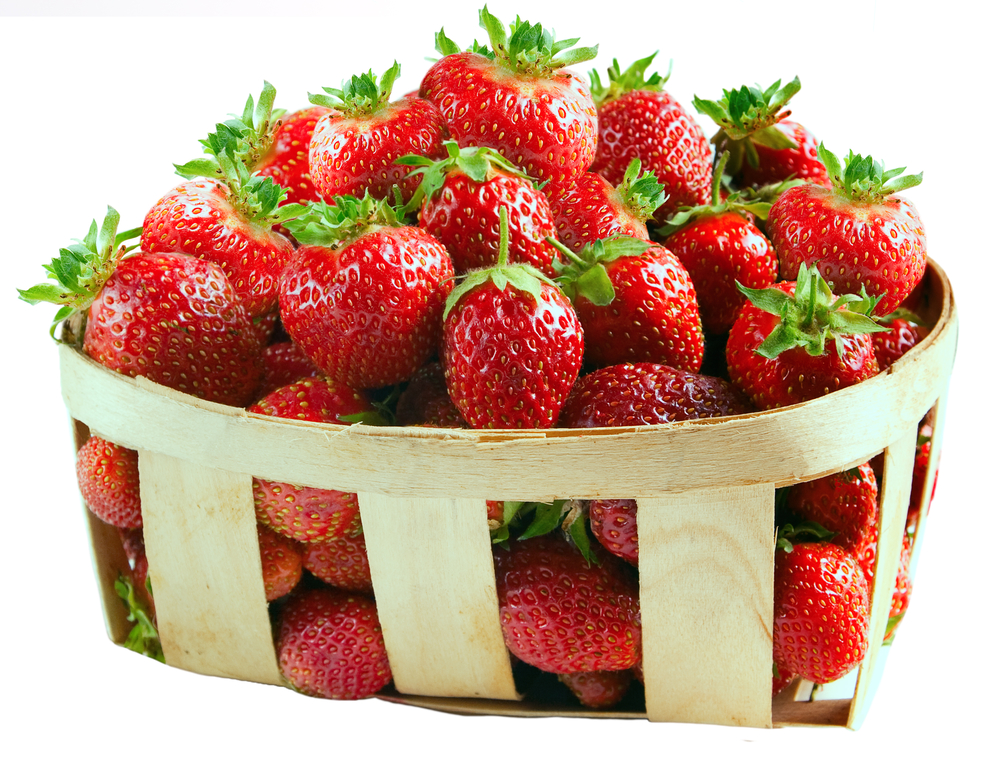
    Basket with fresh strawberries isolated on white background.

    By Ashley Robinson

    A few weeks ago, a viral TikTok video took the internet by storm, showing what appeared to be little worm-like bugs crawling out of fresh strawberries soaked in salt water. Since that video surfaced, many consumers have recreated the video showing similar results. Now, some consumers are panicking. Is this safe? Have we unknowingly been enjoying bugs in our strawberries? Should we stop eating strawberries all together?

    Should You Be Concerned?

    The short answer is no. To put it simply, this can happen. However, it is very unlikely.

    But here’s the million dollar question, what is really happening in the viral TikTok phenomenon?

    According to Hannah Burrack, an entomologist at North Carolina State University, the consumer was actually performing a technique that growers use to test for spotted wing drosophila (SWD), an invasive small fruit fly.

    “A consumer posted a video of what is actually a recommended test for growers to determine whether or not they have possible concern with SWD infestation. This consumer did this with fruit she bought from the grocery store and she observed small larvae coming out of the fruit,” Burrack says. 

    Burrack assures consumers that their fruit are safe to eat.

    “It’s possible that consumers find small larvae emerging from their fruit when soaked in salt water. But it’s pretty unlikely given that all of our farmers are aware of the potential issues associated with SWD, they are actively managing them and they are sampling their fruit before they sell to consumers or wholesalers,” Burrack said.

    If growers are monitoring for SWD, then why are consumers seeing larvae emerging from their fruit after being soaked in salt water?

    Drosophila larvae look alike. But since growers and wholesalers inspect for SWD regularly and do their best to keep SWD out of our food supply, the larvae that consumers are seeing are most likely fruit flies that could have been buzzing around the grocery store or inside the consumer’s home.

    “It’s very likely that the larvae they are seeing originated post-harvest, after the fruit left the farm, especially if they are tiny larvae.” Burrack says. “There are a whole bunch of drosophila flies that are naturally occurring in the US that can attack the fruit once it’s been harvested, unlike SWD which is invasive.” 

    Is it Harmful To Eat These Bugs?

    No. The idea of eating bugs may be unappealing, but if you’ve ever eaten fruit before you’ve more than likely eaten a bug at some point.

    In addition, experts don’t recommend soaking your fruit in salt water. A regular rinse will do just fine.

    Burrack also mentions that you should keep your berries in the fridge. Refrigerating your berries will allow them to last longer and will keep the berries protected from the fruit flies that are buzzing around your counter.

  • 2020 Caneberry Survey on Pricing, COVID-19 Impacts

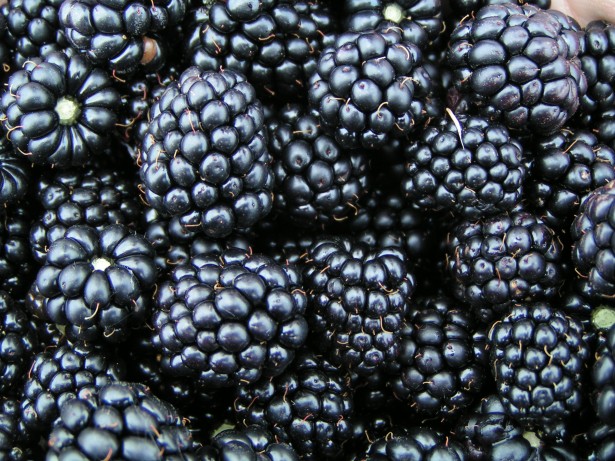
    Blackberries are included in the survey that the North American Raspberry and Blackberry Association, along with NC State and the University of Arkansas, are asking growers to fill out.

    — Written By Daniel Tregeagle

    The North American Raspberry and Blackberry Association (NARBA), in collaboration with NC State University and the University of Arkansas, is conducting its biennial pricing survey. Growers of caneberries (raspberries, blackberries, and hybrids) in Canada and the U.S. will be asked about prices they received across all distribution methods.

    This year, additional questions have been added to capture the impact of COVID-19 on caneberry prices and caneberry operations. All growers who had any caneberry acreage in 2019 or 2020 are invited to participate:

    TAKE THE SURVEY The results of the survey will help caneberry growers, and anyone considering growing caneberries, better plan their pricing and production decisions in future years. In addition, this data is useful to researchers and policymakers who need accurate data about caneberry pricing trends in the North American caneberry industry. Caneberry growers can participate in the online survey by following this link.

    Survey results will be reported in the NARBA newsletter. For more information about the survey, contact Daniel Tregeagle (tregeagle@ncsu.edu or 919-515-6091). For more information about the North American caneberry industry, contact NARBA Executive Secretary Debby Wechsler (raspberryblackberry@gmail.com or 919-542-4037).

    For story, see caneberry survey.

  • Blueberry Industry Leaders Hoping for Category 1 Status

    By Clint Thompson

    Blueberry industry leaders were disappointed its farmers were not included in category 1 of the Coronavirus Food Assistance Program. They hope to rectify the situation during the 30-day comment period that the USDA has allowed for feedback.

    “Where we landed with the direct payment program, obviously we learned (two weeks ago), it was disappointing because the one category that would really capture the impact on the U.S. grower was category 1,” said Alicia Adler, vice president of the U.S. Highbush Blueberry Council (USHBC) and the North American Blueberry Council (NABC). “Obviously, categories 2 and 3, we were included with direct payment rates in those categories, but it was really category 1 that would capture the impact.”

    According to specialty crops in CFAP, producers of specialty crops are eligible for CFAP payments in three categories:

    1. Had crops that suffered a 5%-or-greater price decline between mid-January and mid-April as a result of the COVID-19 pandemic,
    2. Had produce shipped but subsequently spoiled due to loss of marketing channel, and
    3. Had shipments that did not leave the farm or mature crops that remained unharvested.

    Comment Period

    When the USDA issued CFAP on May 21, it allowed for a comment period. This could lead to amendments being made to the guidelines set forth for blueberry producers. That is what industry leaders are hoping for.

    “We submitted comments that still show decline in 2020 was steeper than in 2019 but also capture that daily price data which shows a 60% price decline between mid-March and mid-April. That was directly a result of the COVID crisis and literally the market closure,” Adler said. “We know that they are reviewing comments as they come, and we are anxious to learn if we’ll be included in category one and what the next steps are for that category.”

    Adler said the earliest blueberry production is from mid-March to mid-April which showed decline due to the coronavirus pandemic. Florida represents more than 85% of production during that timeframe.

    USDA is accepting applications through August 28, 2020. Learn more at farmers.gov/cfap.

  • Pest Alert: Mummy Berry Disease in Blueberries

    Mummyberry
    Mummy berry disease is caused by the fungus Monilinia vacciniicorymbosi and is an important fungal disease of blueberries.

    Posted by Elina Coneva and Ed Sikora (Alabama Extension)

    Current wet and cooler than normal conditions are conducive for mummy berry disease in blueberry, according to Alabama Extension. Mummy berry disease is caused by the fungus Monilinia vacciniicorymbosi and is an important fungal disease of blueberries that can cause yield losses of up to 50% when conditions are favorable for disease development.

    The pathogen can infect shoots, flowers and fruit. The fungus overwinters in the previous year’s berries that have fallen to the ground. In early spring, a mushroom-like spore cup emerges from the infected berries near the soil surface. Fungal spores are released from these structures when bud swell begins and green tissue is present. Spores are spread via wind and rain. Early detection and control is necessary to reduce the impact of this disease on a crop.

    Symptoms and Disease Development

    Early season infection of flower buds and stems is promoted by wet conditions and cooler than normal temperatures. The earliest symptoms of mummy berry include drooping of developing leaves and shoots in the spring followed shortly by browning of the upper side of bent shoots, midribs and lateral veins of leaves. The bend in twig tips can resemble a shepherd’s crook. Vegetative shoots, leaves, and infected flowers are killed within four days after discoloration begins.

    After initial infection, the pathogen produces conidial spores that appear as tan-gray tufts on blighted shoots. Conidia are then dispersed by wind, rain and insect pollinators to healthy flowers. Once the fungus has been introduced to the flower, it will germinate with the pollen and infect the developing fruit. Evidence of blossom infection does not appear until the fruit begins to ripen. As normal berries ripen, the infected berries begin to shrivel and turn a pinkish color. Shriveled berries drop to the ground.

    Control Strategies

    An integrated pest management program including both cultural and chemical control strategies is needed for best results. For new orchards, select resistant varieties or late blooming cultivars, if available. Also avoid wet sites and/or improve drainage to reduce conditions that favor mummy berry development. Remove wild blueberries or unwanted plants from the vicinity of the orchard to reduce overwintering inoculum.

    If mummy berry is detected in an orchard, try to remove or destroy infected fruit at the end of the harvest season. This could include covering mummies with at least 2 inches of soil or mulch.  Limit or delay overhead irrigation until petal fall during the growing season.  Follow a fungicide spray program that is effective for controlling mummy berry from green tip until petal fall.

    For additional information consult the Southeast Regional Blueberry Integrated Management Guide. Apply all pesticides according to label rates and instructions.

    For more information, see Alabama Extension.

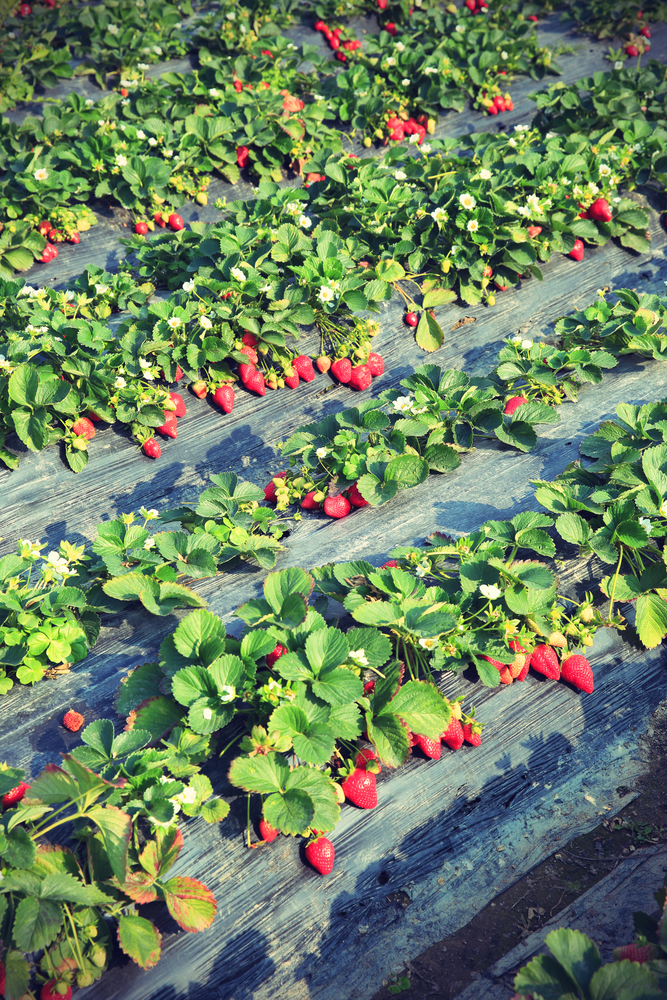
  • Persistent Rains in South Carolina Cuts Short Strawberry Season for Some Growers

    File photo shows a strawberry field. Strawberries in South Carolina have been impacted by excessive rainfall.

    By Clint Thompson

    Excessive rainfall in South Carolina has cut short strawberry season for parts of the state, says Bruce McLean, Clemson (S.C.) Extension area commercial horticulture agent for Dillon County, Horry County, Marion County and Malboro County in the Pee Dee Region.

    “Last week, in certain spots was just torrential rains,” McLean said. “A lot of the fruit that I saw looked really good, but that rain, it wiped it out. There was just so much water damage on it. It really took out a lot of that late fruit that was coming on.

    “There’s still some fruit coming on but it’s to the point now, everybody’s basically having conversations now as far as is it worthwhile and is it time to go ahead and terminate the crop and go ahead to try to plant something else?”

    Rain is Everywhere

    Rain has been persistent in other parts of South Carolina as well. According to the South Carolina Grower, Justin Ballew, Clemson Extension agent in the Midlands, reported that rainfall has slowed strawberry picking and there were plenty of fruit that experienced water damage.

    “Botrytis is loving all the moisture. Most fields look like they will keep producing for a few more weeks. Just stay on top of fungicide programs. The moisture and warm temperatures have most other crops growing rapidly and looking good. Keep an eye out for disease,” Ballew said in the South Carolina Grower.

    According to McLean, rain is becoming widespread.

    “We’ve seen one place, even on some heavier ground, the grower was still able to go through and do a little plowing and run the cultivator a little bit and was having real good success trying to clean up some fields. But yet, you go a mile or two down the road and there would be water running out the ditches,” McLean said. “It’s one of those weird things that we’re having. It seems like the following day, the rain pattern shifts around a little bit and some of the areas that weren’t getting the heavy rains from the day before, all of a sudden they’re seeing heavier rains. It’s becoming more widespread.”