Category: Berries

  • Alabama Farmer: I Think Everybody’s Eyes Have Been Opened

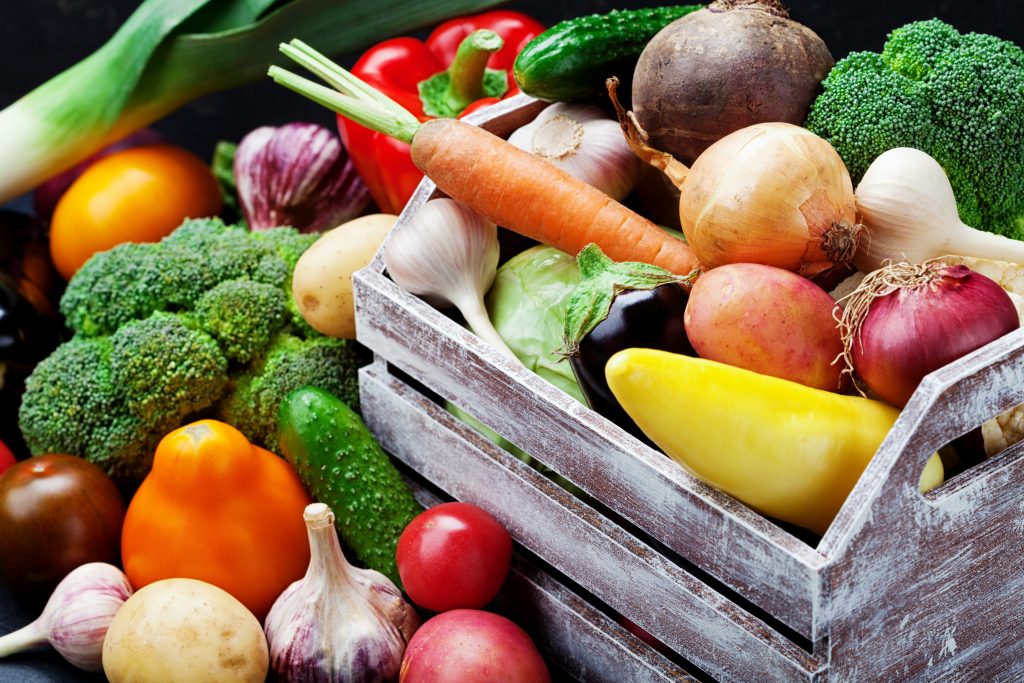
    Fresh market produce for sale.

    By Clint Thompson

    Alabama fruit and vegetable farmer John Aplin has experienced a 500% increase in his strawberry customers this year. He believes it’s due to the ongoing coronavirus pandemic and its effect on people’s buying habits.

    “I know that we all didn’t get a 300, 400 or 500% increase in people who buy fresh fruits and vegetables this year,” said Aplin, who farms in Geneva County. “The virus does not affect our foods, but it is affecting the way people are buying food. I think after all of this is over with, we’re going to see a big difference in the way people are buying food. People are going back to, I don’t know, the 70s and 80s styles of buying food. Folks are beginning to talk about canning and preserving food.”

    Apling has already started harvesting his first variety of peaches, which are three weeks early. Tomatoes are also early this year and expected to be ready in two to three weeks. He’s hoping other crops will soon be ready as well.

    “Folks come to buy one thing. If we don’t have it, they buy something else,” Aplin said.

    “I think everybody’s eyes have been opened. Something could happen and you might need to be storing up for the winter. You might need to be saving a little bit of money instead of spending it all and living paycheck to paycheck. I think when it’s all over with, you’re going to see a huge change in people buying local. You can tell just by talking to customers, that they are even more concerned about where their food comes from. How many hands have touched their food before they put it on their plate?

    “I think that’s everybody’s mindset right now. They’re wanting something close by where they know where it came from.”
  • South Carolina Blueberries Impacted by Recent Cold Temps

    house
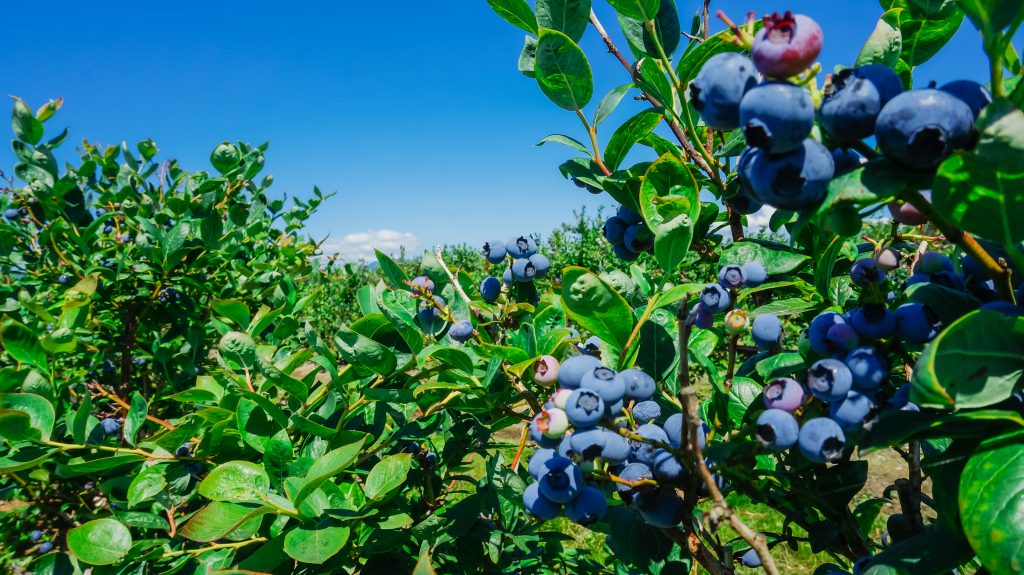
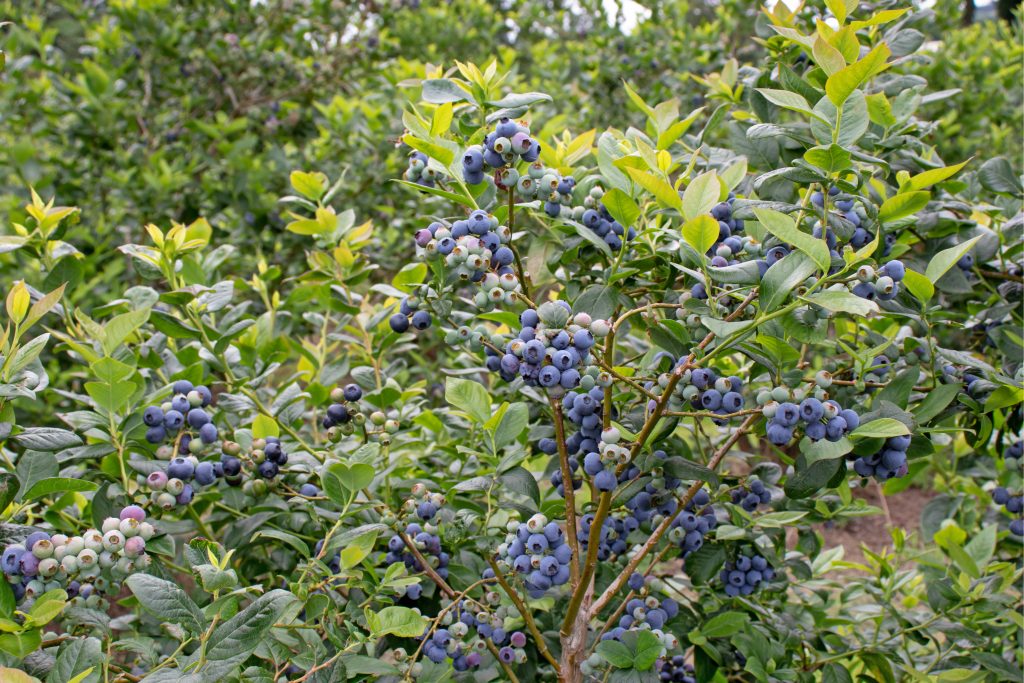
    Highbush blueberries.

    By Clint Thompson

    Recent cold temperatures impacted South Carolina’s blueberry crop, just not to the extent farmers are used to.

    Bruce McLean, Clemson (S.C.) Extension area commercial horticulture agent for Dillon County, Horry County, Marion County and Malboro County, said rabbiteye varieties appear to be the ones most affected.

    “As far as the crop itself, some varieties really look phenomenal. They’re really loaded up, full crop on them. Then there’s some varieties, definitely, the cold has affected,” McLean said. “Surprisingly, seems like what has been affected has really been more rabbiteye blueberries more so than highbush. It’s kind of a weird thing because our normal years tend to be just the opposite. We see a lot of damage to the highbush because they are earlier. Rabbiteyes tend to escape most of any problems. This year it’s been kind of a flip-flop year.”

    McLean thinks where there was an onset of warm weather early in the growing season, it brought a lot of plants into bloom a lot quicker than what it should have.

    “Funny thing is, normally in those years where we come into bloom much earlier, we’ll get a freeze event. It’ll be so severe, it’ll really do some damage to the early blueberries, like highbush. Then rabbiteyes, it’ll do some damage,” McLean said.

    “This year, the onset of warm weather really brought those rabbiteyes, those later varieties, on a little quicker than normal. When it did, they just happen to be at the right stage of bloom when we had a little bit of cold weather.”

    Despite the concerns with the recent cold temperatures, McLean is optimistic about this year’s crop.

    “I’ve been out walking some fields and the crop, for the most part, does look really good overall,” he said.

  • Georgia Blueberry Growers Work to Overcome Challenges

    Pictured are highbush blueberries.

    By Ashley Robinson

    University of Georgia area Extension blueberry agent Renee Holland is confident about this year’s crop despite a challenging season.

    “This season, we have a beautiful blueberry crop load in Georgia,” Holland siad. “The berry quality is excellent, and thankfully, we’ve had very little disease or pest issues this year.”

    Challenges Facing Growers

    Georgia blueberry growers are no strangers to facing difficult challenges and growing seasons, and this year is no exception. In the midst of COVID-19 growers have had to face additional challenges on top of their typical weather and labor issues. However, Holland believes that growers have mobilized like never before, creating the safest environments possible.

    “The virus has definitely affected the amount of labor coming into the country, but that’s nothing new to us. We’re used to having labor shortages,” Holland says.

    Growers have implemented additional hand-washing stations and have reduced their workforce to do more with less.

    “They’ve really thought about how they’re going to partition the labor force and how to keep people separated and in small groups and to have people living together also be the same people who are working together in the field. They also have plans set in place if someone gets sick. I’ve seen the growers mobilize like never before, they’re checking their employee’s temperatures every day. It’s been amazing to see how quickly they’ve mobilized and put safety measures in place. They’ve really done their homework,” Holland says.

    Considering COVID-19, UGA Extension and blueberry growers encourage consumers to purchase fresh Georgia blueberries. Blueberries are a great source of vitamin C, iron and fiber. In addition, they’re cholesterol-free, sodium-free and possess an important source of potassium. In light of COVID-19, many consumers are looking to become more health conscious and consume fresh produce, which will benefit both consumers and producers.

    UGA Extension specialist Laurel Dunn has published materials for consumers on food safety and sanitation amid COVID-19. According to Dunn, there is no evidence to suggest that COVID-19 is transferred by food. However, consumers should continue to wash and sanitize their fresh produce as normal. Click here for additional information about food safety and COVID-19.

    “It’s good to eat fresh produce. We want consumers to know eating fresh produce will not put them at risk.” Holland says.

  • COVID-19 Devastates Blueberry Market for Florida Farmers

    Blueberries ready to be picked in this file picture.

    By Clint Thompson

    It normally pays to have an early blueberry crop if you’re a Florida farmer. But as Ryan Atwood will attest, this has not been your normal year. Blueberry producers are not immune to the impact of COVID-19.

    “Being early is a good thing. For a Florida blueberry grower, you’re trying to be early. Everything you do is to be early. The bad part of the deal was the coronavirus and just the timing of it. You couldn’t have timed it any worse for a Florida blueberry grower,” said Atwood, who lives in Mount Dora, Florida and farms 56 acres of blueberries, manages another 350 acres and is part-owner of the largest packing house in the Southeast United States.

    Atwood’s blueberry crop was early this year due to a mild winter and high temperatures over the past couple of months accelerated growth. However, when Atwood started picking high volumes of blueberries, which was around March 18, is when the pandemic shut down the country.

    “It just crashed literally within days. Right when Florida’s peaking or right about when it’s about to enter its peak, it was bad timing,” Atwood said. “Everybody was talking like we were going to have a 1 in 20 kind of year. Chile was done early. Their fruit wasn’t in the market. Normally they come in late. They kind of crowd into our market on the front end. But they were already out. Everybody was thinking it was ready to set up nice. But then out of left field… agriculture’s tough.”

    Market prices reflect the pandemic’s impact.

    “It’s 50% of the historical average price is what we were getting, so half of the money of what you would typically get because of the coronavirus,” Atwood said.

    Atwood estimates he’ll finish harvesting this year’s crop in about a week.

  • Promoting Health Benefits of Blueberries Could Boost Sales

    Pictured is a file photo of blueberries.

    By Clint Thompson

    Produce industry experts believe consumers are, and will continue to be more health conscious, which is good news for blueberry producers.

    “It’s very apparent to me that consumers are getting the message because when you look at things like the blueberry category, the strawberry category, the citrus category, we’re seeing great movement in those types of items,” said Melissa Byland, senior buyer in produce at Walmart. “I think consumers are definitely connecting fresh produce and specific items within fresh produce in the aspect that they contribute to better health. We’re definitely seeing the impacts of that in our business.”

    Health Benefits

    According to UGA Extension’s blueberry site, blueberries are a good source of vitamin C, iron and fiber. They’re cholesterol-free, sodium-free and possess an important source of potassium.

    Research concludes that the antioxidants in blueberries help protect the body against chronic diseases associated with aging.

    “We talked to one scientist who said there are seven things you should be eating to boost your immune system to protect you from any virus. Blueberries were on the list. We need to take advantage of that in this current situation to educate consumers,” said Cathy Burns, CEO of the Produce Marketing Association. “I don’t think it’s going away anytime soon. People are going to continue to be concerned about health. Obviously, what Melissa is seeing in her sales is very consistent with what we’re hearing with retailers across the board. It’s our time to shine and really focus on eating fresh fruits and vegetables, and blueberries fits squarely in that.”

    According to the U.S. Highbush Blueberry Council, Georgia and Florida, along with eight other states, help produce more than 98% of the country’s blueberry crop.

    Blueberry producers should really profit in the upcoming months. Byland said the latter part of spring and into summer, berries are under the spotlight at Wal-Mart. And it’s not changing.

    “For us, we look at May, June and July as the Super Bowl of berries. We’re really planning to execute business the same way we have in the past. I know that quality and availability is at its best during this time. We’re able to offer customers larger pack sizes,” Byland said. “We’re really gearing down and looking toward running our summer business the same way we always have. It’s a great opportunity also for us to feature locally grown products, which we try to do as often as we possibly can. We know that it definitely resonates with customers. It gives them a great feeling about being able to support their local farmers.”

  • FDACS Agricultural and Seafood Availability Notice

    fdacs

    (HCCGA) — FDACS has created the attached form for producers to fill out with their product availability. Once submitted, FDACS will utilize to forward to their Fresh From Florida contacts, as well as the Florida Department of Corrections, food banks and make connections with other State Departments of Agriculture in hopes of providing market opportunities to move product during the Coronavirus pandemic.

    Producers, please download the attached Ag and Seafood Availability form and submit

    Source: Highlands County Citrus Growers Association

  • Managing Mite Populations in Blueberries

    blueberry
    Mite management in blueberries is essential.
    File photo of blueberry production.

    By Ashley Robinson

    Several mite species have been reported as pests of Florida blueberries. According to Oscar Liburd, professor of entomology at the University of Florida (UF), southern red mites and false spider mites are especially high on growers’ radars this year.  

    SOUTHERN RED MITES

    Currently, there is little known about the management of southern red mites in southern highbush blueberries.

    “Five years ago, mites weren’t a pest seen in blueberries. However, within the last few years, they’ve shown up quite regularly,” Liburd says.

    Southern red mites have caused 80% to 100% losses in some blueberry plantings and have caused some growers to abandon their plantings due to major losses. The mites insert their chelicerae into the plant, preventing the plant from developing normally and impacting crop yields.

    According to Liburd, the first step growers should take to manage mites is to monitor their fields and properly identify the pest. Southern red mites are easy to identify due to their larger size and reddish-brown coloring.

    FALSE SPIDER MITES

    The False spider mite, or flat mite, is known to be an economically important plant-feeding mite in citrus. However, recently this mite was found to feed on southern highbush blueberries.

    False spider mites are much smaller in size compared to southern red mites and can’t be clearly seen without a microscope. These mites harbor underneath the leaf along the mid-vein and are brick-red to yellow in color.

    MANAGEMENT OPTIONS

    Two miticides have recently been labeled for use in southern highbush blueberries – Magister and Portal.

    Liburd has several recommendations for organic producers.

    “Organic growers have the option to use sulfur or they can remove weeds from nearby host plants to reduce the number of mites. Also, water management to reduce plant stress is highly recommended as well as periodically releasing predatory mites can reduce populations,” Liburd said.

    According to Liburd, farmers can also expect to see some new miticides soon, as well as some new and promising products for organic growers. In addition, Liburd expects to see new blueberry cultivars being developed that are resistant to these mite populations.