Category: Alabama

  • Weather Impacting Alabama Vegetable Production

    By Clint Thompson

    U.S. Drought Monitor: The latest map of Alabama abnormally dry and modertately dry areas in yellow and light brown.

    Farmers in South Alabama are in desperate need of rain. Producers in North Alabama need field conditions to dry so they can plant their crop. It’s been an unpredictable winter and early part of spring for the state’s vegetable growers.

    “It’s been wet in the central and northern part of the state and it has been impressively dry on the Gulf Coast. (Even) with this last storm we had (Sunday), things are very dry,” said Joe Kemble, Auburn University Extension vegetable specialist. “Most of the plantings, I think things have been going okay. We’re still pretty early right now. There’s still a lot of brassicas, collards, cabbage, broccoli and other cole crops out there in the field and look good.”

    Alabama farmers produce a substantial amount of tomatoes, melons, cantaloupes, sweet corn, southern peas, greens, squash, zucchini and sweet potatoes every year. The state’s vegetable production is located as far south as Mobile on the Gulf Coast, all the way to Huntsville, which is located near the Tennessee border. But as vegetable crops try to grow, they continue to experience vastly different weather conditions throughout the state.

    “Last night, I think in the Huntsville area, they got over 5 inches of rain. Where down on the coast, they got less than an inch and a half to two inches. Unfortunately, that wasn’t even enough to do a lot in the Gulf Coast area,” Kemble said. “It’s something with how dry it is in the southern part of the state. Most of our vegetable crops are irrigated. In the long term, it is a concern. Wells can only get you so far. It’s also a bigger expense associated with having to provide well water.”

    Kemble said growers are still trying to plant crops in the central and northern parts of the state amid the wettest winter on record.

    “I think things are pretty well on schedule. There was a lot of concern in March just with the incredible amount of rain we received. That was more of a problem for crops that were already in the field. The weather’s been sort of decent the past couple of weeks,” Kemble said. “I think a lot of people have been able to get out there and prep their fields and get plastic laid and things like that. I think they’re sort of right on schedule, maybe a little bit behind in planting. From the folks I’ve spoken to, I don’t think they’re weeks behind, I think they’re a week behind, in some cases.”
  • Farmers Markets Still Option for Produce Growers

    desantis
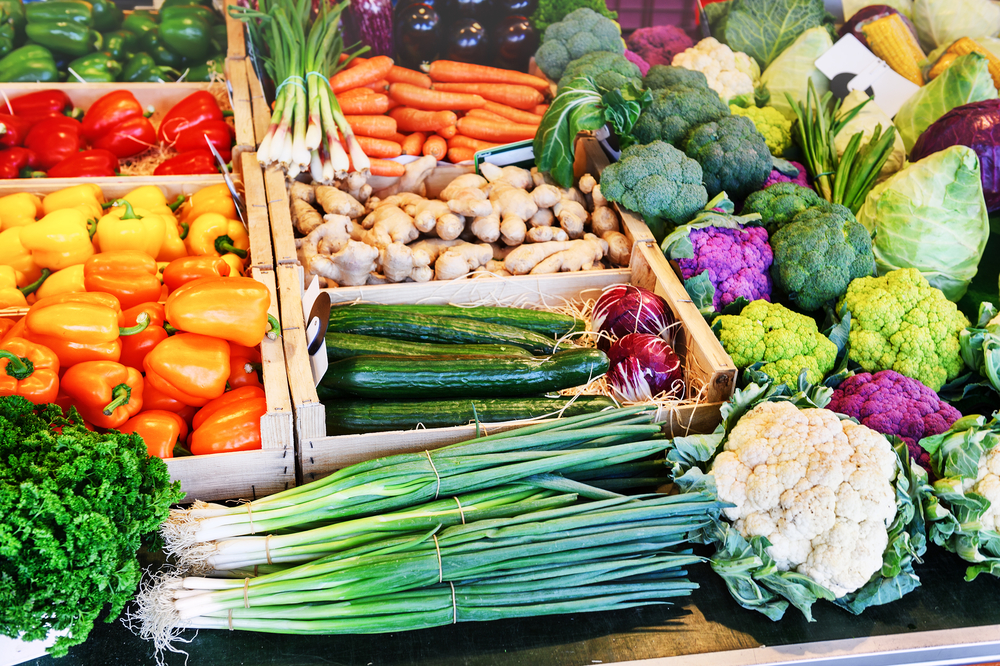
    Fresh produce on sale at a farmers market in this file photo.

    By Clint Thompson

    Produce farmers in the Southeast are struggling with markets that have disappeared because of the loss of restaurants and closure of schools amid the ongoing coronavirus pandemic. But Max Runge, Extension specialist in agricultural economics and rural sociology at Auburn University, believes farmers markets remain a viable option for fruit and vegetable growers, especially those who operate on a lower scale.

    “We’ve had pretty good farmers’ markets across Alabama. A number of producers sold through those. I think those are still going to be strong,” Runge said. “I think the market that we have lost is the farm-to-table where the farmers are selling directly to restaurants. We’ve lost that market, at least for now. But I think the smaller production to farmers market that are selling locally, I think those will be okay.”

    Florida fruits and vegetables farmers have struggled over the past month with their food service market drying up, amid restaurants across the U.S. being forced to closed. Many had to leave perfectly good produce in the field just because they didn’t have a buyer to sell to.

    Runge believes, though, that his state’s smaller produce farmers could still reap the benefits at area farmers markets.

    “We don’t nearly have the large commercial operation that there is in Southwest Georgia. We’ve got some. But the majority of them are smaller producers and I think those will hold on,” Runge said. “A lot of those have customers that they’ve sold to for years at these farmers’ markets, and they come back year after year. I think that’ll continue. I think there may be some more interest from people that maybe haven’t purchased from them in the past. And they’re certainly taking advantage of the farmers’ markets.”

  • Digital Resources Available for Specialty Crop Producers, Gardeners and Consumers

    By Dr. Ayanava Majumdar, Extension Professor, Alabama Cooperative Extension System, Department of Entomology and Plant Pathology, Auburn University

    A tour of the research vineyard at the Clanton Research and Extension Center in Chilton County at the Alabama WIneries and Grape Growers Association meeting in September 2019. Grapes are grown by Elina Coneva and the staff at the CREC. Grape varieties are developed by Dr. Andy Walker, a grape breeder at UC Davis.

    The Alabama Extension Commercial Horticulture Team is comprised of 27 members in the horticulture and food production industry.

    Amid the ongoing coronavirus pandemic, we have to remember that food production or farming doesn’t stop; therefore, we have started some educational activities that anyone can watch from the comfort of their home.

    We have recently started a weekly ‘Virtual Farm Tour’ on Thursdays through the Alabama Farmer Connection page on Facebook; the recordings of the farm tour are posted on the channel and participants can ask questions during this Facebook Live event.

    The horticulture Extension team members are also available to interact on Fridays through the ‘Q&A Friday!’ on Alabama Extension Commercial Horticulture page on Facebook. This is a great way to get your farming or gardening questions answered directly by subject matter experts. You can directly go to the Extension Facebook page from the Farming Basics Mobile App that can be installed freely on Apple and Android devices.

    The app also has a library of popular horticultural crops and pest pictures. You can call your regional Extension agents directly from the app.

    If you are a beginning farmer or thinking of starting a farm-related business, then the four-hour Farming Basics Online Certificate Course is a valuable resource before starting out. This is a free module-based learning system with built-in interactive quizzes that generates a custom certificate at completion.

    The Alabama IPM Communicator E-newsletter is another great resource to receive timely crop production and pest alerts on your phone. The pest alerts are sent twice per month (at a minimum) year-round in the form of weblinks to blog articles and educational events in a mobile-friendly email. You can self-subscribe to the newsletter from the link mentioned before.

    Last but not the least, bookmark Alabama Beginning Farmer as your go-to website for learning about print resources and other resources, like the Beginning Farm Project Video Playlist on YouTube.

    The Farming Basics App also connects to the YouTube playlist so you can watch short videos and webinars on a variety of farming topics like food safety, marketing, integrated pest management (IPM), grafting techniques and much more. Several new food safety and marketing videos related to coronavirus are timely for new and experienced producers, gardeners, educators, and consumers.

    Among the print resources, remember to get the latest copy of the Southeastern Vegetable Crop Production Handbook. the High Tunnel Crop Production Handbook (also a free iBook) and IPM slide charts for reference as you get started.

    Various educational resources mentioned in this article have been developed with numerous grants from the USDA National Institute for Food and Agriculture (USDA-NIFA), Beginning Farmer and Rancher Development (BFRD) Program, Sustainable Agriculture Research and Education (SARE) Program, Alabama Department of Agriculture and Industries (ADAI) Specialty Crops Block Grant, and Crop Protection and Pest Management Program. Contact an Extension office near you to learn about local education initiatives and develop a suitable farm plan. 

  • U-Pick Farms Feeling Impact of Coronavirus Pandemic

    By Clint Thompson

    florida
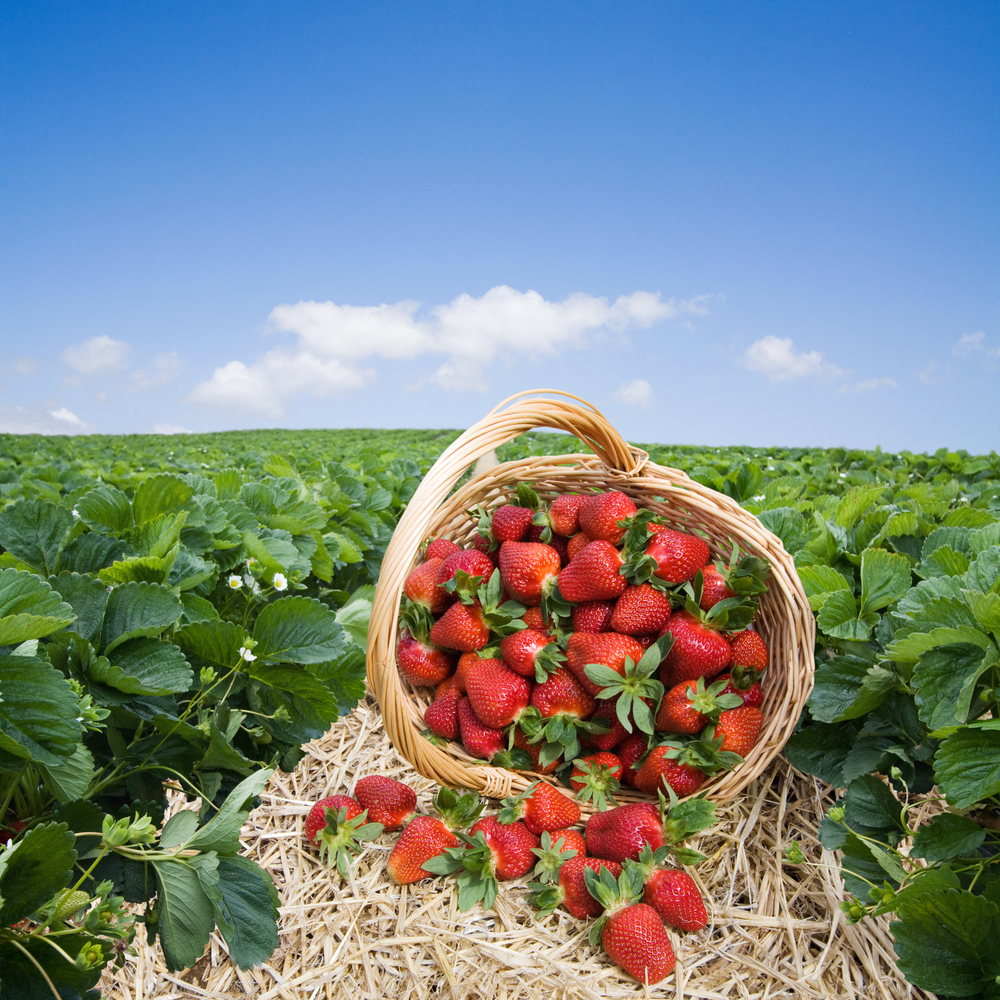
    Strawberries sit in a basket in this 2016 photo. U-pick farms are being impacted by the ongoing coronavirus pandemic.

    Agribusinesses that offer U-pick farms are not immune to the devastating impact of the ongoing coronavirus pandemic.

    Cassie Young and sister Allie Logan own Backyard Orchards in Eufaula, Alabama. Backyard Orchards has closed the U-pick part of its operation but continues to sell strawberries via social media, mainly Facebook. It also has a store with a commercial kitchen that normally sells fudge, ice cream, fried pies and homemade jams and jellies. But since zero customers are allowed in the store, that is another source of revenue that is non-existent right now.

    “That’s what is really hurt is because none of that is going. I have field trips that come in the spring and the fall because we do pumpkins. I’m missing all of that field trip revenue,” Young said.

    Young said she just hopes people in Alabama and other states will continue to support their local farmers during this unprecedented time.

    “We’ve definitely taken a huge hit,” Young said. “Ice cream, other than produce, is our best seller. People would stop just for that as well. We’re definitely hurt. But if I can just keep paying the bills, keep us open, I’ll be happy.”

    She said customers pay ahead of time and pick up the strawberries that are already set out on a table in front of the store. Young also has set up deliveries to customers in Eufaula and the Fort Benning and Fort Mitchell area.

    Backyard Orchards operates on 50 acres of produce, which includes strawberries, peaches, blueberries, watermelons, squash, zucchinis, potatoes, onions.

    But the farming operation could present another challenge once those other crops become ready for harvest.

    “When my potatoes and other vegetables and other things come in, peaches, it’s going to be a nightmare. It’s already very difficult answering messages and keeping up with who’s who and where it goes. That would even be more of a challenge,” Young said.

    Young said in previous years, once Backyard Orchards opened in the spring, there would easily be several hundred people on the weekend. That number would grow to more than a thousand over the course of a week during the summer. If this pandemic drags out, the longer businesses like Backyard Orchards suffer.

     “It’s a difficult scary situation. I know I’m not going to come out making the same amount of money but if we can just keep our doors open so that we can have another year,” Young said.

  • U.S. Congressman: Additional Funds Will be Ready if Needed for Paycheck Protection Program

    By Clint Thompson

    Buddy Carter

    The Paycheck Protection Program (PPP), an integral part of the $2 trillion Coronavirus Aid, Relief and Economic Security (CARES) Act, that will aid small businesses recover amid the ongoing coronavirus pandemic, may not have sufficient funds to support the $350 billion allocated for the program.

    One United States Congressman insists, though, that additional funds will be ready if needed.

    “There’s going to be a Phase 4 (coronavirus aid package). I am more certain now that there is going to be a phase 4,” said Buddy Carter (R-Ga.), who represents Georgia’s 1st District in the House of Representatives. “The short answer is, if we need more money, we’re going to allocate more money.”

    The program was designed to prevent workers from being laid off and small businesses from going out of business during a global pandemic that has halted the world’s economy. Those farmers or businesses, who qualify for the program, need to apply as soon as possible.

    “We intentionally made it somewhat ‘loose’ if you will, somewhat loose in that we wanted the agencies to be able to get this money out as quickly as possible. Therefore, we left a lot of the rules and regulations up to the agencies. There’s been some bumps in the road and that’s to be expected. But we intentionally did that because the message we sent to the agencies was, you need to get this money out as soon as possible,” Carter said. “We’re not going to burden you with rules and regulations and then ask you to get out as quickly as possible.”

    Carter said small businesses make up 99% of the businesses in America.

    “What we wanted to do was make sure we maintained the employee-employer relationship. That’s very important, particularly for our farmers, particularly for our small businesses. You’ll be able to get up to two and a half times your average monthly payroll,” Carter said. “That is very important because, again, we want you to maintain that relationship with your employee.

    “We don’t want to hear about people being separated from their businesses. That’s vitally important.”

    He emphasized that the applicant can be forgiven, if 75% is used for payroll,

    “Therefore, this PPP loan actually turns into a grant. That is very important because we wanted to make sure we get the relief out there,” Carter said.

  • Farmers Need to Beef up Security During Desperate Times

    A tractor and trailer harvesting potatoes in Hastings, Florida. Photo taken 06/03/15.

    By Clint Thompson

    Farmers need to beef up their security amid the coronavirus pandemic, according to Gene McAvoy, Associate Director for Stakeholder Relations for the University of Florida IFAS Southwest Florida Research and Education Center.

    As unemployment continues to skyrocket across the country, this often leads to an increase in theft instances. McAvoy said farmers are vulnerable right now since fewer people and eyes are on the farm.

    “When we were back in the recession era in the middle part of 2008, 2009, we saw a big up-take in unemployment. People are hungry. If you grab a box of chemicals on a farm or grab a couple of boxes of chemicals … that stuff is worth $400, $500 a jug sometimes,” McAvoy said. “You can grab three or four boxes and run. You’ve got some money to earn. Then they’ll turn around and sell it to unscrupulous buyers looking for a deal.”

    He’s already received reports of a couple of animals being slaughtered, 16 head of cows stolen and equipment taken in two other instances.

    McAvoy stresses to producers to take extra precautions during these desperate times.

    “Mark equipment in a place that’s not readily visible. If you lose a tractor or a disc or whatever, you have markings on it. So if the sheriff gets it or you see it, you can identify it,” McAvoy said. “Up your security. Make sure you’re checking your gates. Don’t keep a lot of inventory on hand. As I said, especially chemicals, you grab four gallons of certain products, you’re looking at close to a thousand bucks or more in one box. Just get it on an add-needed basis is a big help.

    “Camera systems are really cheap these days. You can get, for a few hundred dollars, wireless cameras that you can put around your strategic areas, your entrance gates, your spray shed, your office, your equipment barn. Oftentimes, they can be programmed to send alerts to your cell phone.”

  • Fruits and Vegetables Next Stop on AFF’s Virtual Field Trip

    By Clint Thompson

    Children quarantined at home because of the coronavirus pandemic have a unique opportunity to learn about fruits and vegetables via social media. Alabama farmers, including Allie Logan and sister Cassie Young, will teach about fruits and vegetables as part of an ongoing virtual field trip offered through the Alabama Farmers Federation Facebook page, on Friday, April 10.

    The sisters are part of Backyard Orchards, an Agritourism attraction in Barbour County, Alabama. They’ll be discussing strawberries, which is part of their U-pick business.

    The Alabama Farmers Federation wants to take children on virtual field trips to help them learn about the different agricultural sectors that comprise the state. It will be offered every Friday morning at 10 (CT) through May 22.

    Last Friday, Jonathan Sanders, a farmer in Coffee County, talked about peanuts and other row crops that are produced in the Wiregrass. The show attracted more than 5.2 thousand views.

    Mary Wilson Johns, Alabama Farmers Federation Director of News Services, said the program offers parents and caretakers a chance to allow farmers to educate children about all things agriculture.

    “I know that this is just uncharted territory for a lot of parents, a lot of students. By Fridays at 10 in the morning, you might be at the end of your rope trying to figure out what you are going to do today to keep the kids engaged,” Wilson said. “Hopefully, these farm tours will fill that need and these links to those other resources will continue that education so that students will learn a whole lot more about where their food, fiber and timber products come from.”

  • Alabama Extension Specialist Cautiously Optimistic About Peach Crop

    peaches
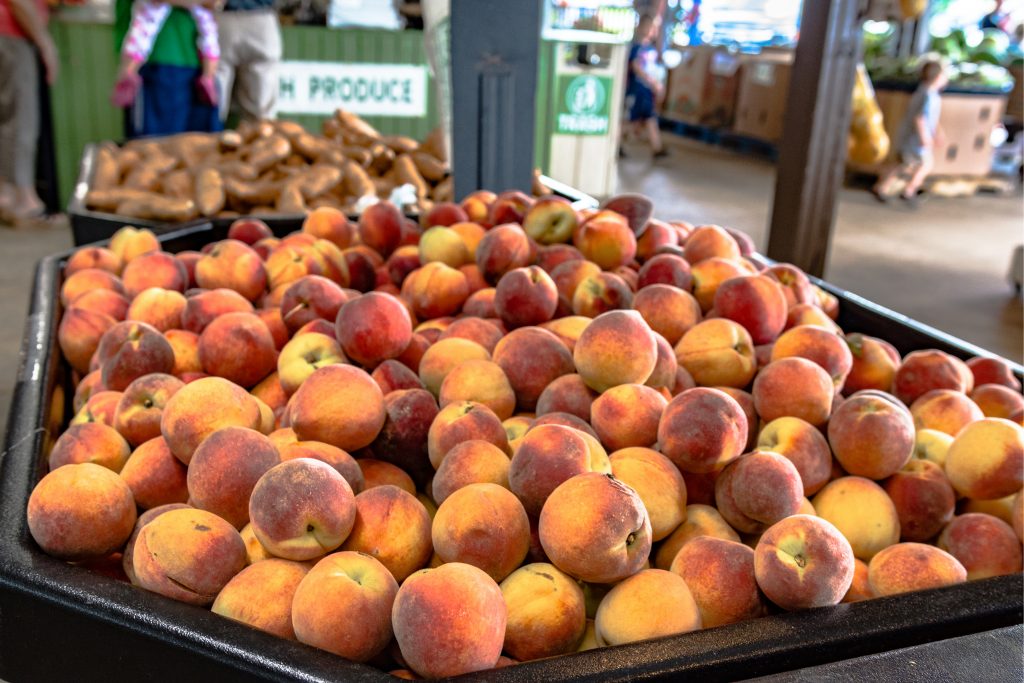
    Peach season in Alabama and Georgia begins in late May.

    By Clint Thompson

    Peach season is less than two months away for Alabama and Georgia growers and Edgar Vinson, assistant research professor and Extension specialist in the Department of Horticulture at Auburn University, is encouraged by this year’s crop despite a very mild winter.

    “I’m cautiously optimistic. I do think we got more chilling than the chill hour models tell us. But my concern now and concern of the growers is potential for frost damage,” Vinson said. “Hopefully, it’s warm for the rest of the season.”

    Vinson said Alabama’s peach season begins in late May and extends to September, which is very comparable to Georgia, and unlike Florida farmers, who are already harvesting their crop amid warm temperatures. Vinson does believe growers are a little concerned with chill hours with respect to the varieties that require a lot.

    “And that’s not to say we’re not going to have any issues with chilling, we’ll probably see some issues with chill accumulation, especially with our high chillers. A number of our growers still have quite a number of peach varieties that require higher chilling; 900 (hours) or above,” Vinson said. “In terms of the early-season to mid-season (varieties), they’re probably not as concerned. They’re more concerned with the varieties that require a high chill. That’s probably where we’ll see any signs or symptoms of a lack of chilling.”

    Lack of chilling hours can affect the overall quality and appearance of the fruit, according to Vinson.

    “There’s an over-pronounced suturing that runs the length of the fruit. Ideally, we want that to be minimal. But when there’s a lack of a chilling, that suturing is very pronounced,” Vinson said. “Also, the tip of the fruit, you don’t want a point there; you want that to be smooth. With fruit that shows lack of chilling, there’s an over-pronounced suture with a very sharp tip at the end of the fruit.”

    Vinson also said there can also be smaller harvests over a longer period.

    “That means your growers are having their crews go out to the orchards for longer periods. That cost more money and each harvest is yielding less. It can affect the growers’ operation that way,” Vinson said.

  • Heroes in our Food System COVID-19 Pandemic

    By Kristin Woods, Alabama Extension

    Food Safety Word Cloud Concept with great terms such as hazards, e coli, cooking and more.

    With Alabama’s production season getting into full swing, it is important to know that our growers and industry leaders are making sure that safety is not affected by the COVID-19 pandemic. Because COVID-19 is a respiratory disease, there is no indication that it is infectious through food or food packaging.

    The highly trained food system workers (harvesters, packers, processing line workers, retailers, grocers, and even trainers like me) are critical to ensuring a safe and consistent food supply in the U.S. In fact, the Department of Homeland Security has issued guidance that states agricultural production, food processing, distribution, retail and food service and allied industries workers are essential critical infrastructure workers.

    The health of these workers is extremely important to all of us. Our farms already have food safety protocols in place to preserve the safety of freshly harvested products, but now they have enhanced procedures in place to help protect employees from the spread of the virus during harvest or in a packinghouse so that we can keep food flowing from farm to fork.

    Some things we should all know about the produce industry:

    • Food system workers are highly skilled and trained to prevent the hazards that cause foodborne illness.  They know how to assess risks on the farm, during processing, at retail, and in the kitchen; and they know how to prevent hazards from causing foodborne illness when they see them. Food system workers truly are our heroes daily, but especially now. However, there is no evidence that COVID-19 can spread in food.
    • If a worker tests positive for COVID-19, they go home to rest and recover fully. If they have been in contact with others at work, then those individuals are advised to self-quarantine. The diagnosed person must test negative before returning to work or be symptom free for several days.
    • Processing facilities have enhanced procedures in place to frequently clean and sanitize surfaces that workers touch. Like all viruses, they need a host (human or animal) to survive and multiply.  This virus, as well as others, can survive on surfaces for limited amounts of time, so cleaning and sanitizing is always important.
    • Overall, there is no food shortage in the U.S., however, you may see some empty grocery store shelves in the short term. Many packinghouses are in the middle of shifting gears from serving food service accounts to retail accounts.
    • Of course, we want you to support our local farmers here in Alabama, but you should know that because this virus does not appear to be foodborne, produce imported from abroad remains as safe as ever. This is especially good news for those of us that are fond of tropical fruits like pineapples, bananas, and papayas that are not grown in Alabama.

    The next time you venture away from home for supplies, notice all the hard-working people out there who keep the food supply going: farmers tending row crops; ranchers tending cattle; poultry producers tending their chickens; fruit and vegetable growers prepping, planting, and harvesting crops; farm store workers keeping their stores open to support our farmers; truck drivers hauling livestock, commodities, and finished food products; grocery store workers, farmers market vendors; and restaurants staying open for takeout service. It truly is amazing to think about all that is necessary to keep food on our tables these days. We might be able to do without a new pair of earbuds, but we must have these critical industries, these heroes, for our daily existence.

    For more information on food safety, contact any member of the Alabama Extension Food Safety and Quality Team.