It is never too early start thinking about next year’s Southeast Regional Fruit and Vegetable Conference. In the age of the coronavirus pandemic, industry leaders like Charles Hall, executive director of the Georgia Fruit and Vegetable Growers Association, must start thinking about an event still several months away.
“We’re operating on the premise that we’re going to have a show in January in Savannah (Georgia). But we’re looking at, if the outbreak doesn’t calm down, if the requirements are such that we can’t hold the show, we’re looking at what the options are,” Hall said. “We’re just trying to do some preliminary, looking at different ways of doing that and whether we have virtual shows, live presentations. We’re just hoping that things calm down enough that we can have the show and get things going from there.”
Scheduled for Jan. 7-10
The conference is slated to be held in Savannah, Georgia on Jan. 7-10. It’s one of the largest events in the Southeast. It attracts 3,200 attendees and 280 companies that have booths to showcase their agricultural products.
Hall believes a final decision will be made in the fall on whether the conference will be in-person or virtual. A lot will depend on the availability of companies being able to travel for meetings at that point.
“If some of the national companies make the decision that their employees can’t travel in January, that will begin to affect our decision of whether we do with the conference,” Hall said. “We will have a conference. The real question is, hopefully, we’ll have an in-person conference and not a virtual conference.”
The other dilemma is if the conference proceeds as normal, how will social distancing guidelines be followed with that many people expected to attend?
“Right now, if we had that conference in Savannah, you would have to be at a 50-person maximum in a room. I think is what the requirements are, and then they have to be social distancing. Those classrooms have been wall-to-wall people and they’re standing along the sides, you can’t have that many people in a classroom right now,” Hall said.
The watermelon market continues to be a sweet success for producers in the Southeast. One South Georgia watermelon farmer attests to the strong season he and his colleagues have had this year.
Watermelons for sale at the Farmers Market in Cordele, Georgia.
Bill Brim, co-owner of Lewis Taylor Farms, said on July 10 that he is had an “excellent year” with his watermelon crop.
“Prices dropped a little bit after (July) 4th. But I think they’ll pick back up after about another week. We’re still harvesting melons. We’ll probably still harvest for another 10 days any way before we’re done,” Brim said.
Similar to a belief shared by farmer Carr Hussey, Brim believes there may soon be a shortage of watermelons available in the U.S.
“There’s going to be a gap in there, probably about a two-week gap, I think. Talking with some guys up in Indiana, they’re already harvesting a few melons that they had on their hoops; but they didn’t’ have many acres on their hoops,” Brim said.
Crop Shortage
Hussey, a watermelon farmer in Florida and Alabama and chairman of the board of the Florida Watermelon Association, said there may soon be a shortage as producers in the Southeast region finish harvesting their crop, while the northern states are still not close to begin picking their crop.
He believes the cool, wet spring impacted the crop’s production and why there is less watermelons than normal.
Another South Georgia producer, Terrell Rutland, said farmers in the Carolinas and Midwest normally plant three or four weeks after he does but their plants were damaged by a late spring frost. They replanted, which delayed their harvest window another three weeks.
Acreage is down in Georgia this year. According to Samantha Kilgore, executive director of the Georgia Watermelon Association, acreage is projected to decrease this year to 19,000 acres. It would mark a significant drop from previous years’ harvests. According to the National Agricultural Statistics Service, from 2016-2018, Georgia averaged a harvest of just more than 23,000 acres.
UGA photo/Onion center rot is a financially devastating bacterial disease for Vidalia onion producers in south Georgia.
By Maria M. Lameiras for CAES News
After years of building and analyzing sample collections, plant pathologists at the University of Georgia have identified the genes that allow a type of bacteria that causes onion center rot to resist onions’ natural defenses in a “chemical arms race.”
The pathogen Pantoea ananatis can enter onions through the leaves — usually as a result of thrips feeding on the onion neck — and induces necrotic symptoms and extensive cell death in onion tissue.
When cellular damage occurs, onions and other members of the Allium genus, such as garlic, produce volatile antimicrobial compounds called thiosulfinates, the same compounds that make you cry when you cut onions and that give onions and garlic their characteristic smell and flavor.
These compounds normally kill invading bacteria. However, an 11-gene cluster of the P. ananatis genome allows the bacteria to tolerate the thiosulfinate allicin and colonize dead onion tissue damaged in its initial attack, according to a paper published this month in the journal Current Biology.
Center rot of onion, caused primarily by P. ananatis in the Southeast U.S., can be economically devastating to producers, leading to high crop losses both in the field and postharvest, said Brian Kvitko, an assistant professor in the Department of Plant Pathology at the UGA College of Agricultural and Environmental Sciences and lead author of the study.
Kvitko’s research into this pathogen is important because the bacteria resist onion’s natural defenses.
“Onions are a tricky host. Anyone who has ever cut onions knows they release a very potent irritant that can kill some bacteria, but these bacteria have a one-two punch,” Kvitko said. “The onion releases thiosulfinate, a potent reactive sulfur species that causes gross damage to cells by interfering with all kinds of cellular processes. The bacteria have picked up genes that allow it to take the hit from the thiosulfinate and then take over the dead onion tissue environment as a home to make more bacteria. Like little genetic gas masks. The onion itself already had built-in antibiotics and these bacteria found a way around it.”
Kvitko said that these bacteria cause disease differently than most other bacteria, which either break down plant cells walls with enzymes or “reprogram” plant cells by injecting them with proteins.
“So, bacteria can chew up the plant cells or reprogram them, but this is neither of those. These are not proteins that are being delivered, it is a chemically focused kind of disease. This is not the only example of this we have seen, but it is very rare,” he said.
Through genome sequencing, Kvitko’s lab identified differences in the P. ananatis genome from similar bacteria.
“These bacteria did not have any of the traits that were associated with a pathogen we knew. It was strange, but we didn’t know why. Now we have been able to find this different way of bacteria causing disease,” Kvitko said. “Knowing more about the pathogen and how it causes disease helps us find treatment and resistance strategies to manage this disease in the future.”
Onion center rot was first identified in Georgia in 1997 and can cause latent infections that are activated postharvest even if there were no overt signs of disease in the field.
“This is kind of an insidious disease in that the producer sometimes doesn’t know there is a problem until the crop is harvested, packed and shipped,” Kvitko said. “This disease is a big problem in onion-growing regions because bacterial diseases are hard to manage. There are a lot of diseases caused by fungi that we have fungicides to control, but we don’t have that kind of chemical strategy for bacteria.”
Although there are currently no identified onion cultivars with resistance to P. ananatis, knowing how a pathogen causes disease is a good step toward knowing how to find good host resistance, he added.
“To be able to fight something effectively, you have to know how it works. We know this thing is different. Knowing why and how it causes disease helps us to find a better way to fight it,” Kvitko said.
A key part of the research is the work being done by Bhabesh Dutta, assistant professor of plant pathology and UGA Cooperative Extension vegetable disease specialist on the UGA Tifton campus, who has collaborated with growers by collecting extensive samples of diseased plants for analysis. He then works with Kvitko on research both in the lab and in the field, an example of basic and applied agricultural research partnerships, which is a hallmark of collaboration and discovery at land-grant universities like UGA.
“We would not have made as much progress without Dr. Dutta’s long history with the systems and the good collection he’s been putting together for years,” Kvitko said. “The key thing that made this work wasn’t just collecting samples from diseased onions, but also from weeds in the fields and the thrips that are important in spreading the disease. That gave us a large panel of diversity to work from. We were able to look at all of the bacterial strains, even those that were very close to one another, to identify the genetic differences. We compared key regions of the genome that were only present in the strain that could infect onions. The genes that make specific regions of the genome different made the difference between which bacteria can and can’t cause diseases.”
With Vidalia onions at the top of the vegetable commodities grown in Georgia — at an annual farm gate value of $150 million — identifying the genetic traits of the bacteria responsible for the No. 1 disease in the state’s onion crop is an important factor in preventing financial losses for producers, Dutta said.
“There are 21 counties in Georgia with the marketing rights to grow and sell Vidalia onions, with nearly 65-70% of Vidalia onions being grown in Tattnall and Toombs counties,” said Dutta. “This is a high-value commodity for Georgia growers and this bacterial complex has become endemic in the Vidalia onion zone.”
While not all bacteria cause disease, Dutta’s research team has identified eight bacterial pathogens that are endemic to Georgia and which cause economic losses. Among the eight, one of the most prominent bacteria is Pantoea sp., which causes center rot. Other than Pantoea sp., Burkholderia cepacia — the causal agent of sour skin disease — is also prevalent in Georgia.
Building on a collection started by his predecessor, Ron Gitaitis, in the 1980s at UGA-Tifton, Dutta has assembled a collection of nearly 250 Pantoea bacteria strains from a diverse variety of sources including onions, weeds and thrips in his research program.
“Identifying the strain of bacteria that causes onion center rot allows us to survey producer fields and, if Pantoea sp. is prevalent in the environment, but it is not a disease-causing strain in onion, it gives us the ability to assess the risk that producer might have for center rot developing in onions during postharvest storage,” Dutta said.
Now that they have identified the 11-gene cluster responsible for the allicin resistance, Kvitko’s lab can start studying those genes.
“That’s where we are now. We know they have a cluster of 11 genes, but we don’t know exactly how it works. Is it specific to this type of bacteria? Or is there a way to keep bacteria from turning that resistance on?” Kvitko said. “Knowing more about the system, we have a nice list of potential weak points we can try to target, either through host resistance or some sort of novel chemical strategy. Bacteria are really tricky to manage; we have a limited tool set to work with and we want to have more.”
Because it would be impossible to change all P. ananatis bacteria, Kvitko’s team will also use what they’ve learned to develop pathogen-resistant onions.
“We are trying to see if there is any onion out there that the pathogen can’t kill. Finding onions that are resistant to the chemicals that are released by the bacteria and giving growers accurate information is important for mitigation,” he said.
An increasing likelihood of a La Nina weather event this fall could impact row crop farmers and specialty crop producers as well, said Pam Knox, University of Georgia Cooperative Extension Agricultural Climatologist.
“When we do have a La Nina, we do tend to have a little bit drier than normal fall. Dryness in the fall isn’t necessarily bad. It’s helpful for the people that’s trying to harvest. It’s just that if you’re trying to fill in the last of the pecans or get a little more growth out of the peanuts then dry conditions are not necessarily good,” Knox said.
According to the pecan production calendar, pecan’s water requirements are especially high in August and September. UGA pecan experts say water needs are 300 to 350 gallons per tree per day or 3,600 to 4,200 gallons per acre per day.
Knox said we are in a La Nina watch right now and is unclear how strong of a La Nina it’s could be.
“Typically, when we have a La Nina occurring, and right now we’re under a La Nina watch, the conditions in the Eastern Pacific Ocean are cooler than normal. They’re expected to stay that way. Usually it takes four months before they’ll declare an official La Nina,” Knox said. “The predictions are it might last until January or February and then go back to neutral conditions. It’s not necessarily one that’s going to be really long.”
While coronavirus will prevent the citrus industry from gathering this year at Citrus Expo, it will not stop growers from getting the education they need.
The 2020 Citrus Expo educational program will be held live online Aug. 19–20 and will include door prizes. If you’re lucky, you could walk away with one of four $200 Bass Pro gift cards!
The online virtual event will include three parts: 1) a general session for everyone, 2) a citrus program and 3) a vegetable and specialty crop program.
In the general session, Florida Department of Agriculture and Consumer Services Director of Cannabis Holly Bell will give an update on the state’s hemp program. Bell made a big splash at last year’s Expo, and we are excited to welcome her back to the event. She’ll discuss how the Florida hemp program is becoming the role model for the country. The general session also is expected to cover trade and water issues, two major current concerns for Florida growers.
Some of the topics University of Florida Institute of Food and Agricultural Sciences researchers are planning to speak about in the citrus program include:
Soil health and cover crops
Soil amendments and conditioners for root health
Tree care considerations for individual protective covers
Economics of grove management
Nutrition and irrigation practices for HLB management
Exotic viral diseases
Performance of rootstocks and varieties
The seminars will remain available online after the live event, but there will be additional content available exclusively for those who attend the live two-day program. It is expected that continuing education units will be available toward the Florida restricted-use pesticide license as well as the Certified Crop Adviser designation for those viewing the seminars.
Not to be missed in the virtual event will be a special vendor corner. This is where exhibitors and sponsors will share their industry expertise and connect with attendees.
Registration is sponsored by Syngenta, and details will be provided soon on how to sign up for the event. For now, mark your calendar for virtual Citrus Expo on Aug. 19–20. Please note that this is one week later than Citrus Expo was originally planned for.
ATLANTA, Ga. – Reps. Doug Collins (R-Ga.) and Austin Scott (R-Ga.) sent a letter to U.S. Trade Representative Robert Lighthizer urging the Administration to protect American farmers from Mexico’s unfair trade practices as it works to implement the United States-Mexico-Canada Agreement (USMCA).
“As you may know, Mexico’s increased market share of produce and perishable goods at record-low prices in the United States negatively impacts Georgia’s seasonal and perishable produce farmers, as well as those throughout the Southeast,” they wrote. “Over the past several months, we have witnessed the damaging economic and production consequences the coronavirus pandemic has had on crops across the nation. In Georgia, blueberry and vegetable producers are facing not only a decreased market for their goods, but in recent years a market saturated with Mexican products as a result of that country’s unfair trade practices.”
As they point out, the administration has committed to addressing concerns regarding Mexico’s practices within 60 days from the agreement’s implementation on July 1, 2020.
“As the Administration works to implement the USMCA, we stand ready to partner with you to ensure trade officials, farmers, and producers find a solution that works for the Southeast’s agriculture industry,” they continued.
Below is the full letter:
Austin Scott
July 14, 2020
The Honorable Robert Lighthizer U.S. Trade Representative Office of the U.S. Trade Representative 600 17th Street, N.W. Washington, D.C. 20508
Ambassador Lighthizer,
First and foremost, we want to express our appreciation to President Donald J. Trump, you and your office, and many others in the Administration for your hard work on behalf of our nation’s farmers in implementing the United States-Mexico-Canada Agreement (USMCA). This historic trade deal will increase our global competitiveness, strengthen our economy, and most importantly, support our farmers.
While we are encouraged by the progress that has been made through the USMCA, we are writing today to urge the Administration to address the lack of protections for American farmers against Mexico’s unfair trade practices. As you may know, Mexico’s increased market share of produce and perishable goods at record-low prices in the United States negatively impacts Georgia’s seasonal and perishable produce farmers, as well as those throughout the Southeast. Over the past several months, we have witnessed the damaging economic and production consequences the coronavirus pandemic has had on crops across the nation. In Georgia, blueberry and vegetable producers are facing not only a decreased market for their goods, but in recent years a market saturated with Mexican products as a result of that country’s unfair trade practices.
We understand the Administration is committed to implementing a timely remedy to address this serious trade issue within 60 days from the agreement’s implementation on July 1, 2020, and we look forward to the Administration’s hearings in Georgia to hear testimony from growers and farmers in our districts. As the Administration works to implement the USMCA, we stand ready to partner with you to ensure trade officials, farmers, and producers find a solution that works for the Southeast’s agriculture industry.
Again, thank you for your work in creating and implementing an America-focused trade agreement with Canada and Mexico. We are hopeful that your office will work with us to ensure Mexico’s unfair trade practices do not go unaddressed. Please reach out to our offices if we can help facilitate future meetings or hearings with farmers in Georgia.
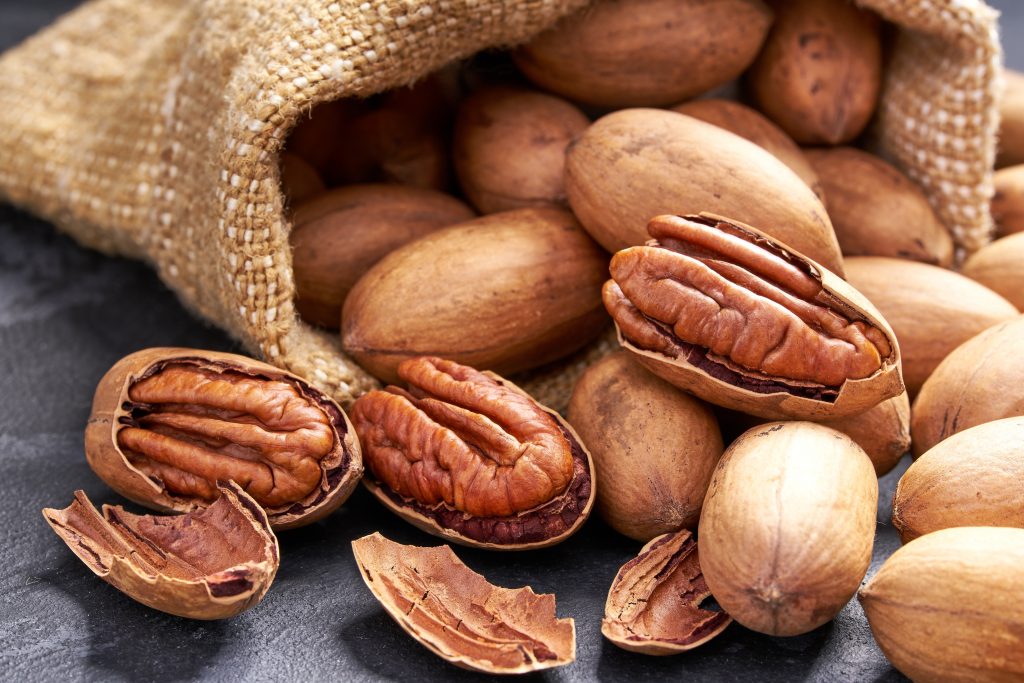
Georgia’s pecan industry is shaping up to have one of its most productive crops in recent years. But what that means for the industry come harvest time and how that will impact prices remains to be seen, according to South Georgia farmer Randy Hudson.
“We do feel like we have a really good crop. Now, what that actually means, I don’t know. In years past we’ve said a really good crop in Georgia was 100 million pounds. Last year, we thought we had a really good crop and we harvested significantly less than 100 million pounds, simply because of the amount of damage that Hurricane Michael had done (the year before) in regards to taking off fruiting limbs and trees,” said Hudson, who works with the American Pecan Council, serves on the Pecan Export Trade Committee and member of the Georgia Pecan Growers Association.
“When we harvested, we didn’t have quite the yield we thought we would make. We know we’ve got pecans on the trees but we really don’t know what the impact of all of the limbs that still have not grown back in trees that were lost from Hurricane Michael, what that impact’s going to be for the overall yield for the state as a whole.”
Scab Disease
Hudson said scab disease pressure is starting to become problematic in areas inundated with excess rainfall, like around Albany, Georgia in the southwestern part of the state and over in east Georgia around Blackshear, Georgia and Waycross, Georgia.
He added that areas of the mid-South are experiencing significant disease as well, particularly in Texas and Louisiana.
“I think in regard to where we stand as a nation, Georgia’s got a good crop. We don’t know exactly what that might mean. The nation as a whole has got a pretty good crop, but it does have some holes in some areas. I think it’s safe to say we probably have a really good, average crop,” Hudson said.
Prices?
So, the big question is what does an improved pecan crop this year mean for the financial market?
“I think the answer is not so much what goes on in the United States but what’s happening particularly in Mexico and in South Africa. Right now, there’s still inventory in Mexico. Mexico can produce pecans a lot cheaper than we can produce them in the United States. As a result, the growers are more willing to take a lower price,” Hudson said. “The currency values, which also enters in the pecan markets, particularly between the Mexican peso and the Chinese yuan, have also entered into a depression in our market. The value of the yuan has weakened somewhat and has made the U.S. pecans a little more attractive, I think in the neighborhood of 5% or 10% cheaper than they were six months ago when the yuan was very strong.
“With the Mexico supply, with the South African supply, with what pecans are being sold out of South Africa for right now into the China market, which is a very important player for the U.S. market, I think we’re going to see prices somewhere in the same range that we saw last year,” Hudson added.
He said stuart blends sold into China last year between $2 and $2.25 per pound and that desirable blends were sold into China for $2.25 and $2.50 per pound.
Advanced formulation of the only Group 22 insecticide for agricultural use delivers improved control and performance consistency.
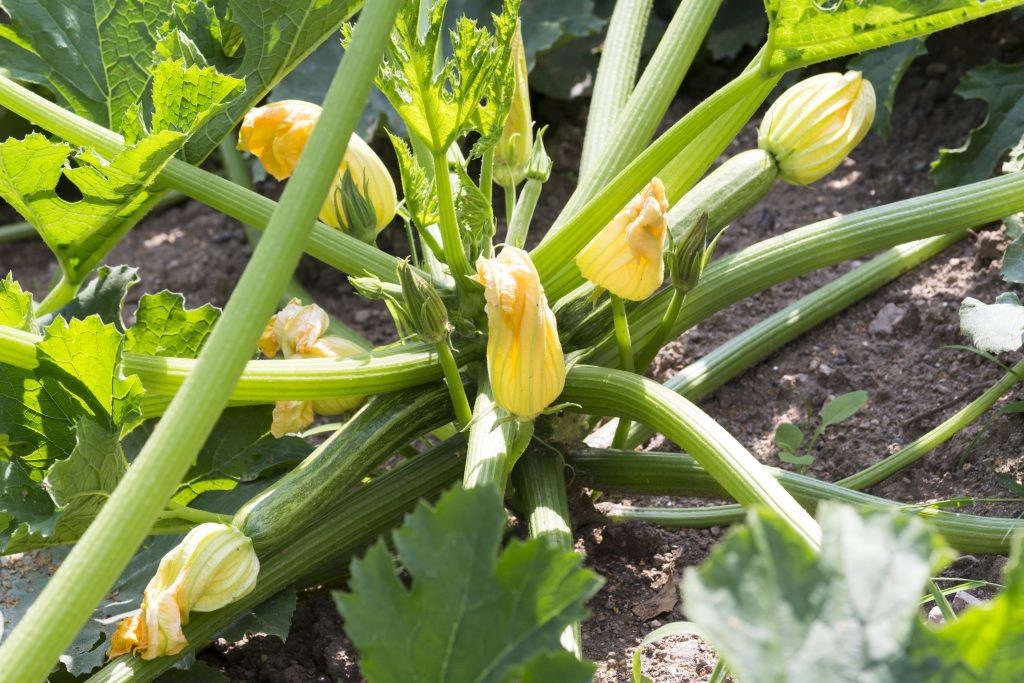
Squash is one of the crops that respond well to Avaunt eVo insect control.
PHILADELPHIA, July 14, 2020 – FMC has just released and made available for immediate use a new insecticide formulation, Avaunt eVo insect control, in a range of crops including brassicas, pome and stone fruits, cucurbits, leafy vegetables, low-growing berries and dried and succulent beans.
Avaunt eVo insect control is an advanced formulation of Avaunt insecticide that provides improved mixability and rainfastness, an expanded label and an updated package size for easier handling.
“This is the next evolution of our indoxacarb-based insecticides for specialty crop growers. Avaunt insecticide has been a proven tool, and now we’ve evolved the formulation to enhance its capabilities,” says John McCool, FMC insecticide product manager. “Strengthening existing technology is another way FMC is continuing to bring innovation to the market and advance agriculture.”
Avaunt eVo insect control delivers effective control of labeled Lepidopteran pests, including several species of weevils, beetles and other chewing and sucking pests. Its expanded label also allows for higher application rates in certain crops, as well as new crop additions including dried and succulent beans, low-growing berries and small fruit vine climbing subgroups.
The new formulation delivers significantly improved residual control, mixability and rainfastness. Avaunt eVo insect control is completely rainfast once it has dried on vegetation.
“Enhancing these three attributes directly translates to better overall performance in the field,” explains Hector Portillo, insecticide product development manager for FMC. “For example, when we look at Avaunt eVo insect control trials nine days after the initial application, we’re still getting 80-90% control; a 10-20% improvement in control over the original Avaunt insecticide during the same post-application window.”
In addition to better performance, the improved mixability of Avaunt eVo insect control equates to less downtime and greater flexibility for growers. The product dissolves faster in the tank than the original Avaunt insecticide and other wettable granular insecticides. It also has a reduced mixing process, which alleviates the requirement for a set mixing cadence.
Strong, Resilient Rotational Tool
Indoxacarb, the active ingredient in Avaunt eVo insect control, belongs to the unique and proven oxadiazine class of chemistry in IRAC Group 22. Indoxacarb is the only Group 22 insecticide labeled for this crop and pest spectrum, making Avaunt eVo insect control an ideal rotational partner for growers.
“Being this is the only mode of action registered for use in this segment, it’s a strong fit in crops where growers make multiple insecticide applications per season. It provides rotational flexibility to help growers manage resistance and protect existing chemistries from resistance development,” Portillo states.
Avaunt eVo insect control is a resilient option for growers operating under hot, intense environmental conditions since it is unaffected by pH, UV, high sunlight and temperature, which are the primary factors for insecticide breakdown and failure.
For more information about Avaunt eVo insect control, visit your FMC Star Retailer or ag.fmc.com to learn more.
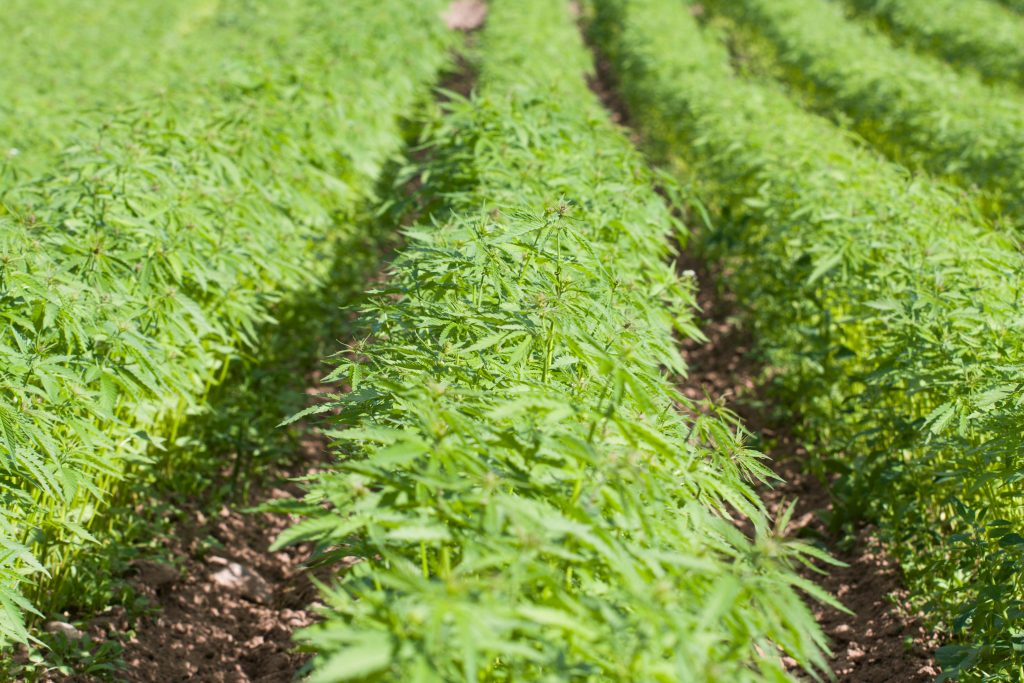
Alabama hemp producers need to plant their crop now to ensure it is in the ground and growing by the July 31 deadline. According to the Alabama Department of Agriculture and Industries (ADAI), if you are a first-time outdoor grower and do not have green plants up and growing by July 31, ADAI will need to know why and what immediate plans you have to grow as this delayed planting will affect your crop in 2020.
Katelyn Kesheimer, Auburn University Assistant Professor and Extension Specialist, estimates that if growers plant their seed by the second or third week in July, they should be okay with the plant emerging by the end of the month.
“If you’re planting from seed, which a lot of people are, then you have to have them up and emerged by July 31. My guess would be if it got held up further, they might make some exceptions for people who were approved really late,” Kesheimer said. “But if you were approved in May and you don’t have seed or green plants by the end of July, they’re probably not going to cut you any slack.”
All growers will also be required to respond to an emailed status report request as to growing activities by Aug. 1. At the time of the status report, if you determine that you will not be growing for 2020, you will receive a certified letter voiding your 2020 grower license.
This will nullify your grow status for the rest of the season but in no way will negatively impact your ability to apply for and obtain future grower licenses in Alabama.
Agriculture industries have had to adapt to a lot of change in recent months. The University of Florida Institute of Food and Agricultural Sciences (UF/IFAS) has created a series of professional development webinars to help these industries navigate the global pandemic.
Mental health in rural communities was the focus of a webinar series put on by UF/IFAS.
The most recent session of the six-part webinar series featured a panel focused on mental health in rural communities. The panelists discussed strategies to recognize a person in crisis and resources to address mental health concerns. According to Megan Stein, the host of the series, rural mental health was the most requested topic in the data that was collected to create this webinar series.
Limited Health Care Access
Oftentimes, when a grower’s livelihood is at stake, he or she may face the same mental health setbacks as those living in urban areas. However, many individuals work in agriculture live in rural areas where there is limited access to health care.
“Actual incidents of mental health problems in rural areas are really not so different. You don’t necessarily see significant differences. It’s not like in rural areas things are way worse or anything like that. I think some of the stressors are different, but more importantly I think it’s just a lot harder to access help when you live in rural areas,” says Heidi Radunovich, associate professor in the UF/IFAS Department of Family, Youth and Community Sciences.
Even though advancements have been made in remote health care, there are still setbacks in rural areas with limited cell service and Wi-Fi, which can make it difficult to receive remote care.
Marshal Sewell, territory sales manager for Bayer and webinar panelist, believes that it’s important to create the right messaging connecting mental health and growers. According to Sewell, many farmers or individuals in rural communities find it difficult to open up to someone who doesn’t share a similar background or circumstances. He says finding that commonality or appropriate messaging could make a world of difference.
Available Resources
Let’s face it, farming is a stressful job — even in good times. The COVID-19 pandemic and resulting economic turmoil compounds the daily stressors. Farmers, ranchers and rural community members need appropriate resources to help manage their own stress and support their friends and neighbors.
Luckily, resources are available. The American Farm Bureau Federation has launched the Farm State of Mind campaign, reducing the stigma surrounding the topic of mental health in rural communities. The campaign also provides helpful resources regarding mental health for farm families.
In addition, the U.S. Department of Agriculture and National Alliance on Mental Illness are proactively working to provide relevant resources to rural communities.
The panel participants also stressed the importance of managing day-to-day stress by taking time for yourself. This includes exercising, reading a book, meditating or any activity that allows you to take a step back from daily stressors.
Isolation on the farm is real. We need to be aware of our neighbors. Practicing active listening and having a conversation with each other may be the only way to reach someone who is dealing with mental health issues. By listening and understanding, we can create change.
Ashley Robinson, AgNet Media communications intern, wrote this article.