Farmers impacted by COVID-19 and hoping to take advantage of the Coronavirus Food Assistance Program have a little more than three weeks left before the Aug. 28 deadline. That is when the United States Department of Agriculture will stop accepting applications from producers.
Runge
Through CFAP, USDA made available $16 billion in financial assistance to producers of agricultural commodities who have suffered a 5%-or-greater price decline due to COVID-19 and face additional significant marketing costs as a result of lower demand, surplus production, and disruptions to shipping patterns and the orderly marketing of commodities.
Max Runge, Extension specialist in agricultural economics at Auburn University, believes CFAP has been a success for growers.
“Overall, I think it has been a success. It provided some much-needed funding and hopefully some cash flow for some producers that needed it. It wasn’t a perfect program. I know some people feel like they were left out or they didn’t get enough, or it should have been done differently. But overall, I think it was very helpful to our producers.”
In mid-July, the USDA, amended the original crop list covered under CFAP to include additional commodities, including the addition of blueberries to Category 1.
A tour of the research vineyard at the Clanton Research and Extension Center in Chilton County at the Alabama WIneries and Grape Growers Association meeting in September 2019. Grapes are grown by Elina Coneva and the staff at the CREC. Grape varieties are developed by Dr. Andy Walker, a grape breeder at UC Davis.
Pierce’s Disease is wreaking havoc in grape vineyards in the Southeast. It is such a problem that University of Georgia Cooperative Extension plant pathologist Phil Brannen is concerned about the sustainability of some farming operations, especially as winter temperatures continue to get warmer.
“Once you get above 2,000 feet in elevation, I have only rarely seen a single plant come down with this (disease) and that’s still the case. But the areas that are around 1,700 feet in elevation where we used to not see that much of it, when we have two or three warm winters in a row, we really start to see a lot of it. Some of those vineyards, they’re losing 400 to 500 vines a year. That’s not sustainable,” Brannen said. “A lot of vineyards right now that are in north Georgia, they’re suffering a lot of loss from Pierce’s Disease now. If the temperatures get continuously warmer in the wintertime, I don’t know where we’re going to grow this grape.”
What is Pierce’s Disease?
Pierce’s Disease is caused by a bacterium that is transmitted by numerous sharpshooter insects, such as the glassy-winged sharpshooters. The bacterium clogs the grape xylem and cuts off nutrient and water flow to the vines. Once infected with Pierce’s disease, vines will die within one to two years.
“You’ve got the xylem that carries that water and nutrients and if it’s clogged a little bit, you may get by if you have plenty of moisture, but if you get less and less of it, then the water will collapse in that vessel and then you don’t get any,” Brannen said. “When it’s real dry conditions, that is when the symptoms really start to show up. It’s a scorch around the leaf is what you’ll initially see. The berries actually dry up. They form raisins on the vine. You’ll see all of that occurring when it gets really dry in late summer.”
Brannen said right now is when grape producers will start seeing Pierce’s Disease symptoms.
Most Effective Management Tactic
He said the best management tactic that growers potentially have is with disease resistant plants, bred by scientists at UC Davis and are being researched at a couple of sites in Georgia and in Alabama.
According to Elina Coneva, an Extension specialist in the Horticulture Department at Auburn University, three red wine grape selections were planted at the Chilton Research and Extension Center (CREC) in Clanton in 2010 and are showing promising results. One white wine selection was planted in 2017. So far, the research team has not lost one plant to Pierce’s Disease.
The only other option is try to apply a soil-based Imidacloprid insecticide in the spring to kill the sharpshooter insects.
“If it goes into the root system and gets into the soil, it will last a long time in the plant. That will kill the sharpshooters and that cuts back on transmission a lot,” Brannen said.
July 31, 2020, Washington, D.C. – The U.S. Senate has passed a resolution designating July 2020 as National Blueberry Month, recognizing the contributions of the U.S. blueberry industry and acknowledging that purchasing blueberries supports farmers, jobs and the economy. The resolution echoes a proclamation from U.S. Secretary of Agriculture Sonny Perdue in March.
Senate resolution (S.Res. 656) was sponsored by Sen. Debbie Stabenow (D-MI) and co-sponsored by senators Patty Murray (D-WA), Maria Cantwell (D-WA), David Perdue (R-GA) Angus King Jr. (I-ME), Susan Collins (R-ME) and Kelly Loeffler (R-GA). The resolution recognizes that highbush and wild blueberries have an annual economic impact of $4,700,000,000; a harvested area estimated at over 140,000 acres; are produced in 48 states by more than 15,000 farms and their families; and that highbush blueberry production in the U.S. has continually increased, with particular growth in the past two decades, to reach a harvest of 700,000,000 pounds in 2019. It also points to the research-based health benefits of blueberries.
NABC members met with lawmakers in Washington, D.C., in March.
Last spring, members of the North American Blueberry Council (NABC) traveled to Washington, D.C., to encourage lawmakers to support blueberries by signing onto the resolution that reflects the incredible growth, value and impact the blueberry industry has on the economy and communities.
Over 130 participants met with their senators and representatives to share NABC’s policy priorities and help raise the profile of the health benefits blueberries provide, as well as the economic impact blueberry growers have in their communities and the U.S. economy. These efforts influenced the Senate resolution passed yesterday .
“Blueberry growers and others connected to the industry are very appreciative to have their life’s work recognized and celebrated during National Blueberry Month,” said NABC Chair Ken Patterson. “July continues to be our peak season, and this resolution helps draw attention to the important economic and health benefits of blueberries. We’re grateful to the senators who are helping us highlight our industry with this timely resolution.”
The Alabama Pecan Co. was represented as part of Sweet Grown Alabama Day last week on July 22.
More than 150 farmers are part of the Sweet Grown Alabama database. Director Ellie Watson believes the sweetgrownalabama website is an integral part of connecting the state’s producers with its consumers.
“We have a pretty great representation across all counties and all areas of the state. Of course, we’re still looking to grow that database,” Watson said. “We know that 150 folks is just a drop in the bucket of great farmers in the state of Alabama. We’re still looking for great farmers to join our network and become part of this family.”
Watson and other Alabama agricultural leaders continue to promote the “buy local” initiative which focuses on consumers supporting farmers in their state. This new website allows consumers to access information relevant to the commodity they’re searching for as well as determine where growers are located.
“It’s been really tough for consumers to connect with farmers directly up until now. Now consumers have a one-stop shop where they can find all of the local farmers in their area. It may even connect them with farmers who are right down the road,” Watson said.
“One of my growers told me (the other) week that he had a lady who lived not three miles down the road who didn’t even know he existed. Through Sweet Grown Alabama she was able to connect with him. He said she purchased about $250 worth of his product. To find those local farmers and allow consumers to make those connections with folks right in their neighborhood is an invaluable resource.”
Variety of Options
The website is also not limited to traditional fruits and vegetables, either.
“Not only do we have a great listing of produce growers, but we also have farmers who are producing things like beef and pecans and other non-traditional produce products. It really is a network you can find any product that is grown in Alabama,” Watson said. “We don’t grow everything in the state of Alabama, but we encourage consumers, when they have the option and when it’s in season, to purchase from Alabama farmers first.”
By Ayanava Majumdar, Rammohan Balusu and Neil Kelly
Many pests feed on squash from seedling to harvest. They are generally broken down into two groups: the chewing insects and the sucking insects. Chewing insects of squash consist of common pests like cucumber beetle, squash vine borer larva and pickleworm. Sucking insect pests consist of aphids, squash bugs and whiteflies. The pests a squash grower experiences may depend on location.
PREVENTION STRATEGIES Remember that prevention of pests is the No. 1 goal of organic integrated pest management (IPM) systems. Rapid control after pest establishment becomes a difficult aim later in the production season. Cultural control tactics that include selecting virus-resistant varieties, timely planting and harvest (reduces pickleworm buildup), crop rotation and timely removal of crop debris after harvest (reduces squash vine borer buildup), consistent irrigation and trap cropping are some basic preventive approaches, also called Level 1 control.
Perimeter trap cropping with Baby Blue and New England Hubbard squash in a mixed system is effective in reducing cucumber beetle and squash bug damage to yellow squash (main crop).
PEST EXCLUSION FABRIC For Level 2 control, growers should use temporary or permanent pest exclusion fabric to create a barrier between insect pests and the main crop. Two lightweight materials tested in Alabama include the Super-Lite Insect Barrier (Gardens Alive, Inc.) and AgroFabric Pro 19 (Seven Springs Farm, Inc.). Both these materials look like lighter versions of the common row cover used for frost protection, but these materials are much lighter with 85 to 95 percent light and rain penetration.
The trick is to put these light fabrics on low hoops (inverted loops) almost immediately after transplanting or after the seeds have germinated. These materials deflect much of the aphids and squash vine borers that fly early in the season. Squash plants can be grown inside the fabric for several weeks and removed or partially opened when flowering begins. Growers can also release beneficial insects like lacewings and lady beetles under the fabric for controlling accidental pest infestations.
For both trap crops and pest exclusion tactics, check out the short IPM videos on the Beginning Farm Project channel at www.youtube.com/playlist?list=PLkNoAmOtt___MKj6IBxvWzOdWP0btBq4D.
INSECTICIDE USE Growers also have a wide range of organic insecticides to choose from (Level 3 control). See the Organic Materials Review Institute website (www.omri.org) to find hundreds of approved organic products.
Remember to scout squash crops for timely pest detection and identification, then use insecticides per the label with equipment that gives good coverage. For example, highly mobile squash bug adults are difficult to control with natural pyrethrin and spinosad, but the flightless small nymphs are far better targets for organic spray applications.
Several premix insecticides are available commercially today in a variety of packaging, making them affordable for farmers. Squash vine borer and pickleworm larvae are internal pests, which are difficult to manage with topical spray applications. Initiate timely sprays with targeted placement where insect pests are hidden.
Don’t quit spraying too soon since weather patterns can reduce insecticide persistence. Always spray in the evening hours when bees are not around and so that the solution can dry out overnight. Stop spray applications of organic materials when pests become inactive. You can save on the cost of insecticides and protect natural enemies this way.
Finally, it is recommended that growers get in touch with Extension personnel in their state to develop an IPM strategy suitable for their farm. Producers in Alabama can download the Farming Basics mobile app to keep in touch with Alabama Extension. Subscribe to the Alabama IPM Communicator e-newsletter (www.aces.edu/ipmcommunicator) to stay informed throughout the season.
Ayanava Majumdar is an Extension professor and Rammohan Balusu is a research fellow, both at Auburn University. Neil Kelly is a regional Extension agent with the Alabama Cooperative Extension System.
Photo submitted by Alabama Department of Agriculture and Industries/Shows bag of unsolicited seed sent to an Alabama resident.
By Maggie Lawrence
AUBURN UNIVERSITY, Ala. — How much harm could a package of mystery seeds do? Scientists with the Alabama Cooperative Extension System agree that unsolicited seed packets being delivered in Alabama and across the country could pose a real threat to native ecosystems and possibly to people.
Threat of Invasive Species
Nancy Loewenstein, an invasive plant expert with Alabama Extension, said the seeds could be potentially invasive.
“These seeds could be from a known invasive species, like kudzu or cogongrass or they could be a weedy species with invasive potential,” Loewenstein said. “While it’s possible these seeds do not pose a threat, people should never plant seeds received in this fashion.”
Invasive species (flora and fauna) threaten the environment in the following ways: reduce productivity of forests, rangeland and crop land, become weeds in gardens and lawns, reduce native biodiversity and wildlife habitat, limit land access for recreation (hiking, birding, fishing, hunting), can be poisonous and/or injurious to humans and livestock, can potentially hybridize with native species alter ecological processes (e.g., water cycling, nutrient cycling, fire cycles) and cost time and money to manage and control.
“Invasive species can cause a great deal of damage to native ecosystems and agriculture, including significant economic damage,” she said. “A 2005 study estimated costs associated with invasive species totaled $120 billion a year, and those costs have likely risen since that time.”
Threats of Pathogens and Insects
Kassie Conner, an Alabama Extension plant pathologist, said these mystery seeds could be harboring diseases, among other things.
“Plant pathogens can be transmitted through seed,” Conner said. “They can be inside the seed, on the outside of the seed or be present in the seed lot without obvious damage. These pathogens can include fungi, bacteria, viruses and nematodes.”
Conner said people could introduce a plant disease into their garden if they planted these seeds. “Depending on the pathogen and the plant species, one infected seed planted in an otherwise healthy garden can cause complete yield loss,” she said. “Once a pathogen is introduced, many can survive for one to more than 10 years in the environment. Some can survive for longer than that.”
If disease and invasive potential are not bad enough, Extension entomologist Charles Ray said these seeds could contain damaging insects.
“There are a number of insects that feed in seeds as larvae,” Ray said. “In these seeds, you might find any one of a large number of pests that entered during seed storage.”
What to Do with Mystery Seeds
According to Ray, seed shipments normally would be subject to inspection and quarantine procedures. For example, in 2017, USDA-APHIS cleared more than 17,000 shipments containing over 1.6 billion plant units and approximately 1,874 tons of seeds, intercepting 817 quarantine pests. Packaging on these mystery seeds has indicated that it contained jewelry rather than seeds.
Officials believe this is an effort to avoid inspection, which is a form of agricultural smuggling. Loewenstein, Conner and Ray all agree that it is extremely important that people DO NOT OPEN the package, DO NOT PLANT the seeds and DO NOT DISCARD them. They also say it is important people report receiving these packages.
The Alabama Department of Agriculture and Industries (ADAI) continues to receive reports from citizens who received unsolicited packages from China containing seeds. ADIA is currently collecting seed packages from recipients and is testing their contents for unknown compounds, noxious weed seed and also invasive species. This testing will determine if they contain anything that could be of concern to U.S. agriculture or the environment.
Reporting Seeds
ADAI has established an on-line reporting system for Alabama residents who received suspicious seeds they did not order. Visit www.agi.alabama.gov/reportseeds and provide the requested information. At the end of the on-line form, there are directions for consumers on how to store the seeds properly until an ADAI representative contacts them. People should hold onto the seeds and the packaging, including the mailing label, until someone from ADAI contacts them with further instructions.
More Information
Currently, there is not any evidence indicating this is something other than a brushing scam where people receive unsolicited items from a seller who then posts false customer reviews to boost sales. For further information, contact the ADAI’s Ag Compliance section at 334-240-7304.
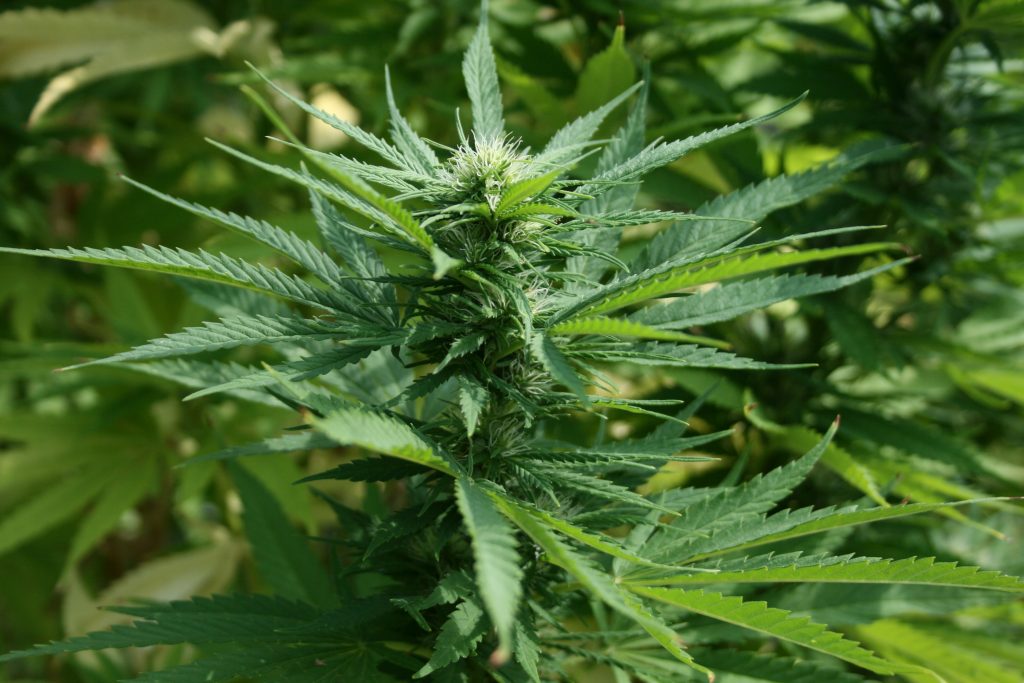
Alabama hemp is at a stage in the growing season when it is vulnerable to caterpillar damage, says Katelyn Kesheimer, Auburn University Assistant Professor and Extension Specialist. She said a lot of the hemp in the state is starting to flower, which is when it is most susceptible.
“We’re gearing up for corn earworm for caterpillars. A lot of the hemp int he state is starting to flower and that’s really when it’s vulnerable to caterpillar damage. We’re waiting on some boll worm flights and scouting the flowering of the hemp plants, especially pretty regularly to make sure there aren’t any small caterpillars so we can get rid of them before they get too big,” Kesheimer said.
The caterpillars feed on the buds and can cause significant yield loss just because they eat a lot as they grow. As they are chewing on it, they are also opening up that plant and some pathogens can get in and you could end up with bud rot.
“The other issue is because they’re caterpillars and just walking stomachs, they’re going to be eating and defecating on the plant. Then you have reduced quality if you’re growing raw flower and it’s covered in caterpillar poop,” Kesheimer said. “I’m telling growers to scout and check and make sure they don’t have any caterpillars especially as they go into flower.”
The other concern right now for Alabama hemp producers is the dry weather. According to the U.S. Drought Monitor, various parts of the state are classified as abnormally dry, specifically along the Alabama-Georgia border in Barbour, Dale and Henry Counties. Kesheimer is confident that Alabama could receive significant showers soon.
“It got real dry, real quick. It was a shock to the ground, the plants, everybody because it hadn’t been too hot all summer. Then (last) week it was pretty miserable,” Kesheimer said. “I think there is some (plants) stressed out there,” Kesheimer said. “They need water, depending on what stage they’re in. I think we’re headed for some storms. It’s cloudy where I am right now. That certainly should help.”
Fruit thinning will likely be a hard practice for pecan producers to follow through on in the next couple of weeks. But University of Georgia Cooperative Extension pecan specialist Lenny Wells believes it is the right course of action to take, especially considering the quantity of this year’s pecan supply.
Lenny Wells
“This is going to be a hard sale because a lot of growers have gone without much of a crop for a couple of years. They’re wanting to make all they can. But in a situation like that with a crop that’s really loaded, especially if they’re calling for dry weather late in the season, it would not be a bad idea right now to fruit thin your trees,” Wells said. “That would take some of that pressure off the tree where it would be better able to manage and make those nuts with good quality that it has left.”
Wells said growers only have another week or two to thin their trees, except for Pawnee variety, which should have already been done. There are various advantages to thinning your tree, though, you would be affecting this year’s crop.
“It’s a tough call, it really is. It’s certainly hard to do,” Wells said. “It definitely does help. It helps with a lot of things; it helps with quality; it helps with return crop next year; it helps with the size of the nuts; it helps with that if we do get some kind of storm late in the season, if you lighten that crop load, then trees don’t take such a beating. There’s a lot of advantages to it, but it is hard to do.”
According to the UGA Extension pecan blog, Wells said Georgia’s crop is projected at 87 million pounds.
Alabama’s pecan trees are progressing with a strong crop this year. Alabama Extension Research Associate Bryan Wilkins believes the fungicide Miravis Top’s has worked well against scab disease and believes producers in his state should be in good shape come harvest time, barring a hurricane.
“I think Alabama will be up there around 2.5 million pounds, maybe a little bit more. That’s more than what we’ve had the past few years,” Wilkins said. “That Miravis Top has done real well. I’ve got Desirables here in Fairhope that are clean right now. Normally, by now, it doesn’t matter how many times I spray them, they’re eat up (with scab disease).”
The majority of Alabama’s pecan crop is produced in the southwest part of the state, in Mobile County, Baldwin County and Covington County. It has been an up-and-down growing season with regards to weather. In April and May, that region of Alabama got extremely dry. Now, it is experiencing seasonable rainfall.
Wilkins estimates his growers will make two more fungicide sprays against scab this season.
“We’ve had a fairly good growing season. Scab hasn’t been terrible. We haven’t had any major insect problems,” Wilkins said. “Last year, I think black aphids just ate everybody up across the Southeast. But we haven’t had any major insect problems. As long as we don’t get a hurricane, I think we’re going to be in real good shape.”
The August issue of VSCNews magazine equips growers with the latest information and strategies to develop a sound fumigation system.
With the loss of methyl bromide, many growers have struggled to maintain consistent soilborne pathogen and pest control with fumigants that are currently available. Gary Vallad, Johan Desaeger, Joe Noling and Nathan Boyd of the University of Florida Institute of Food and Agricultural Sciences (UF/IFAS) discuss supplemental fumigation strategies for tomato production.
In 2018, a comprehensive survey identified root-knot nematodes as the top nematode pest among Georgia vegetable crops. Abolfazl Hajihassani, an assistant professor and Extension specialist and Chinaza Nnamdi, a plant pathology graduate student, both at the University of Georgia (UGA) in Tifton, share proper management practices to successfully control these pests.
Anthracnose fruit rot disease is one of the most significant disease problems of commercial strawberry production in the Southeast. To control the disease, growers have typically relied on preventive fungicide applications, the most commonly used fungicide being quinone outside inhibitors (QoIs). However, growers have recently noticed a resistance to QoIs. Phil Brannen, Emran Ali, Jeff Cook, Sumyya Waliullah and Owen Hudson, all at UGA, present new recommendations and strategies for growers struggling with fungicide resistance.
Desaeger, an assistant professor for UF/IFAS is back for another article in this month’s issue. This time, discussing Florida’s up and coming hemp crop. With an increased interest in hemp, researchers are investigating how nematodes may affect this new Florida crop.
Additionally, Jenelle Patterson, a plant molecular biologist, shares how bioengineered sentinel plants could help protect future crops.
Finally, it’s Expo time! Even though coronavirus has prevented growers from gathering in person for the Vegetable and Specialty Crop Expo, the virtual event will continue to provide growers with the great education they need. On Aug. 19–20, the seminar program will go online at VSCExpo.com, and growers can tune in and watch the seminar presentations from the comfort of their own home. Those who watch the seminars when they debut online will be eligible to win door prizes, including four $200 Bass Pro gift cards.
There is no charge to attend the virtual Expo, but registration is required to view the seminar videos. Keep up to date on all the latest event information and register to attend at VSCExpo.com.
If you would like to receive future issues of VSCNews magazine, click here.