Category: Agri-business

  • U-Pick Farms Feeling Impact of Coronavirus Pandemic

    By Clint Thompson

    florida
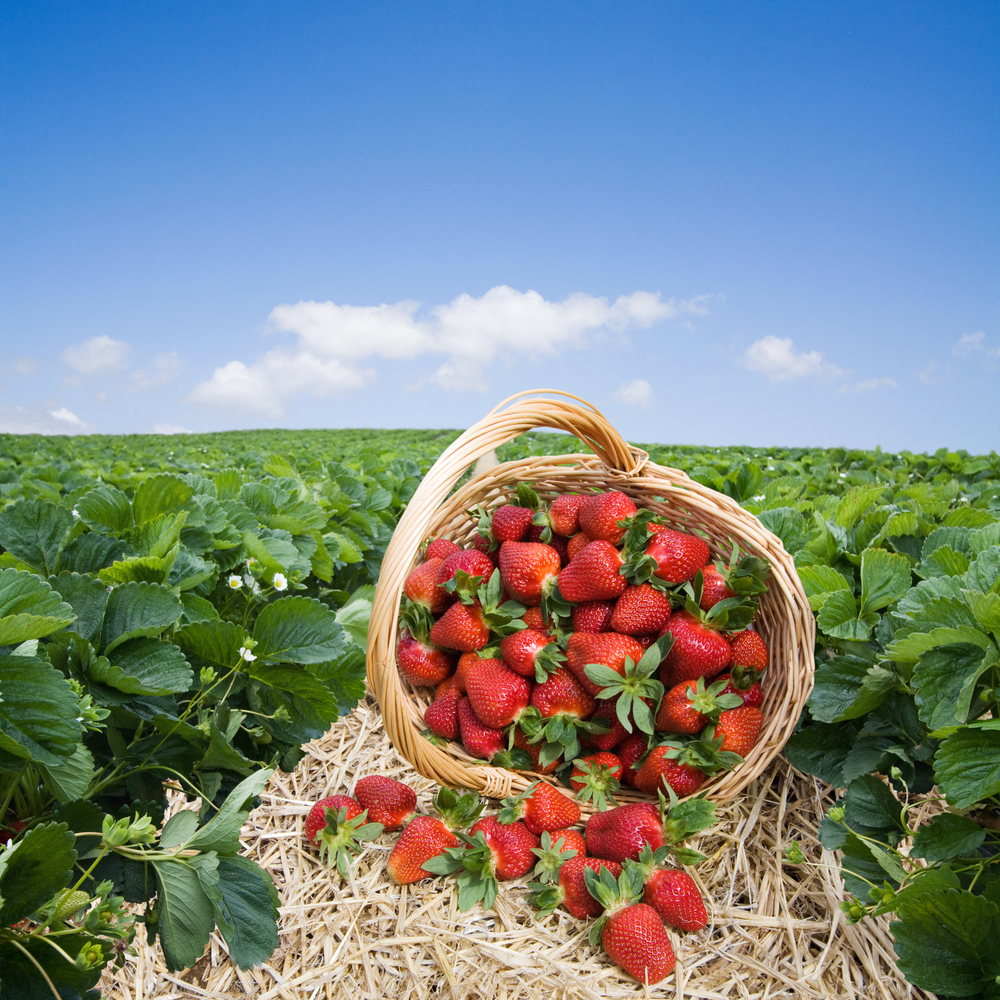
    Strawberries sit in a basket in this 2016 photo. U-pick farms are being impacted by the ongoing coronavirus pandemic.

    Agribusinesses that offer U-pick farms are not immune to the devastating impact of the ongoing coronavirus pandemic.

    Cassie Young and sister Allie Logan own Backyard Orchards in Eufaula, Alabama. Backyard Orchards has closed the U-pick part of its operation but continues to sell strawberries via social media, mainly Facebook. It also has a store with a commercial kitchen that normally sells fudge, ice cream, fried pies and homemade jams and jellies. But since zero customers are allowed in the store, that is another source of revenue that is non-existent right now.

    “That’s what is really hurt is because none of that is going. I have field trips that come in the spring and the fall because we do pumpkins. I’m missing all of that field trip revenue,” Young said.

    Young said she just hopes people in Alabama and other states will continue to support their local farmers during this unprecedented time.

    “We’ve definitely taken a huge hit,” Young said. “Ice cream, other than produce, is our best seller. People would stop just for that as well. We’re definitely hurt. But if I can just keep paying the bills, keep us open, I’ll be happy.”

    She said customers pay ahead of time and pick up the strawberries that are already set out on a table in front of the store. Young also has set up deliveries to customers in Eufaula and the Fort Benning and Fort Mitchell area.

    Backyard Orchards operates on 50 acres of produce, which includes strawberries, peaches, blueberries, watermelons, squash, zucchinis, potatoes, onions.

    But the farming operation could present another challenge once those other crops become ready for harvest.

    “When my potatoes and other vegetables and other things come in, peaches, it’s going to be a nightmare. It’s already very difficult answering messages and keeping up with who’s who and where it goes. That would even be more of a challenge,” Young said.

    Young said in previous years, once Backyard Orchards opened in the spring, there would easily be several hundred people on the weekend. That number would grow to more than a thousand over the course of a week during the summer. If this pandemic drags out, the longer businesses like Backyard Orchards suffer.

     “It’s a difficult scary situation. I know I’m not going to come out making the same amount of money but if we can just keep our doors open so that we can have another year,” Young said.

  • United Fresh Start Foundation Starts COVID-19 Donation Program to Help Kids and Familes

    Lancaster Foods’ President John Gates joined United Fresh’s President & CEO Tom Stenzel delivering 1,000 3-pound bags of apples to the ALIVE community feeding program in Alexandria, Virginia on Saturday, April 4.

    Contact: Mary Coppola mcoppola@unitedfresh.org 202-303-3425

    WASHINGTON, DC (April 6, 2020) – In response to the COVID-19 pandemic, the United Fresh Start Foundation is offering a new grant program — COVID-19 Rapid Response FRESH Grants — to increase access to fresh fruits and vegetables for children and families in need, while also creating opportunities for foodservice distributors who face the loss of markets due to the restaurant and hospitality industry shutdown. 

    “These are two pressing needs facing our country today that are interconnected,” said United Fresh Start Foundation Chair Lisa McNeece, Vice President, Foodservice and Industrial Sales, Grimmway Enterprises, Inc. “Kids are out of school and families are out of work. We need to make sure they have access to fresh produce through remote feeding sites or community programs. And at the same time, our foodservice distributors have been devasted by the immediate shutdown of their markets. This is an attempt to inspire our greater industry to recognize both needs and do what we can to help.”

    The United Fresh Start Foundation will fund (25) $1,000 grants to produce companies and foodservice distributors who can provide fresh fruits and vegetables to schools, community groups, and other emergency feeding sites for those in need. If a distributor can donate at least $1,000 worth of produce, or more, the Foundation will reimburse them $1,000. The goal is to break down the barriers that impact access to fresh produce, and bring community members and the supply chain together during this extraordinary time.

    The first grant was used to support a donation of 1,000 3-pound bags of apples by Lancaster Foods to the ALIVE community feeding program in Alexandria, Virginia on Saturday, April 4. Lancaster Foods’ President John Gates joined United Fresh’s President & CEO Tom Stenzel in delivering the fresh produce to ALIVE for distribution to needy residents in the community. “I thank John and the Lancaster team for going above and beyond to help our community,” Stenzel said. “And, for me personally, this feeds my own neighbors in need.”

    This program is funded through the generosity of those individuals who have agreed to donate their prepaid registration fees for the United Fresh 2020 Convention in San Diego to the United Fresh Start Foundation. “I want to thank each of those individuals for inspiring us with their generosity and making this program possible,” McNeece said.

    “In addition, we encourage individuals to consider making a tax-deductible donation directly to the United Fresh Start Foundation so we can continue to serve kids everywhere as best we can. And, of course, company contributions are welcome! Make your donation here to ensure kids are growing up fresh!”

    Interested produce distributors should complete this simple form to request a grant from the United Fresh Start Foundation. We ask that you immediately implement community feeding programs and we will get back to you on a first-come, first-served basis as long as funds are available.

    Visit www.unitedfreshstart.org for complete details on the COVID-19 Rapid Response FRESH Grants program.


    For more information, contact Mollie Van Lieu, Senior Director of Nutrition Policy at 202-303-3403 or mvanlieu@unitedfresh.org.

  • U.S. Congressman: Additional Funds Will be Ready if Needed for Paycheck Protection Program

    By Clint Thompson

    Buddy Carter

    The Paycheck Protection Program (PPP), an integral part of the $2 trillion Coronavirus Aid, Relief and Economic Security (CARES) Act, that will aid small businesses recover amid the ongoing coronavirus pandemic, may not have sufficient funds to support the $350 billion allocated for the program.

    One United States Congressman insists, though, that additional funds will be ready if needed.

    “There’s going to be a Phase 4 (coronavirus aid package). I am more certain now that there is going to be a phase 4,” said Buddy Carter (R-Ga.), who represents Georgia’s 1st District in the House of Representatives. “The short answer is, if we need more money, we’re going to allocate more money.”

    The program was designed to prevent workers from being laid off and small businesses from going out of business during a global pandemic that has halted the world’s economy. Those farmers or businesses, who qualify for the program, need to apply as soon as possible.

    “We intentionally made it somewhat ‘loose’ if you will, somewhat loose in that we wanted the agencies to be able to get this money out as quickly as possible. Therefore, we left a lot of the rules and regulations up to the agencies. There’s been some bumps in the road and that’s to be expected. But we intentionally did that because the message we sent to the agencies was, you need to get this money out as soon as possible,” Carter said. “We’re not going to burden you with rules and regulations and then ask you to get out as quickly as possible.”

    Carter said small businesses make up 99% of the businesses in America.

    “What we wanted to do was make sure we maintained the employee-employer relationship. That’s very important, particularly for our farmers, particularly for our small businesses. You’ll be able to get up to two and a half times your average monthly payroll,” Carter said. “That is very important because, again, we want you to maintain that relationship with your employee.

    “We don’t want to hear about people being separated from their businesses. That’s vitally important.”

    He emphasized that the applicant can be forgiven, if 75% is used for payroll,

    “Therefore, this PPP loan actually turns into a grant. That is very important because we wanted to make sure we get the relief out there,” Carter said.