Author: Clint

  • UF/IFAS Faculty to Host Webinar Series for Agriculture and Natural Resource Professionals

    By: Jarred Shellhouse, 352-273-2599, jshellhouse@ufl.edu

    GAINESVILLE, Fla. — A new webinar series, focused on professional development for agriculture and natural resources professionals during a global pandemic, is set to take place this summer.

    Megan Stein, agricultural education and communication lecturer at the University of Florida’s Institute of Food and Agricultural Sciences, will lead the series.

    Megan Stein

    “Our industry groups in agriculture and natural resources have adapted to a lot of change recently,” Stein said. “We are hoping to connect meaningful content about organizational change, resiliency and digital business meetings to help these groups continue to move forward.”

    Starting Thursday, June 18, the six-webinar series is set for every Thursday at 11 a.m. Eastern. The following topics will be presented:

    • June 18. Conducting Digital Business. Led by Anne Schwartz, leadership programs coordinator for the Wedgworth Leadership Institute for Agriculture and Natural Resources, this webinar will focus on technology, tools and tips to help transition formal business meetings into a digital space.
    • June 25. Leading Organizational Change. Conducted by Nicole Stedman, professor of agricultural leadership in the UF/IFAS department of agricultural education and communication, this webinar helps participants understand change concepts and learn to leverage them to create change from within the organization.
    • July 2. Developing Personal Resilience. Facilitated by Ed Osborne, professor of agricultural education in the UF/IFAS department of agricultural education and communication, this webinar will help participants identify elements of resilience and cultivate a growth mindset to develop levels of personal resilience.
    • July 9. Panel on Rural Mental Health. Through this webinar panel, participants will gain a better understanding of rural mental health disparities, strategies to recognize a person in crisis and resources to address mental health concerns. Heidi Radunovich, associate professor in the UF/IFAS department of family, youth, and community sciences; Angie Lindsey, assistant professor in the UF/IFAS department of family, youth, and community sciences; and Marshal Sewell, territory sales manager for Bayer, will lead the panel discussion.
    • July 16. Tolerating Ambiguity: Being Comfortable being Uncomfortable. Led by Cecilia Suarez, assistant professor of agricultural leadership and intercultural communication, this webinar will focus on how to lead despite ambiguity and leveraging personal attributes to increase effectiveness.
    • July 23. Navigating Generational Differences. Facilitated by Stein, this final session will help participants identify methods to better work with others between generations. Additionally, the session will explain some ways in which the pandemic has brought understanding in bridging the gap between generations’ preferred working styles.

    “These topics were selected because they are important for ANR industry professionals, but are sometimes avoided in conversation,” said Stein. “We want our industry to feel more comfortable working in digital spaces, while acknowledging mental health disparities, and work with others to lead their organization into the ‘new normal.’”

    All webinars will be delivered at no cost to participants using Zoom, a video conferencing software. Interested individuals should register online to receive the login information. For more information regarding this webinar series, contact Megan Stein at mstein17@ufl.edu.
  • Georgia Farmers Want Additional Commodities added to CFAP

    By Clint Thompson

    The Coronavirus Food Assistance Program (CFAP) excludes 90% of Georgia’s specialty crop growers with its timeline restrictions of January 1 to April 15. Georgia Fruit and Vegetable Association Executive Director Charles Hall hopes additional commodities added to the list covered under CFAP will aid Georgia growers.

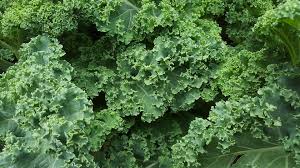
    Kale is one of the commodities that Georgia farmers want added to CFAP.

    “We are looking at commodities in Georgia that didn’t get into the commodity list,” Hall said. “We’re trying to determine what data we need to provide to USDA to get those listed. Primarily, it is within the greens area; kale, mustard, collards, turnips, and we’ve got a couple of growers we found that had some specialty lettuce for the Atlanta restaurant market. We’re looking at those commodities, too.”

    CFAP Background

    CFAP applications will be accepted through Aug. 28. There is a Notice of Funding Availability (NOFA) where stakeholders and producers of other commodities can submit information and data for consideration to be included in the program. These must be submitted by June 22. This is specifically for data on any commodity not currently eligible for CFAP.

    CFAP will benefit mostly Florida farmers who have had to overcome produce loss and low market prices as a result of the coronavirus pandemic striking the U.S. in mid-March.

    In a previous VSCNews story, Hall was hopeful that Congress would pass another stimulus package and that his growers would be sufficiently covered. It would provide a boost to farmers as the economy tries to recover from the current recession.

    “The bill that passed the House would cover Georgia specialty crop growers because it covered the first two quarters of the year. Most of our growers’ harvest will be through the end of June. That will be helpful from that standpoint,” Hall said.

  • Clemson Extension Agents Provide Updates on Various Crops

    According to this week’s edition of The South Carolina Grower, Clemson Extension agents responded how different crops are progressing this production season.

    Coastal

    Zack Snipes reports, “It’s the time of year when crops are starting to look ugly. We are in the middle of tomato harvest and it seems to be a pretty good crop this year. Bacterial spot is starting to spread up the plants due to a heavy fruit set, perfect weather, the inability to spray, and constant handling by pickers. Keep up with spray programs as the last few weeks of development are critical to size and taste. Rabbiteye blueberries are coming in strong right now and look really good with the occasional berry having Exobasidum. Stink bug pressure has been very high this year and I’m seeing damage on a multitude of crops.”

    Rob Last reports, “In our area, we are seeing some good quality watermelons and cantaloupes coming to harvest. We are seeing some manganese toxicity related to low pH in both crops. Also given the sporadic storms we have seen leaf potassium levels have been lower than ideal. It would be recommended to monitor tissue nutrient levels and adjust fertilizer applications accordingly.”

    Midlands

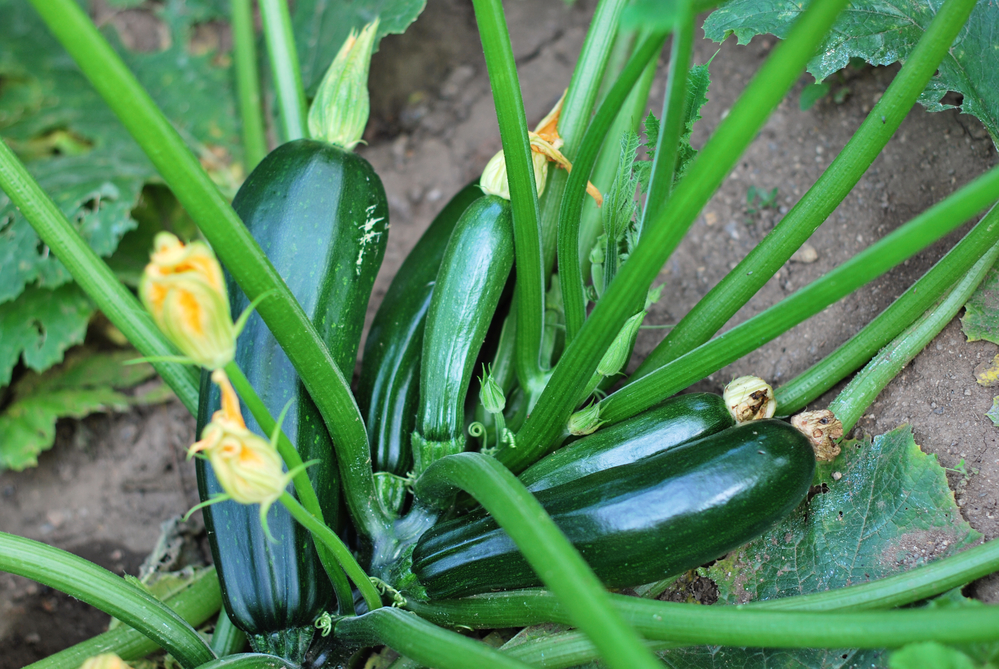
    File photo shows zucchini plants.

    Justin Ballew reports, “We got a little much-needed rain last week. Crops are developing quickly and growers have started harvesting the oldest planted sweet corn as well as squash, zucchini, cucumbers, beans, and what’s left of spring brassicas. Cucurbit downy mildew has not yet been found in the midlands, but it probably won’t be long. Keep applying preventative fungicides.”

    Sarah Scott reports, “Peach season is in full swing. Bacteriosis and brown rot continue to show up in many fields. Warm temperatures during an extended bloom period as well as rain and cold at critical times in the early season are likely the culprits for these issues.”

    Pee Dee

    Bruce McLean reports, “Cucumbers are being harvested in good numbers. Squash and zucchini yields are increasing. Sweet corn will be ready to begin harvest in a few days. Disease pressure is increasing in cucumbers, primarily Cucurbit Downy Mildew (CDM). CDM has caused significant damage and severely reduced the crop in two locations. Forecasted rains for the next 7-10 days will make it extremely difficult to spray fungicides (as well as applying insecticides, herbicides, and fertilizer). Fruit crops are being negatively impacted by the weather, as well. Reduced fruit quality is caused by increased disease pressure and wet field conditions. And, the forecast over the next 7-10 days is for more rain.”

    Tony Melton reports, “Cucurbit downy mildew is increasing rapidly with the rain, glad we started spraying Ranman or Orondis 2 weeks ago. With the rain, ponds have returned to our fields. As one of my vegetable farmers said “Not a good year to be in the Pee Dee vegetable business.” Hundreds of acres of beans, squash, cucurbits, and peas have drowned. Farmers are probably tired of me saying “Potassium Phosphide will help.” Regretfully, on brassicas, the yellowed margined beetle has become established in the Pee Dee, and downy mildew is awful. However, sweet potatoes are growing like a weed (its close kin morning glories).”

  • USDA Proposes Changes in Handling Requirements for Florida Tomatoes

    itc

    USDA AMS Produce
    June 15, 2020


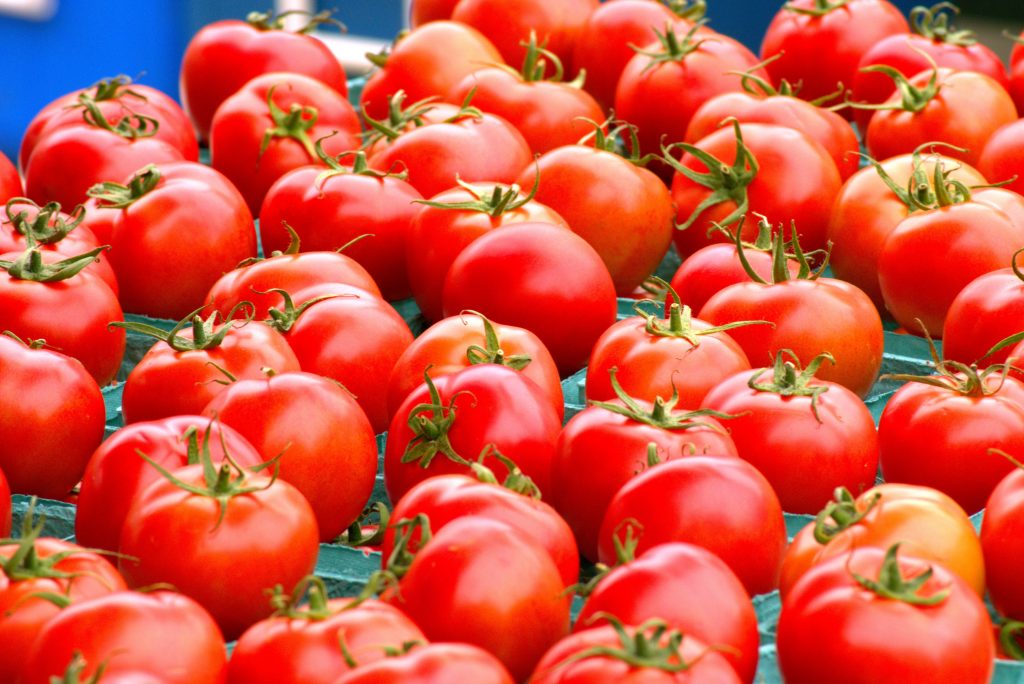
    The U.S. Department of Agriculture (USDA) is proposing changes to the handling requirements under the federal marketing order for tomatoes grown in Florida. The Florida Tomato Committee recommended the changes to bring previously exempt Roma tomatoes under the marketing order’s handling regulations.

    The committee also recommended developing exemption language for greenhouse and hydroponic tomatoes by establishing a new definition for “controlled environment.” Changes to pack and container requirements are also proposed to reflect current industry practices.

    The proposed rule for this action was published in the Federal Register June 9, 2020. Written comments are due by July 9, 2020.

    Submit formal written comments concerning the proposed change at www.regulations.gov. You may also mail them to Docket Clerk, Marketing Order and Agreement Division, Specialty Crops Program, Agricultural Marketing Service, USDA, 1400 Independence Avenue SW, STOP 0237, Washington, DC 20250-0237 or fax them to (202) 720-8938.
    All comments to this proposed rule submitted by the deadline will be made available for public review and will be considered before a final rule is published.

    More information about the marketing order is available on the Agricultural Marketing Service (AMS) 966 Florida Tomatoes webpage, the AMS Marketing Orders and Agreements webpage or by contacting the Marketing Order and Agreement Division at (202) 720-2491.

    Authorized by the Agricultural Marketing Agreement Act of 1937, marketing orders are industry-driven programs that help producers and handlers achieve marketing success by leveraging their own funds to design and execute programs that they would not be able to do individually. The Agricultural Marketing Service provides oversight to 29 fruit vegetable and specialty crops marketing orders and agreements, which helps ensure fiscal accountability and program integrity.

  • UGA Pecan Team Emphasizes Scab Disease Management

    By Clint Thompson

    The University of Georgia (UGA) pecan team is emphasizing scab disease management, since June and July are critical times for disease control.

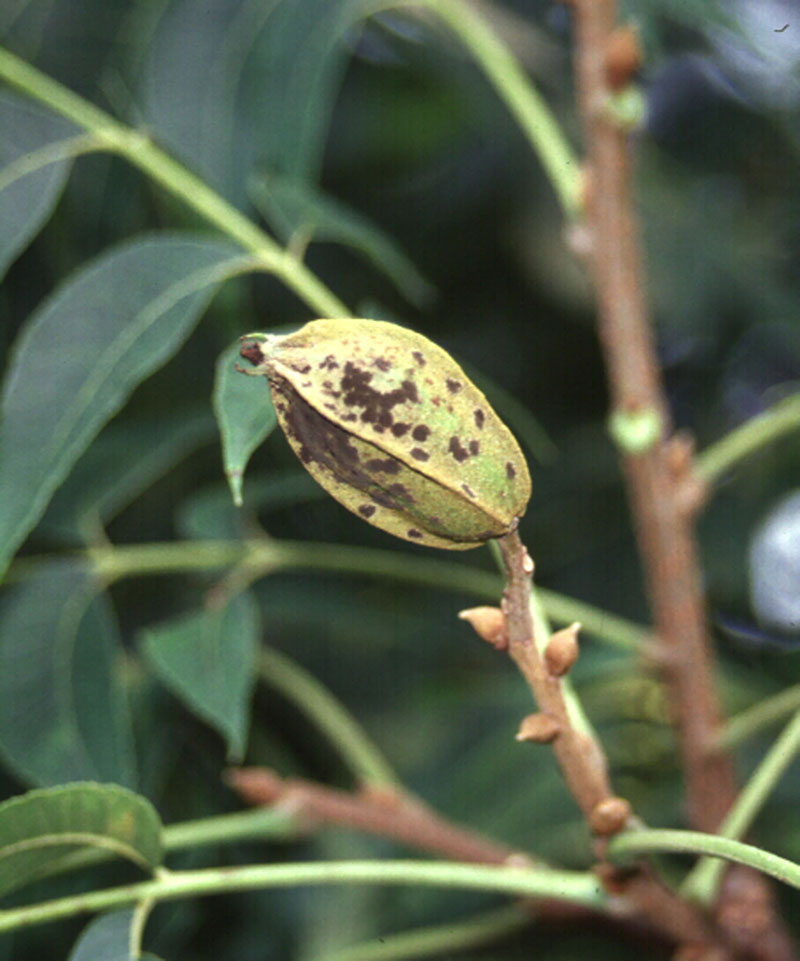
    UGA picture/Scab disease does not usually kill trees, but it can greatly reduce yields. The fungal pathogen that causes scab overwinters in the tree as lesions on stems and old nut shucks that remain in the tree after harvest. When temperatures begin to warm in the spring, the fungus becomes active and starts to produce new spores that are spread by rain and wind.

    According to UGA Extension pecan blog, plant pathologist Jason Brock’s recommendations are based on Extension plant pathologist Tim Brenneman’s research regarding scab disease:

    With Desirable or any variety with similar scab susceptibility, a rotation of Elast/Tin with Miravis Top is the strongest option. You could use consecutive applications of either, but keep in mind Miravis Top use restrictions include a 14-day minimum application interval and a maximum of 4 applications per year. In most cases, half rates for Elast/Tin are suitable. Research trials have shown that increasing the rate of Elast to 37 fl. oz. while mixed with Tin can provide better scab control, but only when disease pressure is high. Unless we get into a rainy summer, the half rates are the better option.

    Cultivars with relatively low scab susceptibility provide more options for fungicide selection. In addition to Miravis Top, Elast and Tin (either in a mix or used stand-alone), other fungicides are suitable for these cultivars. Another tank mix combination that has provided good nut scab control is a Group 3 (DMI) + Group 11 (strobilurin). This combination is available in a number of premixed products. A newer option that we have recommended is a 3-quart rate of a phosphite. While the phosphites’ strength is in foliar disease control, a high rate application is suitable for nut scab control of certain cultivars with low scab susceptibility.

    Aside from fungicide selection, important factors in scab control will be timely applications and good coverage. Pay close to attention to rain forecast and try to stay ahead of scab development; however, do not sacrifice good coverage by traveling too fast or trying to spray when weather conditions are detrimental to good coverage. Always remember to rotate chemistries regularly to manage fungicide resistance.

    Light Scab Disease

    In a previous VSCNews story, UGA Extension pecan specialist Lenny Wells said scab disease is currently light, but there has been “scabby weather” recently. The rainy weather because of Tropical Storm Cristobal last week could be a reason scab disease incidences begin to spike.  Wells said it usually takes a couple of weeks before growers start seeing scab because of excess rainfall.

    Scab is a fungal disease that infects the leaves or nuts of pecan trees. If it hits the nut early enough, scab can cause the pecan to blacken and fall from the tree. Some growers spray between 10 and 12 times during an average year to fight scab, Wells said. Scab thrives on trees that have received moisture. That is why a quick rain event is important and not prolonged rainy weather of several days in a row.

  • Blueberry Farmer: It Was Really Like Salt in the Wound

    Florida Producer Sounds Off on Lack of Category 1 Status in CFAP

    By Clint Thompson

    Blueberries were left out of Category 1 status in CFAP.

    While the blueberry industry was surprised as to how it was not eligible for Category 1 status in the Coronavirus Food Assistance Program (CFAP), one Florida grower remains equally as dumbfounded.

    “I was shocked when it came out. I was literally like, jaw on the ground, going how did we get left out of this deal?” said Ryan Atwood, who lives in Mount Dora, Florida and is one of the state’s blueberry leaders. “It wasn’t a great year for us. And then to get left out of Category 1, it was really like salt in the wound.”

    According to https://www.farmers.gov/cfap/specialty, eligible specialty crops in CFAP are broken down into three categories:

    1. Had crops that suffered a five percent-or-greater price decline between mid-January and mid-April as a result of the COVID-19 pandemic,
    2. Had produce shipped but subsequently spoiled due to loss of marketing channel, and
    3. Had shipments that did not leave the farm or mature crops that remained unharvested.

    Blueberries Not Included

    However, blueberry farmers were not included in Category 1 status, like many other specialty crop commodities, such as almonds, beans, broccoli and cabbage for example. Atwood insists that Category 1 is where most of the farmers were impacted when the coronavirus pandemic hit in mid-March.

    “For Florida blueberry growers, we got screwed man. We got left out of Category 1. What that was, they compared the average price of blueberry sales. But the problem is, the government, not knowing what they were doing, compared April 6 to the 10, to January 6 to the 10. Well, January 6 to 10 is the peak of the Chilean imports season. The whole United States is flooded with blueberries at that time. The Florida season, historically, we’re on the fringe edge of when North America starts. We’re in a good spot, usually,” Atwood said. “If you look at historically, we were off as much as 50% on the average price of our sales during a good part of our season. They blew it man, I don’t know how else to say it. We’re hoping that we get put back in it on Category 1.”

    Comment Period

    When the USDA issued CFAP on May 21, it allowed for a comment period. This could lead to amendments being made to the guidelines set forth for blueberry producers. That is what industry leaders are hoping for.

    Atwood farms 56 acres of blueberries, manages another 350 acres and is part-owner of the largest packing house in the Southeast United States. He said the market impact from the pandemic was where he suffered the most.

    “For me personally, I can’t speak for everyone in the industry, I picked all of my fruit, it was just that price was not good,” Atwood said. “It all stacked up in the coolers for 7 to 10 days until people started to figure out that life wasn’t ending, and they could go to work. By the time the world went back to normal, there was a surplus of everything out of there. Unfortunately, when that happens, that’s the only way to move that surplus from the marketer side of it, they just lower the price.”

    USDA is accepting applications through August 28, 2020. Learn more at farmers.gov/cfap.

  • Was Your Crop Not Eligible for the Coronavirus Food Assistance Program?

    United States Department of Agriculture

    town hall

    Was your crop not eligible for the Coronavirus Food Assistance Program (CFAP), or COVID-19? There is still a chance to try to get that crop on the list of eligible commodities. (Stephanie Ho and Latrice Hill, FSA Director of Outreach)

  • N.C. Peach Season Kicks off Summer Season

    Pictured are baskets of peaches.

    North Carolina Department of Agriculture and Consumer Services

    RALEIGH – The first day of summer may be right around the corner, but fresh North Carolina peaches are already available at farmers markets and roadside stands across the state. While not a bumper crop, local growers do expect to have plenty of peaches through Labor Day.

    “North Carolina grows more than two dozen varieties of peaches,” said Agriculture Commissioner Steve Troxler. “Growers are harvesting clingstone peaches now and will begin harvesting freestone varieties later this month. No matter which you prefer, peach lovers should be able to find plenty of peaches this summer.”

    Most of the peaches grown in North Carolina are sold directly to consumers at peach orchards, roadside stands and farmers markets. N.C. peaches are tree-ripened when harvested giving them a fresher and sweeter taste than store-bought peaches. While the majority of peaches are grown in the Sandhills, consumers can find peach orchards in about two-thirds of the state’s counties.

    This year, growers are taking special precautions in response to the COVID-19 outbreak. Roadside stands have required employees to wear protective gear such as masks and gloves. In addition, many growers have installed protective plastic shields at their registers to protect consumers.

    To find local peach orchards near you, go to  www.buyncpeaches.com.

  • Palm Beach County Vegetable Grower Named Florida Farmer of the Year

    Florida Farm Bureau Federation

    Gainesville, Fla. Florida Farm Bureau Federation has named Rick Roth of Palm Beach County as the 2020 Florida Farmer of the Year. A vegetable, herb, rice, sugarcane and sod producer, Roth is also a member of the Florida House of Representatives.

    ffbf

    This prestigious honor is awarded to a recipient by a panel of judges based upon success in agricultural production, the implementation of sound natural resource management practices and service to the larger community.

    Rep. Roth has been a farmer for 44 years and is the majority partner in a Belle Glade vegetable and herb packinghouse. His career began with an unexpected turn of events at his family’s homestead.  “While in college, I returned home to work at the farm for one semester and realized how much I loved it,” Roth said. “My father told me it was better that I had no experience, as he could teach me how to farm. I started farming full-time.”

    One of the main successes growers in the Everglades Agricultural Area have achieved in the past 20 years is the substantial reduction of nutrient loss from farm properties. “We take this very seriously by utilizing crop rotation, improved water control through culverts on all blocks and additional control structures to divide the farm into subsections that provide improved drainage for vegetables while maintaining water tables on sugarcane and sod,” Roth explained. “Higher water tables also reduce soil oxidation.”

    Florida Farm Bureau President John L. Hoblick said Roth has earned the award with his achievements on the farm and as a leader. “Rick Roth is an effective spokesman for his community, giving time and attention to multiple public issues of importance for Palm Beach County residents,” Hoblick said. “He has also been a strong advocate for farm families in the Legislature.”

    Roth served as Vice President of Florida Farm Bureau from 2000 to 2010. He has been named as one of Florida Farm Bureau’s Champions for Agriculture during the 2020 legislative session. He will be introduced as the 2020 Florida Farmer of the Year during the Florida Farm Bureau Annual Meeting in October.  

    As the Sunshine State’s honoree, Roth is now in friendly competition against nine other state award recipients for the Swisher Sweets/Sunbelt Expo Southeastern Farmer of the Year Award in October. The regional award winner will be introduced during an Oct. 20 luncheon at the Sunbelt Ag Expo in Moultrie, Ga.  

    Florida Farm Bureau, the state’s largest general agricultural organization, represents more than 137,000 member-families. We serve to enhance farm enterprise and improve rural communities.

  • Farmers Need CFAP Funds as Quickly as Possible

    By Clint Thompson

    Perdue

    U.S. Secretary of Ag Sonny Perdue understands the quick turnaround needed for farmers looking to benefit from the Coronavirus Food Assistance Program (CFAP). Especially for those producers in Florida. Some are already thinking about next season and need CFAP funds in place to proceed accordingly.

    “Cash flow’s critical. When this food service industry stopped, it just stopped. It put a real dent in a lot of people’s revenue stream. They had produce packed and ready to go. Orders were cancelled. It was a problem,” Perdue said. “But again, I think (CFAP) will help. It’s very important that people come on in and apply so we can get the money to them as quickly as possible.”

    CFAP payments are already being issued. The USDA Farm Service Agency (FSA) began taking applications May 26. The agency has received over 86,000 applications for this important relief program.

    According to farmers.gov, FSA will accept applications through August 28, 2020. Through CFAP, USDA is making available $16 billion in financial assistance to producers of agricultural commodities who have suffered a 5%-or-greater price decline due to COVID-19 and face additional significant marketing costs as a result of lower demand, surplus production, and disruptions to shipping patterns and the orderly marketing of commodities.

    In a previous VSCNews story, Florida farmer Paul Allen talked about leaving 2 million pounds of green beans and about 5 million pounds of cabbage int he field. All because of limited marketing opportunities. The coronavirus also impacted commodity markets, as Florida blueberry farmer Ryan Atwood attests.