Author: Clint

  • National Ag Day, 2021

    President Biden Issues Proclamation

    Official portrait of Vice President Joe Biden in his West Wing Office at the White House, Jan. 10, 2013. (Official White House Photo by David Lienemann).

    MARCH 22, 2021

    On National Agriculture Day, we recognize the unique and irreplaceable value that farmers, ranchers, foresters, farmworkers, and other agricultural stewards have contributed to our Nation’s past and present.  America’s agriculture sector safeguards our Nation’s lands through sustainable management; ensures the health and safety of animals, plants, and people; provides a safe and abundant food supply; and facilitates opportunities for prosperity and economic development in rural America.

    Over the last year, workers and other leaders across the agriculture sector have stepped up to ensure a stable food supply in the face of incredible challenges prompted by the COVID-19 pandemic.  Farmworkers, who have always been vital to our food system, continued to grow, harvest, and package food, often at great personal risk.  Local farmers helped to meet their communities’ needs by selling food directly to consumers. Small meat processors increased their capacity as demand for their services skyrocketed.  Restaurants found creative ways to bring food to members of their communities.  Grocers and grocery workers also navigated new models, such as curbside pickup and online sales.

    These collective efforts helped get food to the millions of adults and children in America experiencing nutrition insecurity.  Programs such as the Supplemental Nutrition Assistance Program; the Special Supplemental Nutrition Program for Women, Infants, and Children; school meals; and others focused on eliminating nutrition insecurity play an integral role in making sure that every family has enough food on the table.

    As we overcome the pandemic and build back better, we will advance an agriculture sector that works for everyone.  When I took office, I made a commitment alongside Vice President Kamala Harris to put racial equity at the forefront of our Administration’s priorities.  For generations, Black, Indigenous, and other farmers of color have contributed to sustaining this Nation.  They fed their communities, gave the country new food products, and nourished communities with rich food traditions.  Yet for generations they have faced the harmful effects of systemic racism.  On this National Agriculture Day, I remain determined to address racial inequity and create an equitable space for all to participate in the great American enterprise of agriculture.

    I also made a commitment to tackle the climate crisis.  Farmers, ranchers, and foresters play a critical role in combating climate change.  From sequestering carbon in the soil to producing renewable energy on farms, we will continue to innovate and create new revenue streams for farmers and ranchers while building a resilient agriculture sector.

    NOW, THEREFORE, I, JOSEPH R. BIDEN JR., President of the United States of America, by virtue of the authority vested in me by the Constitution and the laws of the United States, do hereby proclaim March 23, 2021, as National Agriculture Day.  I call upon all Americans to join me in recognizing and reaffirming our commitment to and appreciation for our country’s farmers, ranchers, foresters, farmworkers, and those who work in the agriculture sector across the Nation.

         IN WITNESS WHEREOF, I have hereunto set my hand this twenty-second day of March, in the year of our Lord two thousand twenty-one, and of the Independence of the United States of America the two hundred and forty-fifth.

                               JOSEPH R. BIDEN JR.

  • ABT Infestations: Population Levels Continue to Vary From Farm to Farm

    The most recent scouting report for Asian bean thrips (ABT) from the University of Florida/IFAS shows that populations continue to vary from farm to farm and plantings to plantings.

    Continuous management is necessary since it appears that two modes of action is not sufficient in reducing ABT populations.

    Most farms in southeastern Hendry County averaged 0.2 ABT per bud and varied from 0.2 to 0.9 ABT per bloom. But in one instance, reports were as high as 12 ABT per bloom. Additionally, damage was reported on pods.

    Bloom drop has also been reported in Homestead, Florida. But to what extent? It’s still being assessed.

    ABT population levels ranged from 0.2 to 0.7 ABT per bloom at bloom and early pod development stages in northeastern Hendry County. Populations have stabilized in central Hendry County with levels at 0.1 to 0.5 ABT per bud or bloom.

    Scouted beans are nearing harvest in northern Collier County. Populations of 4 ABT per bloom were recorded.

    And in eastern Palm Beach County, reports show populations of 0.7 ABT per bloom or 0.5 ABT per plant. Growers must be aggressive with their insecticide programs to keep ABT at moderate levels. This plan of action includes 1 to 2 sprays before bloom to keep populations from building early in the season and more aggressive sprays at bloom and later.

    According to the scouting report, there is no research to indicate thresholds to begin management. Thresholds that some scouts have reported using range from 1.0 to 3.0 ABT per bloom. Damage from high populations can occur at budding. Populations must, therefore, be monitored earlier in the growth cycle.

  • Challenging Crop: Alabama Hemp Faced Pests, Diseases in 2020

    hemp program

    Hemp production in Alabama had its challenges in 2020. From ant problems to plant diseases, hemp producers struggled to produce a crop.

    Kassie Conner, an Alabama Extension specialist II, discussed some of the obstacles farmers faced last year during an Alabama Extension Commercial Horticulture Facebook Live Q&A session on Friday.

    “I think probably the main disease we saw was southern blight, which is a soil-borne fungal disease. It really likes hemp, but it’s also real common in tomatoes,” Conner said. “I think a lot of growers switched over from growing tomatoes to growing hemp. The disease just switched over with them.”

    Insect pressure was also widespread throughout Alabama’s hemp crops. Some led to issues with additional diseases.

    “There was a lot of problems with fire ant damage. They stripped bark off the base of the plant to tunnel holes through the plants,” Conner said. “There was also a lot of corn earworms that feed on flower buds. After you get a lot of insect feeding damage on the buds, you get a secondary fusarium infection that comes in and causes bud rot. It was so rainy at the end of last season that we just saw bud rot everywhere.

    “It’s hard to be hemp in the south.”

  • Farm Workforce Modernization Act: GFVGA Pushing for Changes

    The Farm Workforce Modernization Act is in the hands of the Senate. Charles Hall, executive director of the Georgia Fruit and Vegetable Growers Association (GFVGA), is hopeful changes will be made to several provisions in the bill that would impact Georgia producers; specifically the one regarding Certified Ag Workers.

    “One of the things that is concerning is how the Certified Ag Workers (portion) will be handled. In that bill, anyone that has worked on a farm…I think it’s anyone that has worked on farm the last two or three years, can apply to be a certified ag worker. They become a legal worker, not a citizen, but they become a legal worker. They have to work in agriculture 100 days out of the year for five years. Then they can apply for citizenship,” Hall said.

    “The concern that we’ve got is once they become a legal worker, they can go to a farm and displace H-2A workers that have been here and are on contract. For a grower, up to 50% of the contract, they have to hire a legal worker if they come and apply at the farm and are qualified to do the work.

    “You could have a farmer that has 100 H-2A workers, and five certified Ag workers come to their farm and apply to do the work. He would have to send five H-2A workers home and have these non-H-2A workers hired.”

    “You’ve got workers that may or may not be qualified to do the work displacing H-2A workers that may have been three or four or five years, and they’re very skilled workers for what work they’re supposed to be doing.”

    Potential Problem for Georgia Producers

    Certified Agriculture Workers would only be required to work 100 days every year to maintain a visa. Since Georgia vegetable and specialty crops are produced year-round, these new guidelines could potentially leave employers without workers for the remainder of the year.

    The Farm Workforce Modernization Act passed the House by a vote of 247-174.

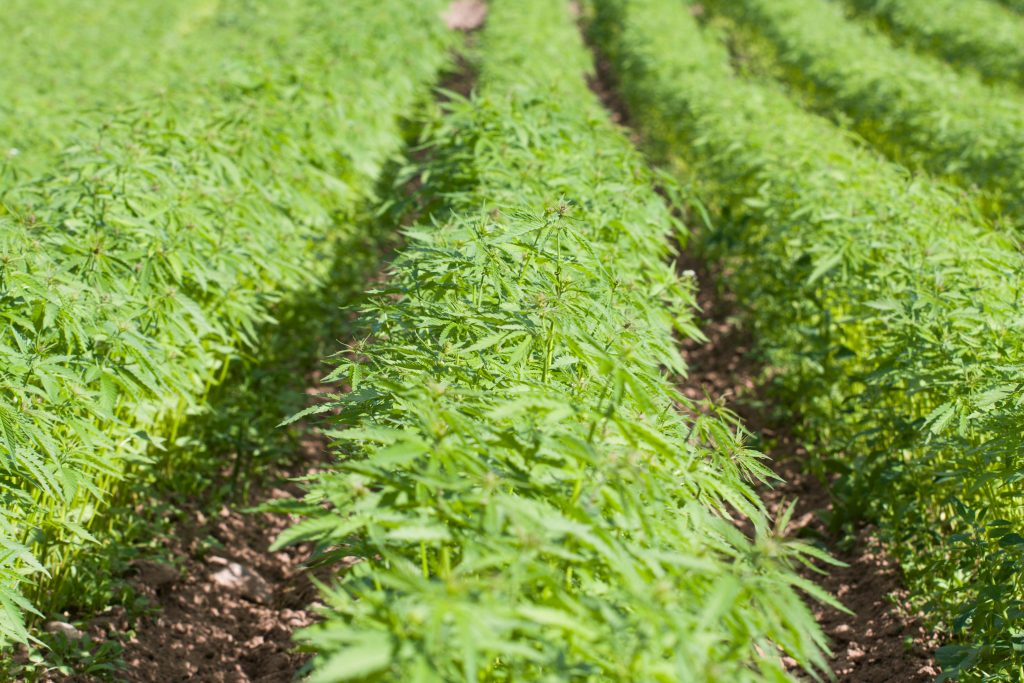
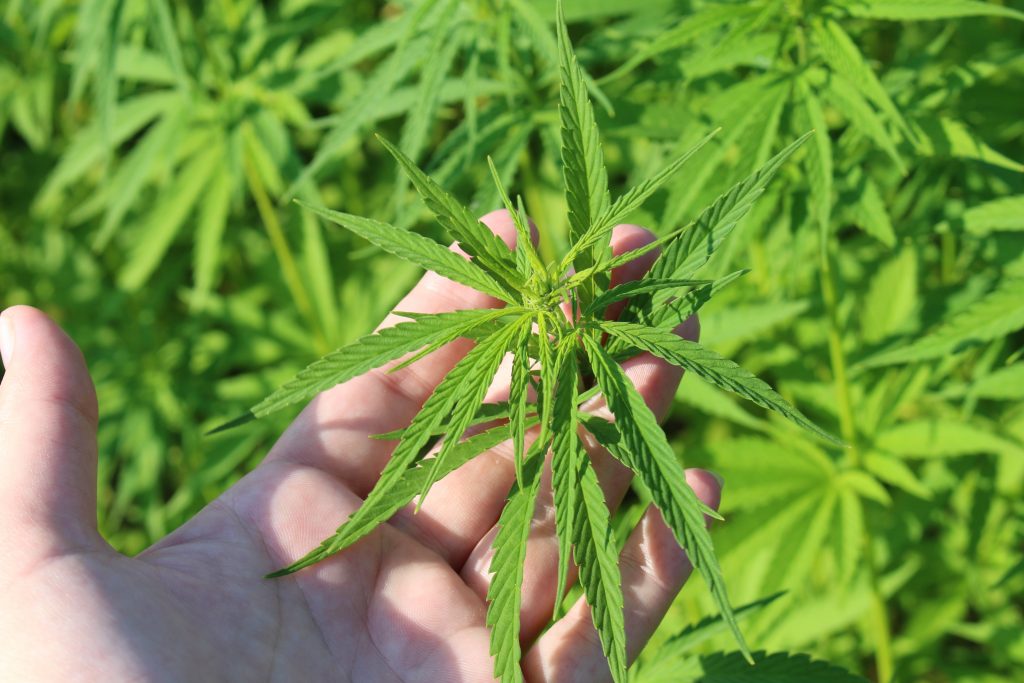
  • Hemp Production Final Rule in Effect

    industrial hemp

    The final rule for hemp production went into effect Monday, March 22. The U.S. Department of Agriculture announced the final rule, which includes modifications to regulations established under the interim final rule published in October 2019.

    Key provisions of the final rule include licensing requirements; record-keeping requirements for maintaining information about the land where hemp is produced; procedures for testing the THC concentration levels for hemp; procedures for disposing of non-compliant plants; compliance provisions; and procedures for handling violations.

    Florida Agriculture Commissioner Nikki Fried offered the following statement: 

    “I appreciate the USDA’s implementation of important improvements to its hemp program regulations, and for hearing and addressing the majority of our concerns regarding certain provisions previously issued – providing both flexibility and certainty to our producers. Given the USDA’s responsiveness to our comments, Florida’s program will require only minimal changes to come in line with the federal program to the benefit of our industry. I applaud the Biden Administration for implementing these needed modifications without delay, helping this emerging industry continue to grow. I hope Congress has been listening just as closely to industry concerns and will swiftly take the legislative action needed to raise the arbitrary THC cap of 0.3% mandated by the 2018 Farm Bill – that continues to be the greatest impediment to growth for hemp farmers and those manufacturing hemp-derived products.”

    Key provisions of the final rule include:

    Negligent violation – producers must dispose of plants that exceed the acceptable hemp THC level. However, if the plant tests at or below the negligent threshold stated in the rule, producer will not have committed a negligent violation. The final rule raises the negligence threshold from .5 percent to 1 percent and limits the maximum number of negligent violations that a producer can receive in a growing season (calendar year) to one.

    Disposal and remediation of non-compliant plants – the final rule allows for alternative disposal methods for non-compliant plants that do not require using a DEA reverse distributor or law enforcement and expands the disposal and remediation measures available to producers. AMS will provide acceptable remediation techniques in a separate guidance document.

    Testing using DEA-registered laboratories – there are an insufficient number of DEA-registered laboratories to test all the anticipated hemp that will be produced in 2020 and possibly 2021. DEA has agreed to extend the enforcement flexibility allowing non-DEA registered labs to test hemp until Jan. 1, 2022 and is processing lab registration applications quickly to get more labs testing hemp DEA-registered.

    Timing of sample collection – the IFR stated a 15-day window to collect samples before harvest. The FR extends this requirement to 30 days before harvest.

    Sampling method – stakeholders requested that samples may be taken from a greater part of the plant or the entire plant. They also requested sampling from a smaller number of plants. The FR allow states and tribes to adopt a performance-based approach to sampling in their plans. The plan must be submitted to USDA for approval. It may take into consideration state seed certification programs, history of producer compliance and other factors determined by the State or Tribe.

    Extent of Tribal Regulatory Authority over the Territory of the Indian Tribe – the IFR did not specifically address whether a tribe with an approved USDA plan could exercise primary regulatory authority over the production of hemp across all its territory or only lands over which it has inherent jurisdiction. The final rule provides that a tribe may exercise jurisdiction and therefore regulatory authority over the production of hemp throughout its territory regardless of the extent of its inherent regulatory authority.

    More information about the provisions of the final rule is available on the Hemp Production web page on the Agricultural Marketing Service (AMS) website.

  • Interested in Calabaza? UF/IFAS Scientists Laying Groundwork for Chefs, Growers

    UF/IFAS photo shows a calabaza.

    By: Lourdes Rodriguez, 954-577-6363 office, 954-242-8439 mobile, rodriguezl@ufl.edu

    HOMESTEAD, Fla. – A specialty pumpkin traditionally used in Caribbean, South and Central American dishes, has caught the eye of University of Florida scientist Geoffrey Meru.

    Meru, a vegetable geneticist at the UF/IFAS Tropical Research and Education Center, is leading a multi-institutional project aimed at adding value to the calabaza commodity chain by eliminating barriers in seed and cropping systems, as well as laying a foundation for novel and lucrative products. The study will determine whether the calabaza provides the right combination of profit, wider consumer demand and usefulness for a variety of industries. Meru will look at the calabaza as the next pumpkin of choice for those who specialize in the brewing, food, agriculture, manufacturing and health industries.

    “The calabaza is a nutritional powerhouse that is easy to grow almost pest free, and an excellent crop you can use in rotation with others,” said Meru. “Because it is adapted to Florida’s tropical climate with minimal irrigation requirements, we want to take a closer look for its desirable qualities as a sustainable Florida crop.”

    With help from a two-year, nearly $400,000 U.S. Department of Agriculture grant, Meru will lead a team of UF/IFAS researchers in food science, human nutrition and community sciences.

    They will study the risks and benefits of crop production, predict the market interest for consumption of the calabaza’s flesh and other lucrative products, determine the nutritional value of this specialty pumpkin, and develop conventional and organic-cropping systems that suppress weeds and improve soil. They’ll also determine the best cultivars for the Florida, Georgia and Puerto Rico markets.

    The grant, in collaboration with the universities of Puerto Rico and Georgia, is aptly named “Specialty Pumpkin: Laying the Groundwork for an Emerging Crop and Lucrative Products.”

    For more information, see UF/IFAS News.

  • Alabama Peaches Progressing Following Recent Freeze

    Alabama peaches are progressing but there was some damage from a freeze in February, said Doug Chapman, Alabama Extension agent for Commercial Horticulture in North Alabama.

    Peach tree blooming in Georgia.

    “We’re in full bloom right now, maybe in central and south Alabama, a little post bloom. I doubt there’s any shucks split just yet in central Alabama,” Chapman said. “The freeze hurt us to some degree. We’re still going to have peaches. Some varieties are just going to be real light crop this year. Interestingly, we got hurt worse in central Alabama than we did in north Alabama.”

    Chapman made the comments during the Alabama Extension Commercial Horticulture Facebook Live Q&A event on Friday.

    “The damage that we got in February was actually damage to the buds. It was the dormant buds that got hurt worse than the buds that got swollen or maybe had a little pink showing,” Chapman said. “We’ll still have some peaches.”

    Peach producers are concerned about late-season freeze events that could impact this year’s peaches. Crops in both Georgia and Alabama received adequate chilling hours this winter to produce a crop.

  • New Normal? Vegetable, Fruit Sales Up Amid Pandemic

    Increased food consumption at home amid COVID-19 means potentially more sales of fresh fruits and vegetables for Alabama producers, says Wendiam Sawadgo, Alabama Extension economist.

    “There was about a 50% increase in consumption at home in (last) March compared to before the pandemic. That sort of tapered off a little bit. But it’s still much higher than it was before,” said Sawadgo during the Alabama Extension Commercial Horticulture Facebook Q&A session on Friday. “What that means for a lot of our fruit and vegetable producers is sales have gone up. Fruit sales have been up 7% compared to before the pandemic. Vegetable sales about 12%.

    Restaurants closing amid the onset of the pandemic meant a drastic increase in families eating at home. But as states continue opening up and vaccines are administered around the country, does that mean a return to the pre-COVID days? Not necessarily.

    “We have data from a company that’s been tracking what’s going on with grocery sales since last March. Now they have data from the first two months of the year. There’s the thought that maybe we’ll start to come back down to where we were before the pandemic,” Sawadgo said. “We’re still up 5% to 10% from where we were. The question moving forward, are we going to keep having these high sales for the next several months, which is what I think is most likely. I don’t think it’s quite as likely that consumer behavior is going to immediately return to how it was before March of 2020.

    “The next few months will be exciting to look at, especially as vaccine rollouts increase and more parts of the country get out more, to see if we can still have sustained vegetable sales.”

  • End in Sight? Florida Producers to Continue to Struggle Amid Rising Imports

    Florida producers will continue to struggle if the issue of Mexican imports is not addressed, says Zhengfei Guan, UF/IFAS Associate Professor in the Food and Resource Economics Department.

    United States of America and Mexico waving flag

    Farmers in the Sunshine State will always face an uphill battle if imports of such crops like tomatoes, bell peppers, strawberries and blueberries are allowed to continue.

    “They’re going to have a tough time if the Mexican imports issue is not addressed. Florida production of some major crops have been declining over the years. The imports have been increasing dramatically over the last two decades,” Guan said.

    “Tomatoes, for example, back in the year 2000, we had more production than the imports from Mexico. The production from Florida was 20% higher than the imports from Mexico. But over the last 20 years, things have changed dramatically, Now, the Mexican imports in the United States market are five times more than Florida production. That’s a dramatic shift of the market position.”

    Florida producers like Sam Accursio and Kim Jamerson have voiced their concerns about the impact that imports have had on their farming operations. Both have hinted at ending their farming careers. It’s not because their love for feeding the world has faded. But imports have made it unsustainable for American farmers to continue growing and producing food.   

    “Once (Mexico) got into the game, they caught up very fast. Basically, they started blueberry exports to the United States about 10 years ago, around 2009. In a period of 10 years, they increased exports to the United States by more than a 100-fold. That’s really, really dramatic,” Guan said.

    Click here for more information from UF regarding the rise of imports.

  • Best Laid Plans? Georgia Vegetable Producer Adjusting Following Winter Rains

    Sometimes a farmer’s best laid plans go awry. Just ask Georgia vegetable producer Ricky Powe.

    File photo shows fumigation being applied in a vegetable field.

    “I was going to have plastic laid and ready to go by Feb. 10 and be waiting on the plants. But with farming, the best laid plan isn’t always what it is,” said the Grady County grower.

    What stopped this Georgia vegetable producer? How about a deluge of rainfall throughout February? That delayed Powe and other South Georgia farmers from laying plastic in preparation for the upcoming season. Some growers have also had to make a judgement call on whether to fumigate or not.

    Why is Fumigation Important?

    Fumigation protects crops from nematodes and other pests and diseases. The gas can linger under ground longer and prevent the plants from being put in the ground on time if the soil is too wet when fumigation is applied.

    “Normally this time of year, 21 to 28 days is plenty. Normally, 21 days, it does what it’s supposed to do and gets out of there. But I’ve got some (plastic) that I’ve laid on Feb. 15, laid a little too wet and gas levels are still extremely high in those right now,” said Powe, who produces tomatoes, peppers, pickles, yellow squash, zucchini and half runner beans. “I chose (Tuesday) to lay a little bit and just have to leave the fumigant out just because the plants were ready. Here in Georgia, we’re on a very tight market window. Either we hit that market, or it’s gone.”

    Powe would rather hit the market with potentially reduced yields compared to hitting it with maximum yields but have no one to sell to.

    “It’s kind of a two-edge sword where you get cut on both sides. I guess the best way for me to say it is, if I had put gas out and make 3,000 boxes to the acre and it got here July 4, nobody’s going to be in the market for Georgia pepper on July 4. I made the decision to get 1,600, 1,800 boxes of pepper in the right time slot,” Powe said.