Blog

  • Blueberry Farmer: It Was Really Like Salt in the Wound

    Florida Producer Sounds Off on Lack of Category 1 Status in CFAP

    By Clint Thompson

    Blueberries were left out of Category 1 status in CFAP.

    While the blueberry industry was surprised as to how it was not eligible for Category 1 status in the Coronavirus Food Assistance Program (CFAP), one Florida grower remains equally as dumbfounded.

    “I was shocked when it came out. I was literally like, jaw on the ground, going how did we get left out of this deal?” said Ryan Atwood, who lives in Mount Dora, Florida and is one of the state’s blueberry leaders. “It wasn’t a great year for us. And then to get left out of Category 1, it was really like salt in the wound.”

    According to https://www.farmers.gov/cfap/specialty, eligible specialty crops in CFAP are broken down into three categories:

    1. Had crops that suffered a five percent-or-greater price decline between mid-January and mid-April as a result of the COVID-19 pandemic,
    2. Had produce shipped but subsequently spoiled due to loss of marketing channel, and
    3. Had shipments that did not leave the farm or mature crops that remained unharvested.

    Blueberries Not Included

    However, blueberry farmers were not included in Category 1 status, like many other specialty crop commodities, such as almonds, beans, broccoli and cabbage for example. Atwood insists that Category 1 is where most of the farmers were impacted when the coronavirus pandemic hit in mid-March.

    “For Florida blueberry growers, we got screwed man. We got left out of Category 1. What that was, they compared the average price of blueberry sales. But the problem is, the government, not knowing what they were doing, compared April 6 to the 10, to January 6 to the 10. Well, January 6 to 10 is the peak of the Chilean imports season. The whole United States is flooded with blueberries at that time. The Florida season, historically, we’re on the fringe edge of when North America starts. We’re in a good spot, usually,” Atwood said. “If you look at historically, we were off as much as 50% on the average price of our sales during a good part of our season. They blew it man, I don’t know how else to say it. We’re hoping that we get put back in it on Category 1.”

    Comment Period

    When the USDA issued CFAP on May 21, it allowed for a comment period. This could lead to amendments being made to the guidelines set forth for blueberry producers. That is what industry leaders are hoping for.

    Atwood farms 56 acres of blueberries, manages another 350 acres and is part-owner of the largest packing house in the Southeast United States. He said the market impact from the pandemic was where he suffered the most.

    “For me personally, I can’t speak for everyone in the industry, I picked all of my fruit, it was just that price was not good,” Atwood said. “It all stacked up in the coolers for 7 to 10 days until people started to figure out that life wasn’t ending, and they could go to work. By the time the world went back to normal, there was a surplus of everything out of there. Unfortunately, when that happens, that’s the only way to move that surplus from the marketer side of it, they just lower the price.”

    USDA is accepting applications through August 28, 2020. Learn more at farmers.gov/cfap.

  • Was Your Crop Not Eligible for the Coronavirus Food Assistance Program?

    United States Department of Agriculture

    town hall

    Was your crop not eligible for the Coronavirus Food Assistance Program (CFAP), or COVID-19? There is still a chance to try to get that crop on the list of eligible commodities. (Stephanie Ho and Latrice Hill, FSA Director of Outreach)

  • N.C. Peach Season Kicks off Summer Season

    Pictured are baskets of peaches.

    North Carolina Department of Agriculture and Consumer Services

    RALEIGH – The first day of summer may be right around the corner, but fresh North Carolina peaches are already available at farmers markets and roadside stands across the state. While not a bumper crop, local growers do expect to have plenty of peaches through Labor Day.

    “North Carolina grows more than two dozen varieties of peaches,” said Agriculture Commissioner Steve Troxler. “Growers are harvesting clingstone peaches now and will begin harvesting freestone varieties later this month. No matter which you prefer, peach lovers should be able to find plenty of peaches this summer.”

    Most of the peaches grown in North Carolina are sold directly to consumers at peach orchards, roadside stands and farmers markets. N.C. peaches are tree-ripened when harvested giving them a fresher and sweeter taste than store-bought peaches. While the majority of peaches are grown in the Sandhills, consumers can find peach orchards in about two-thirds of the state’s counties.

    This year, growers are taking special precautions in response to the COVID-19 outbreak. Roadside stands have required employees to wear protective gear such as masks and gloves. In addition, many growers have installed protective plastic shields at their registers to protect consumers.

    To find local peach orchards near you, go to  www.buyncpeaches.com.

  • Palm Beach County Vegetable Grower Named Florida Farmer of the Year

    Florida Farm Bureau Federation

    Gainesville, Fla. Florida Farm Bureau Federation has named Rick Roth of Palm Beach County as the 2020 Florida Farmer of the Year. A vegetable, herb, rice, sugarcane and sod producer, Roth is also a member of the Florida House of Representatives.

    ffbf

    This prestigious honor is awarded to a recipient by a panel of judges based upon success in agricultural production, the implementation of sound natural resource management practices and service to the larger community.

    Rep. Roth has been a farmer for 44 years and is the majority partner in a Belle Glade vegetable and herb packinghouse. His career began with an unexpected turn of events at his family’s homestead.  “While in college, I returned home to work at the farm for one semester and realized how much I loved it,” Roth said. “My father told me it was better that I had no experience, as he could teach me how to farm. I started farming full-time.”

    One of the main successes growers in the Everglades Agricultural Area have achieved in the past 20 years is the substantial reduction of nutrient loss from farm properties. “We take this very seriously by utilizing crop rotation, improved water control through culverts on all blocks and additional control structures to divide the farm into subsections that provide improved drainage for vegetables while maintaining water tables on sugarcane and sod,” Roth explained. “Higher water tables also reduce soil oxidation.”

    Florida Farm Bureau President John L. Hoblick said Roth has earned the award with his achievements on the farm and as a leader. “Rick Roth is an effective spokesman for his community, giving time and attention to multiple public issues of importance for Palm Beach County residents,” Hoblick said. “He has also been a strong advocate for farm families in the Legislature.”

    Roth served as Vice President of Florida Farm Bureau from 2000 to 2010. He has been named as one of Florida Farm Bureau’s Champions for Agriculture during the 2020 legislative session. He will be introduced as the 2020 Florida Farmer of the Year during the Florida Farm Bureau Annual Meeting in October.  

    As the Sunshine State’s honoree, Roth is now in friendly competition against nine other state award recipients for the Swisher Sweets/Sunbelt Expo Southeastern Farmer of the Year Award in October. The regional award winner will be introduced during an Oct. 20 luncheon at the Sunbelt Ag Expo in Moultrie, Ga.  

    Florida Farm Bureau, the state’s largest general agricultural organization, represents more than 137,000 member-families. We serve to enhance farm enterprise and improve rural communities.

  • Farmers Need CFAP Funds as Quickly as Possible

    By Clint Thompson

    Perdue

    U.S. Secretary of Ag Sonny Perdue understands the quick turnaround needed for farmers looking to benefit from the Coronavirus Food Assistance Program (CFAP). Especially for those producers in Florida. Some are already thinking about next season and need CFAP funds in place to proceed accordingly.

    “Cash flow’s critical. When this food service industry stopped, it just stopped. It put a real dent in a lot of people’s revenue stream. They had produce packed and ready to go. Orders were cancelled. It was a problem,” Perdue said. “But again, I think (CFAP) will help. It’s very important that people come on in and apply so we can get the money to them as quickly as possible.”

    CFAP payments are already being issued. The USDA Farm Service Agency (FSA) began taking applications May 26. The agency has received over 86,000 applications for this important relief program.

    According to farmers.gov, FSA will accept applications through August 28, 2020. Through CFAP, USDA is making available $16 billion in financial assistance to producers of agricultural commodities who have suffered a 5%-or-greater price decline due to COVID-19 and face additional significant marketing costs as a result of lower demand, surplus production, and disruptions to shipping patterns and the orderly marketing of commodities.

    In a previous VSCNews story, Florida farmer Paul Allen talked about leaving 2 million pounds of green beans and about 5 million pounds of cabbage int he field. All because of limited marketing opportunities. The coronavirus also impacted commodity markets, as Florida blueberry farmer Ryan Atwood attests.

  • Florida Orange Production and Latest U.S. Estimates

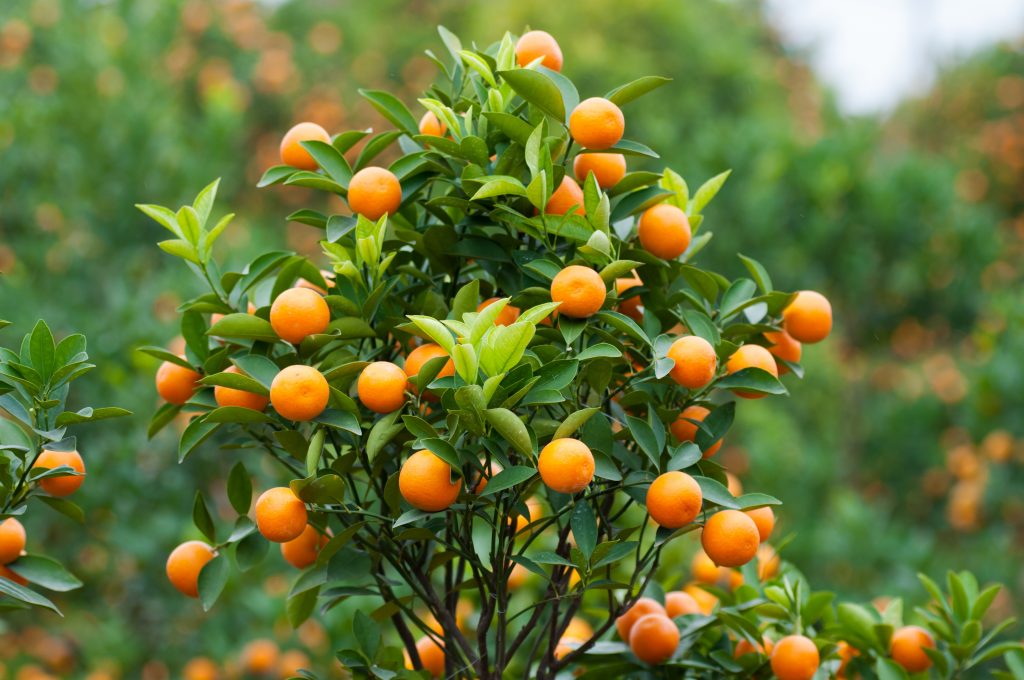
    Pictured are satsuma oranges.

    The nation’s orange production season is winding down and Florida’s production is almost finished. Thursday, the U.S. Department of Agriculture’s National Agricultural Statistics Service (NASS) issued its June forecast, which showed a decrease in the Florida citrus crop. Rod Bain has a story looking at the production estimates for the crop nearing the final totals for the marketing year.

    Click here to get more numbers form the latest citrus crop forecast.

  • UGA, Georgia Department of Agriculture to Offer Digital Marketing Webinar for Agribusinesses

    With limited to no in-person contact with customers during the COVID-19 pandemic, for many growers, expanding online capabilities is crucial to business continuity. Join Georgia Grown and UGA Extension on June 17 for an e-commerce workshop featuring experts from the UGA Small Business Development Center.

    By Kelly Simmons for UGA CAES News

    The University of Georgia is partnering with the Georgia Department of Agriculture to present a free digital marketing webinar for agribusiness owners looking for alternate ways to sell their products.

    The webinar will be held on Wednesday June 17 at 10 a.m. by the UGA Small Business Development Center (SBDC), the Department of Agriculture’s Georgia Grown division and UGA Cooperative Extension.

    Agriculture-related businesses from across the state have had trouble getting their fresh produce, meat and seafood to market during the COVID-19 pandemic.

    The webinar will introduce participants to e-commerce, best practices for social and email marketing, and suggestions for packaging products for shipping.

    “We’ll provide good takeaways on ways to market their business online,” said Bill Boone, SBDC entrepreneur outreach specialist. “If they need additional help or resources to implement the techniques covered in the class, the SBDC is available to assist.”

    Additional webinars may be scheduled as needed, he said.

    Georgia Grown helps agribusiness thrive by bringing producers, processors, suppliers, distributors, retailers and agritourism together to increase their exposure to customers suppliers and partners through an online searchable database. Find out more at georgiagrown.com/find-georgia-grown.

    UGA Extension assists producers and consumers with information and resources through its network of county agents and specialists throughout the state. Visit the Extension website for more information at extension.uga.edu or call 1-800-ASK-UGA1.

    Registration for the webinar is required and available at georgiasbdc.org/marketing-georgia-grown-ecommerce.

  • Are Tiny Bugs Hiding Inside Your Strawberries?

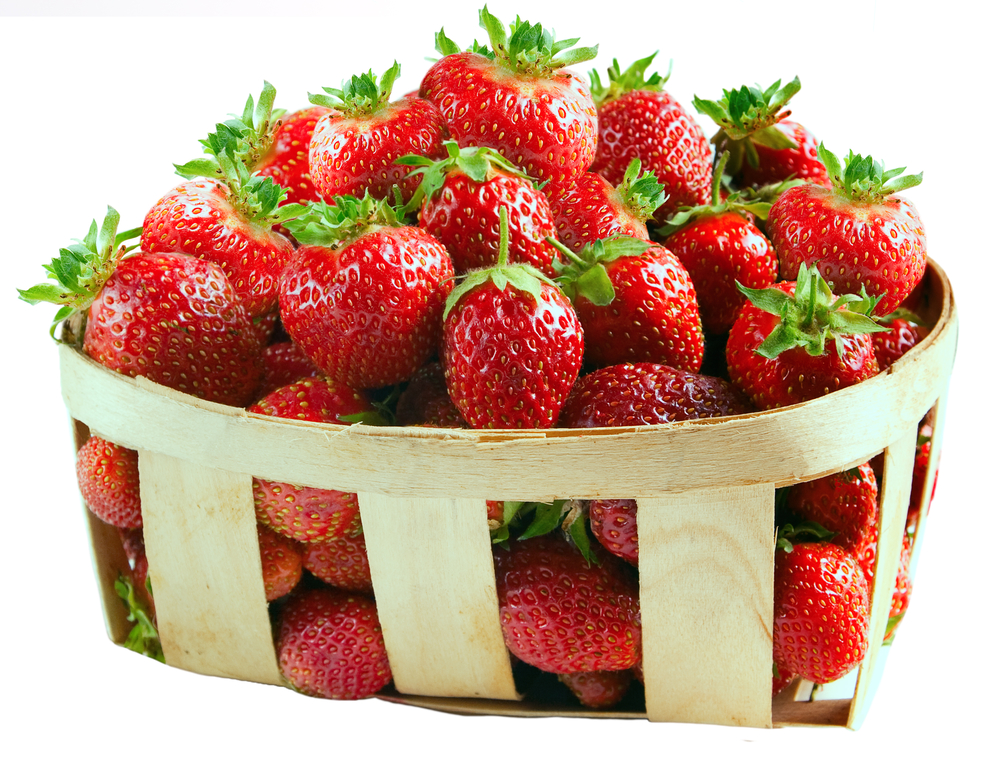
    Basket with fresh strawberries isolated on white background.

    By Ashley Robinson

    A few weeks ago, a viral TikTok video took the internet by storm, showing what appeared to be little worm-like bugs crawling out of fresh strawberries soaked in salt water. Since that video surfaced, many consumers have recreated the video showing similar results. Now, some consumers are panicking. Is this safe? Have we unknowingly been enjoying bugs in our strawberries? Should we stop eating strawberries all together?

    Should You Be Concerned?

    The short answer is no. To put it simply, this can happen. However, it is very unlikely.

    But here’s the million dollar question, what is really happening in the viral TikTok phenomenon?

    According to Hannah Burrack, an entomologist at North Carolina State University, the consumer was actually performing a technique that growers use to test for spotted wing drosophila (SWD), an invasive small fruit fly.

    “A consumer posted a video of what is actually a recommended test for growers to determine whether or not they have possible concern with SWD infestation. This consumer did this with fruit she bought from the grocery store and she observed small larvae coming out of the fruit,” Burrack says. 

    Burrack assures consumers that their fruit are safe to eat.

    “It’s possible that consumers find small larvae emerging from their fruit when soaked in salt water. But it’s pretty unlikely given that all of our farmers are aware of the potential issues associated with SWD, they are actively managing them and they are sampling their fruit before they sell to consumers or wholesalers,” Burrack said.

    If growers are monitoring for SWD, then why are consumers seeing larvae emerging from their fruit after being soaked in salt water?

    Drosophila larvae look alike. But since growers and wholesalers inspect for SWD regularly and do their best to keep SWD out of our food supply, the larvae that consumers are seeing are most likely fruit flies that could have been buzzing around the grocery store or inside the consumer’s home.

    “It’s very likely that the larvae they are seeing originated post-harvest, after the fruit left the farm, especially if they are tiny larvae.” Burrack says. “There are a whole bunch of drosophila flies that are naturally occurring in the US that can attack the fruit once it’s been harvested, unlike SWD which is invasive.” 

    Is it Harmful To Eat These Bugs?

    No. The idea of eating bugs may be unappealing, but if you’ve ever eaten fruit before you’ve more than likely eaten a bug at some point.

    In addition, experts don’t recommend soaking your fruit in salt water. A regular rinse will do just fine.

    Burrack also mentions that you should keep your berries in the fridge. Refrigerating your berries will allow them to last longer and will keep the berries protected from the fruit flies that are buzzing around your counter.

  • Rapid and Sensitive Method for Detection of Phytophthora Capsici in Irrigation Water Sources

    Emran Ali, Owen Hudson, Justin Hand, and Sumyya Waliullah

    Georgia ranks among the top three states in the nation in vegetable production. One of the most serious diseases in vegetable production in Georgia is Phytophthora blight, caused by the oomycete pathogen Phytophthora capsici. It is a water mold that attacks the roots, foliage, and fruit, causing root rot, crown rot, leaf lesions, fruit rot, and plant wilt (Fig.1). The disease affects peppers, squash, watermelon, cucumber, cantaloupe, and other vegetable crops.

    Fig. 1 Example of watermelon fruit rot caused by Phytophthora capsici (Photo credit: Dr. Pingsheng Ji)

    The continuous rainfall in Georgia makes Phytophthora blight a widespread problem on vegetables. Because this pathogen produces spores (sporangia and zoospores) on the surface of diseased plant tissues, the spores can be easily washed out by splashing rain and can contaminate nearby irrigation sources like irrigation ponds or lakes.

    Previous studies indicated that this pathogen can survive in irrigation water that may serve as an inoculum source. Due to a lack of efficient diagnosis systems, the production of vegetables is severely impacted by contaminated irrigation water. 

    Detection of P. capsici in irrigation water is difficult using traditional culture-based methods because of other microorganisms present in the environment, such as Pythium spp., which usually overgrow on culture media making P. capsici undetectable. To detect the presence of P. capsici spores in water sources (irrigation ponds, runoff, etc.), we developed a hand pump-based filter paper (8-10 µm) method that captured zoospores and was used to amplify DNA of the pathogen through a novel loop-mediated isothermal amplification (LAMP) assay designed for specific amplification of P. capsici (Fig. 2).

    This method amplified and detected DNA from a concentration as low as 1.2 x zoospores/ml, which was 40 times more sensitive than conventional PCR. No cross-amplification was obtained when closely related species were tested.

    Fig. 2: Pictures showing the sampling and processing of recycled water for the detection of Phytophthora capsici in the field.

    To validate our detection protocol, water samples from the field where P. capsici was suspected to be present was taken to test the designed method with a practical scenario. Out of the seven farms tested, three were positive for the presence of P. capsici using our hand pump filter paper-based LAMP assay. Only one farm was positive when using the conventional PCR assay (Table 1), showing LAMP to be a more sensitive assay for this method of testing irrigation water.

    Table 1. Detection of irrigation water from Southern GA

    Pond nameCounty, StateTarget cropsFilter paper-based LAMP detectionPCR DetectionHistory of Disease (Y/N)
    P1Tift, GAVegetables+­-N
    P2Tift, GAVegetablesN
    P3Tift, GAVegetablesN
    P4Tift, GAVegetables++N
    P5Tift, GAVegetablesN
    P6Tift, GAVegetables+N
    P7Tift, GAVegetablesN

    This improved detection method will enable researchers and extension agents to directly utilize the protocol described here to detect P. capsici. spores from a water source in less than two hours. We hope that this will lead to an increase in awareness of using pond water as an irrigation source which will eventually improve disease management of P. capsici, reduce production cost and increase crop yield. This protocol could be adapted to other pathogens that reside, accumulate, or are dispersed in contaminated irrigation systems.

    Moving forward, growers should have their irrigation sources like ponds tested for the presence of P. capsici. The Plant Molecular Diagnostic Laboratory, a lab service of the University of Georgia Department of Plant Pathology, is now providing P. capsici testing support for vegetable growers in Georgia. The clinic can accept water samples (generally 2 L water samples per site) to test for the presence of P. capsici. The tests currently available, their pricing, a submission form, and submission information are available at the MDL web page at https://site.caes.uga.edu/alimdl/

    https://site.caes.uga.edu/alimdl/files/2018/08/Submission-form-MDL-latest-7-5-18.pdf

    Samples can be shipped to the following address.

    Plant Molecular Diagnostic Lab

    Department of Plant Pathology

    Tifton, CAES Campus

    Plant Science Building

    115 Coastal Way

    Tifton, GA 31794

    The contact information for questions, etc. from Dr. Ali are as follows:

    229-386-7230

    229-386-7285

    emran.ali@uga.edu

    alimdl@a.edu

    Again, we would highly encourage you to take advantage of this service.  If you have questions or need help, please contact your local county extension agent for additional information.  It would be good to communicate with the lab so that they can expect the samples on the day of arrival.

  • Recent Rains Could Lead to Spike in Pecan Scab Disease

    Pecan scab disease has been light this year but could change with the recent rains.

    By Clint Thompson

    Scab disease of pecans has been light so far this year. But could soon change with the recent rain events in the Southeast, says Lenny Wells, University of Georgia Cooperative Extension pecan specialist.

    “Scab so far has been light, but we’ve had some pretty scabby weather the last week or so. We’ll see, but I think everybody has been staying on top of it pretty well,” Wells said.

    The rainy weather as a result of Tropical Storm Cristobal this week could be a big reason scab disease incidences begin to spike. Wells said it usually takes a couple of weeks before growers start seeing scab as a result of excess rainfall.

    “If people were set to spray this week and it’s been raining like it is and they can’t get out there to spray everything like they need to because of the weather, then there may be some that get caught. (But) things are looking pretty good, and everybody’s staying on a good schedule,” Wells said.

    What Is Scab?

    Scab is a fungal disease that infects the leaves or nuts of pecan trees. If it hits the nut early enough, scab can cause the pecan to blacken and fall from the tree. Some growers spray between 10 and 12 times during an average year to fight scab, Wells said. Scab thrives on trees that have received moisture. That is why a quick rain event is important and not prolonged rainy weather of several days in a row.

    One reason Wells is optimistic this year is the new fungicide that is now in growers’ arsenal.

    “We’ve got a new fungicide we’ve got in the mix this year that I think is going to be a big help. A part of it is a chemistry that has two different classes of chemistry in it, and part of it is something we haven’t had before in pecans or been used before. Based on Tim Brenneman’s work it looks like it’ll be a big help for us,” Wells said.

    For other pecan-related stories, see pecan crop offers hope.