
It’s not too late to buy your loved one a Christmas gift this year.
Dennis Patton, Kansas State University Extension garden expert, suggests a garden tool organizer might be a good last-minute gift for the gardener on your list.
Source: USDA
It’s not too late to buy your loved one a Christmas gift this year.
Dennis Patton, Kansas State University Extension garden expert, suggests a garden tool organizer might be a good last-minute gift for the gardener on your list.
Source: USDA

By Taylor Langford, Matt Krug and Michelle Danyluk
The Food Safety Modernization Act’s Produce Safety Rule (PSR) highlights the need to reduce risks associated with agricultural water (e.g., irrigation, fertigation, foliar sprays, frost protection, etc.) that will contact fresh produce. The PSR requires some growers to monitor the quality of their agricultural water by analyzing generic E. coli populations through sampling frequently enough to establish a microbial water-quality profile. This testing is applicable to growers who use agricultural water from surface or ground water sources that contacts the harvestable portion of produce covered by the PSR.
As of January 2020, the compliance dates for all operations covered under the PSR have passed, excluding the requirements on agricultural water. In March of 2019, the Food and Drug Administration (FDA) announced new compliance dates for agricultural water. Compliance is currently scheduled to begin in January of 2022, 2023 and 2024 for large, small and very small farms, respectively.
The delay in compliance for water was based on feedback from the industry that the written standards are too complex to implement. In response, FDA is currently exploring alternatives to simplify microbial quality and testing standards while still protecting public health.
However, not long after FDA’s announcement to delay compliance dates and review requirements, a multistate outbreak of E. coli O157:H7 involving romaine lettuce was announced by the FDA and Centers for Disease Control and Prevention. This outbreak came on the heels of two other outbreaks related to romaine in April and November of 2018.
An executive summary published by the FDA on May 21, 2020, announced the findings of the outbreak investigation. The findings pointed toward contamination of surface water used for irrigation combined with close proximity to cattle feeding operations and unusual weather events (frost and wind) as the most likely culprits.
The investigation also revealed that the surface water implicated in the outbreak was tested by growers and met the water quality criteria in the PSR. This has added another layer of complexity to the process of identifying suitable strategies and realistic expectations for ensuring the safety of water used during crop production.
The revelations that the agricultural water provisions of the PSR were being delayed and that there was a produce outbreak related to pre-harvest water that met the current PSR requirements resulted in various efforts to identify appropriate risk reduction strategies. In response, FDA developed the Leafy Greens STEC (Shiga toxin-producing E. coli) Action Plan that included public and private stakeholders. The plan is designed to expedite actions to prevent future outbreaks associated with leafy greens.
One of the goals of the 2020 Leafy Greens STEC Action Plan is to “advance agricultural water safety.” Recognizing the diversity among agricultural production systems, the plan is focused on identifying standards that are workable across a variety of farms, water sources and uses. One of the actions identified by the plan is to advance a proposed rule for agricultural water for covered produce other than sprouts.
Following the outbreaks involving romaine in 2018, the United Fresh Produce Association and the Produce Marketing Association developed a diverse Romaine Task Force that consisted of over 100 industry, academic and regulatory stakeholders. Some recommendations were developed specific to romaine, and others were broader recommendations. The task force recommended adoption of the new California/Arizona Leafy Greens Marketing Agreement (LGMA) water treatment metrics, which require surface water applied via overhead to leafy greens plants within 21 days of harvest to be treated.

California has recently approved the new LGMA water metrics, which included over 50 changes to strengthen food safety requirements in areas of farm water use and field/equipment sanitation. The new requirements for water are focused on ensuring the safety of water used in overhead crop sprays, enhancing water-monitoring requirements, and minimizing the risk of water applied with furrow irrigation from coming into contact with the edible portion of the crop. These newly adopted changes are in addition to the metric that was added last year.
As previously seen, food safety standards adopted by, or developed for, certain commodities or segments of the produce industry often shape broader market-driven and regulatory standards that apply across the board. It is still unknown how newly adopted standards and decisions made by agreements and task forces will shape FDA’s thinking on revisions to the PSR.
The Florida produce industry should remain engaged in the process to identify and adopt strategies that satisfy general concerns around use of agricultural water. Although the compliance dates of the PSR water-testing provisions have been delayed, growers who have not previously tested their agricultural water should consider implementing testing now to better understand the microbial quality of their water sources.
Produce Safety Rule inspections, conducted by the Florida Department of Agriculture and Consumer Services (FDACS), after a pause at the beginning of the COVID-19 pandemic, have resumed and are continuing throughout the state. Scheduling of inspections generally follow the patterns of produce production across the state. The initial round of inspections is intended to be educational in nature, but inspectors are obligated to take measures to protect public health if serious issues are observed.
To prepare for inspections, growers, harvesters and packers should, at a minimum, follow Good Agricultural Practices and attend a Produce Safety Alliance (PSA) grower training. The PSA grower trainings continue to be offered at the highly subsidized price of $25 through collaborations with the University of Florida Institute of Food and Agricultural Sciences (UF/IFAS) and FDACS. Due to the COVID-19 pandemic, PSA trainings are being offered remotely and capacity is limited. See crec.ifas.ufl.edu/extension/events/ for the list of upcoming PSA grower training events.
The On-Farm Readiness Review (OFRR) program is another way to help growers prepare for a PSR inspection. The OFRR is a personalized site visit in which UF/IFAS and FDACS representatives can address questions about practices or conditions at a specific farm or packinghouse, including discussions related to agricultural water use. There is no cost associated with an OFRR. Sign up at fdacs.gov/FSMA for an OFRR.
According to the Alabama Farmers Federation website, the Alabama Farmers Agriculture Foundation (AFAF) is accepting applications through Jan. 15 from farmers who suffered losses related to Hurricane Zeta.

The Hurricane Relief Fund was established in response to calls from farmers and businesses who wanted to help their neighbors. It was utilized earlier this year for Hurricane Sally after it made landfall on Sept. 16.
Applications are now being extended to victims of a second major storm.
The relief fund is designed to help offset farmer losses not covered by a farmowner policy, crop insurance or disaster relief programs. An independent committee will evaluate the applications based on need and award grants in February.
Hurricane Zeta struck near harvest time, devastating cotton and other crops. It also uprooted trees on a swath from southwest Alabama to the northeast part of the state. Farmers are still clearing debris and rebuilding fences damaged by the storm.
The application for Hurricane Zeta assistance and a link for contributions to the fund are available at AlabamaFarmersFoundation.org.
Hurricane Zeta made landfall in Louisiana as a strong Category 2 storm on Oct. 28 and maintained tropical storm winds as it raced across Alabama.

Tallahassee, Fla. – Late last night, Congressional leaders agreed upon a $900 billion coronavirus relief bill. As the COVID-19 pandemic continues setting new case records, the bill will provide some direct assistance to families and additional funding for food production and distribution, among other priorities.
On the bill, Florida Agriculture Commissioner Nikki Fried offered the following statement:
“For more than nine months, COVID-19 has upended the lives of Florida’s families, consumers, farmers, and ranchers. State agriculture departments like ours have worked hard to support our citizens through these difficulties, but it’s critical that Congress step up during these unprecedented challenges.
With our growers facing more than half a billion dollars in losses from the pandemic, these payments will help Florida’s agriculture industry continue producing the nation’s food – especially during the winter when our seasonal growers feed 150 million Americans. With unemployment reaching record heights and nearly 1 in 5 Floridians facing food insecurity, ensuring food distribution to those in need, helping families afford food, and supporting child nutrition in schools are essential priorities.
While Congress should pass this bill, this bipartisan legislation isn’t perfect – and it does far too little for struggling families. With Florida the second-worst state for paying unemployment benefits, our citizens need a stronger lifeline during this devastating, hundred-year pandemic. And while corporations make out like bandits with federal aid, we must ensure that our small farmers, small businesses and gig economy workers get the help they deserve.”
The legislation includes estimated funding for the following agricultural and nutrition assistance priorities:
Farmers & Rancher Payments: $5 billion for supplemental payments to row crop producers; up to $3 billion for supplemental payments to eligible cattle, livestock, poultry, and dairy producers; and $225 million for supplemental payments to eligible specialty crop producers;
Other Agriculture Assistance: $100 million for Specialty Crop Block Grants to support seasonal growers; $100 million for the Local Agriculture Market Program to help producers, farmers markets, and food businesses adapt to supply chain issues; $75 million for the Farming Opportunities Training Outreach program to assist minority, tribal, veteran, and beginning farmers; and $28 million for state block grants to support farmer and rancher mental health initiatives
Food Banks & Donations: Overall $1.5 billion for food purchases for distribution to those in need, including $400 million for food banks through The Emergency Food Assistance Program (TEFAP); $400 million for a Dairy Product Donation Program; $175 million for nutrition services for seniors; and $13 million for the Commodity Supplemental Food Program
Help for Hungry Americans: 15% increase in SNAP benefits for six months; $75 million for SNAP participant fruit and vegetable incentives; provide college students access to SNAP; funding for additional online SNAP retailers and state SNAP expenses; expanding child eligibility for Pandemic-EBT; and emergency funding for meal programs in schools and daycares impacted by COVID-19
Background: The Florida Department of Agriculture and Consumer Services oversees several nutrition programs in Florida, including the state’s $1.3 billion school lunch program, The Emergency Food Assistance Program for low-income families, and the Summer BreakSpot program that has served 74 million meals to Florida children since March. Commissioner Fried has made nutrition assistance a priority, including requesting the Governor use CARES Act money to support schools that have lost over $260 million in nutrition funding this year. With Florida farmers and ranchers suffering pandemic-related economic losses, FDACS undertook numerous efforts to support the state’s agriculture industry despite federal payments Commissioner Fried criticized as coming too slowly; these included a new online portal connecting farmers and consumers, and emergency orders to help keep eggs and other crops continue reaching consumers amid shortages. Numerous Members of Congress have been critical that that direct aid to families in the proposed relief bill is not enough given continued unemployment and economic difficulties.
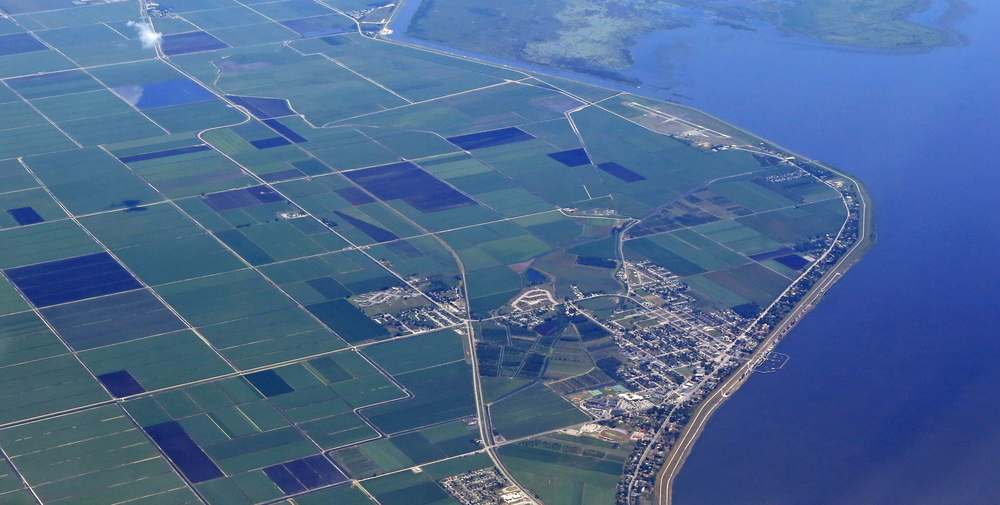
(NSF) — Gov. Ron DeSantis backed a controversial reservoir being built in the Everglades while announcing the state will use a pool of environmental money to help Miami-Dade County protect Biscayne Bay from continued degradation.
DeSantis said his office will continue to support the $1.6 billion Everglades Agricultural Area reservoir, which was approved by the Legislature in 2017 but has recently been questioned by new Senate President Wilton Simpson, R-Trilby. DeSantis addressed the issue as he outlined plans to provide a $10 million match for local efforts to restore Biscayne Bay.
“The EAA reservoir remains a top environmental priority for my administration, and we look forward to pressing ahead as quickly as possible,” DeSantis said while at Bill Baggs Cape Florida State Park in Key Biscayne.
Simpson, during a Florida Chamber of Commerce event on Dec. 8, described the man-made lagoon — intended to redirect water south from Lake Okeechobee — as a “mistake.”
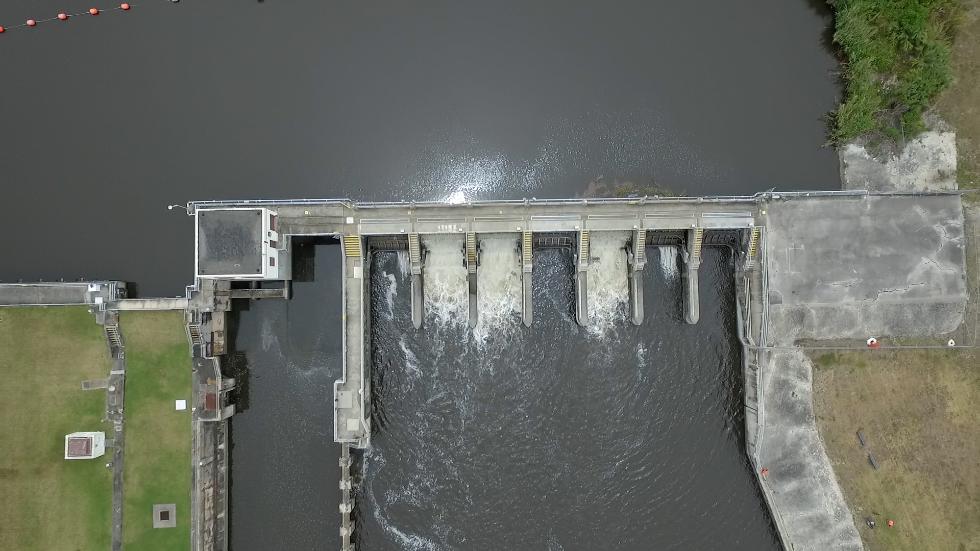
Simpson, who became president last month, added that as lawmakers face a $3 billion to $4 billion shortfall in the next budget, the state “probably should stop building” the reservoir.
The 2017 law provides $64 million a year for the reservoir, requiring it to be built on state-owned land rather than private farmland in the Everglades Agricultural Area. The law also allows Florida to boost funding for the work by issuing up to $800 million in bonds.
The state anticipates half the funding for the work to come from the federal government.

Simpson said the state’s approach to improving water quality in South Florida should be through deep injection wells on the north side of Lake Okeechobee, where more water enters the lake.
Simpson’s comments have drawn blowback from several Treasure Coast lawmakers.
The reservoir was pushed by former Senate President Joe Negron, R-Stuart, because water discharged from the lake into waterways to the west and east was causing algae problems.
DeSantis on Monday called the reservoir “one of the most important Everglades restoration projects in history.”
“The project provides significant ecological benefits, reduces harmful discharges to the St. Lucie and Caloosahatchee estuaries, and importantly sends more clean water south to the Florida Everglades,” DeSantis said.
DeSantis went to Biscayne Bay to highlight work that will be undertaken to protect the bay, with the state money matching funding by Miami-Dade County.
“In the coming weeks, the county and state will work collaboratively to identify worthwhile projects and pursue them without delay,” DeSantis said.
Money for the match is coming from $625 million in the current fiscal year budget for water projects and the Everglades.
Miami-Dade County Mayor Daniella Levine Cava, a Democrat, said the bay, vital to the region’s tourism, has been in a near collapse for years. That stems from nutrient pollution, in part due to a historic over-reliance on septic systems rather than sewers, and the region’s aging water system infrastructure.
“We’ve seen the impacts of this crisis firsthand, especially in recent months,” Levine Cava said. “Our seagrass meadows are in retreat. There are algae blooms that are plaguing the formerly crystal-clear waters, and the fish kills were literally bringing the crisis off our shores vividly to the surface, all too recently. And our beautiful coral reefs are in jeopardy as well.”
Miami-Dade County has already proposed six projects that will cost about $5 million. Among those projects will be converting some homes and businesses from septic tanks to sewer systems and helping scientists understand Stony Coral Tissue Loss Disease, which has affected the region’s coral reef system.
Source: Jim Turner, News Service of Florida
The University of Georgia wants feedback from producers impacted by COVID-19. Growers have until Dec. 23 to fill out a survey that will help industry leaders gauge the impact the pandemic has had on Georgia’s agricultural sector.
The survey covers various facets of farming operations that have been altered since the pandemic began in mid-March. This includes commodity prices, disposal or loss of products on the farm, lack of markets, access to working capital, farm labor and international trade.

Mark McCann, assistant dean for UGA Extension, said an earlier survey was conducted in May after the initial outbreak.
Another one is needed so experts can grasp the total impact the pandemic has had on the state’s No. 1 industry.
“As we’re looking to close the calendar year for 2020, thank goodness, we’d like to look at it from a longer perspective than we did the first survey. A couple of other key things that have happened since the first survey when we inquired of farmers is that the COVID Food Assistance Program (CFAP) 1 and 2 have both come out from FSA (Farm Service Agency),” McCann said. “That’s one of the questions we’ve asked producers in the survey is which federal assistance have they participated in. That was one of the things that got a lot of people’s attention in the first survey is most farmers had not really participated in many programs.
“I’m really very curious to see how many have taken advantage of the CFAP programs.”
The Georgia Foundation for Agriculture, Georgia Farm Bureau, Georgia Department of Agriculture and UGA Center for Agribusiness and Economic Development are jointly sponsoring the survey. Organizers will use the data to document the needs of the agriculture industry and share the summary at the UGA College of Agricultural and Environmental Sciences’ 2021 Georgia Ag Forecast, which will be held online Friday, Jan. 29.

“Good science takes time.”
That is the message Jerry Frankhauser is preaching. The assistant director of the Florida Agricultural Experiment Station who oversees the University of Florida hemp research program stresses that like other projects at other universities, the UF/IFAS Industrial Hemp Pilot Project will take between 3 and 5 years before they have a handle on how hemp will grow throughout the state.
“Our UF-IFAS Pilot Project is actively working to get this information out on the street as soon as possible,” Frankhauser said.
There is a lack of scientific data to provide to farmers interested in producing hemp, since the crop is still in its infancy stage of being produced in the Southeast region.
The USDA approved Florida’s state hemp program this past year as growers started submitted applications to produce hemp on April 27. But UF advises interested producers that since hemp has not been available to grow for decades, there is a lack of research information available. Farmers need to proceed with caution.
“We like other states, whether it is the University of Georgia or University of Kentucky are actively trying to play catch up scientifically to better understand how hemp grows and develops,” Frankhauser said. “For us it’s very important because we have a sub-tropical environment with shorter day lengths. There’s some unique challenges to research and to grow hemp in the state of Florida.”
He has already deduced that while hemp can grow in Florida, not all hemp varieties are adaptable to Florida’s climate.
“Most hemp varieties are daylength sensitive. Our daylight here in the Sunshine State is less than in the northern states during the summertime. This was one of the reasons that our team lead, Dr. Zach Brim from our UF/IFAS Tropic and Education Center, he sought out diverse hemp genetics from all around the world. This included varieties bred for grain, fiber and of course, what people know as high cannabinoid type varieties like CBD or CBG,” Frankhauser said.
“Another challenge and objective from our initial pilot project was to better understand how to grow grain, fiber and high cannabinoid type hemp. We’re looking at the management systems for these types of hemp and the importance of the data planting or transplanting into the field; looking at fertilization, irrigation, the use of other inputs and efforts in order for our stakeholders, our growers to produce a profitable crop. That’s indeed a challenge. We’re still learning on the go. Of course, we’re still working with our growers now who can get commercial licenses to grow industrial hemp.”

It is likely the coronavirus pandemic will be a threat for most of the country next year, even as vaccines have begun to be administered. Vegetable and specialty crop producers are encouraged to be prepared when planning for next season’s harvest, specifically for how to keep their H-2A workers healthy.
Allison Crittenden, Director of Congressional Relations at the American Farm Bureau Federation, says the time is now to make those preparations.
“I think now that employers and farmers realize what steps they need to be taking to provide a safe workplace that hopefully mitigates the spread of the COVID. It’s the last thing anybody wants is an outbreak on their operation. I think if I were a grower going into my next season I would certainly be trying to stock up on masks and sanitizer; taking this time in the offseason to come up with a plan,” Crittenden said.
Farmers at least now know what to expect. It is a much different feeling than last spring when producers had to adjust on the go to keep their workforce healthy.
“I think when we all first heard about the pandemic, we thought this might be a short-term thing, but I think what we’ve learned is that it’s very long-term and likely will have long-term impacts on how businesses operate moving forward,” Crittenden said.
“I think I would take this time to learn from last season and the quick adaptations that growers had to put in place and use this time to plan accordingly, knowing that we’re still not out of the woods.”

The University of Florida (UF) and Rutgers University are teaming up to find out what food-safety issues are the biggest concerns across the produce industry. Members of the produce industry are invited to participate in an anonymous online survey that will take approximately 10 minutes to complete.
UF Institute of Food and Agricultural Sciences researcher Michelle Danyluk said the survey is part of research funded by the U.S. Department of Agriculture’s Specialty Crop Research Initiative. “We want to make sure the things we spend our time researching are things that are … really meaningful for industry, things that can help bring clarity or find solutions to their biggest concerns,” Danyluk said.
“To date there are no documented outbreaks of foodborne disease related to fresh citrus, and most fresh market citrus growers and packers do a good job with their food-safety programs,” Danyluk said. “But food safety is still something that requires constant attention, and no one knows better than the industry what the issues are. This survey is really designed to find out what the industry’s top concerns are. What food-safety issues keep you up at night?”
The survey, which should be completed by the end of December, is available here.
Those taking the survey will be asked to rank their top five risk-management areas that need improvement in the produce industry. The survey will provide research data that will be used to guide future industry surveys and resource development specific to food safety.
The first survey question, the informed consent, must be answered “yes” in order to proceed through the survey. The informed consent provides more details about the nature of the survey, the handling of any information collected, and contact information. Anyone involved in the produce industry who is at least 18 years of age may take the survey.

A new University of Florida (UF) smartphone app will provide immediate help to the state’s blueberry producers who are gearing up for the upcoming season.
It is the first phase of a two-part project that Patricio Munoz, the UF/IFAS blueberry breeder and an assistant professor of horticultural sciences, tackled in hopes of consolidating chunks of information into one place that is easily accessible.

“We wanted to release it right away because the season is coming. We’ve been telling the growers we’re going to release this and we decided to release it by phase. The phase one is just this and the second phase is going to be the cultivars. At least they’re going to have something to help them as quick as possible,” Munoz said.
He said the app tailored towards blueberry cultivars will be released later.
The UF/IFAS Blueberry Growers Guide phone app was released on Dec. 1. Growers can access information vital to blueberry production every year, specifically disease and insect management.
“The university, my colleagues have done a very good job generating this information. It’s just that nobody has put it together the way that we did it right now. We didn’t put the content together, we just organized it,” Munoz said. “We did work a little bit in the content, too, of course but most of it was done by colleagues in entomology, plant pathology and production.”
According to a UF press release, blueberries are a $60 million-per-year crop in Florida. Munoz estimated there between 5,200 and 5,400 acres with between 60 and 80 producers in the state.
A key advantage that smartphone apps provide producers is they do not have to carry a bulky growers guide into the field anymore. All the information they need is on their smartphones.
“That’s the assumption is that every grower has a smartphone nowadays. That’s why we put it together for both android and also iPhone. It should work in both systems,” Munoz said.
“Everybody has either one of them. It will make life a lot easier for a lot of people. Then if you’re in a place that doesn’t have a good signal you can download the whole thing and use offline as well.”