Blog

  • UF/IFAS Scientists Help National Team Breed Better Pomegranates

    UF photo shows pomegranates growing.

    By: Brad Buck, bradbuck@ufl.edu

    BALM, Fla. — You can enjoy pomegranates in myriad ways. You can toss them in salads, sprinkle their seeds on yogurt or oatmeal or add them to smoothies. When you consume pomegranates, you’ll savor their sweet and sour flavor. You may be drawn not only to their taste, but perhaps to their nutritional value. They contain antioxidants that help boost your heath.

    How special is this fruit? One of the most popular varieties is literally called ‘Wonderful.’ Scientists nationwide, including researchers at the University of Florida, soon will try to improve the ‘Wonderful’ pomegranate and other varieties of the fruit. In Florida, research will start as soon as scientists can return to their fields and labs.

    California farmers produce 90% of the nation’s pomegranates, but ‘Wonderful’ pomegranates come from cuttings in Florida. Some Florida farmers seeking alternative crops see pomegranates as among their options.

    Zhanao Deng, a professor of environmental horticulture at the UF/IFAS Gulf Coast Research and Education Center (GCREC), will soon collaborate with researchers nationwide to breed more disease- and pest-resistant pomegranates.

    “For Florida pomegranate growers to be successful and sustainable, we need new varieties that are better adapted to our climate and more resistant to diseases commonly found in Florida,” Deng said.

    To find these new varieties, Deng tests about 2,000 plants from sets of parent plants that were grown several years ago.

    “We plan to create new breeding populations and screen them for better disease resistance, higher crop yield and better fruit quality,” he said.

    At the GCREC, Deng will work with Gary Vallad, a UF/IFAS plant pathology associate professor. The two scientists also will work with Florida growers to find plants that show the best disease resistance. When promising new cultivars become available, they will be tested in growers’ orchards.

    As part of the national research team, Deng will work with scientists at the University of California-Riverside, Texas A&M University, California State University and the U.S. Department of Agriculture. UC-Riverside leads the grant, after it received an $885,801 grant from the USDA’s Agricultural Marketing Service through the California Department of Food and Agriculture’s Specialty Crop Multi-State Program.

    Initially, in 2017, Deng started testing pomegranates to see if they would grow at his farm at the research center. This is called “trialing.”

    “Our trials have shown that the pomegranate plants can grow really well in Florida,” he said. “But the most challenging issue comes from several fungal diseases that can cause severe defoliation, fruit rot and fruit drop.”

    Those issues – along with bugs and mites — reduce crop yield and quality. Commercial farmers see the same issues with pomegranates, Deng said.

    Despite issues with fungi and pests, “Farmers have been very supportive to our pomegranate research, and we have been working together for years,” he said.

    “Florida specialty crop growers have faced a tough situation in recent years, due to devastating diseases and international competition, and they have been looking for alternative crops to grow,” Deng said. “Pomegranate seems to make sense to Florida growers as it can be grown with the same irrigation, fertilization and spray equipment that have been used for growing citrus or some other crops.”

  • N.C. Small Fruit Producers Be Ready for Colder Temps

    File photo shows muscadine grapes. North Carolina producers need to be ready for colder temperatures.

    North Carolina strawberry and grape producers need to be wary of colder temperatures this week, according Mark Hoffmann, North Carolina State Small Fruits Extension Specialist, in his message to producers.

    Temperatures will fall significantly this week, with a slight chance of rain in North Carolina on Friday and Saturday, and clouds coming in from the Northwest. These weather conditions will lead to minimum temperatures below 40 degrees during the night from Saturday to Sunday in the mountains and wide areas of the Piedmont.

    Hoffmann said to check your local weather if you are in an area that can get a lot of frost. If there is a chance of frost, please use row covers to protect your blooms from Saturday to Sunday.

    Please see here on how to manage frost damage.

  • Severe Drought in Alabama Having Little Impact on Produce

    By Clint Thompson

    A severe drought in Mobile County, Alabama and Baldwin County, Alabama is not negatively influencing fruit and vegetable production, says Joe Kemble, Alabama Extension vegetable specialist.

    “Most of the veggies down there are irrigated,” Kemble said. “I don’t know anyone that doesn’t irrigate, frankly, in that area.”

    Irrigation is important in that area right now. In the most recent release of the U.S. Drought Monitor, parts of both counties are classified as ‘D2’ status or a severe drought.

    “Mobile and Baldwin Counties, they’re opposite each other, Mobile Bay. They are definitely well under. I think there was a trending hashtag of #mobilethedesert or #desertmobile. Guys were saying how dry it is down there,” Kemble said.

    There’s cause for concern, especially considering how much produce is grown in that area. Growers cater to a lot of road-side produce stands and farmers markets in that area.

    “In that area, it’s pretty diverse, production wise. Large acreage wise, sweet potatoes are still a pretty important crop in that area, and to a lesser extent, some irish potatoes as well. After that it’s tomatoes, watermelons, corn are probably the staples in that area, as well as peppers,” Kemble said. “There’s a lot of road-side stands in those areas, farmer’s markets in that area. They tend to feed a lot of product into those. They’re always looking for a diverse background of crops. But I would say the major ones are still going to be the tomatoes, watermelons and sweet corn.”

    Kemble said the crops are progressing well.

    “I was speaking to a regional agent down there. He was saying things are on track,” Kemble said.

  • Nutsedge Management Key to Vegetable Production in South Carolina

    By Clint Thompson

    Weed management in vegetables is critical for growers in South Carolina, says Matthew Cutulle, Clemson Extension vegetable weed specialist.

    Photo submitted by Matthew Cutulle, Clemson/Shows nutsedge in sweet potato.

    Especially for sweet potato growers, yellow nutsedge is a problem in South Carolina fields. It will rob sweet potatoes of essential water and nutrients if growers don’t successfully manage it..

    “What makes a weed so successful is that their initial growth or competition is greater than the crop. The crop, usually at the end of the season, they’re more competitive. That early competition is really problematic,” Cutulle said. “That underground competition seems to have more of a negative effect on sweet potato and tuber production.”

    Why is it Such a Problem?

    Nutsedge, which can be prevalent in any field with any crop, adapts to different growing conditions and thrives on intense sunlight. It is most prevalent in fields with a lot of spacing between rows or between plants in rows.

    “I think (where) it’s one or two plants per square foot, you’re going to get an 80% reduction in yield,” Cutulle said. “I feel that if you have a field that’s inundated with nutsedge, that’s almost like 100% yield loss. The grower’s not going to want to go in with a sweet potato digger.”

    Cutulle said there are multiple options to try to contain nutsedge. The best way is to use a cover crop.

    “A good way to do it is to rotate the field. There’s a cover crop called ladino clover that Brian Ward, the horticulturist I work with, has used. He’s seen ladino clover suppress nutsedge 75% relative to the non-cover crop control. That’s a good way, if you can take the field out of rotation, grow ladino clover,” Cutulle said. “A technique we tried to reduce the weed seedbank or weed tuber bank is stale seedbed technique. You cultivate the land, almost treat it like you’re about to plant. Allow the weeds to come up and cultivate again and burn them down with a residual herbicide or a flame weeder. Get it multiple times to try to reduce the amount of viable weeds in that field.”

  • UF/IFAS Industrial Hemp Pilot Project: Progress and Plans

    By Lourdes Rodriguez

    Industrial hemp samples at the Everglades Research and Education Center. Photo taken 11-07-19.

    Just past the midpoint of a pilot project to study if industrial hemp grows well in Florida, University of Florida Institute of Food and Agricultural Sciences (UF/IFAS) researchers are already looking ahead to see what more they can learn.  

    The UF/IFAS Industrial Hemp Pilot Project team of scientists is engaged in a two-year research project started with hemp plantings in the spring of 2019. A report on the project’s findings will go to the Florida Legislature at the project’s completion but are heading out to growers in the state interested in industrial hemp.  

    “Our call to action is to help growers and investors make an informed choice whether to take a chance on hemp and how to grow it,” said Zachary Brym, assistant professor of agronomy at the UF/IFAS Tropical Research and Education Center (TREC) in Homestead and research lead for the pilot project. “The fact remains that Florida is an entirely new environment for industrial hemp.”

    Among other research objectives, UF/IFAS scientists are working to identify varieties suitable for growing in Florida and develop management practices and cropping systems that are economically sustainable. They’re also identifying risk factors such as insects, disease and the invasive properties of hemp. 

    “The long-term goal of the project is to produce hemp crops in an environmentally conscious and socially responsible way while maximizing both plant health and yield,” said Brym. 

    PRELIMINARY FINDINGS

    As the UF/IFAS Industrial Hemp Pilot Project team begins its second year of studies, researchers are warning growers of potential challenges that can affect the crop’s chances of success.   

    “Be cautious,” said Brym. “There remains a conspicuous lack of consistent science and support for genetics and management practices of hemp for Florida. Our work from 2019 looked at 45 or so varieties across the state. We cannot yet name any variety that did everything a farmer needs to grow a marketable product. We did see some hemp grow well in our trials, so we have something to work with.” 

    According to Brym, some varieties do not match the amount of daylength in the regions tested and flowered too soon. Some showed extremely high variability in growth and productivity. Many exceeded the 0.3 percent total delta-9 tetrahydrocannabinol (THC) limit at harvest.  

    “Each of these preliminary findings point to a risk for farmers,” said Brym. “I am also concerned about the risk to the environment.”  

    Reliable or consistent science-based information on fertilizer and irrigation needs for the plant do not yet exist.  

    “I worry that farmers will apply too much fertilizer or irrigation,” said Brym. “Our early work also begins to confirm the risk of hemp to escape from cultivation through errant seed banks and dispersal.”  

    Brym stressed the preliminary nature of these results and the opportunities to improve the outlook in the second year of the project. Given the need for more information and consistent results, scientists, like Brym, seek support for continued research.  

    “I hope that folks see the value in our preliminary findings. It’s important to report what we see from the science for better or worse,” Brym shared. “There’s a lot more work to be done.” 

    TRIALS AND EXPANSION

    As part of the project, UF/IFAS established variety trials representing various uses (fiber, grain and CBD) from regions of origin throughout North America, Europe and Asia. 

    The trials were planted outdoors at three UF/IFAS research locations including the TREC in South Florida, the Agronomy Forage Research Unit in Hague and the North Florida Research and Education Center in Quincy. The first locations represented the broad range of environments, climates and farming regions of Florida. They provided the ability to assess the genetics, management practices, cropping systems and potential risks of growing in those regions, said Brym. 

    An invasion risk assessment at the Bivens Arm research site, located near UF’s main campus in Gainesville, has been assessing natural conditions and habitats where hemp might establish and spread outside of cultivation. The study looks at the risk of any hemp plants becoming invasive threats to Florida’s landscapes.

    According to Brym, research has expanded with industrial hemp currently being grown at eight permitted UF/IFAS locations. Cultivation now includes greenhouse propagation as well as outdoor planting. Following the initial screening of varieties, additional trials were planted to improve seed emergence, pre-plant seed treatments, herbicide control and soil drainage.  

    What started with a core team of seven faculty members from three departments and the College of Pharmacy has expanded to 20 faculty members from a greater variety of disciplines. 

    Researchers from the expanded team looked into the basic physiology of hemp in a controlled environment and monitored for pests and diseases on hemp outdoor trials. Their involvement was critical when two propagation greenhouses went under quarantine for pests that appeared on transplants from outside of the state after initial delivery inspections.  

    “We can thank the continued industry support and investments that helped us meet our research milestones. Our research efforts to date have made great strides in making information available to this emerging industry,” said Brym. “We’re geared up to complete the pilot project in 2020 and look forward to continued engagement with the industry.” 

    To stay up to date on new developments, visit the UF/IFAS Industrial Hemp Pilot Project website.  

  • Produce Industry Responds to Accusations

    Workers pull weeds in a vegetable field.

    Several produce organizations, including the Georgia Fruit and Vegetable Growers Association, Florida Fruit and Vegetable Association and the Florida Tomato Exchange, issued a letter to legislative leaders in defense of accusations regarding the treatment of farm workers, amid COVID-19.

    The letter was sent to Mitch McConnell, Senate Majority Leader; Nancy Pelosi, Speaker of the House; Charles Schumer, Senate Minority Leader; and Kevin McCarthy, House Minority Leader.

    The joint letter reads as follows:  

    May 1, 2020

    Dear Leader McConnell, Speaker Pelosi, Leader Schumer, and Leader McCarthy:

    The fresh produce industry is committed to the safety of our workers, whether harvest crews in the field or employees in packing facilities, all while keeping the food supply chain moving.  We are an essential part of feeding American consumers and the world at a time when our healthy fruits and vegetables are more in need than ever.

    Recent accusations regarding the employee protections in agriculture are unfounded.  With every stage of the emerging COVID-19 crisis, our industry has worked hard to embrace all public health advice for social distancing, personal and facility hygiene, face coverings and more. While there is no specific guidance for farms from the CDC, OSHA or FDA as of yet, producers have implemented protocols based on general guidance from these agencies, as well as USDA and state and local public health and agriculture officials. Some of these recommendations that have been implemented include but are not limited to those referenced here:

    • Centers for Disease Control[1],[2],
    • Occupational Safety and Health Administration[3],[4],
    • Department of Labor[5],
    • Department of Homeland Security[6] ,
    • Food and Drug Administration[7]
    • U.S. Department of Agriculture[8]

    These efforts have resulted in changes to operations across the country in order to keep our workers safe while bringing food to the American people.

    Furthermore, beyond the government guidance mentioned above, the produce industry has enhanced these government recommendations and provided our strongest commitment to workforce safety:

    • Produce employers have partnered with hospitals and health care officials to create a program where doctors and nurses visit worksites to discuss COVID-19 risks and provide educational services. 
    • Grower organizations have sponsored Public Service Announcements in English, Spanish and other languages in communities with a high density of agricultural workers advising them about the proper safety steps to take not only on the job but in their communities.
    • Industry organizations have partnered with state extension service to produce educational videos and material in English and Spanish for workers to educate them about proper sanitation and healthcare practices.
    • Grower groups have partnered with worker advocates to develop guidelines for strong state enforcement of workplace and housing standards.
    • Beyond our farms and our own employee housing, companies are providing workers advice on in-home sanitation, social distancing, and recuperative services.

    These steps reflect our continued commitment to the safety and well-being of our employees, the safety of the products they harvest, and the health of all Americans who must continue to consume healthy foods as part of our public health fight back against this virus.  Without a safe and healthy work force, we could not continue to meet that challenge.

    Going forward, we will continually update our safety protocols in accordance with all government guidance. We also look forward to working with lawmakers on both sides of aisle and with the administration to ensure a safe workplace for our employees and a safe and abundant food supply for our country. In that regard, we note that we need to secure additional personal protective equipment – farmers have some reserves of these supplies but as this crisis lingers, we are concerned about the ability to secure supplies in the future.

    Sincerely

    United Fresh Produce Association, Western Growers Association, National Potato Council, National Watermelon Association, US Apple Association, Florida Fruit and Vegetable Association, Georgia Fruit and Vegetable Growers Association, Florida Tomato Exchange, Northwest Horticultural Society, California Farm Bureau, National Council of Agricultural Employers


    [1] https://www.cdc.gov/coronavirus/2019-ncov/community/critical-workers/implementing-safety-practices.html

    [2] https://www.cdc.gov/coronavirus/2019-ncov/daily-life-coping/shared-housing/index.html

    [3] https://www.osha.gov/Publications/OSHA3990.pdf

    [4] https://www.osha.gov/SLTC/covid-19/standards.html

    [5] https://www.usda.gov/media/press-releases/2020/03/19/usda-and-dol-announce-information-sharing-assist-h-2a-employers

    [6]https://www.cisa.gov/sites/default/files/publications/Version_3.0_CISA_Guidance_on_Essential_Critical_Infrastructure_Workers_4.pdf

    [7] https://www.fda.gov/food/food-safety-during-emergencies/food-safety-and-coronavirus-disease-2019-covid-19

    [8] https://www.rd.usda.gov/coronavirus (multifamily housing FAQ)

  • UF/IFAS Names Angle New Vice President of Agriculture

    GAINESVILLE, Fla. — The University of Florida has named J. Scott Angle, director of the U.S. Department of Agriculture’s National Institute of Food and Agriculture, to lead the university’s Institute of Food and Agricultural Sciences (UF/IFAS) into the next decade. He is expected to assume the role as vice president for agriculture and natural resources on July 13.

    J. Scott Angle, NIFA portrait, Oct. 31, 2019. USDA Photo by Preston Keres

    Angle will oversee UF’s College of Agricultural and Life Sciences with more than 6,000 students, the Florida Cooperative Extension Service, and the Florida Agricultural Experiment Station’s network of research centers. The announcement ends a 10-month national search to lead one of the nation’s largest and most accomplished organizations of its kind.

    “Dr. Angle is a nationally recognized leader in agricultural science and administration. His passion for science, natural resources and service to the community will advance our work toward feeding a growing world population while reducing our use of resources needed to do it,” UF President Kent Fuchs said. “During this critical time in Florida agriculture, he is the proven leader we need to adapt our traditional land-grant mission of teaching, research, and outreach to a 21st century context, contributing significantly to UF’s drive to be a top-five university.”

    “Dr. Angle has a demonstrated record of innovative leadership,” said Michael Perri, dean of the UF College of Public Health and Health Professions and chair of the search committee. “His work has also driven scientific advances that underpin our state’s second-largest industry and customized Extension to the needs of each local community it serves.”

    Angle spent more than 35 years in agricultural science and administration, including 25 years as a professor of soil science and administrator (Director of the Maryland Agricultural Experiment Station and Maryland Cooperative Extension) at the University of Maryland. His early work focused on the study of losses of nutrients from agro-ecosystems, and their impact on the Chesapeake Bay. He also studied the impact of heavy metals on the food chain with the goal of protecting our food supply from these harmful elements.

    From 2005 to 2015, Angle served as dean and director of the College of Agricultural and Environmental Sciences at the University of Georgia. He is a fellow in the American Society of Agronomy and the Soil Science Society of America and a Fulbright Fellow having worked at the Rothamsted (Research) Experimental Station, in the United Kingdom. He subsequently served as president and CEO of the International Fertilizer Development Center (IFDC), an international public organization (IPO) dedicated to helping the poorest farmers of the world produce more food.

    “My experience at NIFA gave me the opportunity to see university agriculture operations across the nation, and UF/IFAS is simply one of, if not the, best. Agriculture is changing faster than I have ever witnessed in my career,” Angle said. “Many challenges lie ahead, not the least of which is COVID-19, and its long-term implications for agriculture. UF/IFAS, however, is up to the challenge and I am honored to be at the helm during such an important time for agriculture.”

    Not one to shy away from challenges, Angle recently oversaw the successful transition of NIFA operations from Washington, D.C., to Kansas City, Missouri, while ensuring mission continuity and service. UF/IFAS has been in transition mode during the coronavirus pandemic as well, pivoting quickly to remote learning and working, budgetary challenges and an industry in crisis. 

    “During my interview I noted that I thought UF/IFAS combines both applied science, teaching and extension with the basic sciences better than any other land-grant university in the world. It’s the intersection of these functions where impact is made, and few institutions can compare with UF/IFAS in local, state, national and global impact,” Angle added. “This is why I am so pleased to have been selected for this position. My wife, Kay, and I look forward to moving to Gainesville and becoming a part of the community.”

    Scott Angle succeeds Jack Payne, who is retiring after 10 years in that position. During Payne’s tenure, CALS enrollment rose to record levels and faculty achieved a single-year record for grants and contracts. UF/IFAS built a honey bee lab, a professional development center, a biological station in Cedar Key, a teaching forest learning center, and a beef teaching unit headquarters among other advancements under Payne’s leadership.

  • USDA Announces Additional Food Purchase Plans

    Perdue

    (Washington, D.C., May 4, 2020) – U.S. Secretary of Agriculture Sonny Perdue announced today details of $470 million in Section 32 food purchases to occur in the third quarter of fiscal year 2020, in addition to purchases previously announced, which will enable USDA to purchase surplus food for distribution to communities nationwide. These Section 32 purchases will provide additional support for producers and Americans in need, in response to changing market conditions caused by the COVID-19 national emergency.

    “President Trump has authorized USDA to support our farmers affected by this national emergency and this action to purchase food and deliver to those in need further demonstrates his unwavering support for the American people during these unprecedented times,” said Secretary Perdue. “America’s farmers and ranchers have experienced a dislocated supply chain caused by the Coronavirus. USDA is in the unique position to purchase these foods and deliver them to the hungry Americans who need it most.”

    Background:

    The Agricultural Marketing Service (AMS) will purchase a wide variety of fruits, vegetables, meat, dairy and seafood products. Specific purchase amounts for each commodity are included in the chart below. Purchases are determined by industry requests, market analysis and food bank needs. AMS will begin issuing solicitations in June and intends to begin deliveries in July. Details on how vendors may participate are available on the Selling Food to USDA page on the AMS website. Solicitations will be posted to the AMS Open Purchases Request website once available. Industry requests for future purchases using Section 32 funds, including potential plans for the fourth quarter of fiscal year 2020, will be assessed on an ongoing basis.

    CommodityPurchase Amount
    Asparagus$5,000,000
    Catfish Products$30,000,000
    Chicken$30,000,000
    Dairy Products$120,000,000
    Haddock, Pollock, Redfish (Atlantic)$20,000,000
    Orange Juice$25,000,000
    Pears$5,000,000
    Pollock (Alaska)$20,000,000
    Pork$30,000,000
    Potatoes$50,000,000
    Prunes$5,000,000
    Raisins$15,000,000
    Strawberries$35,000,000
    Sweet Potatoes$10,000,000
    Tart Cherries$20,000,000
    Turkey Products$50,000,000
    Total$470,000,000

    On an ongoing basis, AMS purchases a variety of domestically produced and processed agricultural products as authorized by Section 32 of the Agriculture Act of 1935. These “USDA Foods” are provided to USDA’s Food and Nutrition Service (FNS) nutrition assistance programs, including food banks that operate The Emergency Food Assistance Program (TEFAP), and are a vital component of the nation’s food safety net.

    In addition to Section 32 purchases, USDA will use other available funds to purchase food in support of American agriculture and families on an ongoing basis and in response to recent disruptions in the food-supply chains. The U.S. food industry is experiencing high inventories due to a decrease in demand as foodservice establishments, restaurants and schools have closed and prices producers typically receive have declined. Meanwhile, food banks, food pantries and other organizations supporting communities across the country have experienced an increase in demand.

    Using these available funds, USDA plans to purchase 100% American-grown and produced agricultural products totaling $4.89 billion for the remainder of this fiscal year in support of American agriculture and people in need:

    Farmers to Families Food Box Program- $3 billion

    • USDA is exercising authority under the Families First Coronavirus Response Act (FFCRA) to partner with regional and local distributors, whose workforce has been significantly impacted by the closure of many restaurants, hotels and other food service entities, to purchase and distribute $3 billion in fresh produce, dairy and meat products. The purchases will be distributed through the Farmers to Families Food Box Program.
    • AMS will procure an estimated $100 million per month in fresh fruits and vegetables, $100 million per month in a variety of dairy products and $100 million per month in meat products to provide a pre-approved box of fresh produce, dairy and meat products to food banks and other non-profits serving Americans in need.

    TEFAP – Additional $850 million

    • On an ongoing basis, USDA supports low-income families through the Emergency Food Assistance Program (TEFAP), which provides emergency food assistance to states. USDA purchases a variety of nutritious, high-quality foods using Section 32 and other funds and makes those foods available for distribution to states to operate TEFAP.
    • USDA plans to utilize an additional $400 million provided by the FFCRA and $450 million provided by the Coronavirus Aid Relief and Economic Security Act to make additional purchases for TEFAP program recipients. The commodities and products procured for this program will be determined by food bank need and product availability.

    Support Program for Farmers- $573.6 million

    • Through the Food Purchase and Distribution Program (FPDP), AMS is continuing its plans to purchase $1.4 billion in agricultural products produced by U.S. farmers, ranchers and producers suffering from damage due to unjustified trade retaliation by foreign nations.
    • A total of $573.6 million remains for these purchases this fiscal year. These food purchases are provided to states for distribution to the network of food banks and food pantries that participate in TEFAP.

    Additional information on these purchase and distribution programs is available on the Agricultural Marketing Service website and the Food and Nutrition Service website.  

    United States Department of Agriculture

  • Clemson Extension, SCDA Schedule Two Remote Grower Trainings

    Clemson Extension and the South Carolina Department of Agriculture (SCDA) have scheduled two Produce Safety Rule Grower Trainings. They will be provided remotely for growers in May. They will be held over two days; May 19 and 20, and during May 27 and 28.

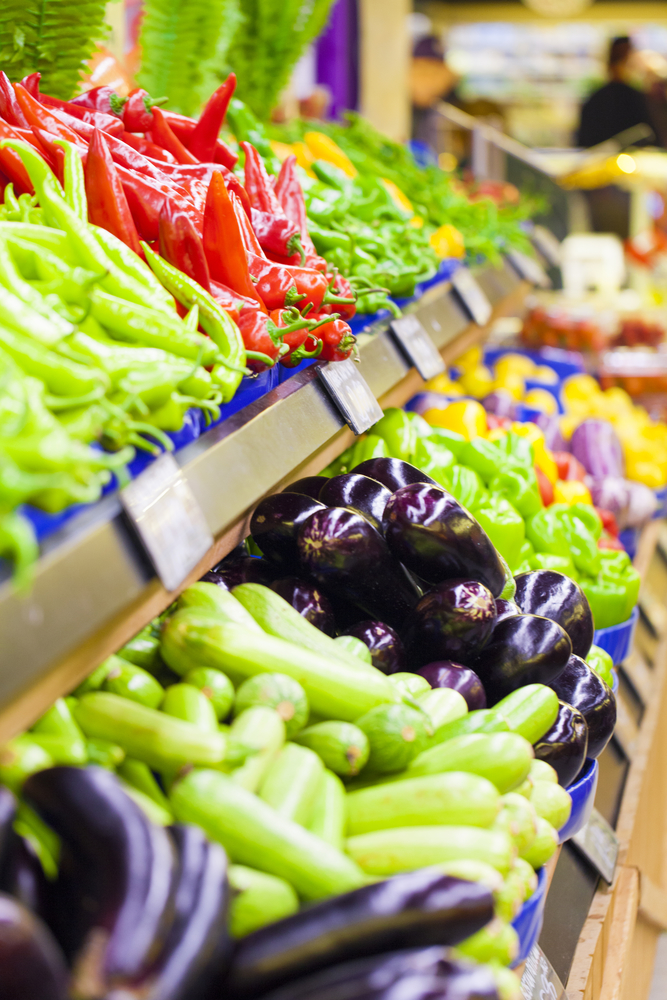
    Produce on sale at a grocery store.

    The in-person training in Sumter on June 23 has been canceled. If these trainings are successful, more online trainings will be offered in the future. The Produce Safety Alliance has made this option available until July 31.

    Per the registration page: “Due to the COVID-19 pandemic, this training is being offered temporarily via remote delivery. In order to participate, individuals must have a webcam and audio capability, and will be required to have both operating during the full course of the training (May 19th 1PM – 5PM & May 20th 1PM-5PM). It is a Produce Safety Alliance requirement that participants are monitored in order to verify participants’ attendance and engagement. Participants will only be eligible for the PSA/AFDO Certificate of Course Completion if they are present for all modules of the course. The training will take place via Zoom, which does not require special software. Zoom does have system requirements, which can be found here:

    https://support.zoom.us/hc/en-us/articles/201362023-System-Requirements-for-PC-Mac-and-Linux.

    Please make sure that your system meets the requirements for Zoom meetings.

    In order to assure a smooth-running training, there is limited space available. Preference will be given to South Carolina growers. If space is available, the training will be open to out of state participants on a first-come, first-serve basis. Out of state participants, please email Brooke Horton to be placed on the waiting list – BHorton@scda.sc.gov.

    The Produce Safety Rule Grower Training Manual v1.2 will be mailed to registrants prior to the training – please be sure that the address you provide at the time of registration is capable of receiving packages. Evaluations and a Zoom link for the training will be sent in a confirmation email prior to the training date.”

    Registration can be found at links below:

    May 19 & 20: https://bit.ly/19May-COVID19SCPSR

    May 27 & 28: https://bit.ly/May27-COVID19SCPSR

  • N.C. Hemp Meeting Yields Updated Number of Growers

    industrial
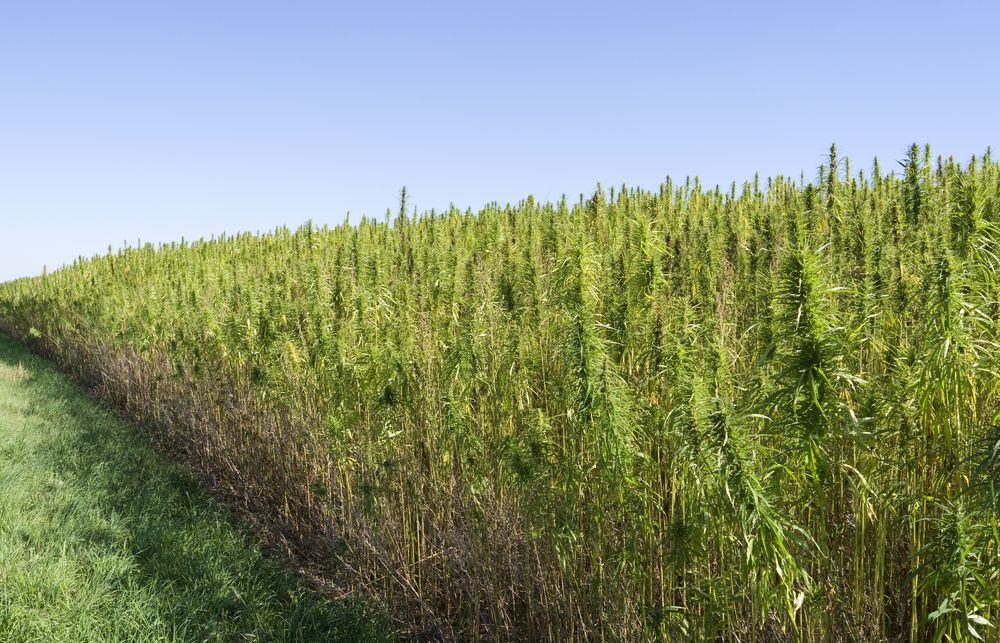
    Pictured is industrial hemp.

    The North Carolina Industrial Hemp Commission met on Friday.

    According to Paul Adams, with the North Carolina Department of Agriculture and Consumer Services, there are 1,481 licensed hemp growers, 17,167.3 licensed acres, 7.2 million licensed square feet of greenhouse space and 1,061 registered processors.

    For full story, see North Carolina State story.